Published: 08.02.2022 | Last updated: 13.10.2026
This content has been medically reviewed and updated by Prof. Dr. Murat Binbay.
“This content is for informational purposes only; diagnosis and treatment are planned after a medical examination.”
TURBT, or transurethral resection of bladder tumour, is a closed operation performed in patients with a bladder tumour, both to make the diagnosis and to treat bladder cancers that have not reached the muscle layer (non-muscle-invasive, or superficial, cancers). No incision is made in the abdomen; the bladder is reached through the urethra.
When a suspicious area or mass is seen in the bladder on ultrasound or cystoscopy, the area is removed with TURBT and sent to pathology. If the mass does not cover a very large area of the bladder, it is usually removed completely and its base is resected. This shows whether the mass is a tumour and, if it is a superficial cancer, treats it at the same time. The most common sign of a bladder tumour is painless blood in the urine.
Bladder cancer is 3–4 times more common in men than in women. The main reasons are higher smoking rates among men and more frequent exposure to chemicals at work.
In about three out of four patients diagnosed with bladder cancer, the cancer is caught at an early stage. These early tumours are called “superficial bladder cancer” or “non-muscle-invasive bladder cancer”. At this stage the cancer has usually not spread to other parts of the body.
TURBT is the main treatment for superficial bladder cancer. Bladder cancer has a high tendency to recur; as long as recurrent tumours have not reached the muscle layer, they are treated again with TURBT. Tumours that have invaded the muscle layer require different treatments, such as removal of the bladder. We explain which operation is performed for which patient in detail on our bladder cancer surgery page.
TURBT at a Glance
| Purpose | To remove the tumour completely and determine whether it has reached the muscle layer |
| Incision | None; the bladder is reached through the urethra (endoscopic surgery) |
| Anaesthesia | Spinal or general anaesthesia |
| Operation time | A short procedure, depending on the size and number of tumours |
| Chemotherapy into the bladder | A single dose within 24 hours in suitable patients |
| Catheter | Usually 1 day; up to 3 days if needed |
| Hospital stay | Usually 1 day |
| Return to daily life | 2–3 days |
What Is a Bladder Tumour Biopsy? How Is It Different from TURBT?
Both a bladder tumour biopsy and TURBT are performed by entering the bladder through the urethra, but their purposes are different.
| Bladder tumour biopsy | TURBT | |
|---|---|---|
| Purpose | Diagnosis only | Diagnosis and treatment |
| How is it done? | A piece is taken from the suspicious area with a forceps-like instrument | The tumour is cut out completely using electrical (bipolar) or laser energy, and its base is resected |
| Removal of the tumour | The suspicious area is not completely removed | The tumour is completely removed |
| Anaesthesia | Can be done without anaesthesia | Performed under anaesthesia |
Preparing for TURBT
You should not eat or drink for 6 hours before surgery. If your operation is in the morning, stop eating and drinking after midnight the night before. If it is in the afternoon, you can have a light breakfast at around 6 a.m. and then stop eating and drinking.
You can take regular medicines, such as blood pressure tablets, with a sip or two of water. Discuss with your doctor in advance which medicines to take on the morning of surgery.
Blood thinners increase the risk of bleeding. How many days before surgery they are stopped depends on the type of medicine; with some medicines surgery can be performed without stopping them at all. Do not stop your medicine on your own. Your urologist and cardiologist will decide together when it should be stopped and whether you need a short-acting injection in its place.
You may not be able to shower for 1–2 days after surgery, so we recommend taking a warm shower beforehand. Do not use deodorant or perfume after the shower.
Come to the hospital by taxi or have a relative bring you. Because you will have had anaesthesia, do not drive home after surgery.
How Is a Bladder Tumour Biopsy or TURBT Performed?
The operation is performed under spinal anaesthesia (numbing from the waist down) or general anaesthesia. Under spinal anaesthesia the patient is awake but feels nothing. For tumours on the side wall of the bladder, general anaesthesia may be preferred; this reduces the risk of bladder injury caused by involuntary contraction of the leg muscles (the obturator reflex).
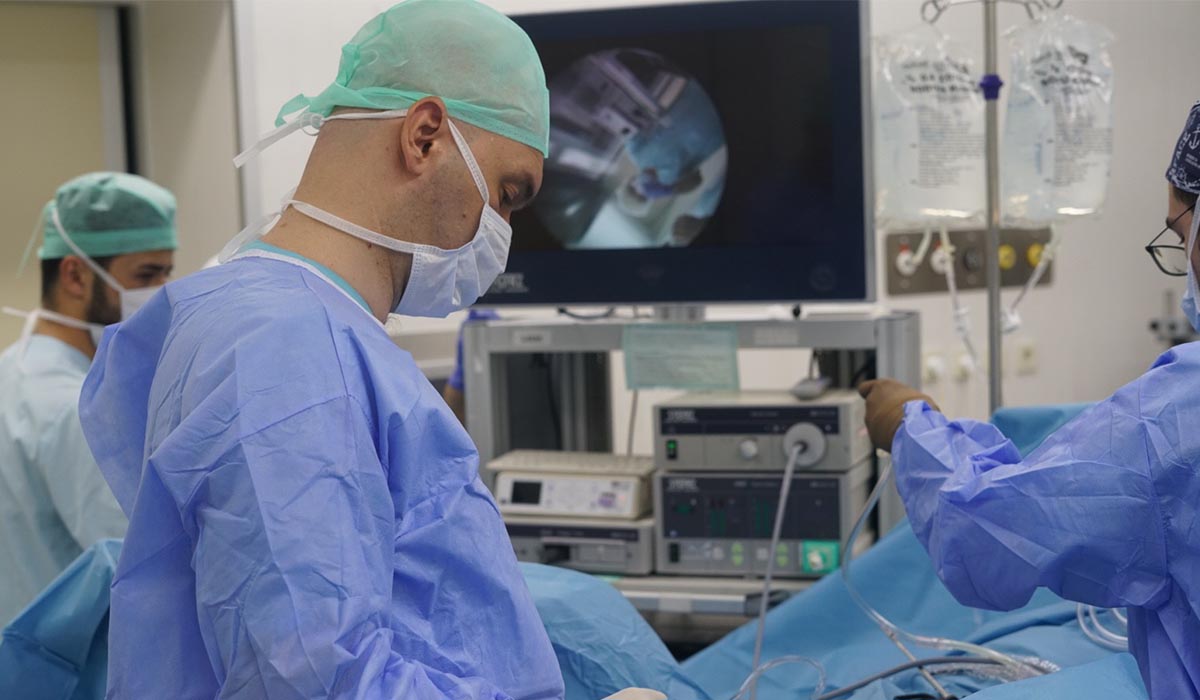
- Reaching the bladder: The urologist reaches the bladder through the urethra with an instrument called a resectoscope, which is straight and about 1 cm thick. No additional incision is needed.
- Continuous irrigation: Fluid is passed into the bladder through one channel of the instrument and drained through another. This keeps the view clear at all times; even if there is bleeding during resection, it can be controlled without losing the view.
- Examining the bladder: The whole bladder wall is carefully examined, and the location, number and size of the tumours are noted.
- Removing the tumour: The tumour is cut out with energy delivered through the resectoscope. Today, bipolar energy and laser are used most often. In suitable tumours, the tumour can also be removed in one piece without fragmenting it (en bloc resection).
- Sampling the base separately: The tumour itself and its base are sent to pathology in separate containers. The presence of muscle in the sample from the base is essential for determining whether the cancer has reached the muscle layer.
- Sampling suspicious areas: If there are red or suspicious areas outside the tumour, separate samples are taken from them too.
- Bleeding control: The resected areas are sealed (cauterised) with electrical or laser energy to minimise the risk of bleeding after surgery.
What Are the Complications of TURBT?
TURBT is generally a safe operation. Still, as with any surgery, there are some risks during or after the operation. The urologist's experience, properly functioning instruments and the use of bipolar energy or laser reduce these risks.
| Complication | What is done? |
|---|---|
| Blood in the urine | Mildly bloody urine is expected for a few days. If bleeding persists, the catheter is kept in longer; rarely, a repeat procedure to control bleeding is needed. |
| Urinary tract infection | Treated with antibiotics. |
| Perforation of the bladder wall | Most small perforations heal by keeping the catheter in for a few more days; surgical repair is rarely needed. |
| Narrowing of the urethra (stricture) | May develop later; if needed, it is opened with a closed procedure. |
| Anaesthesia-related problems | The risk is reduced with a pre-operative anaesthesia assessment. |
Recovery Time
At the end of the operation, a three-way catheter is placed in your bladder. Saline is passed into the bladder through one channel of the catheter while urine is drained through another. This prevents blood seeping from the resected areas from forming clots in the bladder.
- Eating and moving: You can start drinking 4 hours and eating 6 hours after surgery. After 6 hours, get up and start moving.
- Catheter: Usually removed 1 day after surgery. If a large area was resected or deep resection was performed, this may extend to 3 days.
- Hospital stay: Patients usually stay in hospital for 1 day. If bleeding continues, the hospital stay and catheter removal may be delayed.
- First days: Urine may be bloody for a while, and you may need to urinate frequently after the catheter is removed. Drinking plenty of fluids helps prevent clots and infection.
- Daily life: You can return to your daily life and work within 2–3 days of going home.
Single-Dose Chemotherapy into the Bladder After TURBT
If the tumour seen during TURBT is suspicious for cancer, a single dose of chemotherapy is given into the bladder through the catheter within the first 24 hours after surgery. The drug is kept in the bladder for about 1–2 hours and then drained. The aim is to prevent tumour cells that may have been released during the operation from implanting again, thereby reducing the risk of recurrence.
This single dose is not given if bladder perforation is suspected, after extensive resection, or if bleeding is ongoing. The patients who benefit most from single-dose chemotherapy are those with a single or a few small tumours in the low- and intermediate-risk groups.
What Is Re-TURBT (Second TURBT), and Who Needs It?
Re-TURBT is a second TURBT performed on the same area after the first operation. Its aim is to remove any tumour tissue that was missed or left behind in the first operation and to confirm whether the cancer has reached the muscle layer. Re-TURBT is usually performed 2–6 weeks after the first operation.
Re-TURBT is recommended when:
- The tumour could not be removed completely in the first operation
- There was no muscle in the tissue removed in the first operation (except for Ta low-grade tumours and carcinoma in situ alone)
- The tumour has invaded the tissue beneath the lining but not the muscle (T1)
- The tumour is high grade
In these patients, re-TURBT reveals the true stage of the tumour and provides a better starting point for BCG therapy. If re-TURBT shows a tumour that has invaded the muscle layer, the treatment plan changes.
Chemotherapy Course into the Bladder (Intravesical Chemotherapy)
In intermediate-risk patients, a course of chemotherapy into the bladder at set intervals may be given in addition to the single dose. The drug is given into the bladder through a thin catheter, kept for 1–2 hours and then passed out with the urine. Unlike chemotherapy given into a vein, very little of the drug enters the body, so general side effects such as hair loss are not expected.
- Schedule: Usually once a week for 6–8 weeks; depending on the patient, monthly maintenance doses may be added for up to a year.
- Drugs used: Mitomycin C, epirubicin and gemcitabine are used most often.
- Possible side effects: Burning on urination, frequent urination and, with some drugs, a skin rash. Symptoms are usually mild.
What Is BCG Therapy and How Is It Given?
BCG is a weakened live bacterium, also used in the tuberculosis vaccine. When given into the bladder, it activates the immune system and creates a local immune response against cancer cells in the bladder wall. In high-risk superficial bladder cancers, it is the most effective intravesical treatment for preventing the cancer from recurring and progressing to the muscle layer.
| Phase | Schedule |
|---|---|
| Start | About 2–4 weeks after TURBT, once the bladder has healed |
| Induction | Once a week for 6 weeks |
| Maintenance | Doses repeated at set intervals; usually 1 year in the intermediate-risk group and up to 3 years in the high-risk group |
| How it is given | Given into the bladder through a thin catheter; the patient holds the urine for about 2 hours |
Common symptoms after BCG: Burning on urination, frequent urination, slight blood in the urine, tiredness and a mild fever lasting 1–2 days. These symptoms usually settle on their own.
Contact your doctor immediately if you have: A fever above 38.5 °C lasting more than 48 hours, chills, marked weakness, joint pain or red eyes. These may be signs of rare but treatable BCG side effects.
BCG is not given that week, and is postponed, if there is an active urinary tract infection, visible blood in the urine or bleeding when the catheter is inserted. In high-risk patients who do not respond to BCG, radical cystectomy or newer intravesical treatments are considered.
Treatment After TURBT
Treatment after TURBT is planned according to the risk group determined by the pathology result. The risk group is based on the tumour's stage (Ta, T1, carcinoma in situ), grade (low or high), number and size, and whether it has recurred before.
| Risk group | Typical tumour | Treatment after TURBT |
|---|---|---|
| Low risk | A first, single Ta low-grade tumour smaller than 3 cm | A single dose of chemotherapy into the bladder within 24 hours; further treatment is usually not needed |
| Intermediate risk | Tumours that are neither low nor high risk (such as multiple or recurrent Ta low-grade tumours) | A course of chemotherapy into the bladder or 1 year of BCG |
| High risk | T1, high-grade tumours, carcinoma in situ | Re-TURBT and 1–3 years of BCG |
| Very high risk | T1 high-grade tumours with several unfavourable features | BCG or immediate radical cystectomy, discussed together with the patient |
Cystoscopy Follow-up Schedule by Risk Group
Bladder cancer frequently recurs. Recurrent tumours caught early are easier to treat and can often be treated again with TURBT. That is why regular cystoscopy check-ups after TURBT are so important. The first check is performed 3 months after surgery regardless of risk group; the frequency of later checks depends on the risk group.
| Risk group | First year | Years 2–5 | After year 5 |
|---|---|---|---|
| Low risk | Month 3 and month 12 | Once a year | May be stopped at the doctor's discretion |
| Intermediate risk | Month 3, then every 3–6 months | Every 6–12 months | Once a year |
| High risk | Every 3 months | Year 2 every 3 months; years 3–5 every 6 months | Once a year for life |
In high-risk patients, urine cytology and imaging of the kidneys and ureters (CT urography) are added to cystoscopy during follow-up. The schedule is tailored to each patient according to the tumour's features and the results of previous check-ups.
Can TURBT Be Performed More Than Once?
Yes. TURBT can be performed several times in the same patient when needed, and it is the standard treatment for recurrent superficial tumours. Each operation carries risks similar to those of the first; after many TURBTs, bladder capacity may decrease. For tumours that recur frequently or become increasingly aggressive, the treatment plan is reassessed.
What Happens If Pathology Shows Muscle Invasion?
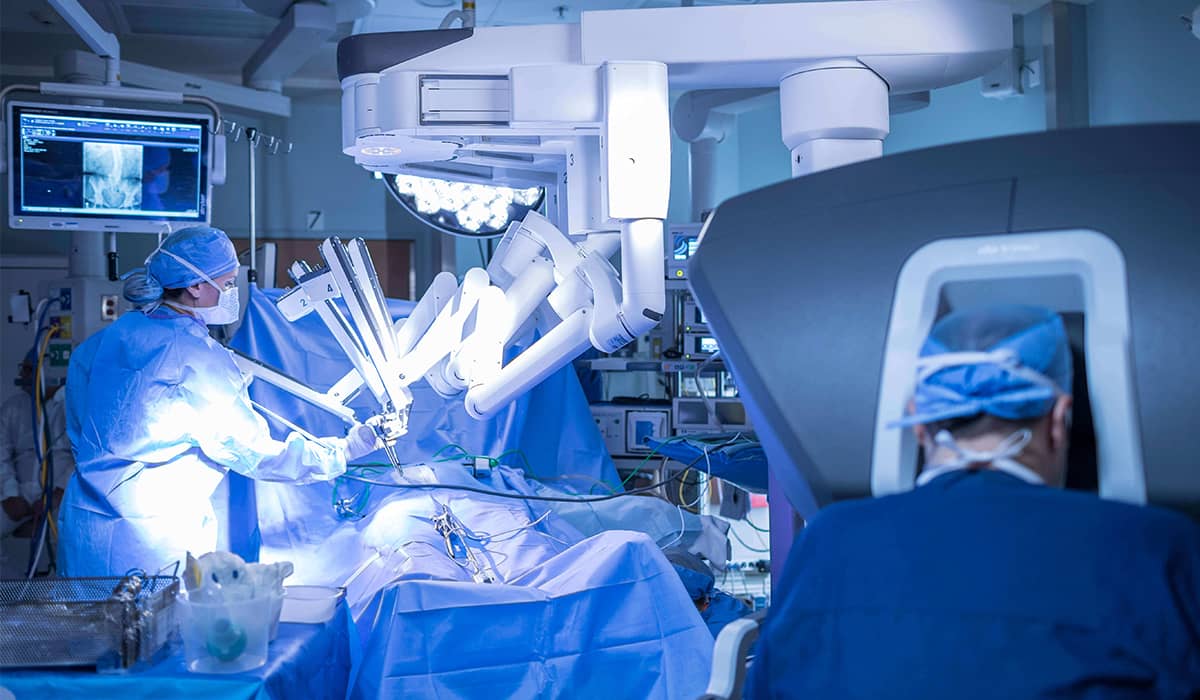
If TURBT pathology shows that the tumour has invaded the muscle layer, treatment changes. In these patients, the spread of the cancer is first assessed with CT or MRI. In suitable patients, chemotherapy before surgery followed by removal of the bladder (radical cystectomy) is the standard treatment. After the bladder is removed, a new bladder can be created from the intestine so that urine can be passed through the normal route. In selected patients, bladder-sparing treatment combining TURBT, radiotherapy and chemotherapy can be used. These operations can be performed through small holes with robotic surgery.
Frequently Asked Questions
How long does TURBT take?
TURBT is a short closed operation. Its length depends on the size, number and location of the tumours.
Is TURBT painful?
Because the operation is performed under anaesthesia, no pain is felt during the procedure. After surgery there may be discomfort from the catheter and burning on urination; these are usually controlled with simple painkillers.
How long does blood in the urine last after TURBT?
Slight blood in the urine may last a few days. One to two weeks after surgery, brief bleeding may recur as the scabs on the wounds come away. Drinking plenty of fluids helps; if you have dark bleeding with clots, contact your doctor.
Can TURBT cure bladder cancer completely?
In tumours that have not reached the muscle layer, TURBT together with intravesical treatments is the main treatment and removes the tumour completely. However, because bladder cancer tends to recur, regular cystoscopy follow-up is essential.
Can BCG therapy cause tuberculosis?
Because BCG is a weakened bacterium, in most patients it causes only temporary local symptoms. Rarely, it can spread through the body and cause a serious infection, so you should contact your doctor immediately if you have symptoms such as a high, prolonged fever.
Is re-TURBT performed in every patient?
No. Re-TURBT is recommended for T1 and high-grade tumours, when the tumour could not be removed completely in the first operation, or when there was no muscle in the tissue removed.
When can I return to work after TURBT?
Most patients return to daily life and desk work within 2–3 days of going home. It is advisable to avoid heavy lifting and strenuous exercise for a few weeks.
Clinical Note
This article was prepared and medically reviewed by Prof. Dr. Murat Binbay, who has more than 25 years of experience in urology and more than 1,500 robotic operations. The assessments in the text reflect current international guideline recommendations together with the practice in our clinic.
The information here is for general information only. Because every patient's history, imaging findings and other medical conditions are different, treatment decisions can only be made after an examination. You can read about our patients' experiences on the bladder cancer patient reviews page. For your questions, you can reach us through our contact page.
References
- European Association of Urology — Non-muscle-invasive Bladder Cancer Guidelines
- European Association of Urology — Muscle-invasive and Metastatic Bladder Cancer Guidelines
- National Cancer Institute (NIH) — Bladder Cancer
Last reviewed: 13 October 2026 · Reviewed by: Prof. Dr. Murat Binbay, Urology and Robotic Surgery Specialist
Let Prof. Dr. Murat Binbay's team review your case
If you read this far, you probably have questions. Fill in the two-minute digital consultation form and we will get back to you within 24 hours.
- Answer within 24 hours
- Your data stays confidential
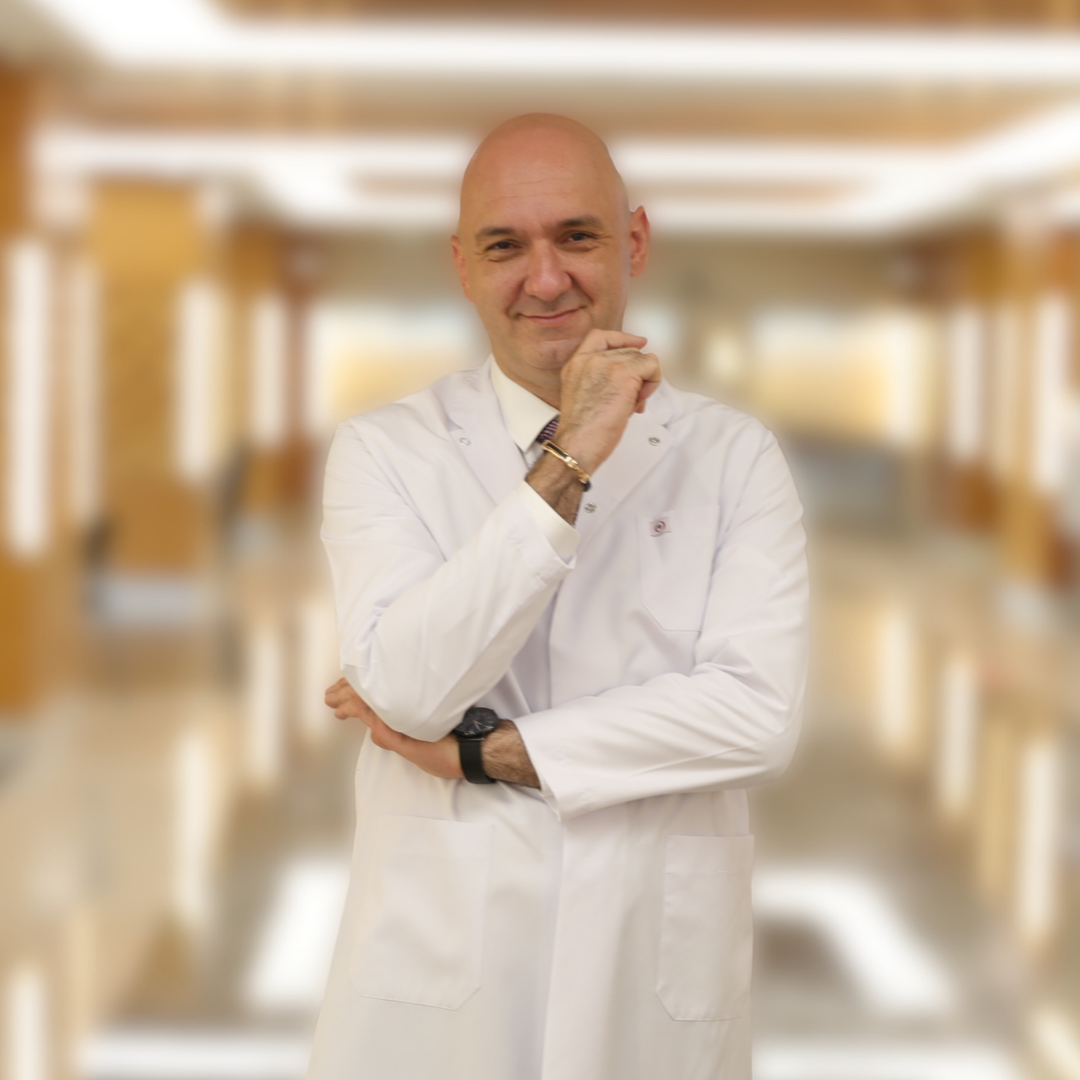
Urology and Robotic Surgery Specialist · 25+ years of experience
Last medically reviewed:
 Önceki Yazı
Recommendations for Patients About Robotic Radical Prostatectomy
Önceki Yazı
Recommendations for Patients About Robotic Radical Prostatectomy
 Sonraki Yazı
Which Robotic System Would You Like to Have Your Operation With?
Sonraki Yazı
Which Robotic System Would You Like to Have Your Operation With?
Yorumlar
Yorum Yazın
Henüz yorum yapılmamış. İlk yorumu siz yapın!