Upper urinary tract cancers refer to tumours developing in the renal pelvis, the part of the kidney that collects urine, and in the ureter, which carries urine to the bladder. The great majority of these cancers are of the urothelial carcinoma type, arising from the special cells lining the urinary tract. Although they carry similar cellular characteristics to bladder cancer, upper urinary tract tumours are more rarely seen and can follow a more aggressive course in some patients.
Upper urinary tract tumours make up approximately 5-10% of all urothelial cancers. The disease mostly emerges at an advanced age and is seen more frequently in men than in women. Smoking, exposure to certain chemical substances and chronic urinary tract problems in particular are among the important risk factors.
Renal pelvis cancer and ureter cancer may give no symptoms in the early period. For this reason it is of critical importance that symptoms such as blood being seen in the urine are taken seriously and that a urological assessment is made without delay. Today, thanks to advanced imaging methods, endoscopic techniques and robotic surgical applications, more successful treatment plans can be made in upper urinary tract cancers.
The Anatomy of the Upper Urinary Tract
The urine produced by the kidneys is first collected in the renal pelvis, the collecting system within the kidney. From here it is carried to the bladder by means of the ureter, which is approximately 25-30 cm long. The inner surface of the renal pelvis and the ureter is covered with urothelium, the same cell layer as the inner surface of the bladder.
For this reason there is a biological similarity between bladder cancer and upper urinary tract cancers. In some patients a tumour can develop both in the bladder and in the upper urinary tract at the same time or at different times.
Why Do Upper Urinary Tract Cancers Occur?
The exact cause of upper urinary tract urothelial carcinoma is not always clear. However, it is known that certain environmental and genetic factors increase the risk of the disease.
- Smoking: one of the most important risk factors is cigarettes. The carcinogenic substances in cigarettes, as they are filtered by the kidneys and excreted in the urine, can cause damage to the urothelial cells. Long-term smoking markedly increases the risk of both bladder and upper urinary tract cancer.
- Chemical exposure: exposure to certain aromatic amines can create a risk, particularly in people working in the paint, textile, plastics, rubber and chemical industries.
- Chronic stone disease and infection: long-term kidney stone disease, chronic infections and continuous irritation can be associated with tumour development in some patients.
- Familial and genetic factors: in certain genetic diseases such as Lynch syndrome, the risk of developing an upper urinary tract tumour can increase. Genetic assessment may be required particularly in patients seen at a young age or with a family history.
- Certain medicines and herbal products: in past years a relationship has been shown between the long-term use of certain painkillers and upper urinary tract tumours. In addition, it is known that certain herbal products containing aristolochic acid can also create a risk.
The Symptoms of Upper Urinary Tract Cancer
- The symptoms of ureter cancer and the findings of a renal pelvis tumour most of the time emerge in a way similar to bladder cancer.
- Blood seen in the urine (haematuria): this is the most frequently seen symptom. The urine being red or tea-coloured may be noticeable. In some patients the bleeding can be detected only under the microscope.
- Flank pain: as a result of the tumour obstructing the ureter, an increase in pressure can develop in the kidney. This situation can cause flank pain or swelling in the kidney.
- Frequent urination and burning: irritative voiding complaints may be seen, particularly if there is accompanying bladder involvement.
- Weight loss and weakness: in advanced-stage disease a deterioration in general condition can develop.
How Are Upper Urinary Tract Tumours Diagnosed?
In the diagnostic process both imaging methods and endoscopic assessments play an important role.
Urine Analysis and Cytology
Bleeding in the urine is investigated. In addition, urine cytology can be performed to examine cancer cells shed into the urine.
Computed Tomography (CT Urography)
CT urography is one of the most frequently used imaging methods in the diagnosis of upper urinary tract tumours. Thanks to the contrast-enhanced scan, filling defects within the renal pelvis and ureter can be seen.
MR Urography
It can be an alternative in patients in whom contrast cannot be used.
Ureteroscopy
By entering the ureter with thin endoscopic devices, the tumour can be visualised directly. In necessary situations a biopsy can be taken.
Cystoscopy
The bladder is also examined in order to assess whether bladder cancer accompanies it.
Staging in Upper Urinary Tract Cancers
When the treatment plan for the disease is determined, the tumour's:
- Size
- Location
- Whether it has progressed into the muscle layer
- Lymph node involvement
- Distant organ metastasis
are assessed.
Muscle-invasive tumours can follow a more aggressive course and may require more comprehensive treatment.
Treatment Methods in Upper Urinary Tract Cancers
Endoscopic Treatments
In low-risk and small tumours, kidney-preserving endoscopic methods can be applied in some patients. With flexible ureteroscopy the tumour can be cleared using a laser.
This approach can be considered particularly:
- In patients with a single kidney
- In people with limited kidney function
- In low-grade small tumours
Radical Nephroureterectomy
In high-risk upper urinary tract tumours the standard treatment is most of the time accepted as radical nephroureterectomy. In this operation:
- The kidney
- The ureter
- The part where the ureter enters the bladder
are removed together.
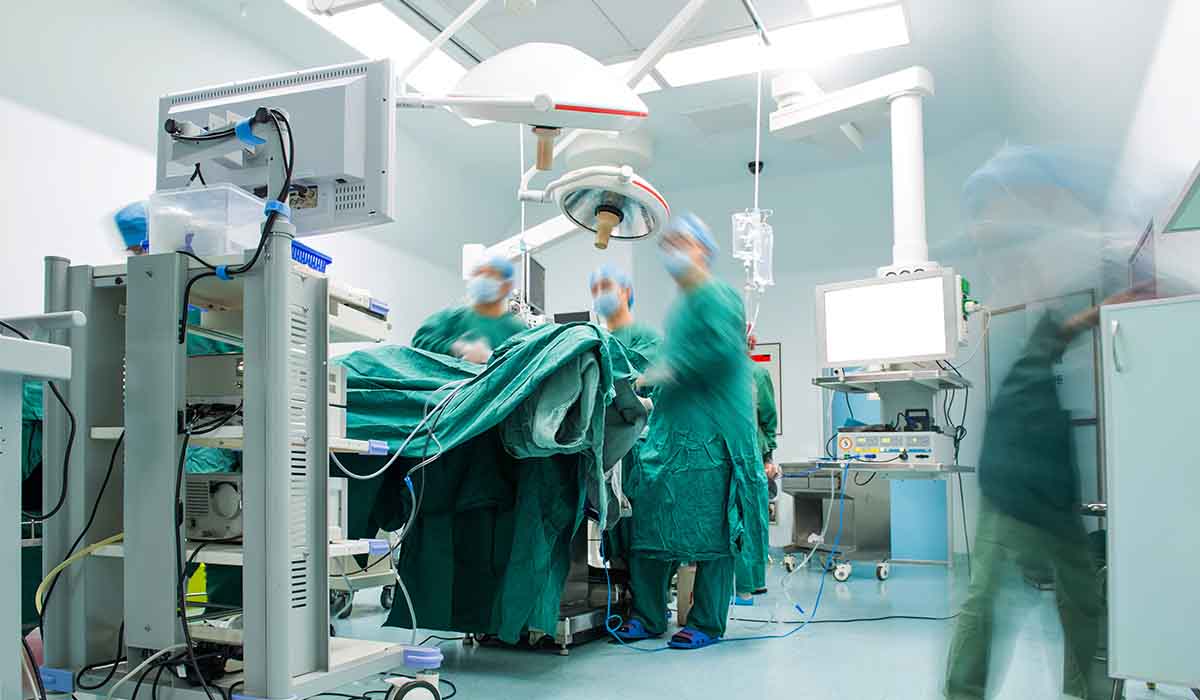
Today these operations can be performed with open, laparoscopic or robotic surgical methods.
Upper Urinary Tract Tumour Surgery With Robotic Surgery
Robotic surgery is one of the minimally invasive methods being used ever more frequently in upper urinary tract tumours. Robotic nephroureterectomy operations, applied particularly in experienced centres, can provide advantages such as:
- A smaller incision
- Less bleeding
- A lower level of pain
- Faster recovery
- A shorter length of hospital stay
With single port robotic surgery technologies that have developed in recent years, in some suitable patients the operation can be planned with more limited incisions.
Chemotherapy and Systemic Treatments
In muscle-invasive or advanced-stage patients chemotherapy may be necessary. Particularly in high-risk cases, systemic treatments before or after the operation can be considered.
In advanced-stage disease, immunotherapy and targeted treatments can also be used in some patients.
Follow-Up After Upper Urinary Tract Cancer
Because there is a risk of recurrence in these tumours, regular follow-up is important. Cystoscopic check-ups may be necessary, particularly because of the risk of a tumour developing again in the bladder.
In the follow-up process:
- Urine tests
- Cystoscopy
- CT imaging
- Kidney function tests
can be planned at specific intervals.
What Can Be Done to Be Protected From Upper Urinary Tract Cancers?
- Quitting smoking
- Being protected from chemical exposure
- Treating chronic infections
- Not neglecting kidney stone disease
- Having regular health check-ups
can help to reduce the risk.
Clinical Note
This article was written and medically reviewed by Prof. Dr. Murat Binbay, a urologist with more than 25 years of experience and over 1,500 robotic operations. The assessments reflect current international guideline recommendations together with our own clinical practice.
The information here is for general guidance only. Because every patient's history, imaging findings and comorbidities differ, a treatment decision can only be made after an examination. You can reach us through our contact page, or read more about our physician on the about us page.
Sources
- European Association of Urology — Upper Urinary Tract Urothelial Carcinoma Guidelines
- Türk Üroloji Derneği — Güncel Kılavuzlar
Last reviewed: 8 September 2026 · Reviewed by: Prof. Dr. Murat Binbay, Urology and Robotic Surgery Specialist
Let Prof. Dr. Murat Binbay's team review your case
If you read this far, you probably have questions. Fill in the two-minute digital consultation form and we will get back to you within 24 hours.
- Answer within 24 hours
- Your data stays confidential

Urology and Robotic Surgery Specialist · 25+ years of experience
Last medically reviewed:
 Önceki Yazı
Why Does Frequent Urination at Night (Nocturia) Occur?
Önceki Yazı
Why Does Frequent Urination at Night (Nocturia) Occur?
 Sonraki Yazı
Adrenal Gland Cancer
Sonraki Yazı
Adrenal Gland Cancer
Yorumlar
Yorum Yazın
Henüz yorum yapılmamış. İlk yorumu siz yapın!