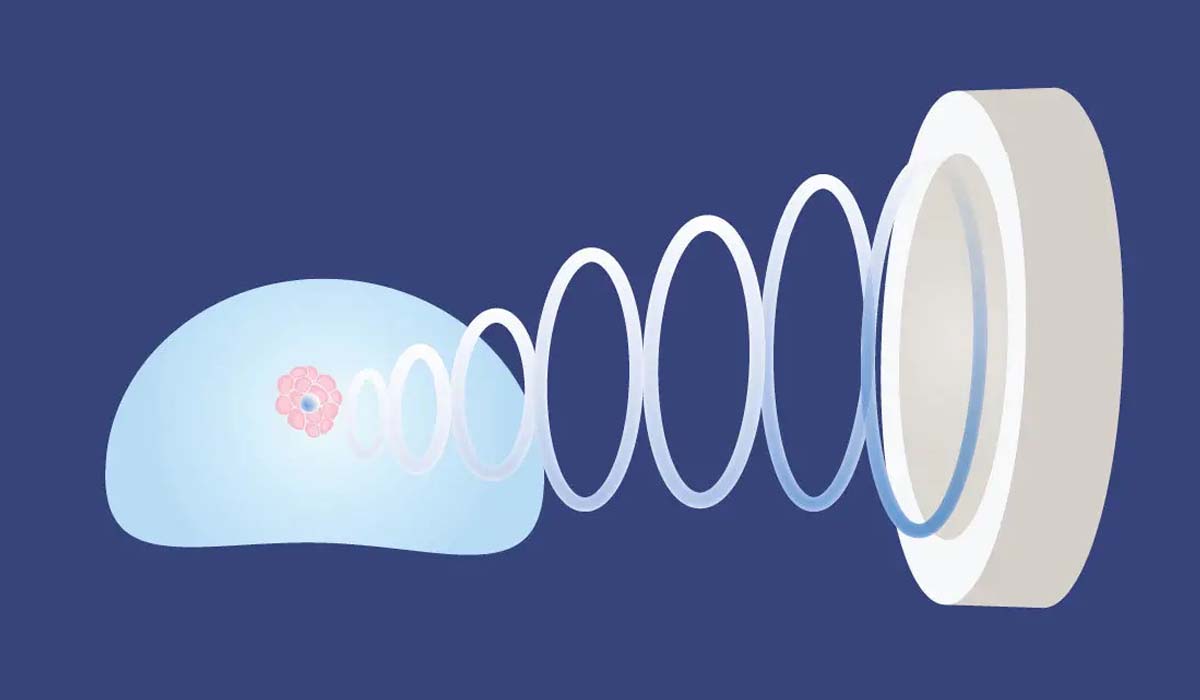
Urinary retention means the bladder is full but cannot be emptied completely or at all, and in winter one of its most common triggers is a cold and flu medicine containing a decongestant or an antihistamine, taken by a man whose prostate is already enlarged. These medicines do not make the prostate bigger. What they can do is tighten the outlet of a bladder that is already narrowed, or weaken the muscle that pushes urine out. The result is a familiar emergency: a man gets up at night, cannot pass any urine at all, feels a painful swelling low in his abdomen and ends up in the emergency department.
Over-the-counter cold and flu remedies often combine a fever reducer, a painkiller, a decongestant and a sedating antihistamine in a single capsule. For a man who knows he has an enlarged prostate, or who already gets up several times a night to pass urine, that difference in ingredients matters. Below we explain the two types of urinary retention, how these medicines can trigger it, who is most at risk and what to do if it happens.
Acute and chronic urinary retention
Doctors divide urinary retention into two types according to how it starts. The distinction matters because one needs urgent treatment, while the other usually develops slowly and can go unnoticed for a long time.
Acute urinary retention
In the acute form, a person suddenly cannot pass urine at all. As the bladder keeps filling, a cramping pain builds up in the lower abdomen, and some patients describe sweating and restlessness. This is an emergency and the bladder has to be drained with a catheter. According to the US National Institute of Diabetes and Digestive and Kidney Diseases (NIDDK), over a five-year period about 1 in 10 men over 70 and almost one in three men in their 80s will develop acute urinary retention (NIDDK, urinary retention definition and facts). It is much less common in women.
Chronic urinary retention
In the chronic form, a person can pass urine but cannot empty the bladder fully. Some urine stays behind after every visit to the toilet, which shows up as frequent urination, a weak or interrupted stream, a feeling of needing to go again straight away and sometimes dribbling. There is usually no pain, so it may be dismissed for years as part of getting older. On top of chronic retention, a small extra load such as a cold remedy can tip the situation into acute retention.
How do cold medicines trigger urinary retention?
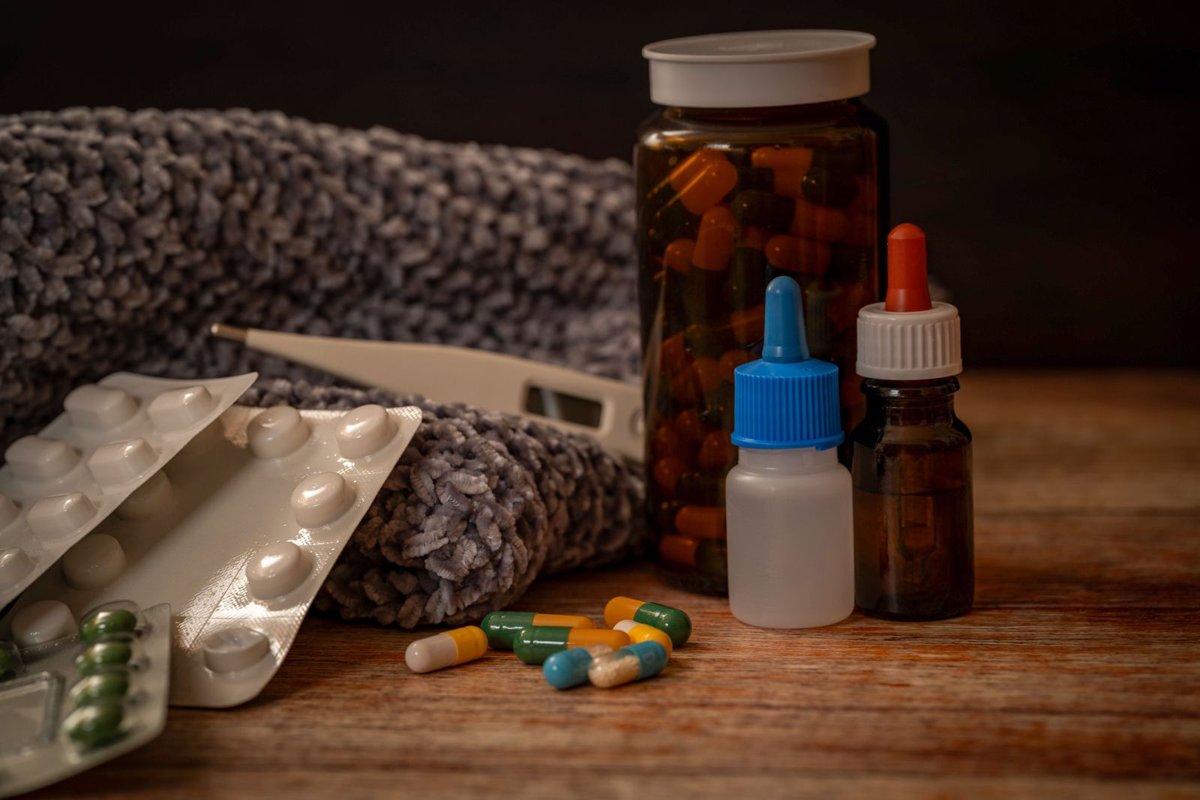
Passing urine depends on two things working together: the bladder muscle has to contract, and the muscle fibres around the bladder neck and prostate have to relax. Two groups of ingredients that are common in cold and flu products act on each side of this balance. NIDDK lists both antihistamines and decongestants among the medicines that can cause urinary retention (NIDDK, symptoms and causes).
Decongestants
Decongestants such as pseudoephedrine and phenylephrine relieve a blocked nose by narrowing blood vessels in the nasal lining. The same action can increase the tone of the smooth muscle in the bladder neck and prostate, so an outlet that is already narrow becomes tighter still. The NHS advises people with an enlarged prostate to tell their doctor before taking pseudoephedrine (NHS, pseudoephedrine).
First-generation antihistamines
Older antihistamines such as diphenhydramine and chlorphenamine dry up a runny nose and cause drowsiness. Their anticholinergic effect can also reduce the strength of bladder contractions. When the outlet is narrowed and the pushing force weakens at the same time, emptying the bladder becomes difficult. Cleveland Clinic also gives antihistamines as an example of medicines that can lead to urinary retention (Cleveland Clinic, urinary retention). Newer antihistamines are generally thought to carry less of this effect, but it is still sensible to ask a doctor first.
Combination flu products and reading the label
Much of the problem comes from people not knowing what they are taking. Many boxes labelled "night formula" or "cold and flu" contain a decongestant and an antihistamine alongside the painkiller. Checking the list of active ingredients before you buy, and telling the pharmacist that you have an enlarged prostate if you are unsure, is a simple and effective precaution.
Who is most at risk?
Medicine-triggered urinary retention does not affect everyone equally. The risk rises clearly in people who already have a problem at the bladder outlet and in those who take these ingredients at high doses or from more than one product. If any of the following applies to you, be more careful when choosing a cold remedy:
- Men over 50 who have been diagnosed with benign prostatic enlargement or who get up more than once a night to pass urine
- Anyone who has had an episode of urinary retention before
- People with a urethral stricture, bladder stones or a neurological bladder problem
- People also taking antidepressants, bladder relaxants or opioid painkillers
- Anyone who has recently had surgery under anaesthesia
You can read more about the symptoms of an enlarged prostate and when treatment is considered in our article on common questions about benign prostatic hyperplasia. Causes of night-time urination that are not related to the prostate are covered in our article on nocturia.
Other winter factors that make retention more likely
Medicines rarely act alone; they usually add to other factors. Constipation is one of the causes of urinary retention listed by NIDDK, because a full bowel can press on the bladder outlet, and it is common in older people who drink and move less during the winter months. Temporary urinary retention after surgery is also common because of anaesthesia and strong painkillers.
Holding urine for hours on long journeys or in crowded places can overstretch the bladder. In a man with a large prostate, an overfilled bladder may lose its ability to contract, and when he finally reaches a toilet he cannot start the stream. For this reason we advise patients with an enlarged prostate not to keep the bladder full for long periods and to cut down on fluids before bed.
What to do if you cannot pass urine

If you have not been able to pass urine for several hours and feel a painful fullness below the navel, go to the nearest emergency department. This will not settle by waiting at home or by drinking more water; extra fluid only fills the bladder further. Do not delay if you notice any of the following:
- A strong urge to urinate but no urine coming out
- Increasing pain in the lower abdomen and a firm swelling you can feel with your hand
- Fever, shivering or pain in the side
- Blood in the urine
Taking the boxes or photos of all the medicines you are using to the emergency department helps the doctor identify the cause quickly. In the meantime, do not take another dose of the cold remedy or increase it on your own.
Treatment in hospital and afterwards

The first aim of treatment is to empty the bladder and relieve the pain, and the second is to find out why the retention happened. Most patients go home the same day after the first intervention, but the follow-up plan matters.
Draining the bladder with a catheter
In the emergency department, a thin catheter is passed through the urethra and the bladder is drained. Relief is usually immediate. The amount of urine drained gives an idea of how much strain the bladder has been under. If a catheter cannot be passed through the urethra, it may need to be placed directly into the bladder through the lower abdomen.
Trial without catheter and medication
Once the triggering medicine has been stopped, many patients are started on an alpha-blocker, which relaxes the muscle around the prostate, and after a few days the catheter is removed to see whether they can pass urine on their own. When a medicine was the clear trigger, this trial often succeeds. If the prostate is large, a medicine that shrinks the prostate may also be added to the plan.
When a permanent solution is needed
If urine still cannot be passed after the catheter is removed, or if retention keeps coming back, surgery to open the blockage at the bladder outlet becomes an option. At this stage, choices such as TUR-P surgery, the HoLEP method often preferred for large prostates, or Rezum water vapour therapy in selected patients are considered. The right method depends on prostate size, the condition of the bladder muscle and the patient's general health.
Practical advice for taking medicines safely in flu season
A man with an enlarged prostate does not have to go without any medicine during flu season. The aim is to avoid, as far as possible, the ingredients that put strain on the urinary tract and to choose what you do need with care. Measures that work in practice include:
- For fever and pain, prefer single-ingredient products, and ask your doctor or pharmacist before taking combination "flu" remedies.
- For a blocked nose, saline sprays and steam do not affect the urinary tract.
- If you take medicine for your prostate, mention it every time you are given a new medicine.
- If your stream becomes noticeably weaker after starting a new medicine, stop it and call your doctor.
- Keep up your fluid and fibre intake in winter to avoid constipation, but drink less in the evening.
If your stream has become weaker in recent months, if you get up often at night, or if you have had an episode of retention before, a urological assessment before the winter is the safest way to prevent the next one. You can reach Prof. Dr. Murat Binbay's team through the digital consultation page. For an overview of the treatment options, see our article on benign prostate enlargement treatment.
Frequently Asked Questions
Does urinary retention go away on its own?
If you cannot pass any urine at all, waiting for it to resolve is not the right approach. Acute retention needs the bladder to be drained with a catheter; the longer you wait, the worse the pain becomes and the bladder muscle can be damaged. With mild straining and a weak stream, symptoms may improve once the triggering medicine is stopped, but you should still speak to a doctor.
How long does it take to improve after stopping a cold medicine?
It depends on how quickly the medicine leaves the body and on the size of the prostate. In many patients the stream improves noticeably within a day or two of stopping. If a catheter has been inserted, the doctor decides when to remove it based on the response to medication.
Can women also develop medicine-related urinary retention?
Yes, but it is far less common than in men. Women do not have a prostate narrowing the bladder outlet, so the risk is low. The effect of these medicines can become more noticeable if there is pelvic organ prolapse, previous pelvic surgery or a neurological condition.
I had urinary retention once. Will I need surgery?
Not necessarily. After a single episode triggered by a medicine, if the catheter can be removed with alpha-blocker treatment and you pass urine without problems, follow-up without surgery is possible. Surgery is recommended if retention recurs, if a large amount of urine remains in the bladder or if kidney function has been affected.
Can I take a flu remedy while on prostate medication?
Usually yes, as long as you pay attention to the active ingredients. Prostate medicines do not fully cancel out the effect of decongestants. Ask your doctor or pharmacist which flu remedy suits you, and tell them which prostate medicine you take.
Clinical note: This article was prepared and medically reviewed by Prof. Dr. Murat Binbay, who has more than 25 years of experience in urology and has performed over 1,500 robotic operations. The information here is for general guidance only; treatment decisions can only be made after an examination. You can reach us through our contact page.
References
- National Institute of Diabetes and Digestive and Kidney Diseases (NIDDK). Urinary Retention: Definition & Facts; Symptoms & Causes; Treatment.
- NHS. Pseudoephedrine: who can and cannot take it.
- Cleveland Clinic. Urinary Retention: Causes, Diagnosis & Treatment.
- European Association of Urology. Guidelines on the Management of Non-neurogenic Male LUTS, 2024 edition.
Last reviewed: 19 November 2026 · Reviewed by: Prof. Dr. Murat Binbay, Urology and Robotic Surgery Specialist
Let Prof. Dr. Murat Binbay's team review your case
If you read this far, you probably have questions. Fill in the two-minute pre-consultation form and we will get back to you within 24 hours.
- Answer within 24 hours
- Your data stays confidential

Urology and Robotic Surgery Specialist · 25+ years of experience
Last medically reviewed:
 Önceki Yazı
Focal Therapy in Prostate Cancer: In Which Patients Do We Consider It First?
 Sonraki Yazı
What Is a Hydrocele? Symptoms and Treatment of Fluid Around the Testicle
Yorumlar
Yorum Yazın
Henüz yorum yapılmamış. İlk yorumu siz yapın!