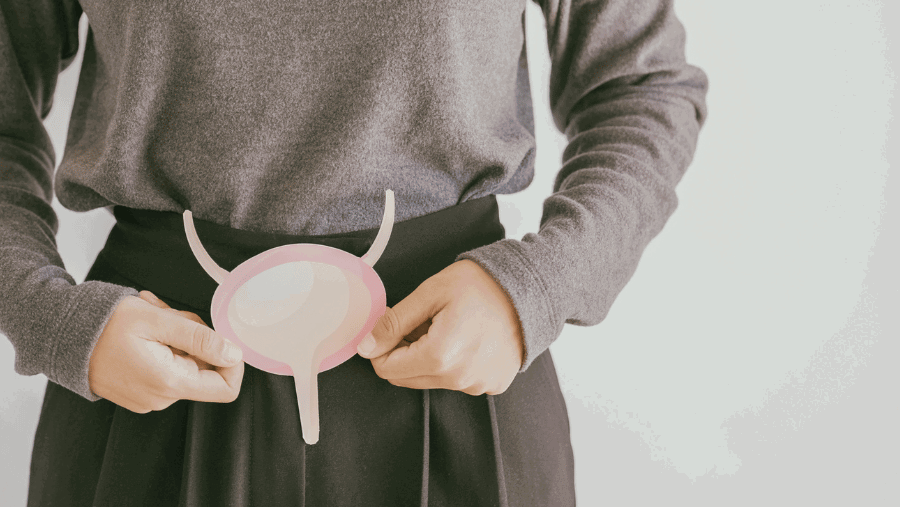
Bladder dysfunction is a common health problem that emerges when the bladder is unable to carry out its function of storing and emptying urine in a healthy way. Weakness in the muscle structure, disorders of nerve transmission or anatomical changes can lead to this situation. Bladder dysfunction is a condition that seriously affects quality of life in both women and men.
Bladder dysfunction is a treatable condition. Consulting a urology specialist without delay helps to increase quality of life with appropriate diagnosis and treatment. With a personalised approach and multidisciplinary treatment methods, bladder control can be regained.
Symptoms of Bladder Dysfunction
Bladder dysfunction leads to marked changes in a person's urination habits. These symptoms can affect both the storage and the emptying phase. These complaints, which affect daily life, can increase further over time. The most frequently encountered symptoms are explained below:
-
Frequent urination: whereas urinating 4-7 times a day is normally expected, individuals with bladder dysfunction feel the need to urinate 8 or more times a day.
-
Getting up at night to urinate (nocturia): getting up at night to urinate, which causes sleep to be interrupted, adversely affects both sleep quality and general quality of life.
-
A sudden urge to urinate (urgency): the sudden urge to urinate that develops together with the fear of not reaching the toilet in time can affect social life and work performance.
-
Urinary incontinence: uncontrolled leakage of urine may be seen particularly in situations such as laughing, coughing and sneezing, or at the moment of urgency.
-
Difficulty starting urination: when sitting on the toilet, the start of urination may be delayed, and this situation can prolong the time taken to urinate.
-
A weak or intermittent urine flow: urine comes in an interrupted way or emerges with a weak flow; this situation may be seen together with the feeling that the bladder cannot be completely emptied.
-
A feeling of not emptying completely in the bladder: even after the process has been completed, a feeling that urine has remained in the bladder continues, and this in turn increases the need to go to the toilet again.
These symptoms can be seen alone or together. Their severity varies from person to person and, if not treated at an early stage, they can seriously reduce quality of life.
Causes
More than one factor can play a role in the emergence of bladder dysfunction. These causes generally arise from conditions that disrupt the nerve control of the bladder or affect its structural integrity. The most frequently encountered causes are as follows:
- Neurological diseases: conditions affecting the nervous system such as Parkinson's disease, multiple sclerosis (MS) and spinal cord injuries can adversely affect the nerves that control the filling and emptying processes of the bladder.
- Advanced age: along with the ageing process, the bladder muscles can weaken and nerve transmission can slow down. This situation can lead to the disruption of urinary control and to urine not being completely emptied.
- Hormonal changes: particularly in post-menopausal women, the fall in oestrogen levels can cause the bladder and the surrounding tissues to weaken and thereby lead to dysfunction.
- Prostate diseases: in men, surgeries performed because of benign prostatic hyperplasia (BPH) or prostate cancer can restrict urine flow and disrupt bladder functions.
- Bladder infections and interstitial cystitis: recurrent urinary tract infections and chronic inflammations of the bladder (interstitial cystitis) can increase the sensitivity of the bladder and cause loss of function.
- Stress and lifestyle factors: chronic stress can affect the pelvic muscles and bladder contractions and thereby disrupt both emptying and holding functions. In addition, lifestyle elements such as poor nutrition, inadequate fluid intake and inactivity can also trigger this condition.
The factors causing bladder dysfunction are generally present together, and for this reason it is important that patients be assessed comprehensively.
Diagnostic Methods
The diagnosis of bladder dysfunction generally begins with the patient's complaints and a physical examination. However, further assessments may be necessary:
- Urine analysis and culture
- Measurement of bladder wall thickness and residual urine with ultrasound
- Urodynamic tests
- Cystoscopy
- MRI or CT if necessary
Treatment Options
Treatment must be planned on a personalised basis. The methods that can be applied are:
1- Drug Treatment
- Anticholinergics
- Beta-3 agonists
- Local treatments containing oestrogen (in women)
2- Physiotherapy and Exercises
- Kegel exercises aimed at strengthening the pelvic floor muscles
- Bladder training and behavioural treatments
- Keeping a urination diary
3- Botox Applications
- Injection of botulinum toxin into the bladder wall in overactive bladder
4- Nerve Stimulation Methods
- Sacral nerve stimulation
- Tibial nerve stimulation
5- Surgical Interventions
- Bladder neck surgeries
- Procedures such as TUR-P or PUL in prostate-related conditions
Bladder Rehabilitation
Rehabilitation programmes carried out with a combination of bladder training, pelvic muscle therapy and behavioural interventions are quite effective in mild and moderate cases of bladder dysfunction.
Nutrition and Lifestyle Recommendations
- Avoiding spicy foods, caffeine and acidic drinks
- Paying attention to adequate fluid intake (not dehydration; excessive consumption can also be harmful)
- Avoiding the use of cigarettes
- Maintaining a healthy weight
Psychological and Social Effects
Bladder dysfunction can reduce individuals' self-confidence, cause them to withdraw from social life and increase the risk of anxiety/depression. For this reason psychological support must also be part of the treatment process.
Bladder Dysfunction in Children
Bladder dysfunction seen in children generally appears in the form of enuresis (urinary incontinence at night or during the day). In this situation bladder training, behavioural therapies and, in some situations, drug treatments can be beneficial.
Clinical Note
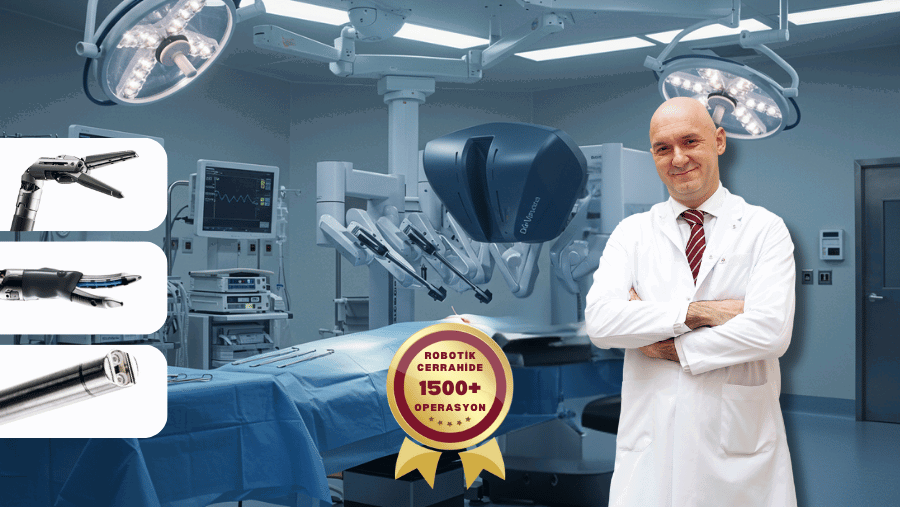
This article was written and medically reviewed by Prof. Dr. Murat Binbay, a urologist with more than 25 years of experience and over 1,500 robotic operations. The assessments reflect current international guideline recommendations together with our own clinical practice.
The information here is for general guidance only. Because every patient's history, imaging findings and comorbidities differ, a treatment decision can only be made after an examination. You can reach us through our contact page, or read more about our physician on the about us page.
Sources
Last reviewed: 8 September 2026 · Reviewed by: Prof. Dr. Murat Binbay, Urology and Robotic Surgery Specialist
Let Prof. Dr. Murat Binbay's team review your case
If you read this far, you probably have questions. Fill in the two-minute digital consultation form and we will get back to you within 24 hours.
- Answer within 24 hours
- Your data stays confidential

Urology and Robotic Surgery Specialist · 25+ years of experience
Last medically reviewed:
 Önceki Yazı
Is It Possible to Detect Prostate Cancer With a Saliva Test?
Önceki Yazı
Is It Possible to Detect Prostate Cancer With a Saliva Test?
 Sonraki Yazı
More Than 1,500 Robotic Operations by Prof. Dr. Binbay
Sonraki Yazı
More Than 1,500 Robotic Operations by Prof. Dr. Binbay
Yorumlar
Yorum Yazın
Henüz yorum yapılmamış. İlk yorumu siz yapın!