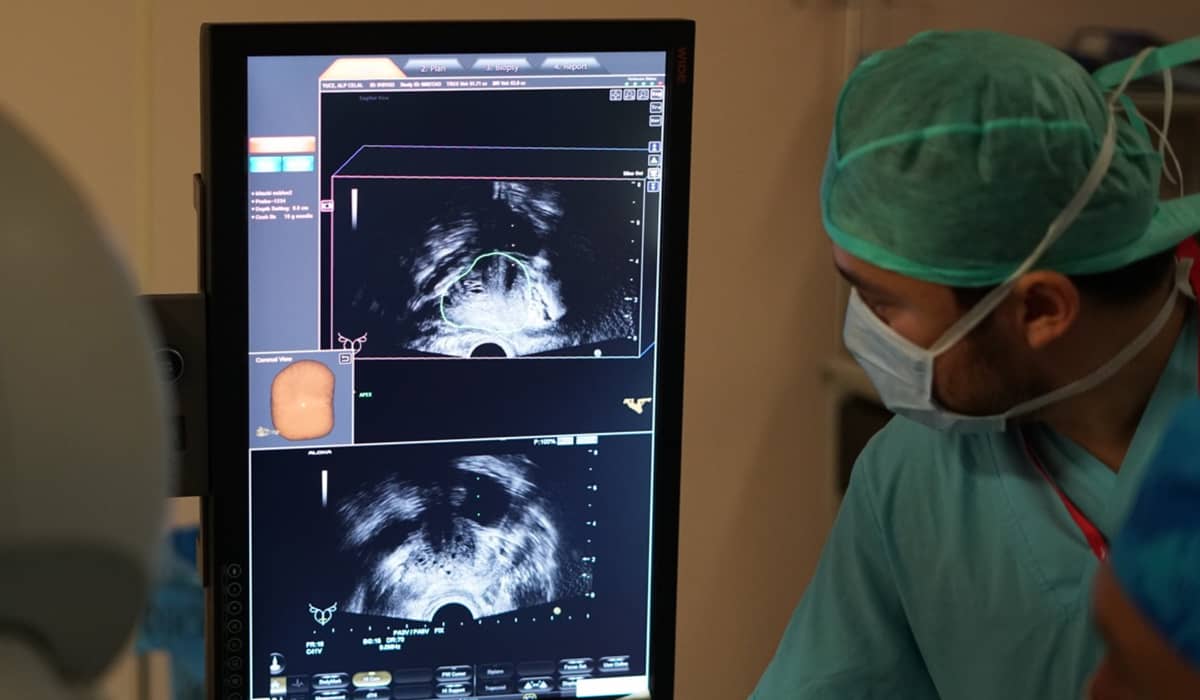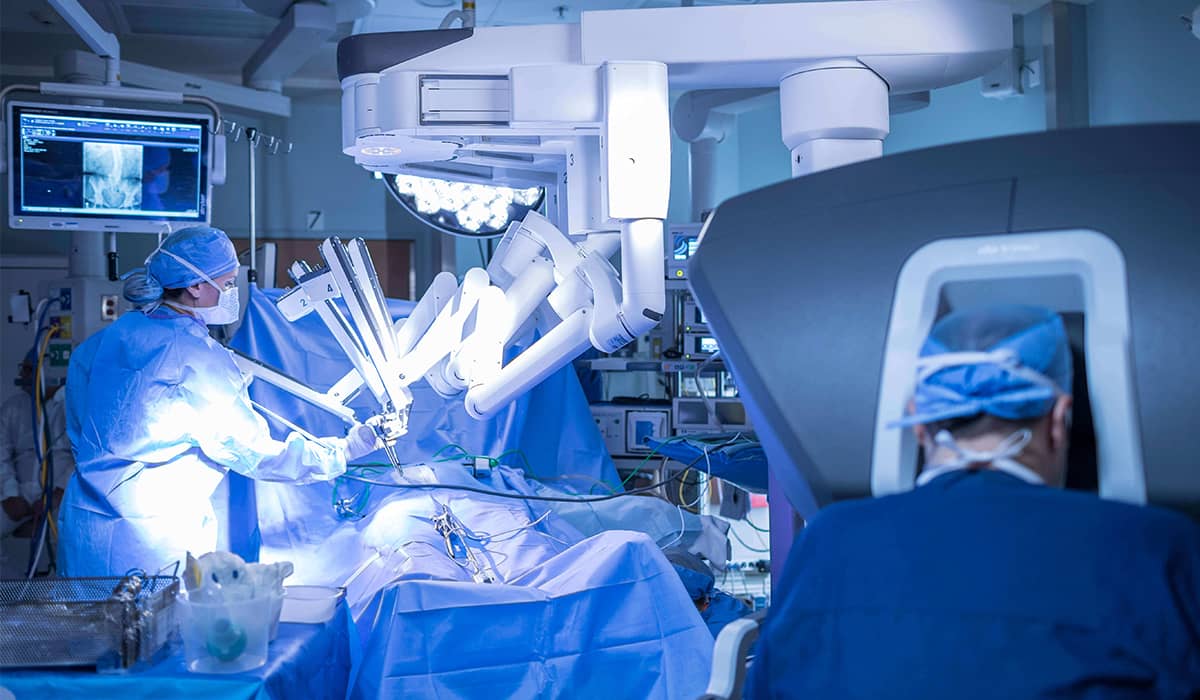
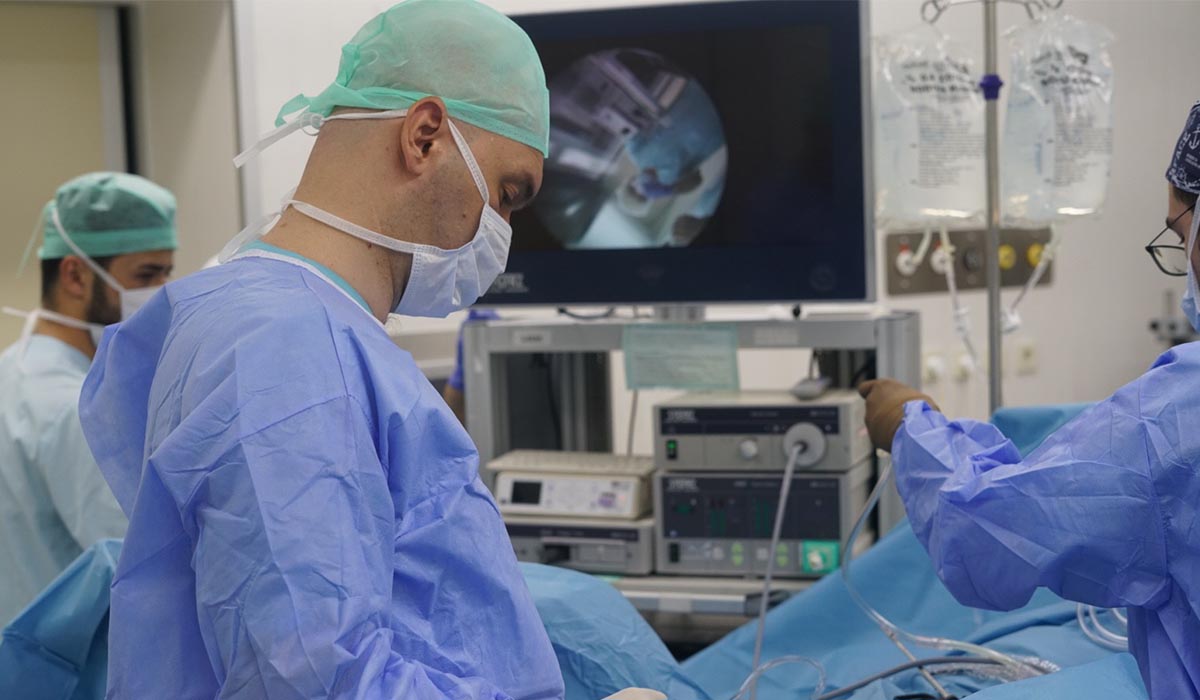
One of the most frequently seen cancers among adult men is prostate cancer. Robotic radical prostatectomy, applied in the surgical treatment of prostate cancer, is the most appropriate and advantageous treatment method for most patients. If the prostate cancer has not metastasised and is present only within the prostate gland, the radical prostatectomy procedure can be the clearest solution for the disease.
Prof. Dr. Murat Binbay has some recommendations for patients who are to undergo robotic radical prostatectomy surgery, the prostate cancer operation carried out with robotic surgery.
We advise you to read the following information carefully before having prostate surgery with robotic surgery.
Recommendations for Before Robotic Radical Prostatectomy Surgery
10 days before the operation you must stop using certain medicines:
- Aspirin
- Non-steroidal anti-inflammatory medicines
- Vitamin supplements, herbal support supplements
- Blood-thinning medicines (for the use of these medicines you must without fail obtain a doctor's recommendation.)
- Medicines taken because of chronic disease (if you are taking medicine because of high blood pressure, asthma or thyroid disease, do not stop your medicines. On the morning of the operation you can take your medicines with very little water.)
- If you are diabetic do not stop your medicines; pay attention to having your sugar under control before the operation. Oral diabetes medicines are not taken on the morning of the operation. If you use insulin, on the morning of the operation you can take insulin at half dose.
One day before your operation apply the following recommendations:
- We recommend that you eat lightly one day before the operation. Avoid fatty foods. In particular, make your evening meal the night before the operation consist of clear liquid foods (soup, stewed fruit). Drink plenty of water. You can drink fruit juices so as not to be without calories. Do not forget, empty bowels are happy bowels. They will not upset you after the operation.
- The day before the operation, around 5 p.m. in the late afternoon, a magnesium citrate supplement can be taken.
- If your operation is planned for before noon, do not eat or drink anything after midnight.
- If your operation is planned for the afternoon, have a light breakfast at 7 a.m. and do not eat or drink anything after 7 a.m.
Recommendations for After Robotic Radical Prostatectomy Surgery
In order for you to have a good convalescence period after robotic radical prostatectomy surgery, I recommend that you read the following instructions carefully and apply them to the letter. Although robotic radical prostatectomy is a routinely applied operation, this procedure is a major operation in which time is needed for patients to recover.
The Discharge Process After Prostate Surgery
- Patients are generally discharged from hospital 48 hours after the operation.
- We advise you not to drive for 10 days after the operation. For this reason, when leaving hospital you must without fail call a relative who will take you home.
- You can shower 48 hours after the operation (using waterproof dressings on your wound sites)
- Walking after the operation is very important. After the operation you can also climb stairs. Try to walk as much as possible after the operation.
- If after leaving hospital your temperature exceeds 38.5° , without fail inform Prof. Dr. Murat Binbay or the team doctors.
Diet Recommendation for After the Operation
- In the early period after the operation, take clear liquid food until you pass wind from the anus. As clear liquid food you can take meat broth soup, apple juice, water, stewed fruit (if you do not have diabetes).
- After passing wind, start eating in particular with the following foods:
- Breakfast items
- Chicken vermicelli soup
- Boiled potato
- Egg cooked in oil
- Porridge oats
- Toast bread
After your bowel movements begin you can move to normal nutrition. For 10 days after the operation do not consume the following wind-producing foods:
- Carbonated drinks: soda, fizzy drinks and cola
- Wind-producing foods: broccoli, lentils, dried beans, cabbage and spicy foods
- Milk and yoghurt
The 2-Month Period After the Operation
- Avoid straining when opening your bowels or to pass wind
- Avoid sitting in the same position for more than 45 minutes
- Do not exercise or do any sporting activity
- Do not go to the hammam or the spa, do not swim
- Do not lift heavy things
Care of the Post-Operative Catheter
- Patients are sent home after the operation with a urinary catheter. There is a balloon at the tip of the catheter and this balloon is inflated with approximately 15 cc of fluid inside the bladder. The patient must not pull out the catheter themselves.
- The catheter is generally removed 7 days after the date of the operation.
- If no urine comes into the catheter at all for 3 hours and discomfort is felt in the lower abdominal region, the nearest emergency department should be attended. The catheter may be blocked.
- When leaving hospital we fit a urine bag shorter than standard urine bags to the end of the catheter. You can place this bag inside the special support fitted to your leg and comfortably wear trousers. In this way you can walk outside a few days after the operation.
- Blood coming from around the catheter or urine leaking is a normal situation. This situation generally occurs because of bladder spasms.
- If you are seeing blood in your urine or your urine is coming out dark in colour, you may have drunk little water. Drinking plenty of water will correct the colour of the urine.
- If the catheter is sticking to the tip of the penis or hurting when you move, you can obtain a gel containing a painkiller or an antibiotic cream from the pharmacy and apply it to the point where the catheter and the penis meet.
- Do not do Kegel exercises while the catheter is in place. When the catheter is removed you can continue with Kegel exercises.
Complications That May Be Seen After the Operation
- Abdominal bloating or constipation: such complaints may be seen after having prostate surgery. In the presence of these complaints, laxative medicines may be recommended.
- Bladder spasms: when there is a bladder spasm, the patient has a sudden urge to urinate along with discomfort and pain appearing suddenly in the lower part of the abdomen. In this situation urine may also come from beside the catheter. Patients generally assess this situation as blockage of the catheter.
- Bloody discharge coming from around the catheter or blood in the urine: bright blood appearing when straining, at the beginning or end of urination, is a normal situation. The colour of the urine may be pink-light red due to the operation undergone. This situation can continue for approximately 6 weeks after the operation. If you are using blood-thinning medicines, the urine colour may take a long time to return to normal.
- Bruising around the wound sites: this situation is normal; the bruises heal on their own within 1-2 weeks.
- Swelling in the lower leg or ankle: there can be swelling in the legs after the operation; this situation generally improves within 1-2 weeks. Raising your legs in the air while sitting makes it easier for the swelling to improve. If the swelling is in one leg only, this may be an emergency situation. Call Prof. Dr. Murat Binbay immediately. A deep vein thrombosis may have developed in your leg. To avoid experiencing this situation, walk as much as possible after the operation.
- Perineal discomfort (pain between the anus and the testicles): this complaint can last for weeks after the operation and generally passes on its own. If you place a ring-shaped cushion beneath you when sitting, this complaint will decrease. If you have severe pain despite using painkillers, please get in touch with Prof. Dr. Murat Binbay.
- Swelling and bruising in the penis and testicles: this situation may be seen after the operation and does not indicate an important complication. Swelling and bruising in the penis/testicles may be seen immediately after the operation, but may also emerge 5-6 days after the operation. It generally heals on its own within a period of 1-2 weeks. You can roll up a small towel and place it under the testicles when lying down; in this way the testicles are raised up and the risk of oedema decreases. Apart from this, wearing supportive underwear when walking speeds up recovery. Wearing boxer-style underwear is not recommended.
If one of the following situations occurs, come to hospital urgently.
- If you have a temperature of more than 5°, if your wound sites are red and swollen or if there is a large amount of foul-smelling discharge at your wound sites
- If there is nausea and vomiting; in the case of abdominal swelling and pain that does not pass
- In the case of passing bloody urine with a lot of clots
- In the case of a decrease in your urine flow rate or inability to urinate
- If there is pain or swelling in one leg only
- In the case of chest pain or shortness of breath
Clinical Note
This article was written and medically reviewed by Prof. Dr. Murat Binbay, a urologist with more than 25 years of experience and over 1,500 robotic operations. The assessments reflect current international guideline recommendations together with our own clinical practice.
The information here is for general guidance only. Because every patient's history, imaging findings and comorbidities differ, a treatment decision can only be made after an examination. You can reach us through our contact page, or read more about our physician on the about us page.
Sources
- European Association of Urology — Prostate Cancer Guidelines
- National Cancer Institute (NIH) — Prostate Cancer
- Türk Üroloji Derneği — Güncel Kılavuzlar
Last reviewed: 8 September 2026 · Reviewed by: Prof. Dr. Murat Binbay, Urology and Robotic Surgery Specialist
Let Prof. Dr. Murat Binbay's team review your case
If you read this far, you probably have questions. Fill in the two-minute digital consultation form and we will get back to you within 24 hours.
- Answer within 24 hours
- Your data stays confidential

Urology and Robotic Surgery Specialist · 25+ years of experience
Last medically reviewed:

Yorumlar
Yorum Yazın
Henüz yorum yapılmamış. İlk yorumu siz yapın!