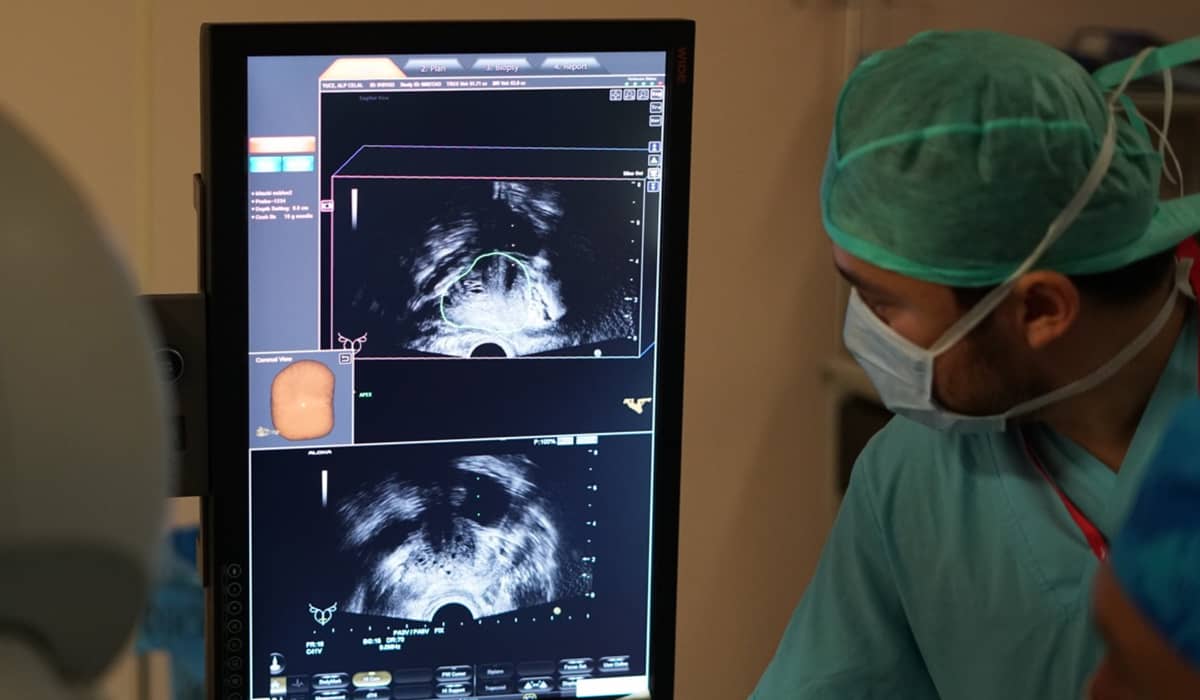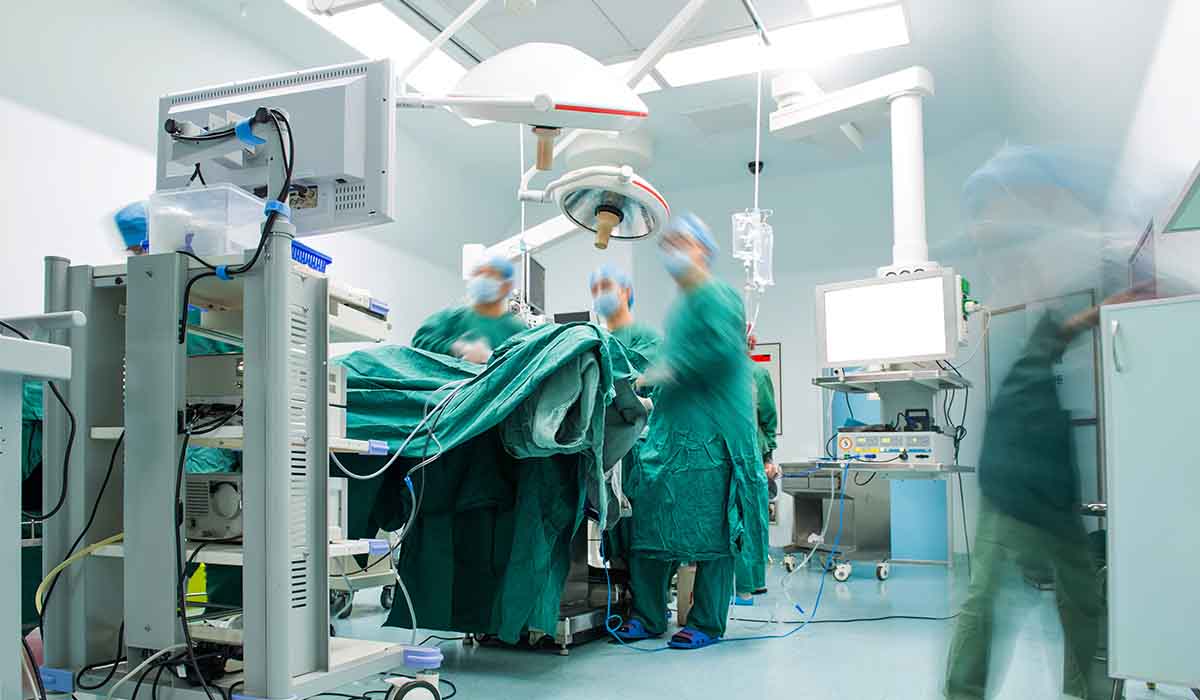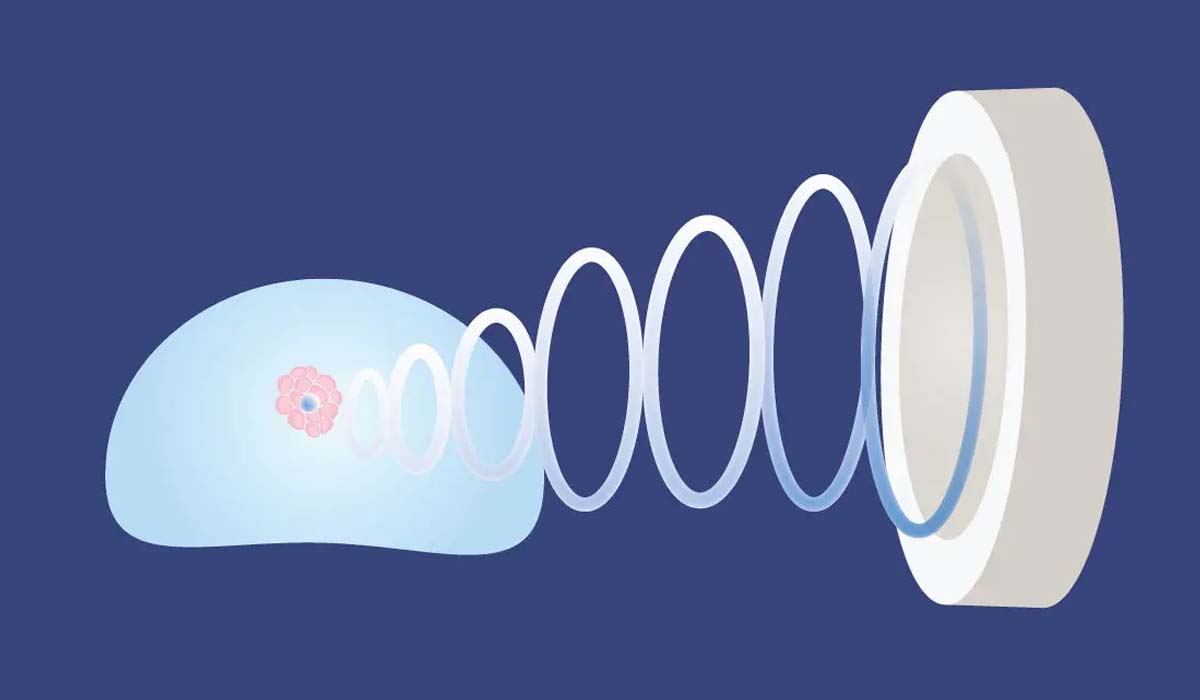
Many patients diagnosed with prostate cancer come to us with the same question: “Do we have to remove my whole prostate?” For some patients the answer to this question can now be “no”. Focal therapy targets not the whole prostate but only the area where the cancer is located. However, this approach is not suitable for everyone. In this article I explain in which patients we consider focal therapy first, in which patients we do not recommend it, and the scientific data on which we base this decision.
What Is Focal Therapy?
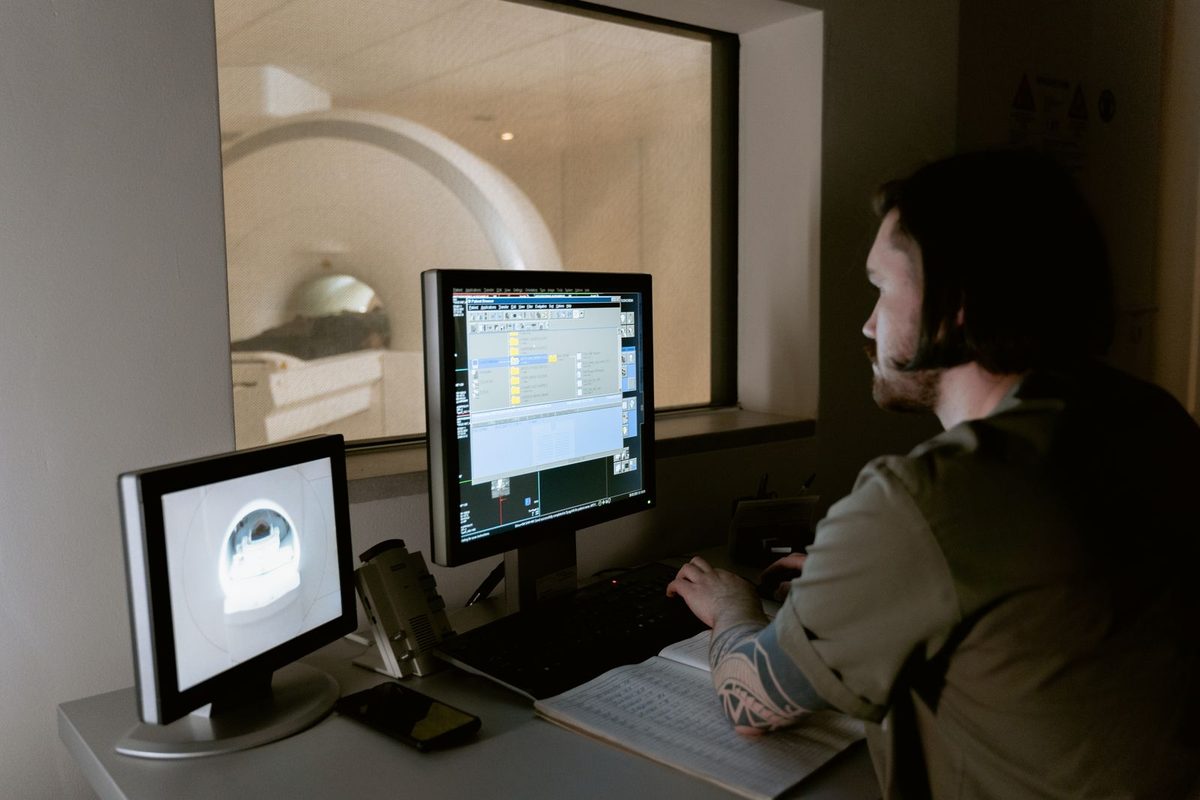
The traditional treatments for prostate cancer — radical prostatectomy and radiotherapy — treat the entire prostate. This approach is strong in terms of cancer control, but it can bring side effects such as urinary incontinence and erection problems.
Focal therapy works on a different logic. Today, thanks to multiparametric prostate MRI and MRI-guided targeted biopsy, we can see exactly where the cancer is located within the prostate. In focal therapy, only this area — together with a safety margin around it — is destroyed with energy; the healthy part of the prostate and the structures responsible for urinary control and sexual function are preserved.
The types of energy used are:
- HIFU (high-intensity focused ultrasound): Destroys the target tissue by heating it with sound waves. It is the method with the most extensive long-term data. For details, see our article on HIFU treatment for prostate cancer.
- Cryotherapy: Destroys the target tissue by freezing it. We describe the general principles of the method in our article what is cryotherapy.
- Vascular-targeted photodynamic therapy (VTP): Based on activating a light-sensitive drug given into a vein with a laser. It is the only focal method tested in a randomised trial.
- Irreversible electroporation (IRE): Acts by disrupting the cell membrane with an electric field. Data are still accumulating. This method is also known as NanoKnife.
The procedure is usually performed under general anaesthesia; most patients are discharged the same day or after one night.
In Which Patients Do We Consider Focal Therapy First?
Focal therapy is a “middle way” treatment: it makes sense for patients in whom active surveillance is not considered sufficient, but in whom treating the whole prostate is also not considered necessary. In the light of international consensus reports and current scientific data, in our clinic we consider focal therapy first in patients who have all of the following features:
- Intermediate-risk disease. Patients with a Gleason score of 3+4 (ISUP grade group 2) are the main candidates for focal therapy. In selected cases, if the tumour is limited and well defined, patients with Gleason 4+3 (grade group 3) may also be considered.
- A single, limited tumour focus visible on MRI. There must be a clear lesion on multiparametric MRI, and this lesion must be confirmed by biopsy. In a cancer whose target we cannot see, the focal approach loses its logic.
- A PSA value generally below 15–20 ng/mL.
- Disease confined to the prostate. There must be no significant extension beyond the capsule, no seminal vesicle involvement and no suspicion of lymph node involvement.
- A tumour in a treatable location. The lesion must be located where it can be safely reached with the energy to be used; for HIFU in particular, the size of the prostate and the front-to-back position of the lesion must be suitable.
- The patient's acceptance of close follow-up and, if necessary, retreatment. This is perhaps the most important criterion. After focal therapy, PSA monitoring, a control MRI and control biopsies at set intervals are required. Some patients may need a second focal session or, later on, treatment of the whole prostate. For a patient who cannot accept this from the outset, focal therapy is not the right choice.
In patients who meet these criteria, focal therapy offers a balanced option between the uncertainty of active surveillance and the side-effect burden of radical treatment. Demonstrating the location of the tumour and that the rest of the prostate is clean depends on a well-mapped biopsy; we discuss this in detail in our article why biopsy quality matters.
In Which Patients Do We Not Recommend Focal Therapy?
Honest medical practice also requires saying clearly whom a treatment is not suitable for.
- Low-risk disease (Gleason 3+3, low PSA, small tumour). In these patients, current scientific data show that active surveillance is safe. Treating a low-risk cancer with focal therapy is often an unnecessary intervention. Although the randomised VTP trial was carried out in this group, today we direct these patients primarily to active surveillance.
- High-risk disease. In patients with Gleason 8 or higher, PSA above 20 or suspected extension beyond the capsule, the disease often involves more than one area of the prostate and the risk of microscopic spread is high. In these patients, treatment of the whole prostate — mostly surgery, with additional treatments when needed — comes first.
- Widespread, multifocal disease within the prostate. If there is more than one significant tumour focus, treating them all focally means destroying most of the prostate; in this case the function-preserving advantage of the focal approach is lost.
- Cancer not visible on MRI. Focal therapy cannot be planned for a disease whose target we cannot see.
- Patients who cannot adhere to follow-up. In patients who cannot maintain a monitoring programme requiring regular control MRI and biopsy, focal therapy is not safe in the long term.
Scientific Evidence: What Do Randomised Trials Say?

When talking about focal therapy, the level of evidence must be stated accurately. To date, prospective randomised trials directly testing focal therapy are limited in number; most of the strongest long-term data come from large prospective follow-up cohorts.
PCM301: Focal therapy versus active surveillance
The only phase 3 randomised trial in the field of focal therapy is the PCM301 trial, conducted in 47 centres in Europe. 413 patients with low-risk prostate cancer were randomly assigned to vascular-targeted photodynamic therapy (VTP) or active surveillance.
- At two years, progression of the disease to a higher grade was 28% in the VTP group and 58% in the active surveillance group.
- The rate of no cancer on control biopsy was 49% in the VTP group and 14% in the active surveillance group.
- In the four-year extended follow-up, the rate of switching to whole-gland treatment (surgery or radiotherapy) was reported as 24% in the VTP group and 53% in the active surveillance group.
- At four years, metastasis-free and cancer-specific survival were similar and very high in both groups (99% and 100%).
This trial showed at a randomised level that focal therapy can control cancer locally and markedly delay the need for radical treatment. However, one limitation must be emphasised: the trial was carried out in low-risk patients, and today the standard approach for most of this group is active surveillance. In other words, PCM301 shows that focal therapy “works”, but the answer to the question “for whom should it be used” lies in the intermediate-risk group.
Focal versus radical treatment: why is a randomised comparison difficult?
Randomised trial designs directly comparing focal therapy with surgery or radiotherapy have been attempted. In the PART trial in the UK, intermediate-risk patients were randomly assigned to HIFU or radical prostatectomy; with 82 patients it was shown that randomisation was feasible, but the study did not become a large-scale outcome trial.
In the pilot phase of the more recent CHRONOS trial, an important reality emerged: random assignment between focal and radical treatment was not found feasible because of patient preferences. About one in five patients assigned to the radical treatment arm withdrew from the study; in the focal therapy arm this rate was much lower. Patients did not want the choice between the two treatments to be decided by lot. For this reason, a large randomised trial comparing focal and radical treatment is not expected to be completed in the near future; decisions are based on data from large prospective cohorts and matched comparisons.
Long-term results: 7–8 years of data
The most comprehensive data on the long-term safety of focal therapy come from multicentre HIFU cohorts in the UK.
| Data source | Number of patients | Follow-up | Main result |
|---|---|---|---|
| Multicentre focal HIFU cohort (Eur Urol 2018) | 625 (84% intermediate/high risk) | 5 years | Failure-free survival 88% · metastasis-free 98% · cancer-specific survival 100% · pad-free continence 98% |
| 15-year focal HIFU experience (Eur Urol 2022) | 1,379 | 7 years | Failure-free survival 69% (intermediate risk 68%, high risk 65%) · second focal session 18% · salvage treatment 7% · serious complications 0.5% |
| Focal therapy vs radical prostatectomy, matched (Prostate Cancer Prostatic Dis 2021) | 246 + 246 | 8 years | Freedom from radical/systemic treatment or metastasis: focal 83%, radical prostatectomy 79% (difference not significant) |
The matched comparison suggests that in correctly selected patients, focal therapy can give results close to radical surgery in terms of cancer control in the medium term; however, it carries the limitations of a non-randomised comparison.
The balanced conclusion to be drawn from these data is this: focal therapy is a safe and effective option in the correctly selected patient; however, about one in three patients needs additional treatment within seven years — mostly a second focal session. This is not a failure but part of the nature of the method, and it should be explained clearly to the patient from the outset. We compare how focal therapy is positioned alongside active surveillance and surgery in our article active surveillance, focal therapy and surgery: which path for which patient.
The Cost of Focal Therapy: What Do You Gain, What Do You Give Up?
Every treatment decision is a balance. In focal therapy this balance is struck as follows:
Benefits
- The rate of preserved urinary control is very high; in large series, pad use is around 2%.
- Preservation of erectile function is considerably more likely than with radical treatments.
- The hospital stay is short and the return to daily life is quick.
- The option of surgery or radiotherapy remains open when needed.
Costs
- The possibility of new cancer developing in the untreated part of the prostate remains; lifelong monitoring is therefore required.
- After treatment, PSA does not fall to zero as it does after surgery; interpreting follow-up requires experience.
- Control biopsies are required.
- Some patients need retreatment; salvage radical surgery is technically more difficult than surgery performed as the first operation and carries a higher risk of side effects.
- Results beyond 15 years have not yet matured to the same extent as those of radical treatments.
We share this picture openly with our patients. Focal therapy is not a way of “escaping surgery”; it is a conscious choice that makes sense in a specific group of patients with a specific discipline of follow-up.
How Is Follow-Up Done After Focal Therapy?
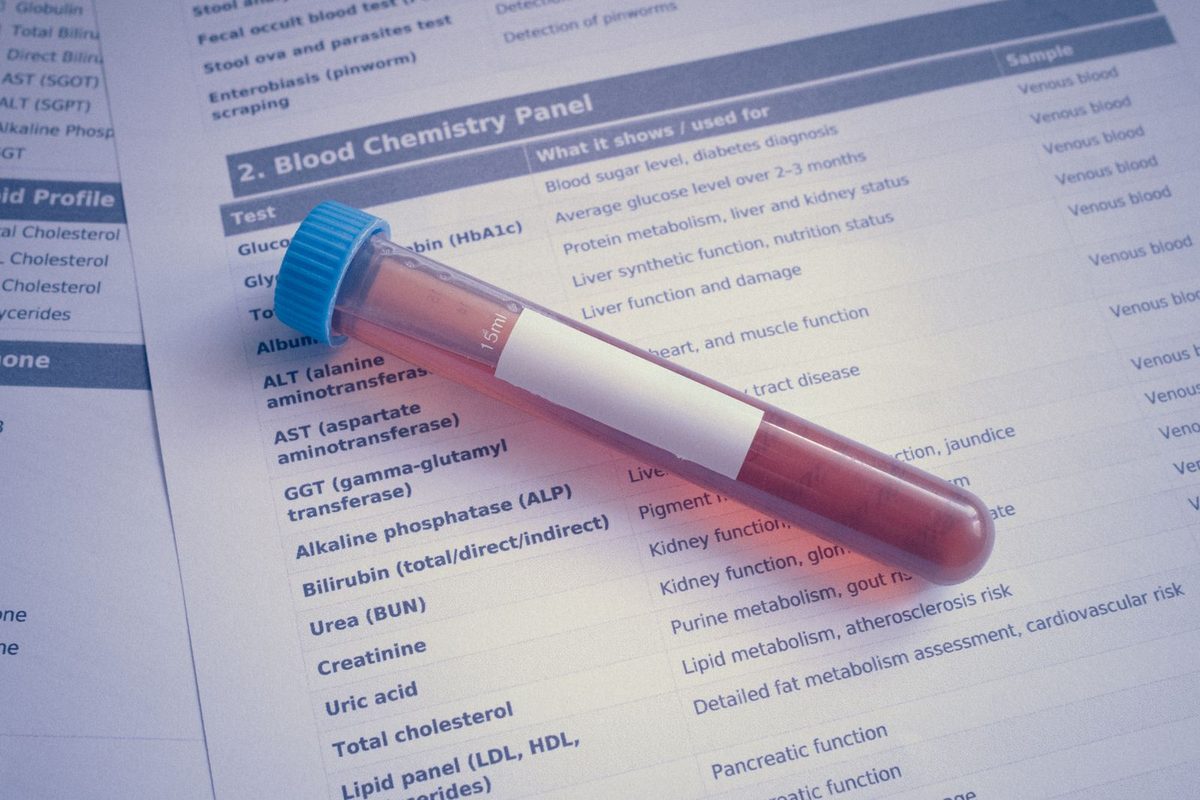
The success of focal therapy depends as much on the follow-up afterwards as on the treatment itself. The general framework we follow in our clinic is:
- PSA monitoring: Every 3 months in the first year, then every 6 months. PSA is expected to fall to a new baseline and stay at that level.
- Control MRI: The first control MRI 6–12 months after the procedure; then yearly or according to the PSA trend.
- Control biopsy: A control biopsy from the treated area and the rest of the prostate 12 months after the procedure; subsequent biopsies are planned according to MRI and PSA findings.
- Retreatment decision: If residual cancer is found in the treated area or new significant cancer in another part of the prostate, a second focal session or whole-gland treatment is evaluated together, depending on the patient's situation.
This programme is given to the patient in writing before treatment; the decision for focal therapy is made together with the decision to maintain this follow-up.
How Is the Decision for Focal Therapy Made in Our Clinic?

The decision for focal therapy is not made in a single consultation. The patient's MRI images are re-evaluated; the biopsy report is interpreted together with the MRI in terms of the location and grade of the tumour; if necessary, the targeted biopsy is repeated or completed. We learn about the patient's age, general health and priorities regarding sexual function and urinary control. In the light of all this information, we lay out the options of active surveillance, focal therapy and radical treatment — each with its benefits and costs — together with the patient.
We do not recommend focal therapy to a patient who is not suitable for it; for a patient who is suitable, we regard offering it as an option as our responsibility.
Frequently Asked Questions
Does focal therapy destroy the cancer completely?
It aims to destroy the targeted tumour focus. However, new cancer may develop over time in the untreated part of the prostate. For this reason, focal therapy makes sense together with regular follow-up.
Can I have surgery after focal therapy?
Yes. Radical prostatectomy or radiotherapy can be performed when needed. However, surgery after focal therapy can be technically more challenging than surgery performed as the first operation; this is something that should be discussed at the decision stage.
Which is better, HIFU or cryotherapy?
Both methods use different energy to destroy tissue. Which method is chosen depends on the location of the tumour within the prostate, the size of the prostate and the experience of the centre. The most extensive long-term data are available for HIFU.
Does PSA fall to zero after focal therapy?
No. Because part of the prostate tissue is preserved, PSA remains at a measurable level. What matters is that PSA falls to a new baseline and remains stable at that level.
Can focal therapy be used for low-risk cancer?
Technically it can, and the randomised trial was carried out in this group. However, current scientific data show that active surveillance is safe for most low-risk patients; for this reason, our first recommendation for low-risk patients is active surveillance.
Can focal therapy be used in patients whose cancer recurs after radiotherapy?
In selected patients, salvage focal therapy may be an option. This subject requires a separate assessment.
Let Us Review Your Reports
If you have been diagnosed with prostate cancer and would like to know whether focal therapy is a suitable option for you, you can send us your MRI images and biopsy report. After the Preliminary Assessment, we will arrange a consultation with you. Tel: +90 530 100 90 85
This article is for general information only and does not replace personal medical advice. Treatment decisions are made after an individual assessment with your doctor.
Clinical Note
This article was written and medically reviewed by Prof. Dr. Murat Binbay, a urologist with more than 25 years of experience and over 1,500 robotic operations. The assessments reflect current international guideline recommendations together with our own clinical practice.
The information here is for general guidance only. Because every patient's history, imaging findings and comorbidities differ, a treatment decision can only be made after an examination. You can reach us through our contact page, or read more about our physician on the about us page.
Sources
- Azzouzi AR et al. Padeliporfin vascular-targeted photodynamic therapy versus active surveillance in men with low-risk prostate cancer (CLIN1001 PCM301). Lancet Oncol 2017;18:181–191.
- Gill IS et al. Randomized trial of partial gland ablation with vascular targeted phototherapy versus active surveillance for low risk prostate cancer: extended followup. J Urol 2018.
- Hamdy FC et al. Partial ablation versus radical prostatectomy in intermediate-risk prostate cancer: the PART feasibility RCT. Health Technol Assess 2018;22(52):1–96.
- Reddy D et al. IP4-CHRONOS: a prospective, multi-centre therapeutic phase II parallel randomised control trial. Contemp Clin Trials 2020;93:105999; pilot results ASCO 2022.
- Guillaumier S et al. A multicentre study of 5-year outcomes following focal therapy in treating clinically significant nonmetastatic prostate cancer. Eur Urol 2018;74:422–429.
- Reddy D et al. Cancer control outcomes following focal therapy using HIFU in 1379 men with nonmetastatic prostate cancer: a multi-institute 15-year experience. Eur Urol 2022;81:407–413.
- Shah TT et al. Focal therapy compared to radical prostatectomy for non-metastatic prostate cancer: a propensity score-matched study. Prostate Cancer Prostatic Dis 2021;24:567–574.
Last reviewed: 8 October 2026 · Reviewed by: Prof. Dr. Murat Binbay, Urology and Robotic Surgery Specialist
Let Prof. Dr. Murat Binbay's team review your case
If you read this far, you probably have questions. Fill in the two-minute digital consultation form and we will get back to you within 24 hours.
- Answer within 24 hours
- Your data stays confidential

Yorumlar
Yorum Yazın
Henüz yorum yapılmamış. İlk yorumu siz yapın!