Date of publication: 21.02.2022 | Last updated: 05.02.2026
This content has been medically reviewed and updated by Prof. Dr. Murat Binbay.
"This content is for information purposes; diagnosis/treatment is planned through examination by a physician."
Robotic surgical systems are regarded as an important turning point in the transformation of surgical practice in the 21st century. The da Vinci robotic surgical systems, whose first clinical applications began in the early 2000s and which were developed by the company Intuitive (USA), have today become the most widespread and best-known platform of robotic surgery. Over the more than twenty years that have passed, the da Vinci platform has evolved into different generations in line with technological developments and has taken its place as a standard tool in many fields of surgery.
In the first years when robotic surgery entered clinical practice, certain technical debates came onto the agenda, particularly when compared with conventional surgery. Subjects such as "the absence of the sense of touch" and "control of the use of energy" were frequently voiced; however, these headings have over time been objectively assessed with scientific studies and clinical experience. At the point reached today, more than 8.5 million robotic surgical operations having been carried out worldwide has created a strong database in terms of the reliability and effectiveness of robotic surgery and patient outcomes.
In addition, with the end of the company Intuitive's long-lasting technological monopoly period, new robotic surgical systems developed by different companies have also begun to enter clinical use. This development has ensured that robotic surgery is not limited to a single platform only but has, thanks to competition and technological diversity, become a more accessible field open to development.
Areas of Use and Advantages of Robotic Surgery
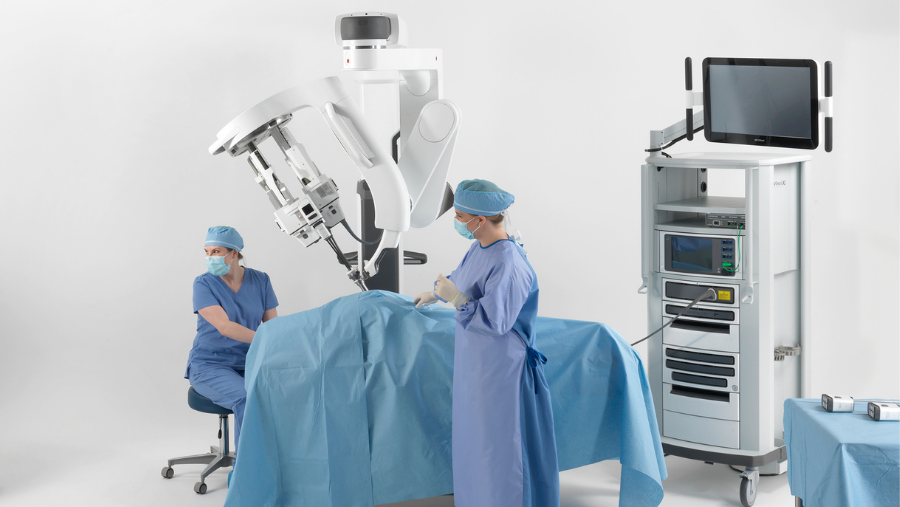
It is worth stating the following. None of the robotic surgical systems existing today and those that will come onto the market perform the operations by themselves. The surgeon carries out the operation by commanding the robot arms entering the patient's body by means of a console. Every stage of the operation is under the surgeon's control...
Robotic systems, by preventing hand tremor, make it possible to reach narrow areas that the human hand cannot reach with more dexterous instruments. And this work takes place through a few millimetric tubes.
Robotic surgical systems are used most in their operations by urology, obstetrics and gynaecology and general surgery specialists. Cardiovascular surgeons, thoracic surgeons and ENT specialists have also begun to use these systems at an increasing rate. There are also robotic surgical systems specific to them for orthopaedic and neurosurgeons. If a solution can be found to the high costs of robotic surgical systems, have no doubt that classic surgery will take its place in the dusty pages of history.
Let us introduce to you in all their details the new telemanipulator (telerobotic) robotic surgical systems that have entered and will enter the market.
Multi-Arm Robotic Systems Attached to a Single Operator Unit
The da Vinci robot (USA): it is the robotic surgical system that has marked the last 20 years and whose name has become identified with robotic surgery. This system has proven its effectiveness and reliability over millions of operations.
The system consists of 3 parts: the surgeon's control unit, the imaging tower and the operator unit. Its most current multi-arm model is the 'da Vinci Xi' model. The arms of the robotic surgery are compatible with 8 mm trocars. The arms have an articulation feature more dexterous than the wrist. For this reason sutures can be placed comfortably in the deepest parts of the body. The camera of the system provides the surgeon with a three-dimensional HD image. Consumables of the device such as scissors and needle holders are for 10 uses. After each surgery these materials are sterilised. The system has a fire-fly system allowing angiography to be performed during the operation.
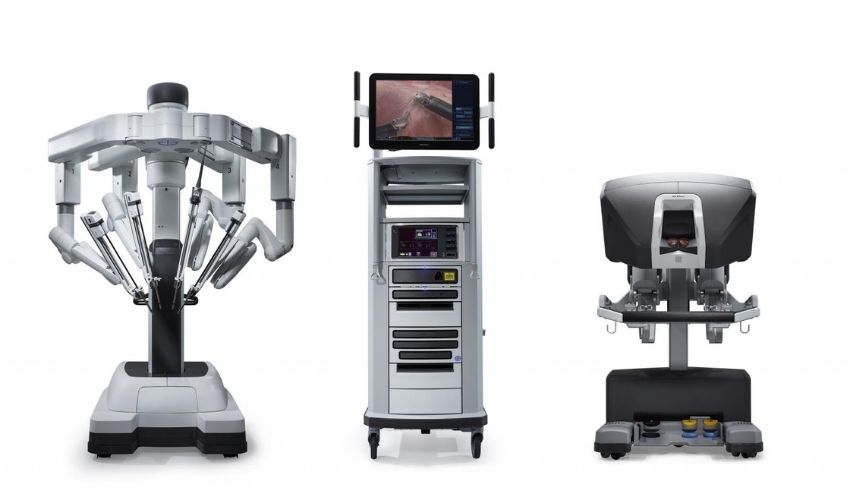
da Vinci Xi (Intuitive Surgical)
Avatera (Germany): the Avatera system consists of 2 parts: the surgeon's control unit and the operator unit. In the system the seat on which the surgeon will sit is integrated into the surgeon's control unit. The thickness of the robotic arms is compatible with 5 mm trocars.
The robot arms have an articulation feature more dexterous than the wrist. Instruments attached to the robot's arms such as scissors and needle holders are single-use. The imaging system is a QXGA system and provides an image above Full HD.
The Avatera system works much more quietly than other robots. Avatera received its CE certificate in November 2019. It is planned that this robotic system will be sold at half the price of other systems, at around 1.1 million dollars.
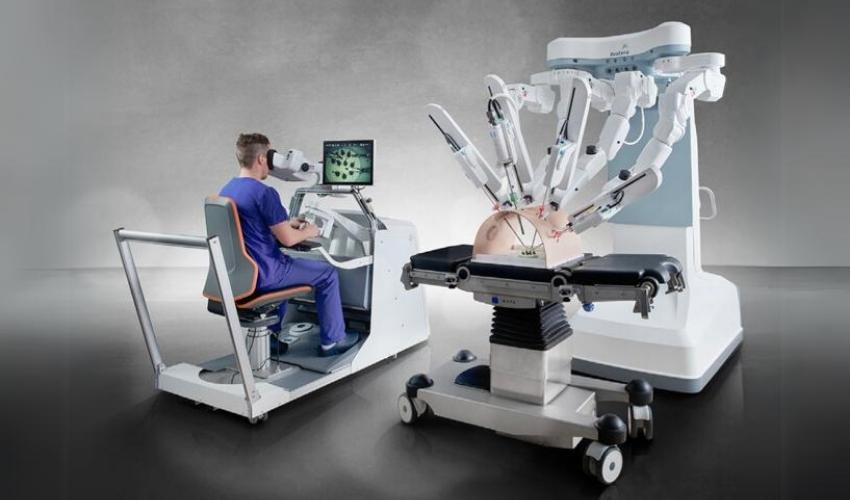
Avatera (Avateramedical GmbH)
Hinotori (Japan): the Hinotori robotic system shows similarity to the da Vinci system. The system consists of 3 parts: the surgeon's control unit, the imaging tower and the operator unit. All the arms are located on a single operator unit. The robot arms having 8 joints allows the arms to work in narrow areas without hitting one another. One of the advantages of the system is that it allows docking. That is, there is no need for the operator unit to be connected to the trocars on the patient. It is anticipated that this advantage will shorten the operation time. The arms have an articulation feature more dexterous than the wrist. The camera of the system provides the surgeon with a three-dimensional HD image.
The system received approval from the Japanese Ministry of Health in December 2020 and began to be used in hospitals in Japan. Sales of the system on the international market will begin in 2023.
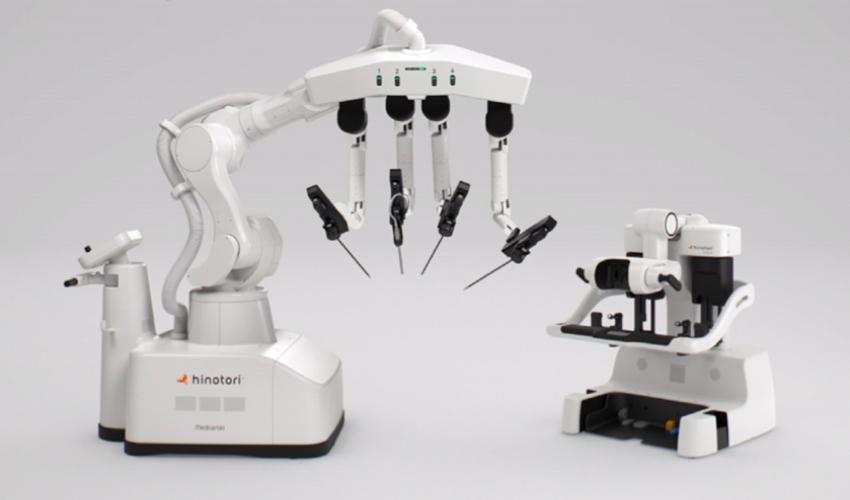
Hinotori (Medicaroid Corporation)
Revo-i (South Korea): this system is an exact copy of the old-generation (2008) da Vinci Si system. In 2018 this system received the Korean FDA approval. It is used in many hospitals in South Korea, Russia and Kazakhstan.
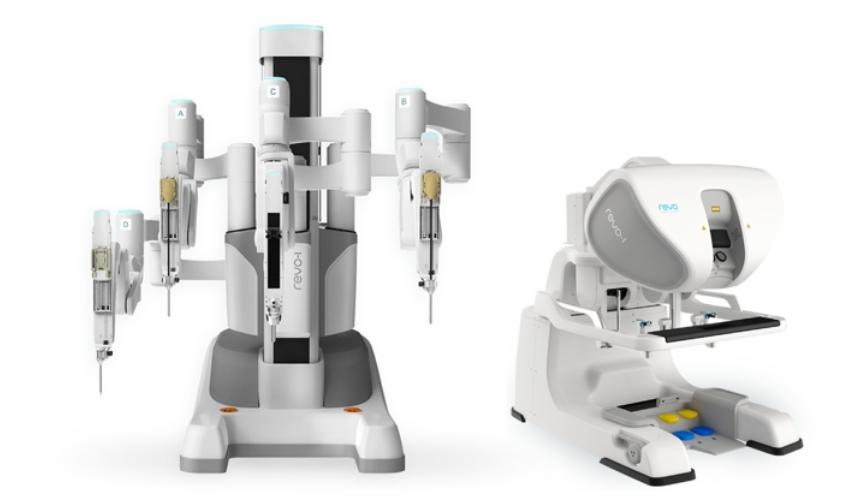
Revo-i (Revo Surgical)
Ottova (USA): this system, developed by Johnson & Johnson, has a machine learning function. One of the company's goals is to develop robotic systems that perform operations by themselves within the next 30-40 years.
In this system, unlike other systems, there is no unit on which the robotic arms are located. 6 robotic arms are integrated into the operating table. How so many arms work without hitting one another is a matter of curiosity. The harmonic scalpel and other energy platforms of the company Ethicon are in the instrument park of this system.
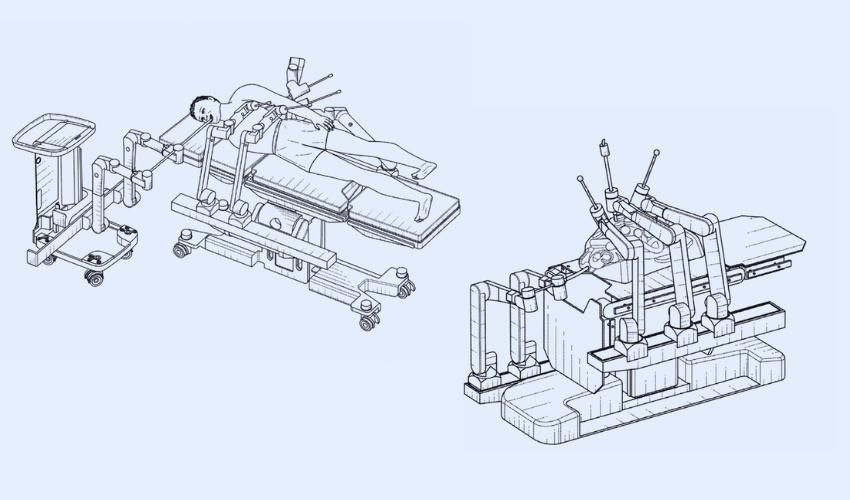
Ottova (Johnson & Johnson)
Multi-Arm Robotic Systems Each Attached to a Separate Operator Unit
Versius (United Kingdom): the Versius system received CE approval from the European Union in March 2019. The system provides the surgeon with a three-dimensional image by means of 3D glasses. An open console is used in the system.
The surgeon moves the robotic system using an instrument similar to a game control console. All control on the device is carried out from this controller. Unlike other robots there is no foot pedal at all. For this reason the surgeon can perform the operation sitting or standing. The thickness of the robotic arms is compatible with 5 mm trocars. The robotic arms have wrist capability.
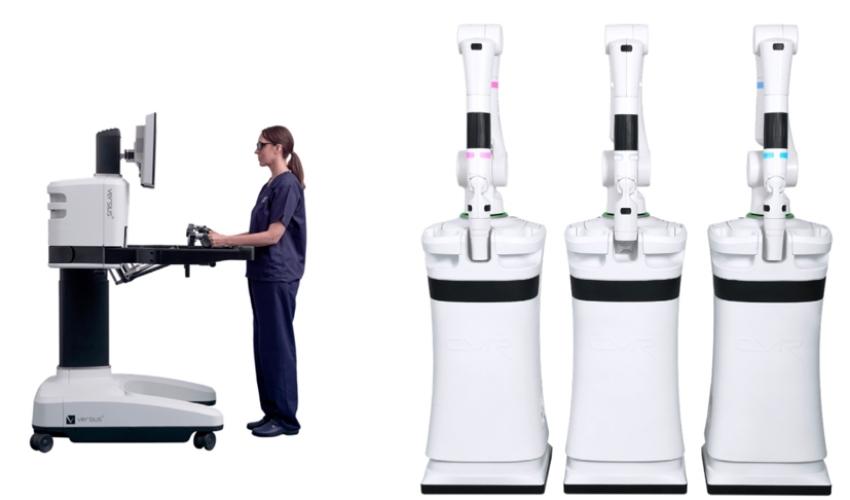
Versius (CMR Surgical)
Hugo (Ireland): the Hugo robotic system received CE approval from the European Union in October 2021. For the USA the system is still regarded as being at the experimental stage. The optical imaging of the system is provided by Karl-Storz. The system offers the user the energy sources (Ligasure) and staplers of the company Covidien in its standard instrument park.
The system has an open console. Surgeons wear 3D glasses and perform the operation under three-dimensional vision. The robotic arms have wrist capability.
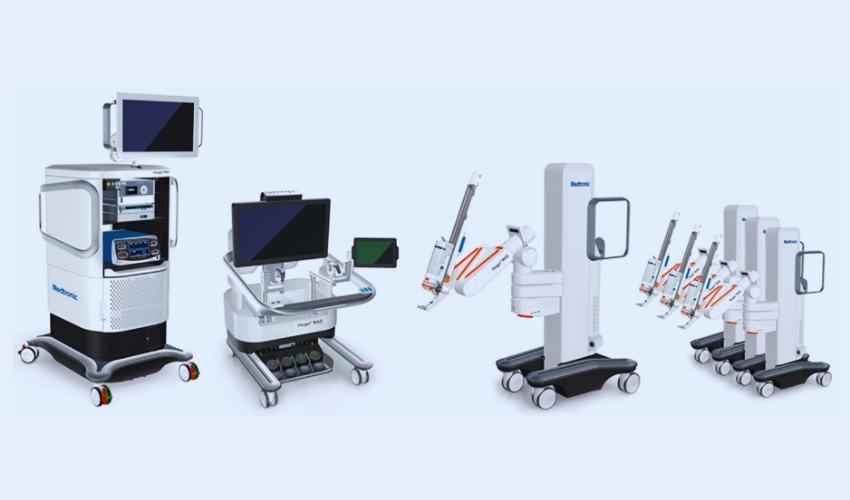
Hugo (Medtronic)
Senhance (USA): it is a system that received CE approval from the European Union in 2012 and FDA approval from the USA in 2017. This system has an open console. In the system with an open console, surgeons can see the operative field in two dimensions or in three dimensions by wearing 3D glasses.
The system has advantages such as haptic feedback (the sense of touch) and an eye-tracking system. Its consumable instruments can be used many times without creating an additional cost. The arms can be attached to standard trocars available on the market (another cost advantage).
The most important disadvantage of the system is that the robotic arms cannot perform wrist movements. That is, in this form we think it would not be wrong to assess the system as laparoscopy-forte. The other disadvantages of the system are that the operator arms are very large and take up a lot of space and that the procedure of connecting the robot arms to the patient (docking) takes a very long time.
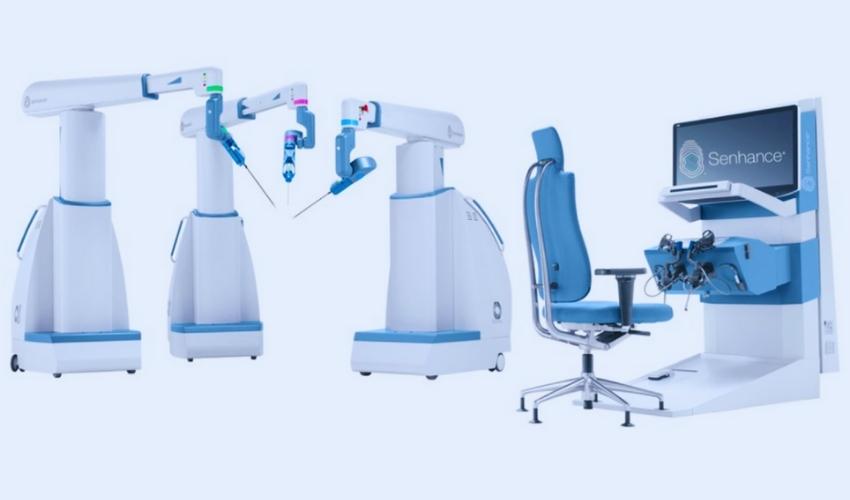
Senhance (Asensus Surgical)
Single-Arm (Port) Robotic Surgical Systems
da Vinci SP (USA): the da Vinci SP (Single Port) robotic surgical system, unlike classic multi-arm robotic platforms, is a new-generation robotic surgical technology that allows surgical procedures to be carried out through a single port (approximately 25 mm). After the system is placed inside the body it separates into one 3D, flexible camera and three surgical instruments with movement capability in seven planes. The entire surgical procedure is managed by the surgeon from a closed console accompanied by a high-resolution three-dimensional image.
The da Vinci SP system has been developed to increase manoeuvring capability particularly in narrow and deep anatomical areas (such as the pelvis, the retroperitoneal space, natural orifice surgery). Thanks to working from a single entry point, the number of skin incisions decreases and potentially less tissue trauma and better cosmetic results can be achieved.
The system received FDA approval in 2018; in clinical studies published in the literature it has been shown that, when appropriate patient selection is made, single-arm (single-port) robotic surgery provides similar surgical effectiveness and oncological safety to multi-arm robotic systems. Along with this, it is emphasised that this technology is not suitable for every patient and every surgery; that the surgeon's experience and the indication are decisive.
The da Vinci SP robotic surgical system has today begun to be actively used in Türkiye. The operations performed with this technology are carried out at Memorial Şişli Hospital under the leadership of Prof. Dr. Murat Binbay. The first clinical applications of single-port robotic surgery in Türkiye were also performed by Prof. Dr. Murat Binbay, and the system is used particularly in urological surgeries (selected prostate, kidney and upper urinary tract interventions).
Single-arm robotic surgery is regarded as an important step in the evolution of robotic surgery; however, it must not be forgotten that this approach is directly related to patient selection, the surgeon's experience and the centre's infrastructure.
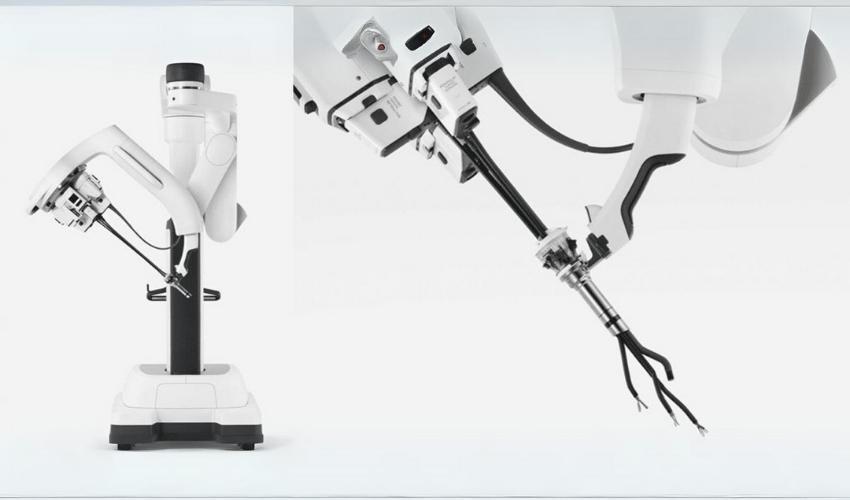
da Vinci SP (Intuitive Surgical)
Enos (Canada): this system was previously known by the name SPORT, but in 2020 the company made a name change and gave the system the name Enos. It is anticipated that Enos will begin studies on humans in 2023. The Enos single-port robotic system is used through a 25 mm trocar. The system is in the form of an open console. The system has one two-dimensional camera and one three-dimensional flexible camera. The automatic cleaning system of the cameras allows the image to be made clear without taking the system out of the body when the camera becomes dirty.
The movement of the system is carried out with the help of the bedside assistant.
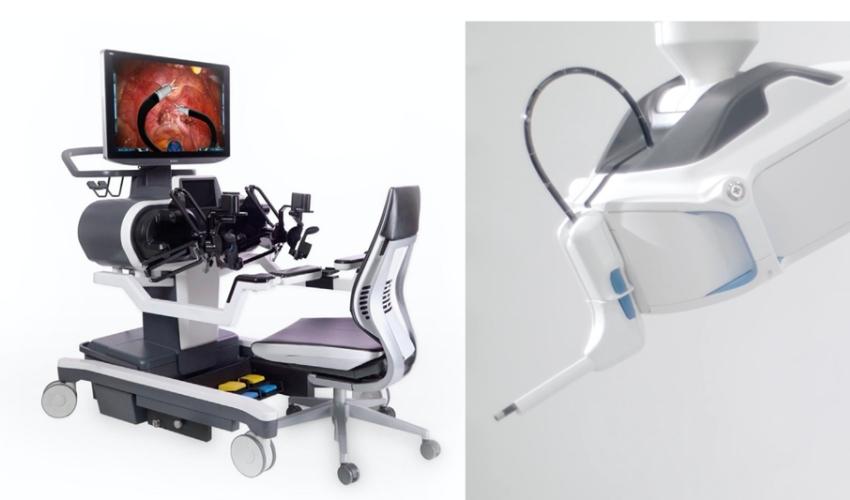
Enos (Titan Medical Inc.)
MIRA (USA): the system is a robot weighing only two kilos. This robot is mounted onto the operating table with a holding arm. The surgeon uses the robotic system at an open console with pistol-like grips.
The camera of the system automatically follows the surgeon's movements. This robotic system has a flexible camera and 2 surgical instruments movable in 7 planes. The system has a haptic feedback (sense of touch) feature.
The MIRA system is used by means of a smaller trocar than other single-port systems. Because this robot is small, it allows two different surgeons to operate on the same patient at the same time using 2 robotic systems. This robotic system received approval from the FDA in December 2021 to be able to begin human studies.
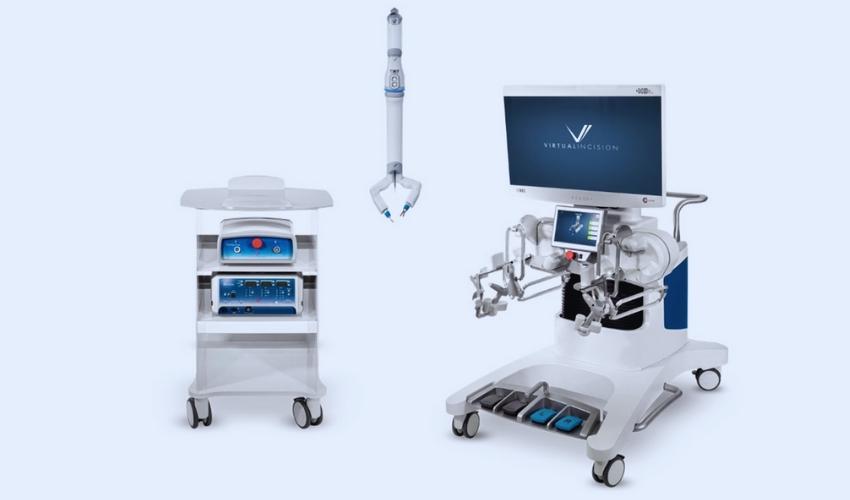
MIRA (Miniaturized In Vivo Robotic Assistant)
Clinical Note
This article was written and medically reviewed by Prof. Dr. Murat Binbay, a urologist with more than 25 years of experience and over 1,500 robotic operations. The assessments reflect current international guideline recommendations together with our own clinical practice.
The information here is for general guidance only. Because every patient's history, imaging findings and comorbidities differ, a treatment decision can only be made after an examination. You can reach us through our contact page, or read more about our physician on the about us page.
Sources
- European Association of Urology — Clinical Guidelines
- NIDDK (NIH) — Urologic Diseases
- Türk Üroloji Derneği — Güncel Kılavuzlar
Last reviewed: 8 September 2026 · Reviewed by: Prof. Dr. Murat Binbay, Urology and Robotic Surgery Specialist
Let Prof. Dr. Murat Binbay's team review your case
If you read this far, you probably have questions. Fill in the two-minute digital consultation form and we will get back to you within 24 hours.
- Answer within 24 hours
- Your data stays confidential

Urology and Robotic Surgery Specialist · 25+ years of experience
Last medically reviewed:
 Önceki Yazı
TUR-T Surgery in Bladder Cancer
Önceki Yazı
TUR-T Surgery in Bladder Cancer
 Sonraki Yazı
Bladder Stone Symptoms, Diagnosis and Treatment
Sonraki Yazı
Bladder Stone Symptoms, Diagnosis and Treatment
Yorumlar
Yorum Yazın
Henüz yorum yapılmamış. İlk yorumu siz yapın!