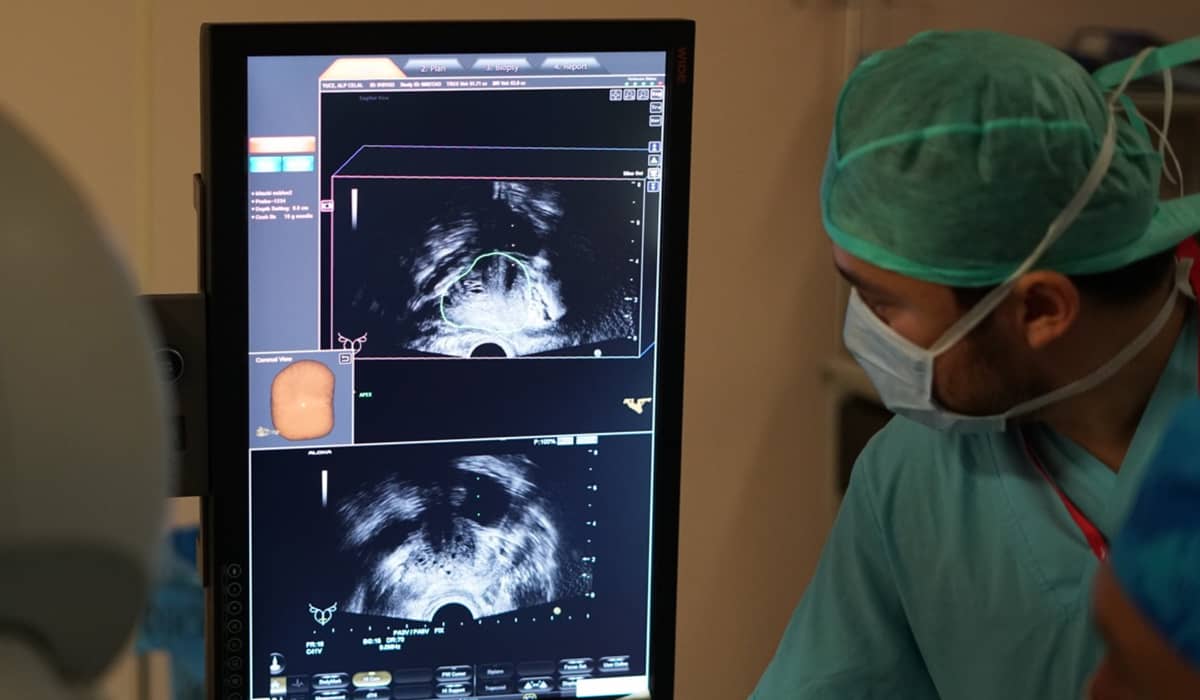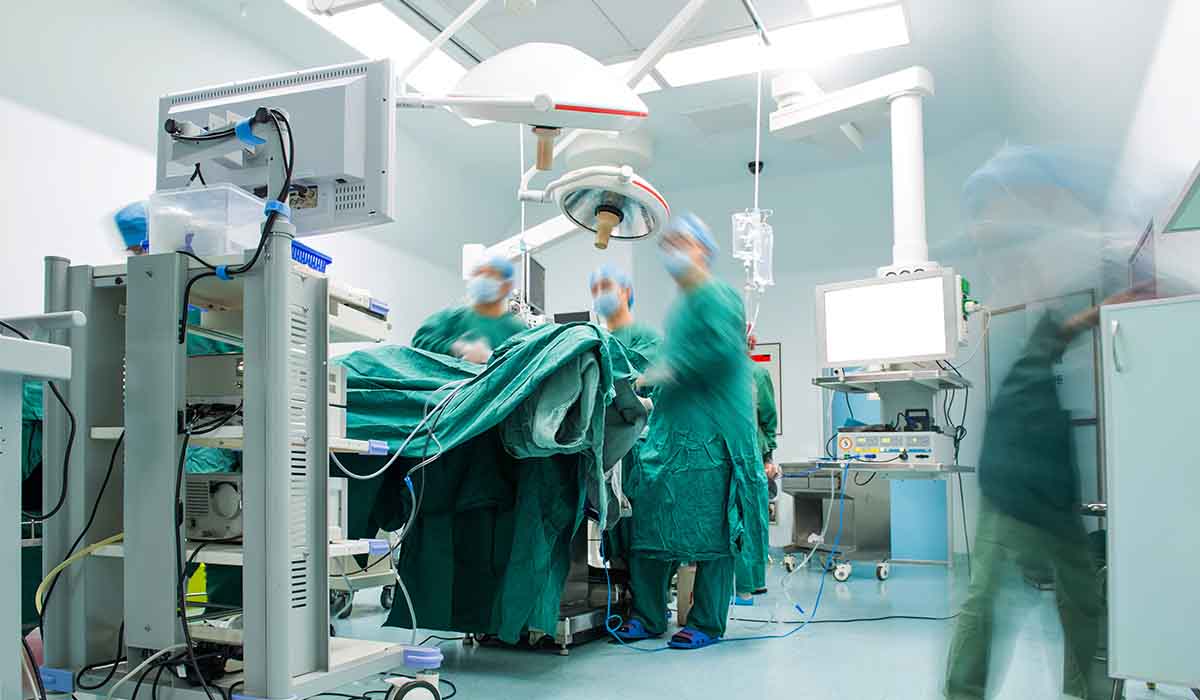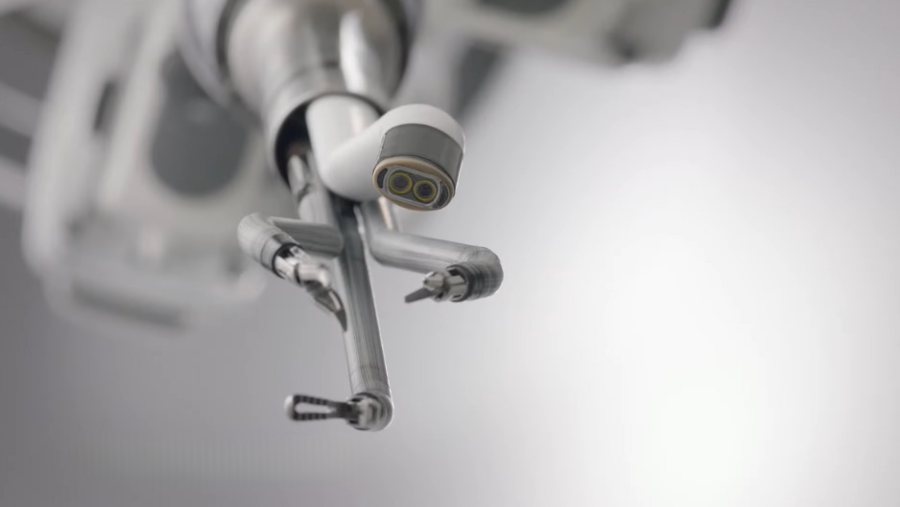
Robotic surgery has been an important turning point in the development of minimally invasive (closed) operations. Because it offers more advanced image quality, more precise instrument control and better manoeuvring possibilities in narrow anatomical areas compared with classic laparoscopy, it has found a wide area of use particularly in urology. In recent years single port robotic surgery has come to the fore as the next step of this technology.
The main idea of the "single port" approach is simple: unlike classic robotic surgery, which is entered through more than one small incision, it aims to complete the operation through a single entry point. In the right patient, with the right indication and with an experienced team, it carries the potential to reduce tissue trauma by decreasing the number of incisions, to make the recovery process easier and to improve the cosmetic result. For this reason you may also come across expressions such as "single-arm robotic surgery", "robotic surgery through a single hole" or "new-generation robotic surgery" in content.
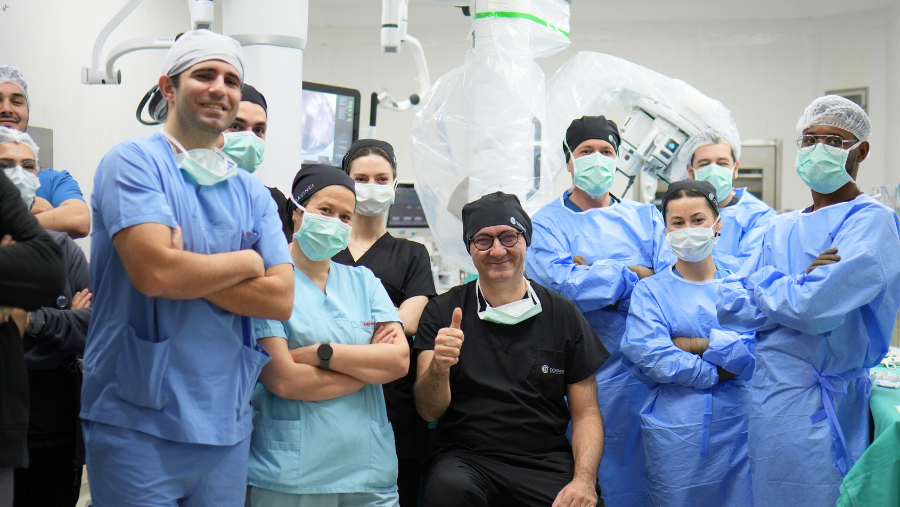
In Türkiye, clinical applications in the field of single port robotic surgery are becoming widespread in certain centres and in suitable patient groups. The operations carried out at Memorial Şişli Hospital under the leadership of Prof. Dr. Murat Binbay are among the examples contributing to the experience of the single port approach in our country.
What Is Single Port Robotic Surgery?
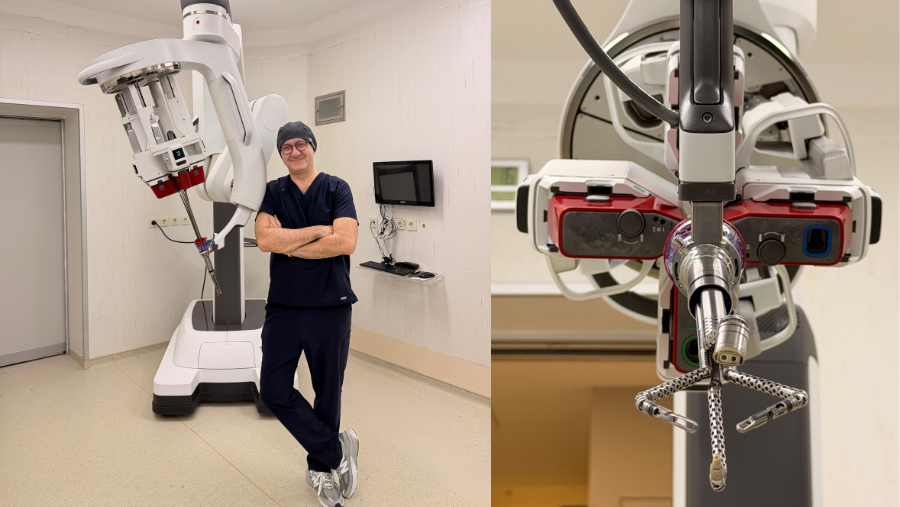
Single port robotic surgery is a robot-assisted surgical approach in which the surgeon controls the robotic system via a console and the greater part of the operation is carried out through a single port (a single entry site). The critical point here is this: the robot does not perform the operation; the robot is an advanced tool that transmits the surgeon's hand movements precisely. All decisions and all surgical steps belong to the surgeon.
In classic multiport robotic surgery, the camera and working instruments are generally placed into the abdomen through separate ports. In the single port approach, on the other hand, the camera and working instruments are directed from a single entry point under a more compact design. In this way the number of incisions can decrease in some cases.
In Which Fields Is Single Port Robotic Surgery Used?
The area of use of single port robotic surgery varies according to the patient's anatomy, the type of disease, the surgeon's experience and the centre's technical infrastructure. Today one of the most frequently discussed fields is urology. Along with this, in selected cases it can also be applied in different branches.
Areas of Use in Urology
In urology, single port robotic surgery is considered as an option that can support the minimally invasive approach particularly in narrow and complex anatomical regions. Although the areas of application can vary from centre to centre, in general they come onto the agenda under the following headings:
- Prostate surgery: in selected cases it can be planned with nerve-sparing surgical objectives.
- Kidney surgery: in the right patient it can be considered within the scope of kidney tumour surgery or certain reconstructive procedures.
- Benign prostatic hyperplasia: with the right indication and according to the centre's experience it can be considered as an alternative to robotic methods.
- Certain strictures in paediatric urology: it can come onto the agenda in selected reconstructive interventions.
Use Outside Urology
The single port approach can also be considered in certain operations in fields such as obstetrics and gynaecology, general surgery, ear, nose and throat and thoracic surgery, depending on patient selection and indication. What is decisive here is the type of operation, the route of access and the technical suitability of the single port platform.
The Prominent Advantages of Single Port Robotic Surgery
The advantages of single port robotic surgery may not be seen at the same level and in the same way in every patient. Nevertheless, with the right indication the following potential gains stand out:
The Aim of Less Tissue Trauma With Fewer Incisions
The single entry point approach, because it can reduce the number of incisions, carries the potential to increase postoperative comfort in some patients. This forms the basis of the aim of "less trauma". However, even if the number of incisions decreases, the scope of the operation performed is still decisive.
Pain and the Recovery Process
A decrease in the number of incisions can in some cases make postoperative pain control easier and shorten the time taken to return to daily life. However, the same result is not expected in every patient; the level of pain and recovery are closely related to the patient's general condition and the nature of the operation.
Cosmetic Result
The single-incision approach can provide an advantage in terms of reducing the visibility of the scar. This subject may come onto the agenda particularly in patients with aesthetic concerns.
Manoeuvring and Imaging in Narrow Areas
The magnified image and precise movement capability provided by robotic platforms can make surgical dissection easier in narrow anatomical areas. In single port platforms, this capability is combined with the aim of working effectively from a single entry point.
Is Single Port Robotic Surgery Suitable for Every Patient
No. Patient selection is the most critical component of this approach. The single port approach is not the "best option" in every operation or in every patient. The decision is made with many parameters such as the type of disease, the location and extent of the tumour (if there is one), the operations the patient has previously undergone, body structure, additional diseases and the centre's experience.
A brief reminder: the expression "single port" does not always mean "better". But in the right patient, with the right planning, it can be a very powerful option.
Is the Robot Performing the Operation
No. Both in robotic surgery and in single port robotic surgery, it is the surgeon who performs the operation. The robot is a technological platform that filters the surgeon's hand movements, provides a magnified and high-quality image and offers precise instrument control. For this reason the main elements determining the results are the surgeon's experience, team coordination, the right indication and the right patient selection.
The Experience of Single Port Robotic Surgery in Türkiye
Single port robotic surgery is a new-generation approach that has begun to be applied in certain centres in Türkiye. The operations carried out at Memorial Şişli Hospital under the leadership of Prof. Dr. Murat Binbay constitute an example of the clinical applications of single port robotic surgery in our country. The aim in this process is to advance the comfort and surgical quality objectives of minimally invasive surgery in suitable patients.
Within the scope of single port robotic surgery, more than 15 robotic radical prostatectomy operations have been successfully carried out by Prof. Dr. Murat Binbay. In this early-period clinical experience, in all of the cases the operation was completed without the use of a drain and no need for intensive care arose in the patients.
These results show that with appropriate patient selection and an experienced surgical team, single port robotic surgery can be applied safely. Along with this, as in every surgical intervention, patient characteristics, tumour stage and accompanying diseases can affect the results. For this reason the suitability of the single port approach must be assessed separately for each patient.
Frequently Asked Questions
What is the fundamental difference between single port robotic surgery and classic robotic surgery?
The fundamental difference is the number of entries through which the camera and instruments are placed and the platform design. While classic robotic surgery mostly uses more than one port, the single port approach aims to work from a single entry point. Which method is more appropriate varies according to the patient and the operation.
Does robotic surgery through a single hole eliminate pain completely?
A definite expression such as "it eliminates pain completely" is not correct. In some patients pain may be less; however, the level of pain varies from person to person and according to the scope of the procedure performed. The aim is generally to reduce pain and make recovery easier.
In which patients can single port robotic surgery be preferred?
Suitability is assessed with the type of operation, the characteristics of the disease, the patient's anatomy, their previous operations and the centre's experience. For this reason the decision must be personalised together with examination and investigations.
Is robotic surgery safe?
Robotic surgery is a minimally invasive surgical method widely used with appropriate patient selection and in experienced teams. Safety depends on the patient's clinical condition, the type of operation and the experience of the surgical team.
Can single-arm robotic surgery be used in urological cancers?
In selected cases robotic platforms can be used in urological cancer surgeries. The single port approach can also be considered within this framework, according to the centre's experience and the patient's suitability. A physician's assessment is required for a clear decision.
How long does the recovery time take?
The recovery time varies according to the type of operation performed, the patient's general state of health and the postoperative process. For this reason, rather than giving "a single duration", it is more correct for your physician to share a personalised prediction for you.
How do I reach correct information about single port robotic surgery?
The most correct source is the recommendations of the urology specialist assessing you and the centre's clinical experience. Content on the internet can be informative; however, the treatment decision must without fail be based on examination and investigations.
Clinical Note
This article was written and medically reviewed by Prof. Dr. Murat Binbay, a urologist with more than 25 years of experience and over 1,500 robotic operations. The assessments reflect current international guideline recommendations together with our own clinical practice.
The information here is for general guidance only. Because every patient's history, imaging findings and comorbidities differ, a treatment decision can only be made after an examination. You can reach us through our contact page, or read more about our physician on the about us page.
Sources
- European Association of Urology — Clinical Guidelines
- NIDDK (NIH) — Urologic Diseases
- Türk Üroloji Derneği — Güncel Kılavuzlar
Last reviewed: 8 September 2026 · Reviewed by: Prof. Dr. Murat Binbay, Urology and Robotic Surgery Specialist
Let Prof. Dr. Murat Binbay's team review your case
If you read this far, you probably have questions. Fill in the two-minute digital consultation form and we will get back to you within 24 hours.
- Answer within 24 hours
- Your data stays confidential

Urology and Robotic Surgery Specialist · 25+ years of experience
Last medically reviewed:
 Önceki Yazı
Single-Arm Robotic Surgery Applied for the First Time in Türkiye
Önceki Yazı
Single-Arm Robotic Surgery Applied for the First Time in Türkiye
 Sonraki Yazı
A New Era in Metastatic Prostate Cancer
Sonraki Yazı
A New Era in Metastatic Prostate Cancer
Yorumlar
Yorum Yazın
Henüz yorum yapılmamış. İlk yorumu siz yapın!