A ureteral stone is a stone that forms in the kidney, falls down into the ureter and becomes lodged there. The ureter is the tube that takes urine from the kidney to the bladder.
A ureteral stone is called the accumulation of kidney stones in the urinary tract. The stones in the kidney change position over time. During this change of position these stones come into the urinary tract and, accumulating there, form a ureteral stone.
When the mineral and salt levels in your urine are high, stones can form in the urinary system. Urinary stones can be made up of uric acid, calcium, phosphate or oxalate crystals.
The Causes of Ureteral Stone Formation
Today the number of people with the complaint of a ureteral stone is quite high. Although the cause of this disorder has not been found exactly, it is thought to arise from low fluid consumption. However, thanks to plentiful fluid consumption ureteral stones can be expelled.
Particularly in the summer months, because of sweating the body loses more water than in the winter months, and for this reason greater fluid intake in the summer months will make it easier for stones that may constitute a threat to be expelled from the body through the urinary tract.
What Increases the Risk of a Ureteral Stone?
Not taking in enough fluid every day is in itself a cause of ureteral stone formation.
Following a particular type of diet also constitutes a risk. For example, those who adopt a diet high in meat or salt are at higher risk for a ureteral stone.
People who eat foods high in oxalate are also at high risk. Among foods high in oxalate are nuts, chocolate, coffee and green leafy vegetables.
If you have a family member with a ureteral stone, it means you are at risk.
Some other risk factors are as follows:
- obesity, kidney or bowel disease
- high blood pressure
- gout
- metabolic disorders
- a lack of citrate in the urine
The Symptoms of a Ureteral Stone
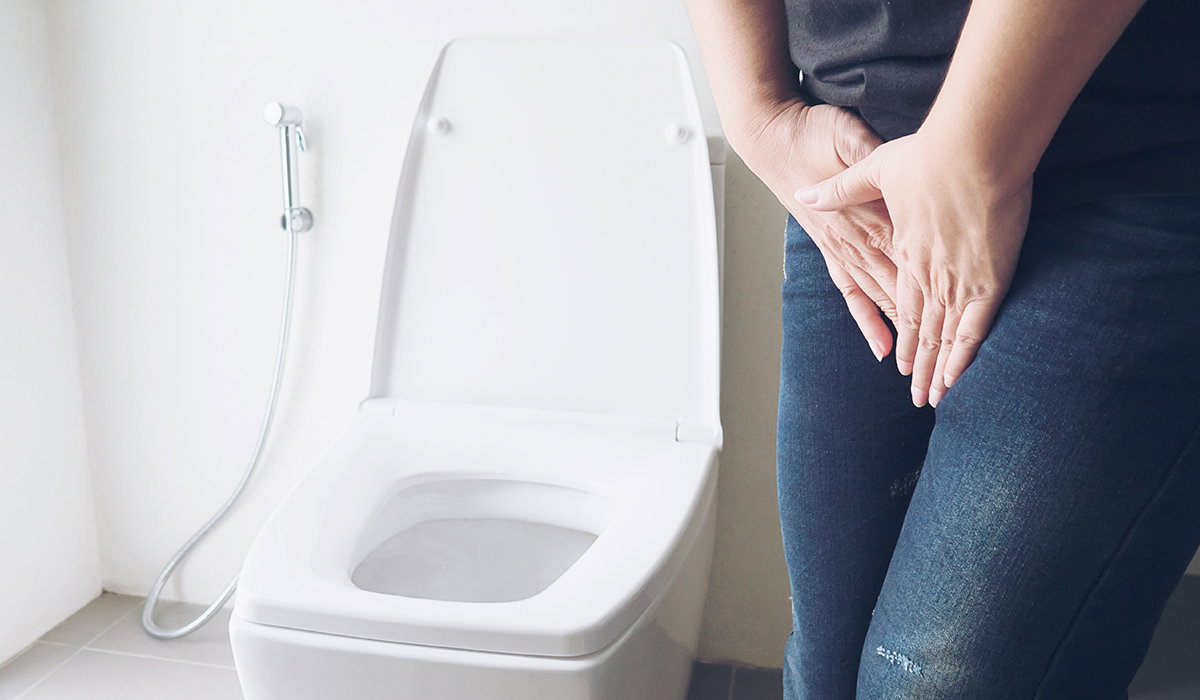
In a patient with the disorder of a ureteral stone, pain occurs in the abdominal and groin region. Depending on the density of the accumulated stone, an increase in the pain may be seen. Depending on this situation, a visible amount of blood may be seen in the patient's urine.
Sometimes this amount of blood can be seen only with microscopic examination.
In the symptoms of a ureteral stone, alongside pain, nausea, vomiting and difficulties when urinating occur.
The Diagnosis of a Ureteral Stone
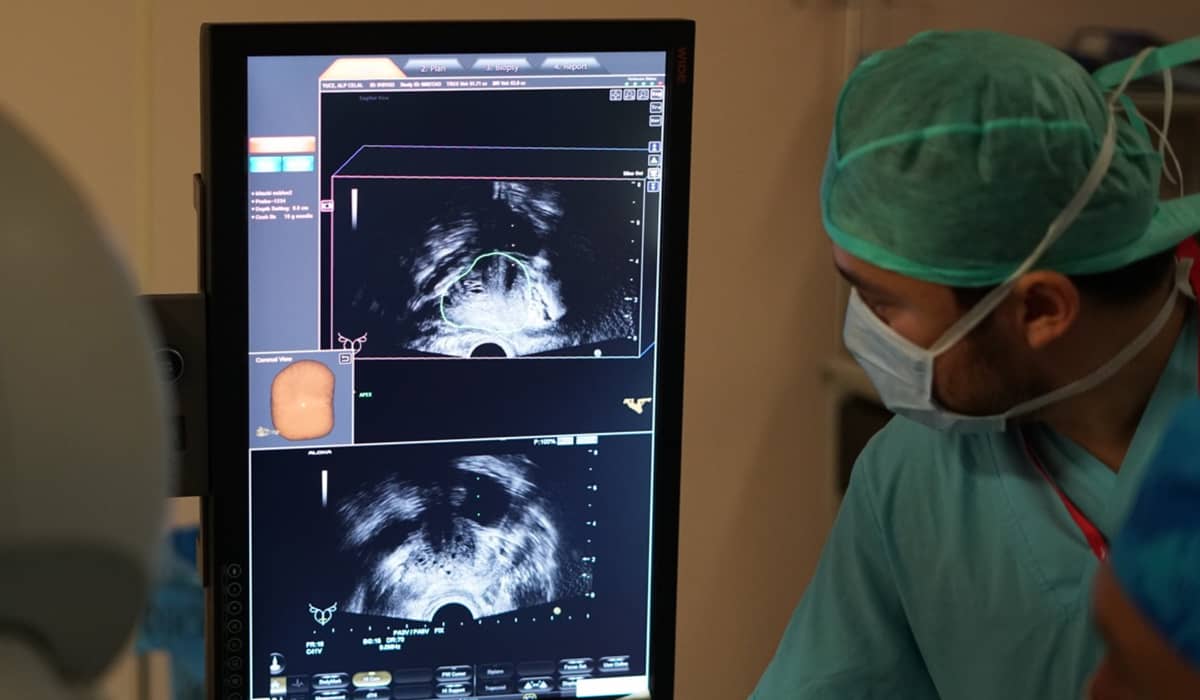
If there is blood in the urine, urine tests can show ureteral stones. At the same time, high amounts of stone-forming substances such as uric acid are also important in detection. Blood tests show how well your kidneys are working. In addition, they can also be used to check the levels of calcium or uric acid in the blood. An X-ray or CT scan can be performed for your kidneys, ureters and bladder.
Ureteral Stone Treatment
Ureteral stones forming in the urinary tract can generally be expelled from the body with the urine on their own. For stones that cannot be expelled spontaneously, drug treatment can be used to enable the patient to expel the ureteral stones from the body again through the urinary tract.
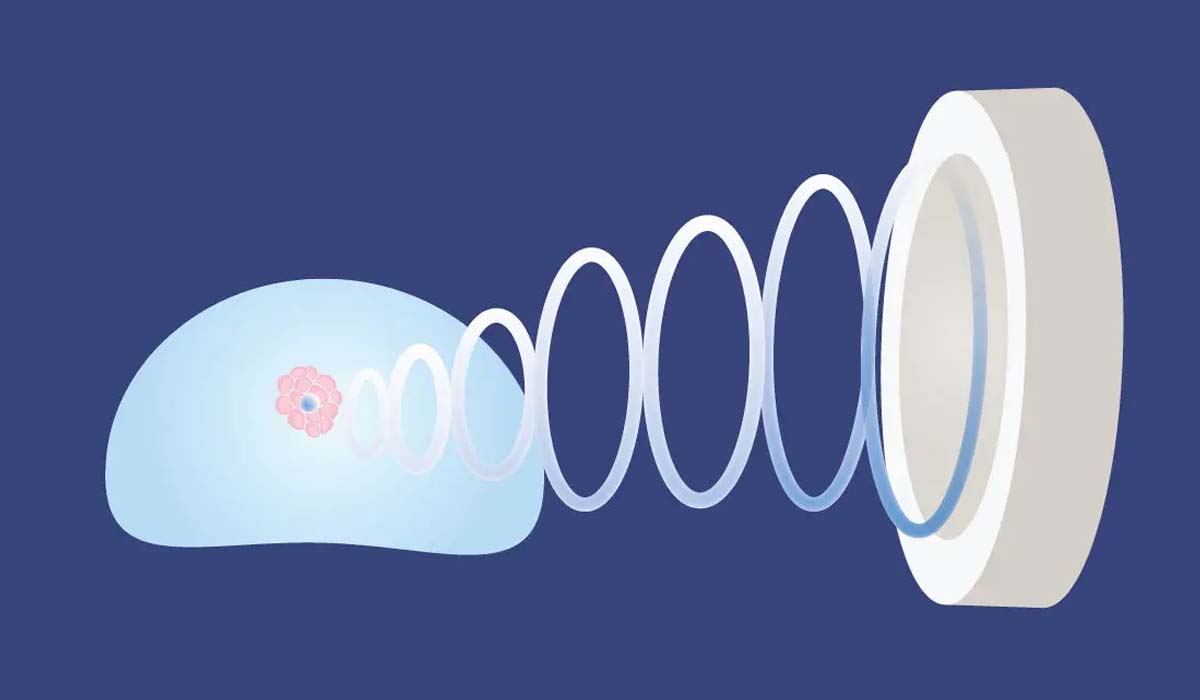
Because ureteral stones larger than 5 mm cannot be expelled from the body spontaneously or with medicinal support, they can be expelled from the body with the aid of ESWL (stone breaking), ESWL (breaking stones with shock waves), endoscopic (closed) or open surgical interventions. During the treatment process and after the treatment process, the patient consuming plenty of fluid is important for their health.
The Differences Between a Kidney Stone and a Ureteral Stone
Cleaning waste substances in the blood is the fundamental duty of the kidney. The kidney filters an average of 180 litres of blood and at the end of this process an average of 1.5 litres of urine emerges. In this filtering process, kidney stones occur as a result of the calcium (Ca) accumulating in the urine.
The change of position of kidney stones also forms ureteral stones in the urinary tract.
Situations in which ESWL is not recommended
- Situations in which the stone cannot be expelled from the body because of its size
- Pregnancy
- Aneurysm
- High blood pressure
- Certain infection situations
- The stone being of a harder structure than it appears
- The risk of uncontrolled bleeding
When a patient feels pain in the kidney region, they need to consult their physician as soon as possible.
Clinical Note
This article was written and medically reviewed by Prof. Dr. Murat Binbay, a urologist with more than 25 years of experience and over 1,500 robotic operations. The assessments reflect current international guideline recommendations together with our own clinical practice.
The information here is for general guidance only. Because every patient's history, imaging findings and comorbidities differ, a treatment decision can only be made after an examination. You can reach us through our contact page, or read more about our physician on the about us page.
Sources
Last reviewed: 8 September 2026 · Reviewed by: Prof. Dr. Murat Binbay, Urology and Robotic Surgery Specialist
Let Prof. Dr. Murat Binbay's team review your case
If you read this far, you probably have questions. Fill in the two-minute digital consultation form and we will get back to you within 24 hours.
- Answer within 24 hours
- Your data stays confidential

Urology and Robotic Surgery Specialist · 25+ years of experience
Last medically reviewed:
 Önceki Yazı
Penile Implant Applications in the Treatment of Erectile Dysfunction
Önceki Yazı
Penile Implant Applications in the Treatment of Erectile Dysfunction
 Sonraki Yazı
What Is Chlamydia?
Sonraki Yazı
What Is Chlamydia?
Yorumlar
Yorum Yazın
Henüz yorum yapılmamış. İlk yorumu siz yapın!