Last updated: 13.10.2026
This content has been medically reviewed and updated by Prof. Dr. Murat Binbay.
“This content is for informational purposes only; diagnosis and treatment are planned after a medical examination.”
A new bladder (neobladder) is a bladder made from the patient's own small intestine after the bladder has been removed because of bladder cancer. It is also called an “orthotopic neobladder”. With this method, the patient can pass urine through the normal route without a bag attached to the abdomen.
After radical cystectomy, in which the bladder is removed, a new route is needed for urine to be stored and leave the body. A neobladder is one of these routes and is created in the same operation in which the bladder is removed. We explain which operation is performed for which bladder cancer patient in detail on our bladder cancer surgery page.
What Is a Neobladder?
When bladder cancer has reached the muscle layer of the bladder, or in high-risk superficial tumours that keep recurring despite treatment, the standard treatment is removal of the bladder. In tumours that have invaded the muscle, the risk of the cancer spreading to the lymph nodes and distant organs rises markedly, so treatment should not be delayed.
This operation is called radical cystectomy. In men the bladder, prostate and seminal vesicles, and in women usually the bladder, uterus, ovaries and part of the vagina are removed, together with the pelvic lymph nodes in both sexes. A new bladder can then be made from the intestine to replace the removed bladder.
How Is a Neobladder Made?
- Taking the bowel segment: A segment of about 45–50 cm is separated from the last part of the small intestine. The remaining ends of the bowel are stitched together to restore bowel continuity.
- Shaping the pouch: The separated segment is opened lengthwise, folded over on itself and stitched into a spherical pouch. This shape allows more urine to be stored at low pressure.
- Connecting the ureters: The two ureters coming from the kidneys are connected to the new bladder.
- Connecting to the urethra: The lower end of the new bladder is stitched to the urethra. This allows urine to be passed through the normal route.
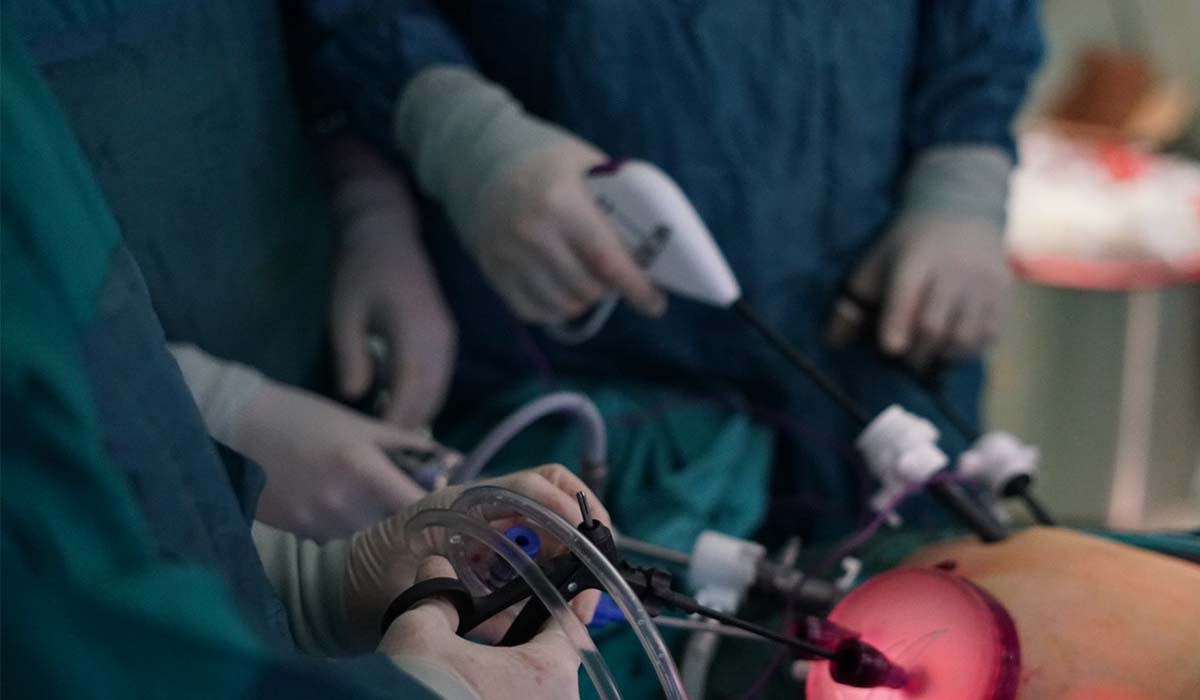
These steps can be performed inside the abdomen through small holes with robotic surgery. Including removal of the bladder, lymph node dissection and creation of the neobladder, the operation takes about 8 hours.
Who Is a Neobladder Suitable For?
| Suitable patients | Patients for whom it may not be suitable |
|---|---|
| No tumour in the urethra or bladder neck | Tumour in the urethra or a high risk of tumour there |
| Adequate kidney function | Markedly impaired kidney function |
| Able to follow a regular voiding schedule and to self-catheterise if needed | Unable to follow this programme because of manual dexterity or cognitive status |
| General health suitable for a long operation | Serious bowel disease or a large part of the bowel previously removed |
For patients who are not suitable, the most common alternative is an ileal conduit (stoma with a bag). Which method suits you is decided together, based on the extent of the cancer, your general health and your preference.
Advantages of a Neobladder
- No external bag: Urine is passed through the normal route; there is no opening (stoma) or bag on the abdomen.
- Body image and social life: Patients can dress, exercise and continue their social life without worrying about a bag.
- A lasting solution: Because it is made from the patient's own bowel tissue, it has no fixed lifespan. However, regular emptying, adequate fluid intake and periodic check-ups are needed.
Living with a Neobladder: What You Need to Know
- Voiding training: A neobladder does not contract; urine is passed by gently tightening the abdominal muscles and relaxing the pelvic floor. After the catheter is removed, the bladder is emptied at set times. The interval, initially every few hours, increases to up to 4 hours as the bladder expands.
- Leakage: Daytime leakage occurs in about 4% of patients. At night, because the pelvic muscles relax during sleep, leakage may occur in about 20–30% of patients; getting up once at night with an alarm to empty the bladder reduces this.
- Incomplete emptying: In some patients the neobladder does not empty completely, and it may occasionally need to be emptied with a thin catheter.
- Mucus: Bowel tissue continues to produce mucus; mucus in the urine is normal. Drinking plenty of fluids helps it pass.
- Blood salt balance: Because bowel tissue can reabsorb some substances from urine, the blood's acid-base and salt balance is checked regularly and corrected with medication if needed.
- Follow-up: Imaging for cancer follow-up, kidney function tests and vitamin B12 levels are checked regularly.
How Do Patients Pass Urine After the Bladder Is Removed?
After the bladder is removed, two main methods are used for urine to leave the body:
| Ileal conduit (stoma with a bag) | Neobladder (orthotopic new bladder) | |
|---|---|---|
| How is it made? | The two ureters are connected to one end of a 12–15 cm segment of small intestine; the other end is brought out through the skin of the abdomen (stoma) | A new bladder is made from 45–50 cm of small intestine and connected to the urethra |
| How is urine passed? | Urine flows continuously into a bag stuck to the skin; the bag is emptied as it fills | Through the normal route, via the urethra |
| External bag | Yes; changed on average every 2–3 days | None |
| Operation time | Shorter | Longer |
| For whom? | Older patients, those with low kidney function or at risk of tumour in the urethra | Patients who meet the criteria and do not want a bag |
The ileal conduit is the most widely used method worldwide and a reliable one. A neobladder is the first-choice method in suitable patients because it allows a life without a bag. The small intestine is usually used for a neobladder; in some techniques the large intestine may also be used.
Frequently Asked Questions
How long does neobladder surgery take?
Including removal of the bladder, lymph node dissection and creation of the neobladder, robotic surgery takes about 8 hours.
Can you pass urine normally with a neobladder?
Yes. Urine is passed through the urethra by the normal route. However, because a neobladder does not contract, urine is passed with the help of the abdominal muscles and a timed emptying schedule is followed.
How many days will I stay in hospital after neobladder surgery?
After robotic surgery, patients usually stay in hospital for 5–6 days. A catheter remains in place for a few weeks while the new bladder heals.
Does a neobladder cause urine leakage?
Daytime leakage occurs in about 4% of patients. Night-time leakage may occur in about 20–30% of patients; getting up once at night to empty the bladder reduces this problem.
Does a neobladder have a lifespan?
Because a neobladder is made from the patient's own tissue, it has no fixed lifespan. With regular emptying, adequate fluid intake and periodic check-ups, it can function well for many years.
You can read about our patients' experiences on the bladder cancer patient reviews page.
Clinical Note
This article was prepared and medically reviewed by Prof. Dr. Murat Binbay, who has more than 25 years of experience in urology and more than 1,500 robotic operations. The assessments in the text reflect current international guideline recommendations together with the practice in our clinic.
The information here is for general information only. Because every patient's history, imaging findings and other medical conditions are different, treatment decisions can only be made after an examination. For your questions, you can reach us through our contact page.
References
- European Association of Urology — Muscle-invasive and Metastatic Bladder Cancer Guidelines
- European Association of Urology — Non-muscle-invasive Bladder Cancer Guidelines
- National Cancer Institute (NIH) — Bladder Cancer
Last reviewed: 13 October 2026 · Reviewed by: Prof. Dr. Murat Binbay, Urology and Robotic Surgery Specialist
Let Prof. Dr. Murat Binbay's team review your case
If you read this far, you probably have questions. Fill in the two-minute digital consultation form and we will get back to you within 24 hours.
- Answer within 24 hours
- Your data stays confidential

Urology and Robotic Surgery Specialist · 25+ years of experience
Last medically reviewed:
Yorumlar
Yorum Yazın
Henüz yorum yapılmamış. İlk yorumu siz yapın!