Prostate inflammation (prostatitis) is the clinical condition that emerges with the inflammation of the prostate gland and the surrounding tissues.
It is known as a young person's disease but can be seen in men of every age group. Its frequency is greater in the 20-49 age range and over the age of 70.
Not all prostate inflammations require treatment. In some types of inflammation treatment may not be needed.
How Does Prostate Inflammation (Prostatitis) Develop?
Prostate inflammation generally develops with sexually transmitted bacteria or bacteria in the urinary tract reaching the prostate.
The other causes of inflammation of the prostate gland are medical interventions performed on the urinary tract, inflammations occurring in the large intestine or the anal region, or inflammations created by bacteria reaching the prostate through the blood.
What Are the Symptoms of Prostate Inflammation?
Prostate inflammation can show the following symptoms in patients, depending on the site affected by the inflammation.
- urinary tract obstruction,
- frequent urination,
- burning when urinating,
- fever,
- muscle pain,
- erection problems,
- painful ejaculation,
- pain spreading to the groin and the anal region
Types of Prostatitis (Prostate Inflammation)
Inflammation of the prostate can be seen in 4 different clinical forms.
Acute bacterial prostatitis: this is a noisier picture compared with the other clinical conditions. Patients' complaints begin suddenly. The microbes have spread through the body, and fever and chills are seen. Its treatment is firstly intravenous antibiotic treatment and afterwards oral antibiotic treatment for a period of 2-4 weeks. Rarely an abscess can form in the prostate tissue; in this situation the abscess must be drained surgically.
Chronic bacterial prostatitis: it is seen more frequently than acute bacterial prostatitis. The inflammation is limited to the prostate tissue and frequently causes urinary tract infections. In treatment, oral antibiotic treatment is applied for 4-8 weeks. In the urine culture and prostate massage cultures performed there is bacterial growth.
Chronic abacterial prostatitis and chronic pelvic pain syndrome: this clinical condition is itself divided into two. Most prostate inflammation patients are in this group; at the same time it is the most complex group and the most difficult to treat. In both types there is no bacterial growth in the urine culture and prostate massage cultures performed!!!
-
- The type in which there are only inflammatory cells without microbes (inflammatory type): these patients may benefit from antibiotic treatment.
- The type in which there is pain in the pelvic region without microbes and inflammatory cells (non-inflammatory type): these patients generally do not benefit from antibiotic treatment.
In these patients treatments aimed at the complaints are carried out. Patients may benefit from antibiotics, anti-inflammatory medicines and alpha blocker medicines. Alternative medicine treatments and acupuncture are also being tried in patients in this group.
Asymptomatic inflammatory prostatitis: this is the presence of inflammatory cells and bacteria in the prostate fluid and semen without any complaint. These patients normally do not need treatment. These patients require antibiotic treatment before an intervention aimed at their urinary tract or prostate.
Recommendations for Prostatitis Patients
- Keeping the feet warm,
- Not being exposed to cold,
- Staying away from alcohol and spicy foods,
- Not becoming constipated,
- Recommendations such as a warm sitz bath increase the quality of life of these patients.
Prostatitis Treatment
In prostatitis treatment a treatment option is determined according to the type of inflammation.
In chronic prostatitis, in the case of bacterial prostatitis, oral antibiotic treatment is applied.
In cases of recurrent inflammation, antibiotic treatment requiring 6 months of continuity is received. When oral treatment does not give results, various medicines are administered intravenously.
Alongside antibiotics, anti-inflammatory and painkilling supplements can be used.
If the prostatitis has advanced and is causing obstructions in the urinary tract, the option of treatment with a surgical method is assessed.
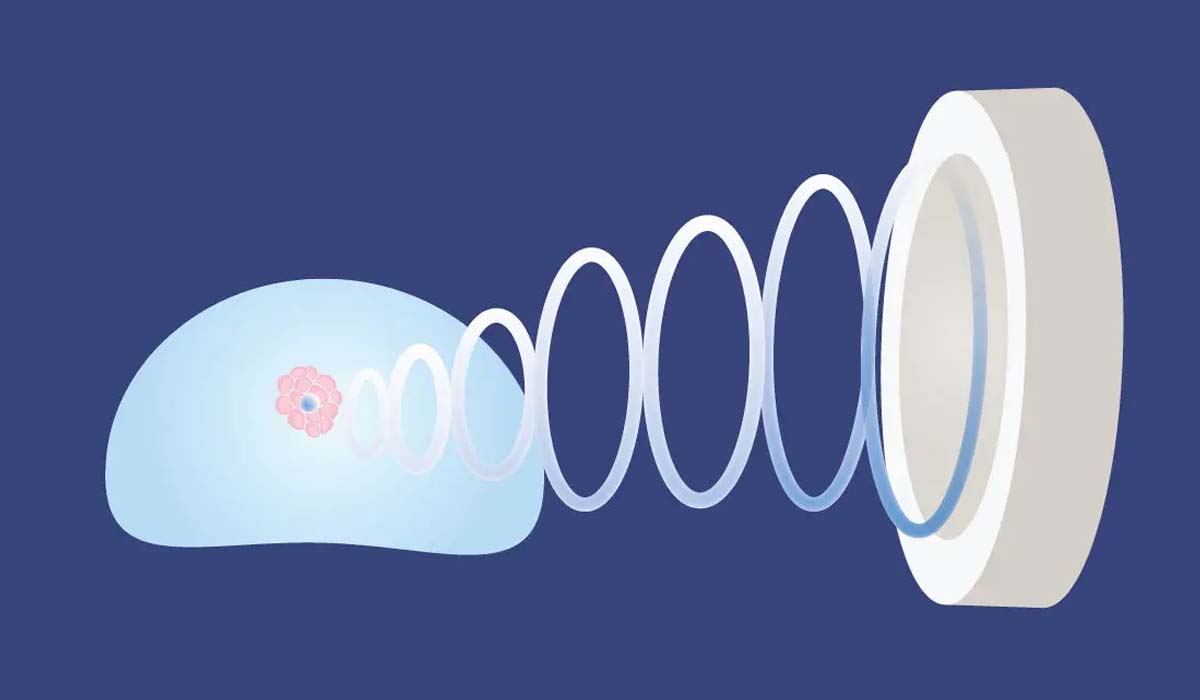
With TUMT, that is transurethral microwave treatment, advanced and aggressive prostatitis treatment can be applied. In the application of TUMT, the enlarged parts of the prostate are shrunk with focused microwave energy.
Clinical Note
This article was written and medically reviewed by Prof. Dr. Murat Binbay, a urologist with more than 25 years of experience and over 1,500 robotic operations. The assessments reflect current international guideline recommendations together with our own clinical practice.
The information here is for general guidance only. Because every patient's history, imaging findings and comorbidities differ, a treatment decision can only be made after an examination. You can reach us through our contact page, or read more about our physician on the about us page.
Sources
- NIDDK (NIH) — Prostatitis: Inflammation of the Prostate
- European Association of Urology — Urological Infections Guidelines
Last reviewed: 8 September 2026 · Reviewed by: Prof. Dr. Murat Binbay, Urology and Robotic Surgery Specialist
Let Prof. Dr. Murat Binbay's team review your case
If you read this far, you probably have questions. Fill in the two-minute digital consultation form and we will get back to you within 24 hours.
- Answer within 24 hours
- Your data stays confidential

Urology and Robotic Surgery Specialist · 25+ years of experience
Last medically reviewed:

Yorumlar
Yorum Yazın
Henüz yorum yapılmamış. İlk yorumu siz yapın!