Published: 18.04.2021 | Last updated: 11.10.2026
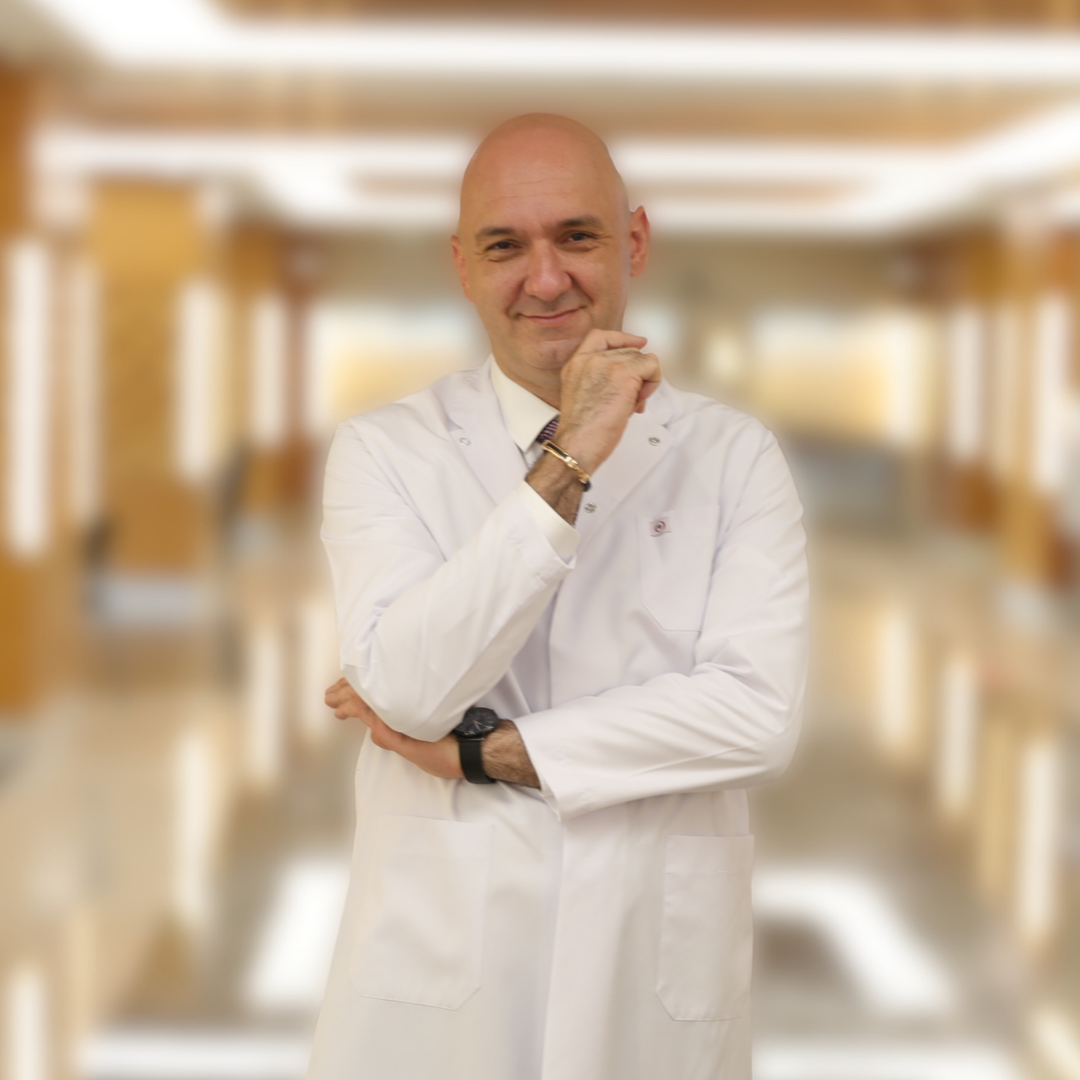
This content has been medically reviewed and updated by Prof. Dr. Murat Binbay. The outcome data on this page are based on approximately 1,300 robotic prostatectomies as of October 2026.
“This content is for informational purposes only; diagnosis and treatment are planned after a medical examination.”
In prostate cancer surgery (radical prostatectomy), the entire prostate gland is removed together with the seminal vesicles and, when necessary, the surrounding lymph nodes. For cancer confined to the prostate, the goal is to remove the cancer completely while preserving urinary control and erectile function as much as possible. Today, most of these operations are performed with robotic surgery through a few small incisions in the abdomen.
On this page we explain who the operation is suitable for, how robotic, laparoscopic and open techniques differ, how long the surgery takes, the results for urinary continence and erections, and what recovery looks like. The figures we share are Prof. Dr. Murat Binbay's current results from approximately 1,300 robotic prostatectomies.
Prostate Cancer Surgery at a Glance
Robotic radical prostatectomy can be performed with two different robotic systems: the multiport system, which works through several small incisions, and the single-port system, which works through a single incision.
| Multiport robotic | Single-port robotic | |
|---|---|---|
| Incisions | 5–6 holes of about 1 cm in the abdomen | One small incision |
| Operation time | Average 112 min (±23 min) | Average 153 min (±17 min) |
| Average blood loss | 90 cc | 70 cc |
| Urinary catheter | 6 days | 6 days |
| Hospital stay | 2–3 days | 1–2 days |
| Return to daily life | Desk work in 2–3 weeks | Desk work in 2–3 weeks |
The times in the table cover the surgery itself, from start to finish. Including anaesthesia, preparation and waking up, the patient spends about one more hour in the operating theatre. The values are Prof. Dr. Murat Binbay's current clinical data as of October 2026.
Who Needs Prostate Cancer Surgery?
Surgery is a curative treatment option for patients whose cancer is confined to the prostate or extends just beyond it, but has not spread to distant organs. The decision is made by evaluating the PSA level, the Gleason (ISUP) grade on biopsy, MRI and, if necessary, PSMA PET findings, together with the patient's age and general health.
| Risk group | Typical features | Role of surgery |
|---|---|---|
| Low risk | PSA <10, Gleason 6 (ISUP 1), small tumour | Active surveillance is recommended first for most patients; surgery or focal therapy in selected patients |
| Intermediate risk | PSA 10–20 or Gleason 7 (ISUP 2–3) | Surgery is the most commonly recommended curative treatment; radiotherapy is an alternative |
| High risk | PSA >20 or Gleason 8–10 (ISUP 4–5) or extension beyond the prostate | Surgery with lymph node removal in selected patients, combined with additional treatments if necessary |
| Metastatic disease | Spread to distant organs | Drug and hormone therapies come first; surgery is usually not the first option |
Is there an age limit? There is no strict age limit for surgery. What matters more than age itself is general health and life expectancy. In general, surgery is recommended for patients with a life expectancy of more than 10 years who are healthy enough for the operation. For older patients or those with other serious conditions, radiotherapy or monitoring may be more appropriate.
For detailed information about the disease itself, diagnosis and staging, see our prostate cancer page.
Surgery, Radiotherapy or Active Surveillance?
There is more than one treatment option for cancer confined to the prostate. The choice is made together, based on the cancer's risk group, the patient's age and their preferences.
| Robotic surgery | Radiotherapy | Active surveillance | |
|---|---|---|---|
| For whom? | Healthy patients with intermediate or selected high-risk cancer | Patients who do not want surgery or whose surgical risk is high | Low-risk, slow-growing cancers |
| Treatment duration | A single operation, 1–3 days in hospital | Usually sessions over several weeks, sometimes with hormone therapy | Regular PSA, MRI and, if needed, biopsy |
| Final pathology | The whole prostate is examined and the stage is confirmed | Not available | Not available |
| Follow-up | PSA is expected to fall to an undetectable level; any rise is easy to spot | PSA falls slowly and is harder to interpret | If the disease progresses, surgery or radiotherapy follows |
| Main side effects | Temporary urinary leakage, erectile problems | Bladder and bowel symptoms, erectile problems over time | No treatment-related side effects; requires anxiety management and regular check-ups |
| Later options | Radiotherapy can be given after surgery if needed | Surgery after radiotherapy is technically difficult | All options remain open |
For non-surgical options in suitable patients, see our articles on HIFU and focal therapy.
Robotic vs Laparoscopic vs Open Prostate Cancer Surgery
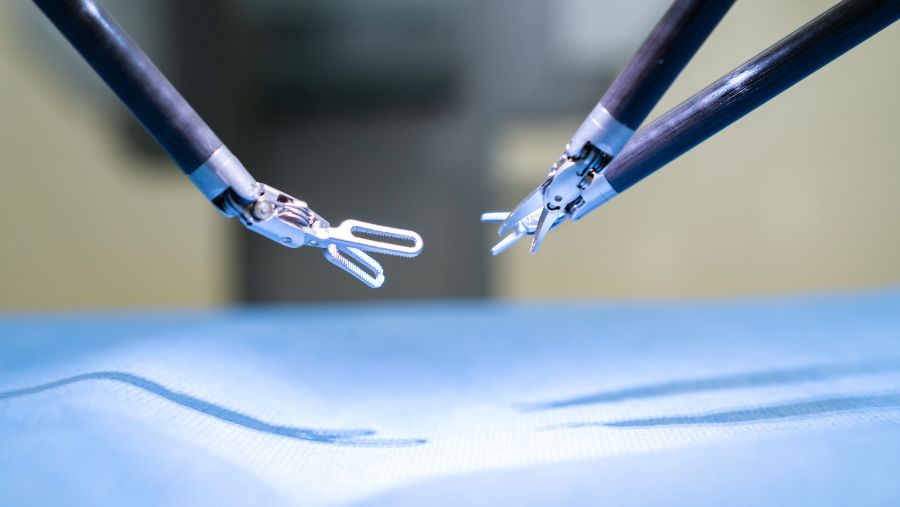
Radical prostatectomy can be performed with three techniques: open, laparoscopic and robotic. The prostate lies deep in the pelvis, closely surrounded by the muscle responsible for urinary control and the nerves responsible for erections. In this narrow space, magnified 3D vision and wristed instruments give robotic surgery a clear advantage.
| Robotic | Laparoscopic | Open | |
|---|---|---|---|
| Incision | 5–6 holes of about 1 cm, or a single incision | 5 small holes | A 15–20 cm incision below the navel |
| View | 3D, magnified 10–15 times | 2D, magnified | Direct view |
| Blood loss | 70–90 cc | Moderate | 800–1,000 cc |
| Hospital stay | 1–3 days | 2–3 days | 4–5 days |
| Urinary catheter | 6 days | Average 10 days | Average 14 days |
| Pain and recovery | Less pain, fast recovery | Less pain, fast recovery | More pain, longer recovery |
The robotic and open surgery figures are our clinic's results. In developed countries, most prostate cancer operations are now performed robotically. For the general advantages of the robotic system, see our robotic surgery page.
Single-Port Robotic Prostate Cancer Surgery
In the single-port robotic system, the camera and all surgical instruments enter the abdomen through one small incision. In Turkey, single-port robotic prostate cancer surgery was first introduced at Memorial Şişli Hospital under the leadership of Prof. Dr. Murat Binbay. As of October 2026, approximately 50 patients have undergone single-port robotic prostatectomy.
- Less blood loss: An average of 70 cc (90 cc with the multiport system).
- Shorter hospital stay: 1–2 days (2–3 days with the multiport system).
- Single incision: Fewer scars and less incision-related pain.
- Operation time: At an average of 153 minutes, slightly longer than with the multiport system.
Not every patient is suitable for single-port surgery. The size of the prostate, the extent of the cancer, the need for lymph node removal and previous abdominal surgery are assessed, and the system to be used is decided together. For details, see our article on da Vinci single-port robotic surgery.
How Is Robotic Prostate Cancer Surgery Performed?
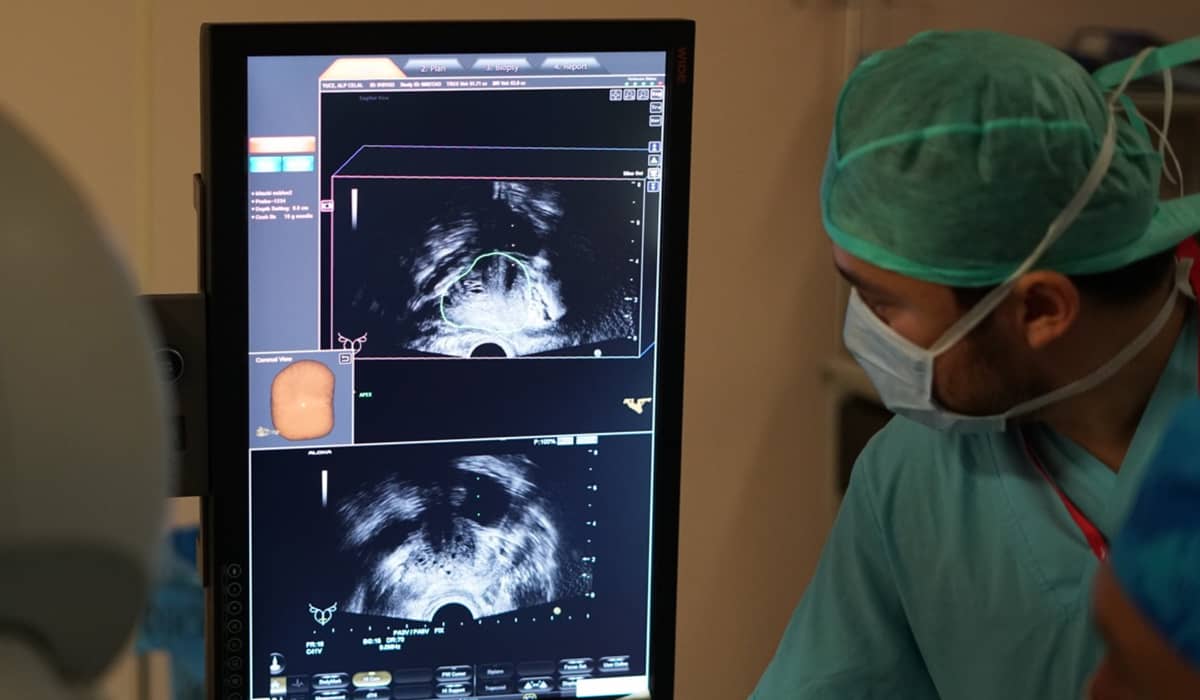
- Planning: MRI, the biopsy result and, if necessary, PSMA PET are used to plan in advance the location and extent of the cancer and whether the nerves can be preserved. An anaesthesia assessment is carried out.
- Anaesthesia and positioning: The operation is performed under general anaesthesia.
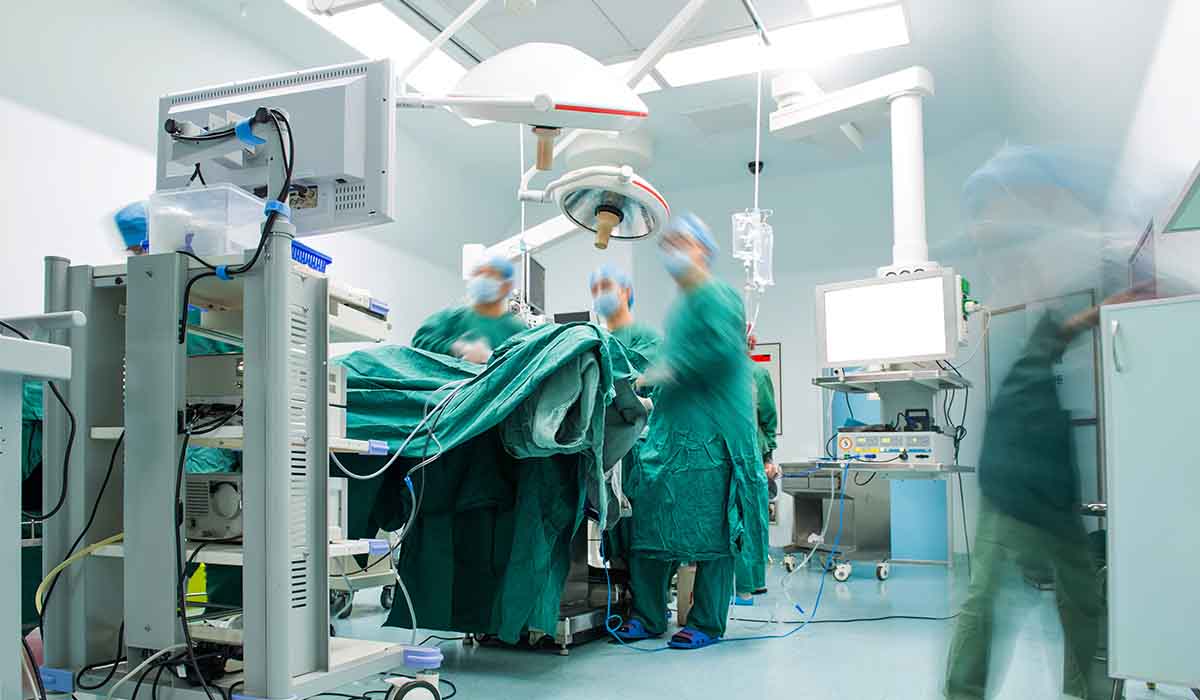
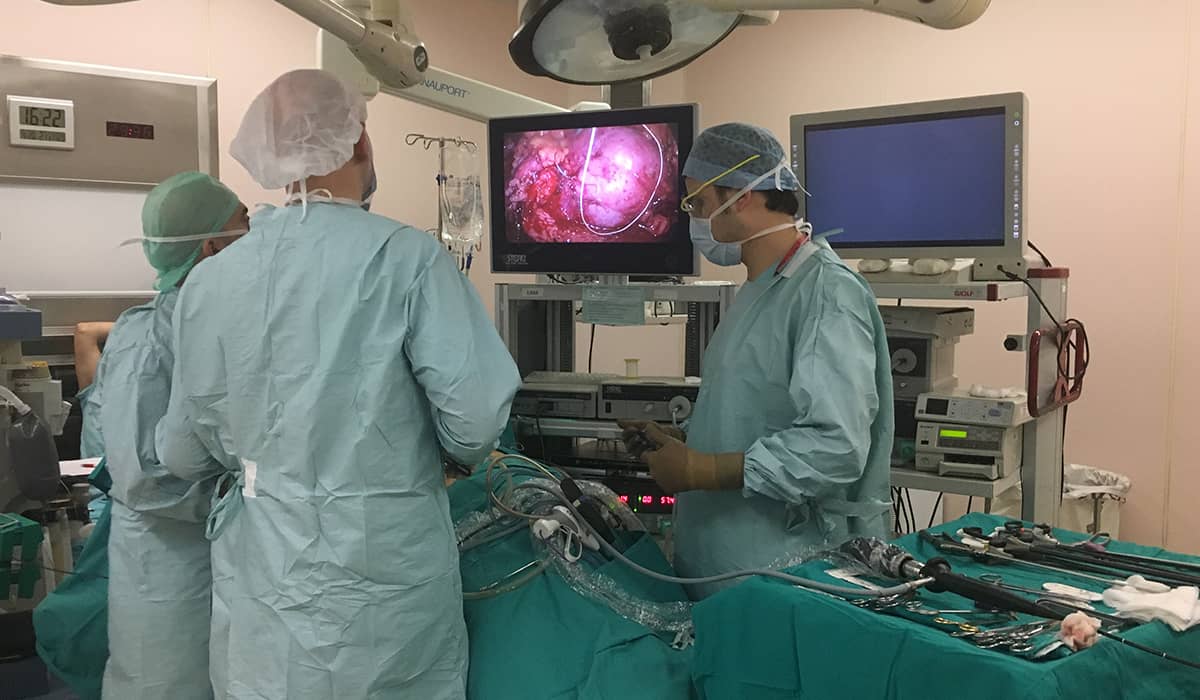
- Docking the robot: Thin tubes (trocars), or a single port in the single-port system, are placed in the abdomen and the robotic arms are attached. The surgeon sits at a console in the same room and controls every movement; the robot never moves on its own.
- Removing the prostate: The prostate is freed from the surrounding tissues together with the seminal vesicles. In suitable patients, the erectile nerves and the structures responsible for urinary control are preserved.
- Frozen-section analysis: In nerve-sparing surgery, the surfaces close to the nerves are sent to pathology during the operation and examined immediately. If cancer cells are found, additional tissue is removed from that area.
- Lymph node removal: If required by the risk group, the pelvic lymph nodes are also removed.
- New connection: The bladder is stitched back to the urethra, and a catheter is placed so that this connection can heal.
- Closure: The removed tissue is taken out in a bag, a drain is left in place if necessary and the incisions are closed.
What Is Nerve-Sparing Surgery?
The nerves responsible for erections run in a thin bundle along both sides of the prostate. If the cancer is not close to this area, the nerves are separated from the prostate and preserved. This is called nerve-sparing surgery. Whether the nerves are preserved on one side or on both sides (bilateral) directly affects the chance of erections after surgery.
The main concern in nerve-sparing surgery is not to leave cancer cells behind near the nerves. That is why, in our clinic, nerve-sparing surgery is combined with frozen-section pathological analysis during the operation. The aim is both to preserve the nerves and to remove the cancer with clear margins.
How Long Does Prostate Cancer Surgery Take?
Robotic radical prostatectomy takes an average of 112 minutes (±23 minutes) with the multiport system and an average of 153 minutes (±17 minutes) with the single-port system. Including anaesthesia and waking up, the patient generally spends 2.5–3.5 hours in the operating theatre. The main factors that affect the duration are:
- The size of the prostate
- Whether lymph node removal is performed
- Nerve-sparing technique and frozen-section analysis
- Previous abdominal or prostate surgery
- The patient's body structure
Urinary Continence and Erections: Results After Surgery
The two issues patients ask about most after prostate cancer surgery are bladder control and erections. The figures below are from Prof. Dr. Murat Binbay's robotic radical prostatectomy patients.
| After surgery | Patients who regain bladder control |
|---|---|
| Month 3 | 81% |
| Month 6 | 90% |
| Month 12 | 95% |
- Permanent urinary incontinence: 5% in patients who had nerve-sparing surgery. For patients with permanent incontinence, effective treatments are available, including medication, sling surgery and an artificial urinary sphincter.
- Preservation of erections: 71% in patients who had bilateral nerve-sparing surgery and started penile rehabilitation early.
Erections take longer to return than bladder control and can take 1–2 years. The factors that most affect the outcome are erectile function before surgery, age, other conditions such as diabetes, and the extent to which the nerves could be preserved. For patients whose erections do not recover sufficiently, there are solutions ranging from medication to a penile implant.
Positive Surgical Margins and Cancer Control
A positive surgical margin means that cancer cells are found on the outer surface of the removed prostate. This does not always mean that cancer has been left in the body, but it calls for closer follow-up and, in some patients, additional treatment.
In our clinic, the positive surgical margin rate is 11% in patients who had nerve-sparing surgery with frozen-section analysis during the operation. In patients with a positive margin, PSA is monitored closely; if necessary, radiotherapy after surgery is planned together with the oncology team.
Recovery After Surgery
- Day of surgery: A few hours of close monitoring, sitting up in bed and a short walk in the evening.
- Days 1–3: The drain is removed and the patient is discharged (day 1–2 with the single-port system, day 2–3 with the multiport system).
- Day 6: The catheter is removed and Kegel exercises begin.
- Weeks 2–3: The pathology result is reviewed and patients return to desk work.
- Weeks 6–8: First PSA test.
- End of month 2: Return to sport and heavy lifting with the doctor's approval.
For catheter care, Kegel exercises, sex life, PSA follow-up and what to pay attention to at home, read our guide to recovery after prostate cancer surgery.
Risks of Prostate Cancer Surgery
Like any major operation, radical prostatectomy carries risks. The robotic technique reduces these risks but does not eliminate them.
- Urinary incontinence: Usually temporary; by month 12, 95% of patients regain bladder control.
- Erectile problems: Depend on whether the nerves could be preserved; recovery can take months.
- Dry orgasm and infertility: Because the prostate and seminal vesicles are removed, no semen is released at orgasm and natural conception is not possible. Patients who want children are advised to consider sperm banking before surgery.
- Bleeding and blood transfusion: With an average blood loss of 70–90 cc in robotic surgery, the need for transfusion is rare.
- Leakage or narrowing at the connection: Rarely, urine may leak from the bladder–urethra connection, or the connection may narrow later on.
- Lymph collection (lymphocele), infection and blood clots: Uncommon problems that can usually be treated with simple methods.
PSA Follow-up After Surgery
Because the prostate is removed completely, PSA is expected to fall to an undetectable level after surgery. The first test is done about 6–8 weeks later; after that, the frequency of follow-up depends on the pathology result. Values of 0.2 ng/mL or higher on two consecutive tests are considered biochemical recurrence, and further treatment options are discussed. For details, see our article why does PSA rise after prostate cancer treatment.
What Determines the Cost of Prostate Cancer Surgery?
The cost of prostate cancer surgery varies from patient to patient. The main factors are:
- Technique: In robotic surgery, the disposable instruments renewed for every operation increase the cost; the single-port system has a different cost.
- Scope of the operation: Additional procedures such as lymph node removal and frozen-section analysis.
- Length of hospital stay.
- Insurance: Coverage varies according to the hospital and your insurance policy.
For general information, see our robotic surgery prices page.
Patients Travelling from Abroad
Many patients come to our clinic from outside Istanbul and from abroad. To make the process easier, the first assessment can be done remotely:
- Send us your PSA results, MRI report and images, and biopsy report.
- After the preliminary assessment, your treatment options and suitability for surgery are shared with you.
- If surgery is planned, you are admitted to hospital the day before the operation.
- After discharge, we recommend that you stay in Istanbul until the catheter is removed (day 6). Later PSA tests can be done in your home country and the results reviewed remotely.
Why the Surgeon's Experience Matters
In radical prostatectomy, results for urinary control, erections and cancer control are directly related to the surgeon's experience. Prof. Dr. Murat Binbay's experience in this field (as of October 2026):
- More than 25 years of experience in urology
- Approximately 1,300 robotic radical prostatectomies
- Approximately 50 single-port robotic prostatectomies
- Introduced single-port robotic prostate cancer surgery in Turkey
Before deciding on surgery, you can ask your surgeon these questions:
- How many robotic prostatectomies have you performed?
- Is nerve-sparing surgery possible in my case? On one side or both?
- Do you use frozen-section analysis during the operation?
- What are your patients' continence and erection rates at 12 months?
- What is your positive surgical margin rate?
You can read about our patients' experiences on the prostate cancer patient reviews page.
Frequently Asked Questions About Prostate Cancer Surgery
Is prostate cancer surgery risky?
Like any major operation it carries risks, but serious complications are uncommon in robotic surgery performed by experienced hands. Average blood loss is 70–90 cc and patients are discharged within 1–3 days.
How long does prostate cancer surgery take?
Robotic radical prostatectomy takes an average of 112 minutes with the multiport system and 153 minutes with the single-port system. Including anaesthesia and preparation, the patient spends about 2.5–3.5 hours in the operating theatre.
How many days will I stay in hospital?
1–2 days after single-port robotic surgery and 2–3 days after multiport robotic surgery. The catheter is removed on day 6.
Will I have urinary leakage after surgery?
Most patients have some leakage for a while after the catheter is removed. In our clinic, 81% of patients regain bladder control by month 3, 90% by month 6 and 95% by month 12.
Is my sex life over after prostate cancer surgery?
No. Erections are preserved in 71% of patients who had bilateral nerve-sparing surgery and started penile rehabilitation early. Sensation and orgasm usually continue, and effective treatments are available for patients whose erections are not sufficient.
What happens if I don't have surgery?
For low-risk cancers, active surveillance can be a safe alternative to surgery. Intermediate and high-risk cancers, however, can spread beyond the prostate and to the bones over time if left untreated. For patients who do not want surgery, radiotherapy is an alternative curative treatment.
Can prostate cancer come back after surgery?
For cancer confined to the prostate and removed with clear margins, the risk of recurrence is low but not zero. That is why regular PSA follow-up is carried out. A PSA rise detected early can usually be treated successfully with radiotherapy.
Is there an age limit for prostate cancer surgery?
There is no strict age limit. Surgery is recommended for patients in good general health with a life expectancy of more than 10 years.
Does the robot perform the operation?
No. The robot is a tool controlled by the surgeon from a console and never makes any movement on its own. The outcome of the operation depends on the surgeon's experience.
Will I need further treatment after surgery?
Most patients do not, and are followed with PSA tests only. If pathology shows a positive surgical margin, lymph node involvement or PSA remains detectable, radiotherapy or hormone therapy is considered.
Let Prof. Dr. Murat Binbay's team review your case
If you read this far, you probably have questions. Fill in the two-minute digital consultation form and we will get back to you within 24 hours.
- Answer within 24 hours
- Your data stays confidential
Yorumlar
1Yorum Yazın
Merhaba bugün babama prostat kanseri teşhisi konuldu.12 dokuda yapılan biyopside 4-6 adeno karsinoma,gleason skor6(3+3 ) şeklinde olan sonucuyla prostat kanseri denildi.ameliyat ücretinizle ilgili bilgi almak istiyorum.istanbul dışından ona göre gelmek istiyoruz.değerli hocam Murat beyin yorumlarını okuyunca doğru adresin sizler olacağı kanaati oluştu cevap verirseniz sevinirim .teşekkürler