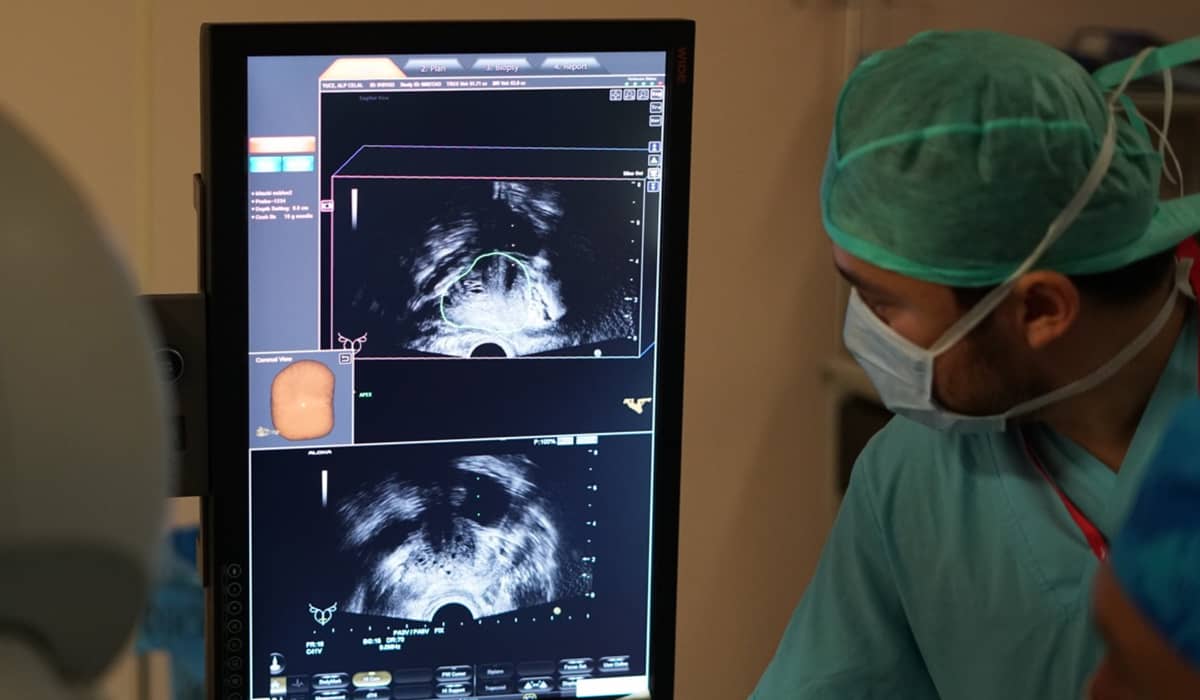
A kidney cyst consists of lesions occurring due to weakening in the surface layer of the kidney. These lesions then fill with urine and take the form of a cyst. Kidney cysts are diagnosed as a result of ultrasonography or radiological tests.
A kidney cyst can form anywhere in the kidney or kidneys. If the cysts are few in number and of a benign structure, they may not constitute any problem. However, cysts that are numerous and malignant can lead to kidney failure or kidney cancer.
Against the possibility of malignant cysts turning into cancer, the patient must be followed meticulously and the necessary treatments applied.
The Symptoms of a Kidney Cyst
Kidney cysts frequently show no symptoms and are diagnosed incidentally. In rare situations large cysts press on the surrounding tissues and, due to this, pain is felt.
As a result of the pressure the cysts apply to the digestive system organs, symptoms such as nausea and vomiting may occur. In the event of there additionally being an infection in the kidney cyst, new symptoms such as severe pain on the kidney side, high fever and weakness may be seen.
Urinary tract infections, blood being seen in the urine and flank pain can be a symptom of a kidney cyst.
In some situations blood may be seen in the urine with the rupture of the cyst in the patient's kidney.
Along with a kidney cyst, stone formation in the kidney is also a situation that can be seen. This situation can obstruct the urinary tract. A surgical operation may be necessary for treatment.
Who Do Kidney Cysts Occur In?
A kidney cyst can be seen in people of all ages. This includes babies. However, the probability of it being seen is higher in adults (50+). It is seen more frequently in men than in women.
Blood pressure patients and people with kidney failure are at risk in terms of kidney cysts.
The probability of a kidney cyst being seen can also depend on family history. That is, people with a kidney cyst in their family are also at risk.
The Relationship Between Kidney Cyst and Kidney Cancer
Not every kidney cyst indicates cancer. Simple kidney cysts do not become cancerous.
In some patients kidney cancer can begin to show itself as a kidney cyst. That is, kidney cysts can be a sign of kidney cancer.
Some patients are congenitally prone to cysts. In these people there is a familial predisposition. It is known that such congenital cysts are dangerous and of a nature that will open the door to additional other diseases.
Some kidney cysts can become cancerous later. For the detection of this, a classification called the Bosniak classification is made.
Type 1: the walls of the kidney cyst are sharply smooth and thin. The cyst is in a single piece. There is no risk of cancer.
Type 2: within the cyst there are chambers in the form of bubbles. The cyst wall is thin and calcifications are seen. There is no risk of cancer.
Type 3: calcification is seen within the cyst. There is a risk of cancer. When diagnosed it needs to be removed by resection.
Type 4: there is cancerous change within the cyst. When diagnosed it needs to be removed surgically.
Kidney Cyst Diagnosis and Treatment
The diagnosis of a kidney cyst is made with radiological scanning methods. They are frequently diagnosed incidentally. The patient encounters the kidney cyst from the results of ultrasonography (USG), computed tomography (CT) or magnetic resonance (MRI) imaging that they underwent for other purposes.
In situations where the cyst has not grown and is not pressing, surgical intervention is not necessary. The majority pass on their own. However, cysts that have grown and are pressing on surrounding organs require decortication, that is the tearing of the wall and the emptying of the inside.
In treatment, the cyst sac whose inside has been emptied is prevented from growing again by the method of injecting medicine. As a current treatment method, the method of excision of the cyst with laparoscopic surgery is preferred.
The treatments applied in a kidney cyst:
Puncture-cyst drainage: accompanied by ultrasonography the inside of the cyst is emptied with a needle and medicines that will prevent the formation of a cyst again are put inside it.
Removal with surgery: surgical treatment may be necessary for a large and symptomatic cyst. The cyst is removed with surgery carried out laparoscopically. In laparoscopy a few small holes are made in the patient's body and the cyst is removed by entering with a camera.
Follow-Up of the Patient
In patients with a congenital kidney cyst, family members must also be followed in terms of cysts. It is recommended that consanguineous marriage not be undertaken in these patients. Because people with a congenital cyst carry a risk of cancer, their follow-up is extremely important.
The treatment of the cyst and the follow-up process afterwards are shaped according to the degree of the disease and the patient's general state of health.
Clinical Note
This article was written and medically reviewed by Prof. Dr. Murat Binbay, a urologist with more than 25 years of experience and over 1,500 robotic operations. The assessments reflect current international guideline recommendations together with our own clinical practice.
The information here is for general guidance only. Because every patient's history, imaging findings and comorbidities differ, a treatment decision can only be made after an examination. You can reach us through our contact page, or read more about our physician on the about us page.
Sources
- European Association of Urology — Renal Cell Carcinoma Guidelines
- National Cancer Institute (NIH) — Kidney (Renal Cell) Cancer
Last reviewed: 8 September 2026 · Reviewed by: Prof. Dr. Murat Binbay, Urology and Robotic Surgery Specialist
Let Prof. Dr. Murat Binbay's team review your case
If you read this far, you probably have questions. Fill in the two-minute digital consultation form and we will get back to you within 24 hours.
- Answer within 24 hours
- Your data stays confidential

Urology and Robotic Surgery Specialist · 25+ years of experience
Last medically reviewed:


Yorumlar
20Yorum Yazın
Hocam hayırlı geceler hocam benim sol böbreğimde ultrason çekildim 94 milim kist var bu kist nasıl alınabilir iğne ile mi cerrahi operasyonla mı alınır bu kist neden oluşabilir İki haftadan beri ağrı yapıyor Ben de aynı zamanda prostat de var bu hastalıktan kurtulmanın yolu nedir hocam Teşekkür ederim
Böbrekte görülen kist ile ilgili hangi tedavinin seçileceği tanı testleri sonucu ile belirlenir. Bu konuda yol gösterebilmemiz için randevu almanızı tedaviye gelmenizi tavsiye ederiz.
hocam sol böbrekte 14cm kist mevcut tedavi süreci ne olur.
Böbrek kistinde tedavi süreci planlaması her hasta için farklılık gösterebilir. Detaylı bilgi için randevu alarak muayeneye gelmenizi tavsiye ederim.
Hocam merhabalar ben polikistik böbrek hastasıyım şuan herhangi bir fonksiyon bozukluğu yok en büyüğü sağda 20 mm iki böbrekte de çok sayıda kist var bunları delme boşaltma işlemiyle yok edebilirmiyiz ?
Merhaba Mahmut Bey, işlemi gerçekleştirebiliriz. Ancak böbreklerinizde herhangi bir fonksiyon kaybı yoksa bu işlemi yapmanın size bir faydası olmayacaktır.
Merhaba hocam ben şubat ayında ameliyat oldum böbreğimdeki kisti aldılar açık ameliyat oldum. 12m büyüklüğündeydi kist ama bir aydır ağrılarım oluyor. belimde ağrı başladı sırtım ağrıyor karnımda şişlik var acaba neden oluyor?
Geçmiş olsun Fatma hanım. Açık ameliyat sonrasında ağrı hissi görülmesi beklenen bir durumdur. Ağrılarınız şiddetlenirse ameliyatınızı gerçekleştiren cerrah ile görüşmenizi öneririm.
Hocam merhabalar, ultrasona girdim, sağ böbreğimde 9 cm, sol böbreğimde 6 cm kist tespit edildi, sağ böğrümün úzerine yatamíyorum, dönmekte zorlanıyorum, hafif sağ yanımda şişlik var, ne önerirsiniz?vereceğiniz bilgiler için teşekkür eder, saygılarımı sunarım, sağolun
Merhaba. Şişlik olduğu için ileri tetkik bir tomografi ve muayene gerekmektedir. Muayene için iletişim numaramızdan randevu alabilirsiniz.
MERHBALAR HOCAM ANNEMİN BÖBREGİNDE 10 MM KİTLE VAR HASTANEYE GİTTİGİMİZDE BÖBREGİN ALINACAGINI SÖYLEDİLER BUNUN BASKA Bİ YOLU YOK MU
Süleyman bey aynı dert bende de var sağ bobrekde 7 cm boyutunda kisthidatik var dokdorlar böbreğin yarısi alınması gerektigini söylüyorlar acaba siz bı çözüm yolu bulabildinizmi
Geçmiş olsun Süleyman bey. Hastanın muayenesini yapmadan ve raporlarını görmeden bir şey söylemek mümkün değil.
57 yaşında erkek şahıs sağ böbrek 17x17 mm tip 3 kist var ayrıca sol böbrek bu sebeple küçülmüş bulunduğum ilde iki profesör Diğer böbrek problemli olduğu için ameliyata yanaşmadılar takip gerekli denildi ameliyat yapar mısınız ayrıca tekrar nükseder mi
Geçmiş olsun Okan bey. Ameliyatınız başarılı bir şekilde gerçekleştirebiliriz. Ameliyat sonrasında kist tekrarı olmaz yani nüksetmez.
Hıcam mrb yiğenin(6)kits ameliyatı oldu. Ameliyat 10 saat sürdü. 10 gündür hasyanede, şimdi de bağırsak yapışması sorunu var ne yapmalıyız hocam
Sağ böbrekte 20 mm sol 15 nasıl kist alınır
sağ böbrek 17x14 mm sol böbrek7x6 mm nasıl tedavi edilir
Böbrek kisti tedavisi bitkisel yollarla tedavi edilebilir mi acaba? Edilirse hangi bitkilerle olabilir
Öncelikle sağ böbreğimde 2 cm. kist var. banka emeklisiyim. ttb ölçüleri dahilinde kapalı ameliyat olabilir miyim?