Date of publication: 18.04.2021 | Last updated: 28.01.2026
This content has been medically reviewed and updated by Prof. Dr. Murat Binbay.
"This content is for information purposes; diagnosis/treatment is planned through examination by a physician."
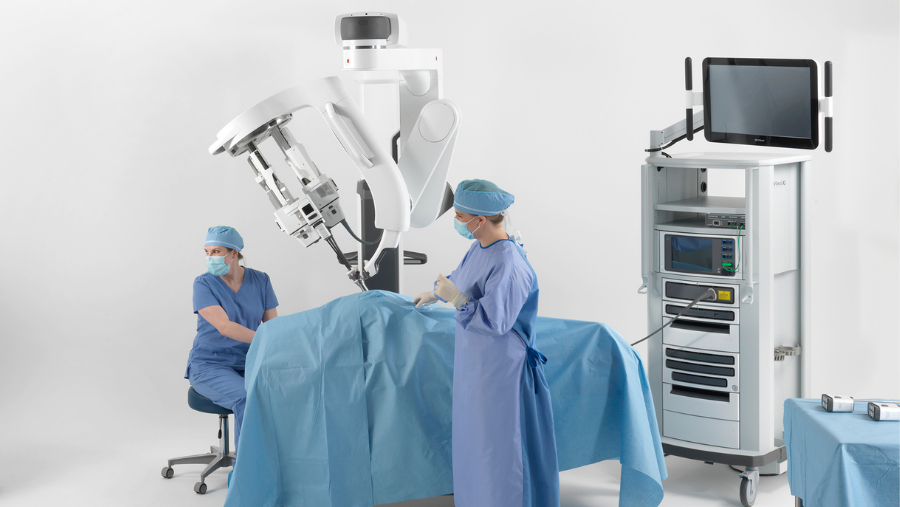
Robotic surgery is an advanced form of closed (minimally invasive) surgery. Thanks to the robotic arms directed by the surgeon from a console, some difficult operations can be performed with more precise movements and generally through smaller incisions. This approach offers technical advantages such as high image quality and tremor filtration, particularly in narrow anatomical spaces.
Robotic surgery (da Vinci surgical systems) is widely used in urology in many conditions, foremost among them prostate, kidney and bladder cancers. With appropriate patient selection and an experienced surgeon, the aim is to preserve functions (such as urinary continence and sexual function) as far as possible while achieving oncological control.
Important: In robotic surgery the operation is not performed by a "robot". All decisions and surgical steps are directed by the surgeon; the robotic system transfers the surgeon's hand movements to the patient in a more precise and controlled way.
What Is Robotic Surgery?
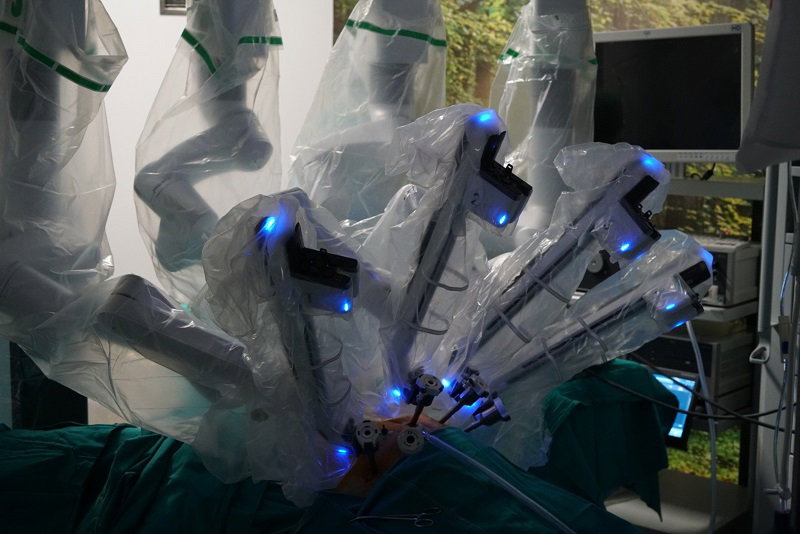
Robotic surgery is a modern closed surgical method that provides the surgeon with high precision, advanced imaging and easier manoeuvring in narrow spaces. The system consists of the console at which the surgeon sits, the robotic arms positioned at the patient's side, and high-resolution camera/optical components.
One of the most widely used platforms in robotic surgery in urology is the da Vinci systems. Thanks to three-dimensional (3D) imaging and magnification, the surgeon assesses the anatomical details in the operative field more clearly. Robotic instruments, with a range of movement exceeding that of the human wrist, can facilitate precise tissue dissection particularly in spaces such as the narrow pelvis.
Robotic surgery is not the "single right" option for every patient. As with all surgical methods, the type and stage of the disease, the patient's general health and the experience of the centre/surgeon are decisive in the treatment decision.
da Vinci Systems and Single Port Robotic Surgery
Robotic surgery technology has developed over time; in addition to the "multiport" approach performed through multiple small incisions, Single Port (SP) robotic surgery has also come onto the agenda in selected operations. In single port systems the surgical instruments and the camera are advanced through the same entry site, and in certain cases the aims may be to reduce tissue trauma and improve cosmetic results.
Current development: The da Vinci Single Port (SP) robotic surgical system has begun to be used in Türkiye; one of the first applications was performed at Memorial Şişli Hospital under the leadership of Prof. Dr. Murat Binbay. (Appropriate patient selection and the correct indication are essential.)
The suitability of the single port approach varies according to the type of operation to be performed, the patient's anatomy and the characteristics of the disease. For this reason single port robotic surgery does not mean "better" in every case; it can provide meaningful benefit in the right patient, with the right indication.
Areas of Use of Robotic Surgery
Robotic Surgery in Urology
One of the areas in which robot-assisted operations are most frequently used is urology. The robotic approach may be preferred particularly in cancer surgery, in some reconstructive (repair) procedures and in selected benign conditions.
Common robotic surgery applications in urological cancers:
- Robotic Surgery for Prostate Cancer
- Robotic Surgery for Kidney Cancer
- Robotic Surgery for Bladder Cancer
- Robotic surgery for selected testicular tumour/retroperitoneal surgical procedures (according to indication)
In non-cancer areas, robotic surgery may also be used in selected conditions such as strictures of the kidney and urinary channel (e.g. ureteropelvic junction obstruction), some reconstructive operations and pelvic organ prolapse in women (e.g. sacrocolpopexy).
Use Outside Urology (Selected Areas)
Depending on the experience of the centre and the team, robotic surgery can also be applied in some selected operations in branches such as general surgery, gynaecology, thoracic surgery and cardiac surgery. The area of use varies in every branch according to the patient and the disease.
Robotic Surgery in Urological Cancers: What Does It Provide and Where?
Prostate Cancer
In prostate cancer, radical prostatectomy (the surgical removal of the prostate) can be performed by the robotic method. In robotic surgery, 3D imaging and precise dissection can facilitate nerve-sparing surgery in appropriate patients. The aim is to preserve quality of life parameters such as urinary continence and sexual function as far as possible while achieving cancer control.
Kidney Cancer
In kidney tumours the surgical approach is planned according to the size and location of the tumour and the patient's kidney function. In appropriate cases partial nephrectomy (removal of the tumour with preservation of the kidney) can be performed by the robotic method. In larger or unsuitable cases, radical nephrectomy (removal of the kidney) may come onto the agenda. Which method is chosen is determined by clinical assessment.
Bladder Cancer
In bladder cancer, in advanced disease radical cystectomy (removal of the bladder) and urinary diversion (expelling urine from the body by a new route) may be necessary. The robotic approach can be applied at some centres, in appropriate patients, as a minimally invasive alternative. Here too the fundamental aim is oncological safety.
The Advantages of Robotic Surgery
The advantages of robotic surgery can vary according to the type of operation, the patient's characteristics and the surgeon's experience. In general, the prominent aspects of the robotic approach are as follows:
1) Precision and control
Robotic instruments, with tremor filtration and an advanced range of movement, can provide more controlled tissue dissection in narrow spaces. This is important particularly in operations performed close to fine vessels and nerve bundles.
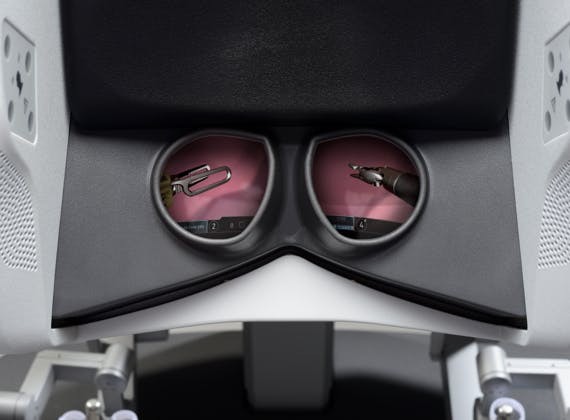
2) Advanced imaging (3D-HD and magnification)
The optical system providing a three-dimensional high-resolution image helps the surgeon to see the anatomy in the operative field in greater detail.
3) Less blood loss and smaller incisions
Because of the principles of closed surgery, reduced blood loss and smaller skin incisions may be possible in appropriate cases. This may be reflected positively in the patient's postoperative recovery process.
4) Faster recovery and length of hospital stay
Reducing surgical trauma can provide an advantage in pain management, mobilisation and the time taken to return to daily life. However, this varies according to the type of operation and the patient's general condition.
5) Cosmetic results and infection risk
Smaller incisions can provide a cosmetic advantage. The risk of infection depends on many factors; robotic surgery, when assessed together with appropriate sterile conditions and correct patient management, can contribute to the surgical process.
A realistic expectation: Robotic surgery is not a "miracle". Success must be assessed together with the characteristics of the disease, the correct indication, an experienced team and postoperative follow-up.
Safety, Experience and Certification in Robotic Surgery
Robotic surgery is closely related as much to the experience of the surgeon and team as to the technology. The surgeon's robotic surgery training, case experience and team coordination at the centre play a decisive role in the safety and outcomes of the operation.
It is also important that complementary elements such as intensive care, anaesthetic infrastructure, nursing support and complication management are strong at the centre where robotic surgery is to be performed. The treatment plan must always be made together with the patient, with the options and possible risks discussed.
Video
In the video below, Prof. Dr. Murat Binbay explains what robotic surgery means from the patient's perspective and in which situations it can be preferred.
Frequently Asked Questions
What is the basic difference between robotic surgery and open surgery?
Robotic surgery is performed by the closed method, through a few small incisions, and the surgeon directs the robotic arms from a console. In open surgery the operative field is accessed directly through a larger incision. Which method is appropriate is determined according to the disease, the patient and the surgical objective.
Is robotic surgery suitable for every patient?
No. The type/stage of the disease, previous operations, additional conditions and anatomical characteristics affect the choice. Appropriate patient selection is critical for the right outcomes.
Is single port robotic surgery better for everyone?
The single port approach can provide benefit in selected operations; however, it is not appropriate for every patient and every operation. The decision is made together with the type of operation, the patient's anatomy and the clinical requirements.
What is the most important advantage of robotic surgery?
The most important advantage is the ability to perform controlled dissection in narrow spaces by offering the surgeon a 3D magnified image and precise manoeuvring capability. The clinical equivalent of this can be better functional outcomes and a more comfortable recovery process in appropriate cases.
What does the recovery time after robotic surgery depend on?
Recovery depends on the type of operation, the patient's general health, age, additional conditions and the postoperative care process. The same operation can show different rates of recovery in different patients.
Robotic surgery is a high-technology surgical procedure that allows difficult operations to be performed through a small incision using robotic technology.
Robotic surgery (da Vinci surgical systems) is generally applied in the treatment of urological cancers (prostate, kidney, adrenal gland, bladder and ovarian cancers).
Let Prof. Dr. Murat Binbay's team review your case
If you read this far, you probably have questions. Fill in the two-minute digital consultation form and we will get back to you within 24 hours.
- Answer within 24 hours
- Your data stays confidential

Bu konuda uzman görüş almak ister misiniz?
Prof. Dr. Murat Binbay ile randevu alarak detaylı bilgi edinebilirsiniz.
Randevu Al