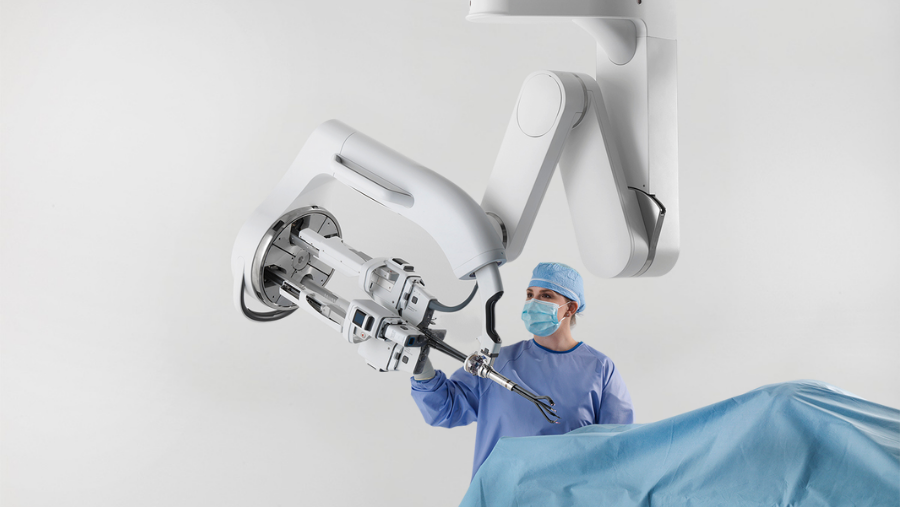
Patients who are recommended robotic surgery have been asking two questions more and more often in recent years: “Is Single Port robotic surgery suitable for me?” and “How is it different from the classic, MultiPort robotic system?” In this article we compare the two systems from the patient’s point of view in plain language, and explain for whom the single port approach may be advantageous and in whom the multi-port system is the better choice.
An important reminder before we begin: the robot does not perform the robotic operation. In both systems, the surgeon carries out every step of the operation by controlling the instruments from a console. Choosing a system is therefore not a question of “better or worse”; it is a matter of matching the system to the disease, the anatomy and the patient’s own priorities.
What Is MultiPort Robotic Surgery?
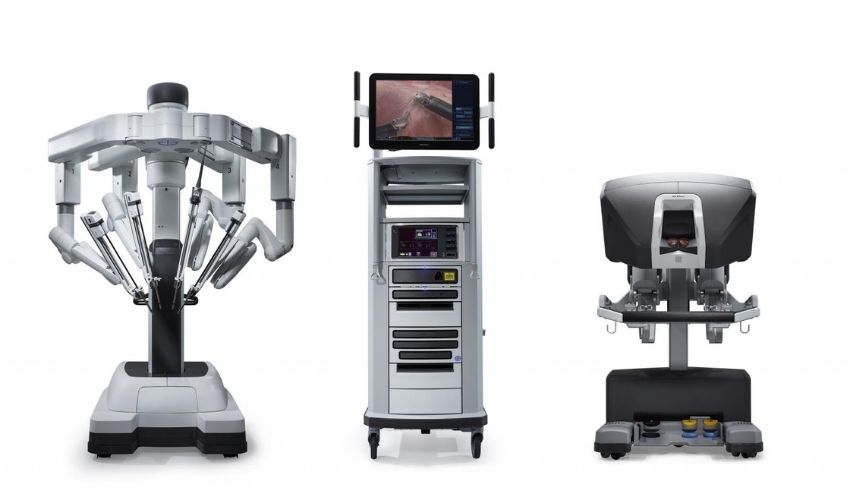
MultiPort (multi-port) robotic surgery is the most widely used robotic approach in the world today. With systems such as the da Vinci Xi, usually 4–6 small incisions of about 8–12 mm are made in the abdominal wall. The camera and the working arms enter through these incisions separately, and the surgeon performs the operation with a magnified, three-dimensional view.
The greatest strength of this approach is more than twenty years of clinical experience and a very large body of scientific evidence. Because the arms enter from different points, it provides a wide working space and offers flexibility in complex operations that require working in more than one area of the abdomen. For a general comparison of different robotic platforms, see our article which robotic system would you like to have your operation with.
What Is Single Port Robotic Surgery?
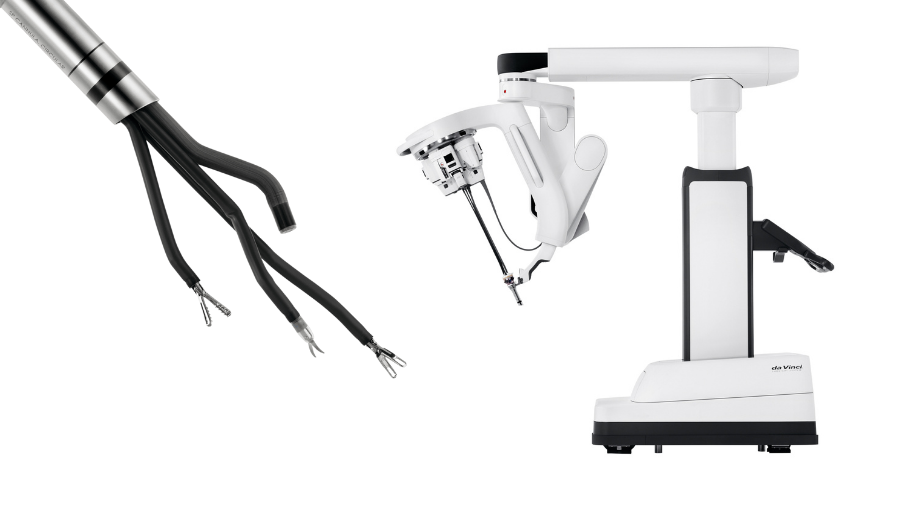
In Single Port (SP) robotic surgery, the operation is performed through a single incision of about 2.5–3 cm. With the da Vinci SP system, a flexible three-dimensional camera and three multi-jointed surgical instruments enter together through this single entry point. Inside the body, the instruments open out thanks to their “elbow” and “wrist”-like joints, so that the surgeon can manoeuvre comfortably in narrow and deep spaces despite entering through one opening.
We have described the technical features of the system and its first applications in Türkiye in our article da Vinci Single-Port (SP) robotic surgery, and the overall approach in a new-generation minimally invasive approach with single port robotic surgery.
Key Differences Between Single Port and MultiPort
We have summarised the most noticeable differences between the two systems, from the patient’s perspective, in the table below:
| Feature | Single Port (SP) | MultiPort (Xi etc.) |
|---|---|---|
| Number of incisions | One incision (about 2.5–3 cm) | Usually 4–6 small incisions |
| Instrument design | Camera and 3 instruments through the same entry, flexible joints | Each arm through a separate entry, wide angles |
| Best-suited working area | Narrow and deep regions (pelvis, bladder, prostate, behind the kidney) | Wide areas and operations covering several regions |
| Working without entering the abdominal cavity | Easier via extraperitoneal and transvesical routes | Possible but technically more limited |
| Post-operative pain | Studies generally report lower need for painkillers | Low; a clear advantage over open surgery |
| Cosmetic result | A single scar, often hidden around the navel | Several small scars |
| Scientific evidence | Growing rapidly; long-term data still limited | More than 20 years, very extensive data |
| Availability | A limited number of centres | Widely available |
As the table shows, the differences indicate that the two systems do not replace each other but serve different patient and operation profiles.
Who Is Single Port Robotic Surgery Suitable For?
The single port approach stands out particularly in operations focused on a single target organ in a narrow and deep anatomical region. Depending on the surgeon’s assessment, it may be advantageous in the following patient groups:
- Patients with organ-confined prostate cancer: radical prostatectomy is one of the operations in which the SP system is used most often. Because the prostate lies deep in the pelvis in a narrow space, the flexible instruments fit this area well. For an overview of the operation, read our article robotic surgery for prostate cancer.
- Patients who have had previous abdominal surgery: adhesions from earlier operations can make surgery through the abdominal cavity more difficult. Because the SP system is well suited to working without entering the abdominal cavity (extraperitoneal) or directly through the bladder (transvesical), it can be a good option for these patients.
- Selected patients with a large benign prostate enlargement: with the transvesical approach, it may be possible to remove the prostate tissue without entering the abdomen.
- Small or medium-sized kidney tumours, especially on the back surface of the kidney: a single entry may be advantageous in partial nephrectomy performed via the retroperitoneal route (from behind the abdomen).
- Kidney outflow obstruction (pyeloplasty) and ureteral repairs: it can be used in reconstructive operations performed in a single area.
- Patients who prioritise fast recovery and a good cosmetic result: a single incision has been associated with less pain and a shorter hospital stay in some patients.
When May the MultiPort System Be the Better Choice?
The advantages of the single port approach do not apply to every operation. In the following situations, the multi-port robotic system is generally considered the more suitable option:
- Extensive operations requiring work in more than one area of the abdomen
- Complex situations such as very large kidney tumours or a tumour thrombus extending into the vein
- Locally advanced disease requiring extensive lymph node dissection
- Long, multi-stage reconstructions such as removing the whole bladder and creating a new bladder from bowel (in selected centres this can also be done with SP)
- Any situation in which the surgeon considers a wide working angle necessary for the patient’s anatomy
None of these points is a strict rule. Even with the same disease, two patients may differ in anatomy, body build and previous surgical history. The decision is made by evaluating the examination and imaging results together.
Is There a Difference in Outcomes?
One of the things patients most want to know about is cancer control and functional results. Comparative studies published so far show that, in experienced centres, single port and MultiPort robotic prostatectomy give similar results in terms of oncological outcomes (such as positive surgical margins) and urinary continence. In the single port groups, a lower need for painkillers after surgery has been reported, and in some series a shorter hospital stay.
However, because the SP system is newer than the MultiPort system, long-term data (10 years and more) are still limited. The most sensible approach is therefore not to think that “the newest is always better”, but to choose the system that best suits your disease together with an experienced team.
Surgical Experience Matters More Than the System
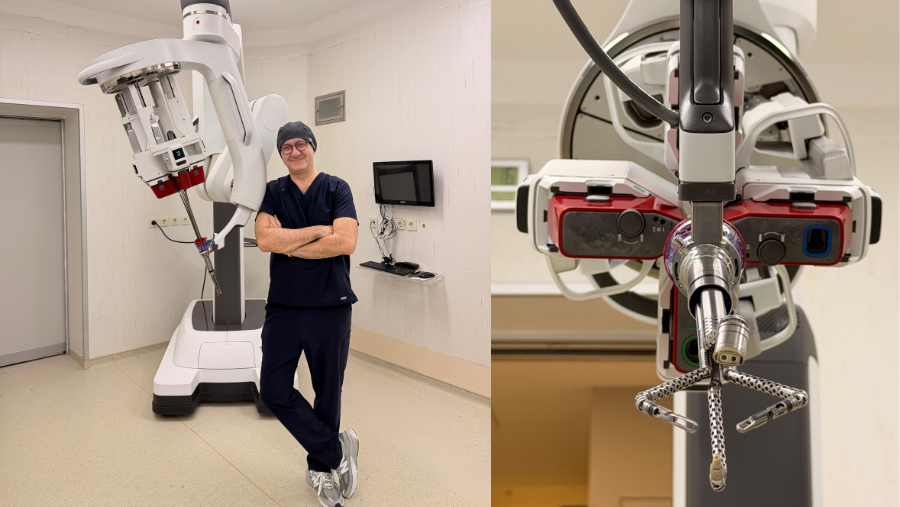
Whichever system is used, the most important factor in the success of an operation is the experience of the surgeon and the team. Single port surgery requires a different way of working from multi-port surgery and therefore its own learning curve. A team that can work with both systems is able to choose the system according to the patient, rather than fitting the patient to the system.
The single-arm robotic operations performed by Prof. Dr. Murat Binbay at Memorial Şişli Hospital are among the pioneering applications of this approach in our country. For details, read our article single-arm robotic surgery applied for the first time in Türkiye.
Questions You Can Ask Your Doctor
- Is single port or MultiPort more suitable for my disease? Why?
- Will the operation be done through the abdominal cavity or without entering it?
- Do my previous operations affect the choice of system?
- How many operations have you performed with this system so far?
- How long might the hospital stay and the return to daily life be?
Frequently Asked Questions
Is single port robotic surgery safer?
In a suitable patient and with an experienced team, both systems are safe. Single port may offer advantages such as fewer incisions and less pain in certain patient groups; however, this does not mean it is safer for every patient.
Can every prostate cancer patient be operated on with single port?
No. It is often preferred in organ-confined disease, but the decision is made after assessing prostate volume, the extent of the disease and anatomical features.
How much does a single incision speed up recovery?
Recovery time depends on the type of operation and the person’s general health. A single incision has been associated with less pain and earlier discharge in some patients; your doctor will give you a personal estimate.
Is the cost of single port surgery different?
The cost varies depending on the type of operation, the hospital and the consumables used. For general information, see our article robotic surgery operation prices.
Conclusion
Single port and MultiPort robotic systems are not rivals but two complementary tools. Single port stands out in narrow and deep regions, in operations directed at a single organ, and in selected patients who have had previous abdominal surgery or who prioritise fast recovery. MultiPort continues to be a strong option in extensive and complex operations, backed by many years of experience. The healthiest path is to decide on the right system for you together with your doctor, in light of your examination and test results.
Clinical Note
This article was written and medically reviewed by Prof. Dr. Murat Binbay, a urologist with more than 25 years of experience and over 1,500 robotic operations. The assessments reflect current international guideline recommendations together with our own clinical practice.
The information here is for general guidance only. Because every patient's history, imaging findings and comorbidities differ, a treatment decision can only be made after an examination. You can reach us through our contact page, or read more about our physician on the about us page.
Sources
- European Association of Urology — Prostate Cancer Guidelines
- National Cancer Institute (NIH) — Prostate Cancer
- Türk Üroloji Derneği — Güncel Kılavuzlar
Last reviewed: 29 September 2026 · Reviewed by: Prof. Dr. Murat Binbay, Urology and Robotic Surgery Specialist
Let Prof. Dr. Murat Binbay's team review your case
If you read this far, you probably have questions. Fill in the two-minute digital consultation form and we will get back to you within 24 hours.
- Answer within 24 hours
- Your data stays confidential

Urology and Robotic Surgery Specialist · 25+ years of experience
Last medically reviewed:
 Önceki Yazı
I Have Just Been Diagnosed With Cancer: What Should I Do?
Önceki Yazı
I Have Just Been Diagnosed With Cancer: What Should I Do?
 Sonraki Yazı
What Is a Double J Stent? Living With a Stent After Kidney Stone Treatment
Sonraki Yazı
What Is a Double J Stent? Living With a Stent After Kidney Stone Treatment
Yorumlar
Yorum Yazın
Henüz yorum yapılmamış. İlk yorumu siz yapın!