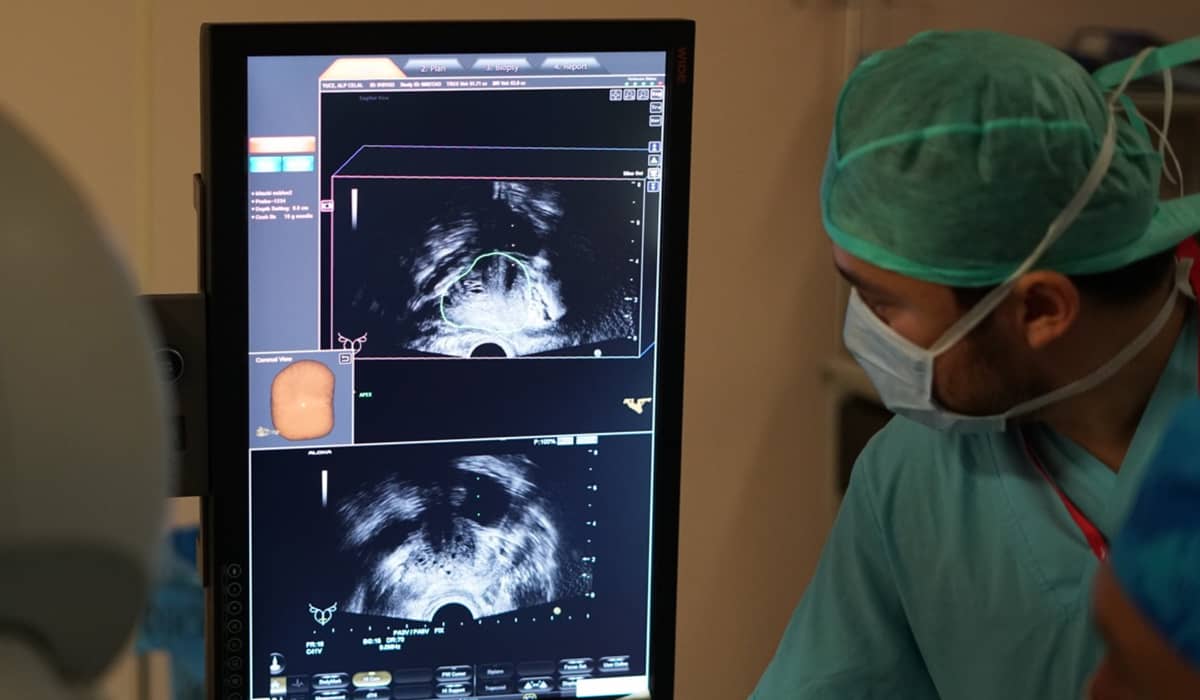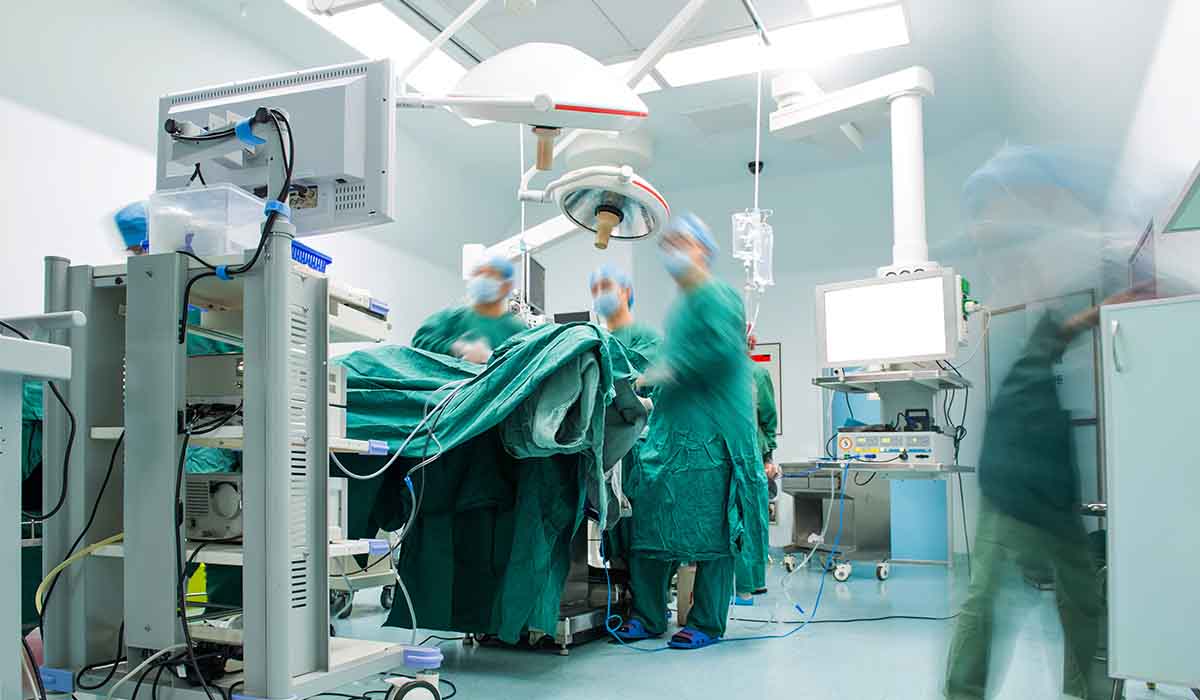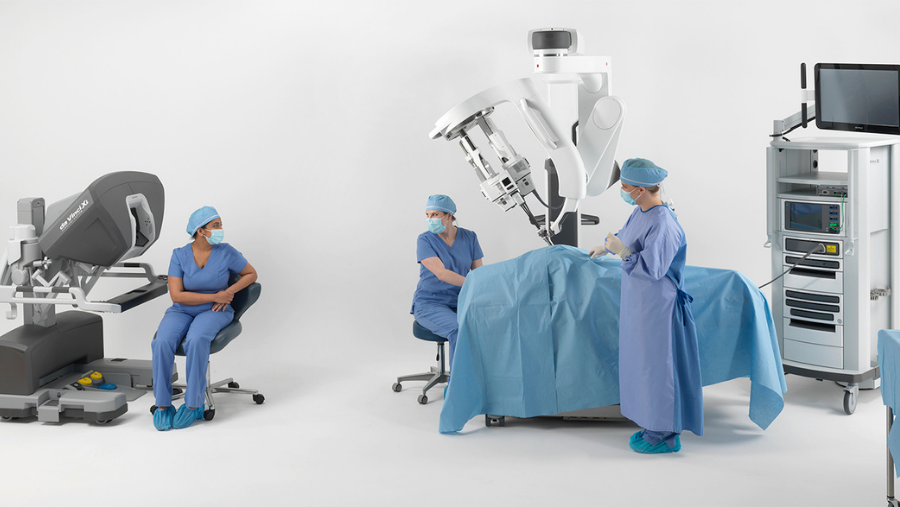
Robotic surgery has over the last 20 years radically changed the standard practice of urological operations and has expanded the boundaries of minimally invasive surgery. The da Vinci Single-Port (SP) robotic surgical system represents the newest and most advanced stage of this development.
This system, which can work through a single port, offers surgeons access and control not previously possible, particularly in deep and narrow anatomical regions (in regions such as pelvic surgery, the retroperitoneal space, the prostate and the bladder base).
Under the leadership of Prof. Dr. Murat Binbay, Memorial Şişli Hospital will be one of the first centres in Türkiye to use the da Vinci SP system and will bring this technology into clinical practice in urological cancer surgery. The high precision, minimal tissue trauma and aesthetic advantages brought by the SP system are creating important gains both in patients' recovery process and in oncological results.
What Is Single-Port Robotic Surgery?
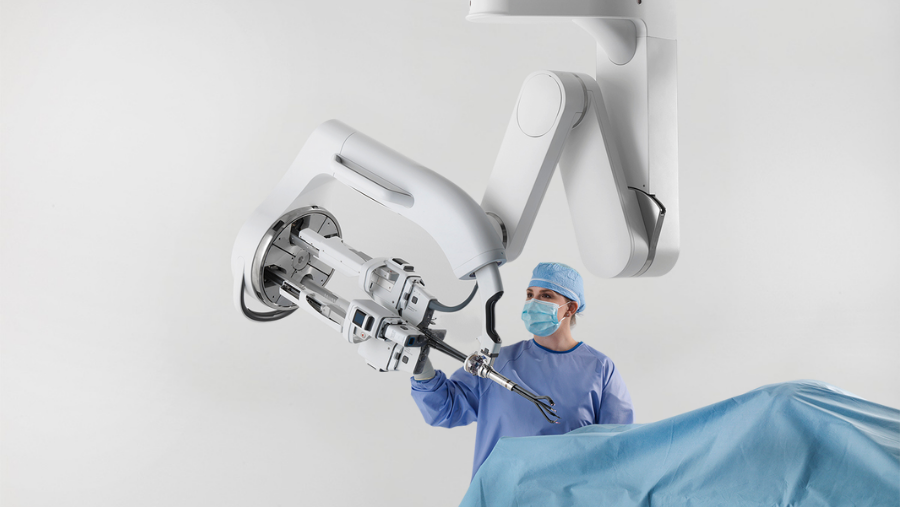
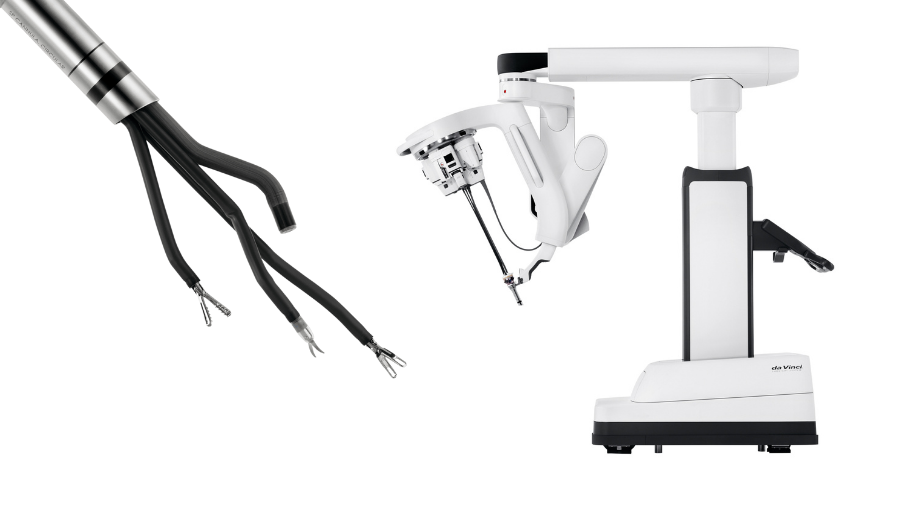
The da Vinci SP system, unlike classic robotic surgery, uses three flexible, mutually independent instrument arms + a 3D HD camera that enter through a single 2.5-2.8 cm incision. Thanks to this structure the surgeon:
- Moves comfortably in narrower anatomical areas,
- Achieves 360° access in the surgical field,
- Needs less tissue traction and manipulation.
The Cleveland Clinic describes the SP system as the most ideal platform for "deep and narrow access surgery".
The Advantages of the Single-Port Robotic System
The following advantages are findings that recur both in the literature and in early-period clinical series:
1- Minimal Tissue Damage and Less Pain
Because a single port is used:
- Muscle incision is minimal,
- Nerve and vessel trauma is lower,
- Less postoperative pain is seen compared with standard robotic surgery.
2023 Intuitive Surgical data show that the need for painkillers is reduced by 20-40% with the SP system.
2- Faster Recovery and Discharge
The single-incision approach provides both a cosmetic and a functional advantage.
According to published clinical series:
- The average hospital stay can fall to as little as 1 day,
- Patients are faster in returning to daily life (generally 5-7 days).
3- Flawless Access to Deep Anatomical Regions
The SP system offers an extraordinary manoeuvring capability particularly in regions such as:
- The prostate (narrow pelvic area)
- The bladder neck
- The retroperitoneal space
- The renal hilum
With SP surgery, more controlled dissection can be performed in areas where difficulty is experienced in classic laparoscopy or multiport robotic surgery.
4- Aesthetic Superiority With a Single Incision
Generally the single incision is applied:
- From inside the navel
- From the bikini line
- From below the groin
The surgical scar becomes almost invisible.
5- Reduced Blood Loss
In SP surgery blood loss is lower than in classic robotic surgery:
- Average blood loss is in the range of 50-150 ml.
- The need for blood transfusion is below 1%.
6- Improved Oncological Control in Urological Cancers
Thanks to the sharp imaging offered by the SP system, the flexible camera and the ability of the 3 arms to emerge from the same port:
- Clearer dissection around the tumour,
- Higher success in nerve-sparing surgery,
- Faster gain of function in the convalescence period
are achieved.
Areas of Use of Single-Port Robotic Surgery in Urology
Urological cancer surgeries (kidney cancer, prostate cancer, bladder cancer, testicular cancer) are among the operations that benefit most from SP technology.
1- Prostate Cancer: Robotic Radical Prostatectomy (SP-RARP)
Prostate cancer surgery is one of the most ideal areas of application of the SP system. Because of the narrow structure of the pelvic region, classic surgery is limited; the SP system provides the most ergonomic access here.
Advantages
- Better nerve preservation: thanks to the flexibility of the SP arm, dissection can be performed without damaging the nerve bundles.
- Faster gain of urinary continence function: in SP series the development of continence in the early period is reported at up to 70-85%.
- Better imaging: the 3D HD camera increases depth perception.
Scientific Data
In 2022-2024 SP prostatectomy series:
- Average operation time: 150-200 min
- Positive surgical margin rate: 10-15% (similar to classic robotics)
- Average length of stay: 1 day
- Foley catheter duration: 5-7 days
2- Kidney Cancer: SP Partial / Radical Nephrectomy
In the treatment of kidney cancer, SP surgery can be applied with both the transperitoneal and the retroperitoneal approach.
Advantages
- Thanks to the single port, retroperitoneal entry is more comfortable
- A sharper approach to the hilar vessels
- A tendency towards shortening of the warm ischaemia time in partial nephrectomy
Literature Data
SP partial nephrectomy results:
- Warm ischaemia time: average 17-22 minutes
- Blood loss: 80-120 ml
- Complication rate: 5-10%
These values are completely consistent with classic robotic surgery.
3- Bladder Cancer: SP Radical Cystectomy and Urinary Tract Reconstruction
Bladder cancer surgery is one of the most difficult surgeries in urology.
With the SP system, a smaller incision, more comfortable bowel mobilisation and minimal postoperative pain are possible.
Advantages
- The flexible arms of the SP system make pelvic dissection easier
- Blood loss decreases
- Bowel functions return more quickly
- Postoperative pain falls markedly
4- Ureteral Strictures / Ureteral Reconstructions
The place of SP surgery in reconstructive urology is increasing steadily.
It is a very effective platform particularly for:
- Ureteropelvic junction obstruction
- Narrowing of the lower end of the ureter
- Ureteral reimplantation
Advantages
- Tissue transfer and suturing comfort through a single port
- Minimal damage to surrounding tissues
- Rapid recovery
- Excellent cosmetic result
5- Adrenal Gland Surgery
For the treatment of adrenal gland cancer, reaching the adrenal region with a single port incision is far more comfortable, particularly in slim patients.
| Feature | Description |
|---|---|
| Single port | Surgery through a single 2.5-2.8 cm incision |
| 3 independent instruments + camera | 4 separate arms enter through the same port |
| EndoWrist SP technology | Greater range of movement than the human wrist |
| 3D-HD image | A camera system with increased depth perception |
| 360° rotation | Excellent manoeuvring possibility in narrow areas |
| Low trauma | Minimal incision to the muscle tissue |
The Position of SP Robotic Surgery in Türkiye
Although robotic surgery has become widespread in Türkiye, the SP system is still an advanced-level technology found in very few centres.
Memorial Şişli Hospital being one of the first urology centres to start applying the SP platform under the leadership of Prof. Dr. Murat Binbay is an important step both in terms of technical infrastructure and surgical expertise.
Clinical Note
This article was written and medically reviewed by Prof. Dr. Murat Binbay, a urologist with more than 25 years of experience and over 1,500 robotic operations. The assessments reflect current international guideline recommendations together with our own clinical practice.
The information here is for general guidance only. Because every patient's history, imaging findings and comorbidities differ, a treatment decision can only be made after an examination. You can reach us through our contact page, or read more about our physician on the about us page.
Sources
- European Association of Urology — Clinical Guidelines
- NIDDK (NIH) — Urologic Diseases
- Türk Üroloji Derneği — Güncel Kılavuzlar
Last reviewed: 8 September 2026 · Reviewed by: Prof. Dr. Murat Binbay, Urology and Robotic Surgery Specialist
Let Prof. Dr. Murat Binbay's team review your case
If you read this far, you probably have questions. Fill in the two-minute digital consultation form and we will get back to you within 24 hours.
- Answer within 24 hours
- Your data stays confidential

Urology and Robotic Surgery Specialist · 25+ years of experience
Last medically reviewed:
 Önceki Yazı
Active Surveillance in Prostate Cancer
Önceki Yazı
Active Surveillance in Prostate Cancer
 Sonraki Yazı
Single-Arm Robotic Surgery Applied for the First Time in Türkiye
Sonraki Yazı
Single-Arm Robotic Surgery Applied for the First Time in Türkiye
Yorumlar
Yorum Yazın
Henüz yorum yapılmamış. İlk yorumu siz yapın!