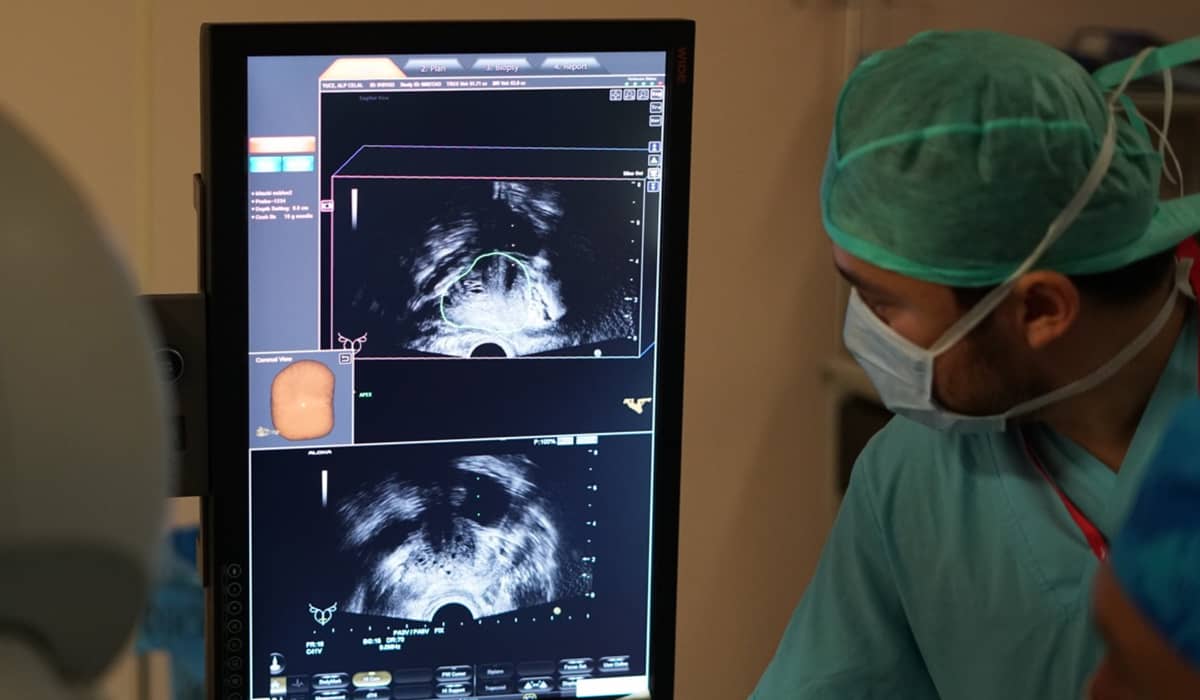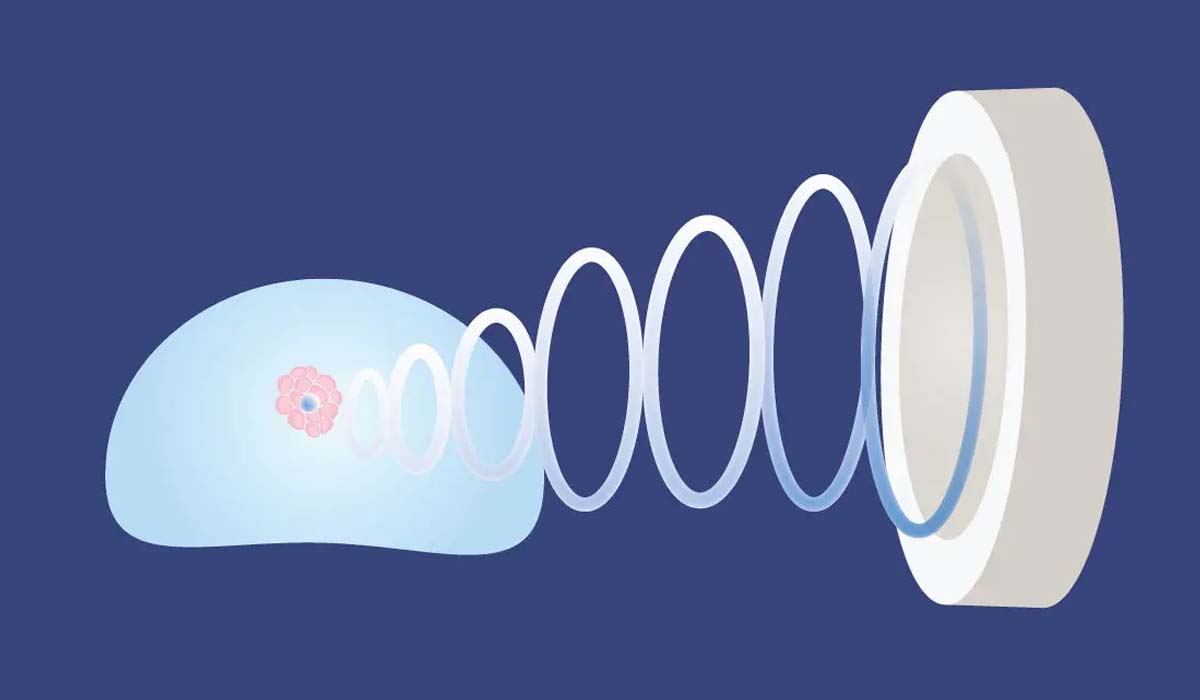
If you have been diagnosed with prostate cancer, you probably have dozens of tangled questions in your mind right now: “How serious is it? Will I need surgery? When? When can I go back to work?” This page answers these questions in the order you will experience them: it describes the eight stages you will go through, from the moment you first contact our clinic to follow-up lasting years, how long each one takes and what is expected of you.
Let us start with the most important sentence: prostate cancer, even when present, is in the great majority of cases a slowly progressing disease. The few weeks between diagnosis and treatment do not change the course of the disease, but they completely change the quality of your decision. When this process is carried out without haste and in the right order, it is much calmer than most patients expect. We also cover what you may feel in the first days after diagnosis and the first steps to take in our article I have just been diagnosed with cancer: what should I do?
Overview of the Process
| Stage | What happens | Typical duration |
|---|---|---|
| 1. First contact | You send your reports; our team calls you | Same day |
| 2. First consultation | The reports are read together and your questions are answered | 45–60 minutes |
| 3. Tests | Missing tests are scheduled for a single day | 1 day |
| 4. Tumour board and decision | The plan is discussed at the tumour board and given to you in writing | Within 1 week |
| 5. Preparation | Anaesthesia, exercise training, insurance procedures | 1 week |
| 6. Treatment | Surgery and hospital stay | 1–2 nights |
| 7. Recovery | Catheter, check-up, return to work | 1–6 weeks |
| 8. Follow-up | PSA and regular check-ups | For years |
1. First Contact: You Send Your Reports
The process does not begin with booking an appointment but with sending us your reports. Through the Preliminary Assessment form you can upload your PSA results and, if available, your MRI and biopsy reports, or you can call us. Our patient coordinator calls you on the same day, listens briefly to your situation, tells you if any documents are missing and schedules the first consultation.
At this stage the only thing we ask of you is to gather your documents: PSA values (including those from previous years, if available), MRI images (not just the report, but the images themselves), the pathology report and a list of the medicines you take. If a treatment plan has been made at another centre, bring the written version as well; seeking a second opinion is completely natural, and we would like you to tell us so openly.
If you are applying from outside Istanbul or from abroad, this first assessment is carried out remotely; which tests will be needed when you arrive in Istanbul, and what can be done in a single day, is clarified in advance.
2. First Consultation: We Read Your Reports Together

The first consultation takes place at our practice in Maçka and lasts 45–60 minutes. Most of this time is devoted to reading your reports together, line by line. When the Gleason score or ISUP grade group in your pathology report, your PSA value and your MRI findings are brought together, your disease falls into one of three risk groups: low, intermediate or high. Every decision from then on is made according to this group; understanding which group you are in is therefore the most important step of the process.
We recommend that you come to the consultation with your partner or a relative. Two people hear better than one, and this decision affects their lives as much as yours. Writing down your questions in advance helps you get more out of the consultation.
At the end of the consultation you will have three things: a written preliminary assessment describing your disease, a list showing which tests are missing, and the name and number of our coordinator, whom you can reach directly throughout the process.
3. Tests: Missing Tests Are Completed in a Single Day
Many patients come to us with a diagnosis but incomplete staging. Staging shows whether the disease is confined to the prostate or has reached the surrounding tissues or distant organs, and a treatment plan cannot be built without this information.
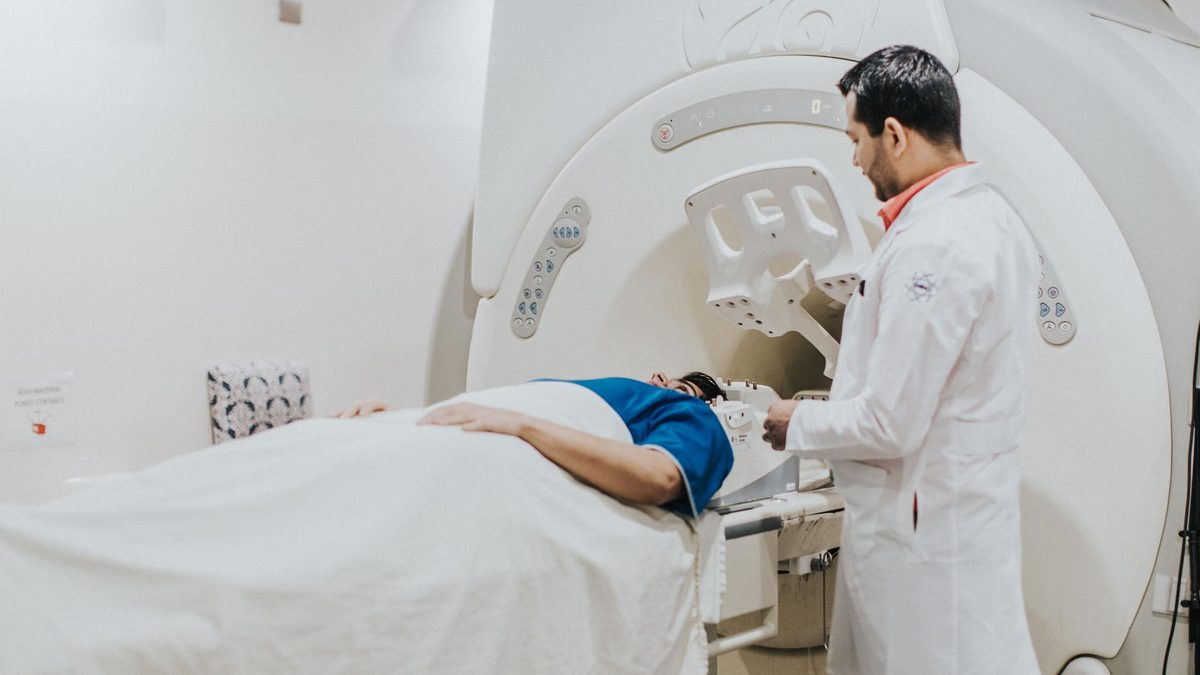
The tests that may be needed vary according to your risk group. In low-risk disease, additional tests are often not required. In intermediate- and high-risk disease, current scientific data recommend imaging called PSMA PET, which can show prostate cancer cells even when they form millimetre-sized foci. If your prostate MRI was taken at another centre, the images are re-evaluated by our radiology team; if necessary, the biopsy slides are re-read by our pathologist. We explain why the adequacy of the biopsy matters in our article on biopsy quality.
All of these tests are scheduled by our coordinator at Memorial Şişli Hospital, on a single day whenever possible. For our patients who work long hours or come from out of town, this is not a detail but the process itself: every day spent in uncertainty is more exhausting than the diagnosis itself.
4. Tumour Board and Decision: The Plan Is Not One Person's Decision but a Table's
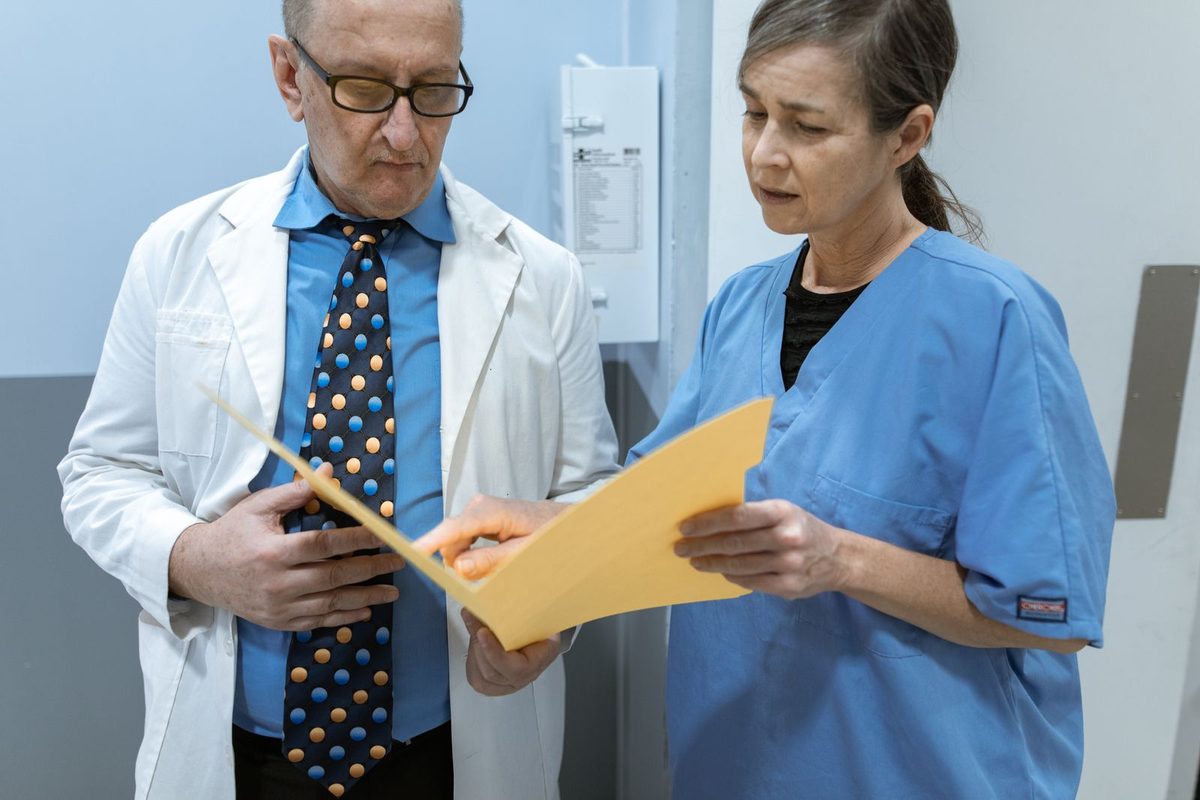
When the tests are complete, your case is discussed at the tumour board. At the board, a urologist, radiation oncologist, medical oncologist, nuclear medicine specialist, radiologist and pathologist sit at the same table, look at the same images and discuss on your behalf. Current scientific data show that in patients evaluated by a tumour board, treatment plans change at a significant rate and adherence to scientific recommendations increases.
The options before the board are shaped by your risk group:
- In low-risk disease, the first recommendation is often not surgery but active surveillance: following the disease closely with regular PSA tests, MRI at set intervals and a repeat biopsy when needed. Long-term studies show that in correctly selected patients this approach provides safety similar to immediate treatment and protects the patient from the side effects of treatment for years.
- In intermediate- and high-risk disease, treatment is needed and there are two main paths: removal of the prostate with robotic surgery, or radiotherapy combined with hormone therapy. Both are effective; which suits you depends on the features of the disease, your age, your other illnesses and your priorities. In high-risk disease a single treatment is often not enough; additional treatment after surgery, or drug support built around the surgery, may be part of the plan.
The outcome of the board is given to you in writing: the stage and risk group of your disease, the suitable options, the benefit and cost of each option, our recommendation and its rationale. We particularly encourage you to show this document to other doctors; a good plan is not afraid of being questioned. We make the decision together, and asking for a few weeks to think it over is both possible and right.
5. Preparation: The Week Before Surgery
If surgery has been decided on, three things are done in the week before the operation. The anaesthesia assessment and blood tests are completed; if you have a heart or lung problem, a plan is made together with the relevant specialist; if you take blood thinners, when to stop them is decided together. Second, our physiotherapist teaches you pelvic floor exercises in practice; current scientific data show that patients who start these exercises before surgery regain urinary control earlier. You can find how the exercises are done in our article on Kegel exercises. Third, our nurse explains life at home with a catheter in advance; this is the subject patients worry about most, and the only reason for the worry is not knowing.
Insurance procedures are also completed during this week. If you have private health insurance, the hospital's contracted institutions unit handles the pre-authorisation correspondence on your behalf; any amount you may have to pay is notified to you in writing before the operation. For international policies, the international patient unit takes care of direct billing or the reimbursement process.
If you have chosen radiotherapy, your planning meeting with the radiation oncology team takes place in the same week, and we continue to follow the process together with them.
6. Treatment: The Day of Surgery and the Hospital Stay
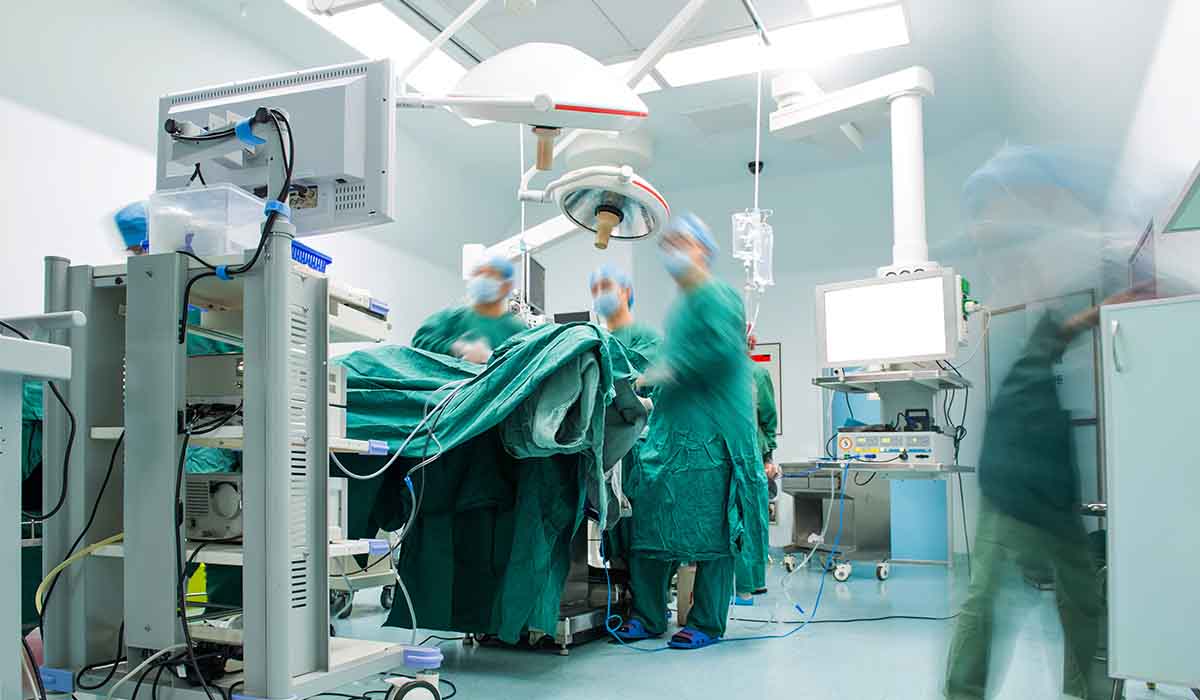
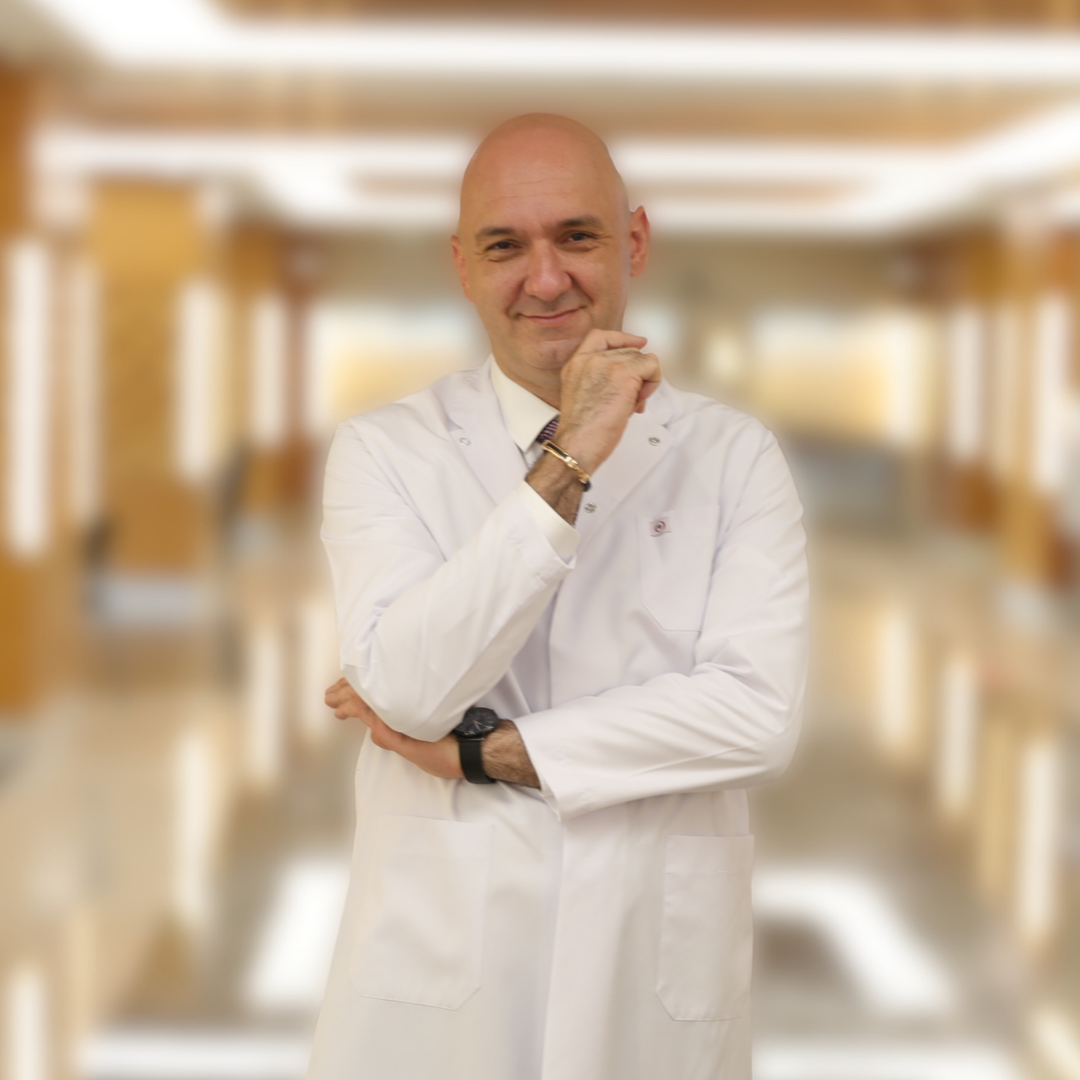
On the morning of the operation you are welcomed in your room at Memorial Şişli Hospital, and we go down to the operating theatre together. Robotic radical prostatectomy is performed under general anaesthesia through several small incisions in the abdomen or, with the Single Port method, through a single incision, and usually takes two to three hours. The robot makes no movement on its own; every movement is made by the hands of the surgeon sitting at the console. Your operation is performed from start to finish by Prof. Dr. Murat Binbay, who speaks to your family personally when it is over.
When you wake up you will have a urinary catheter and small dressings. This is where the difference of robotic surgery begins: pain is low and most patients are comfortable with simple painkillers. You get up on the evening of the operation or the next morning; walking early is not a suggestion but part of the treatment. The hospital stay is usually one to two nights; for Single Port patients it is often one night.
The catheter stays in when you are discharged; this is so that the urinary tract reconnected during the operation can heal.
7. Recovery: Catheter, Check-Up and Return to Work
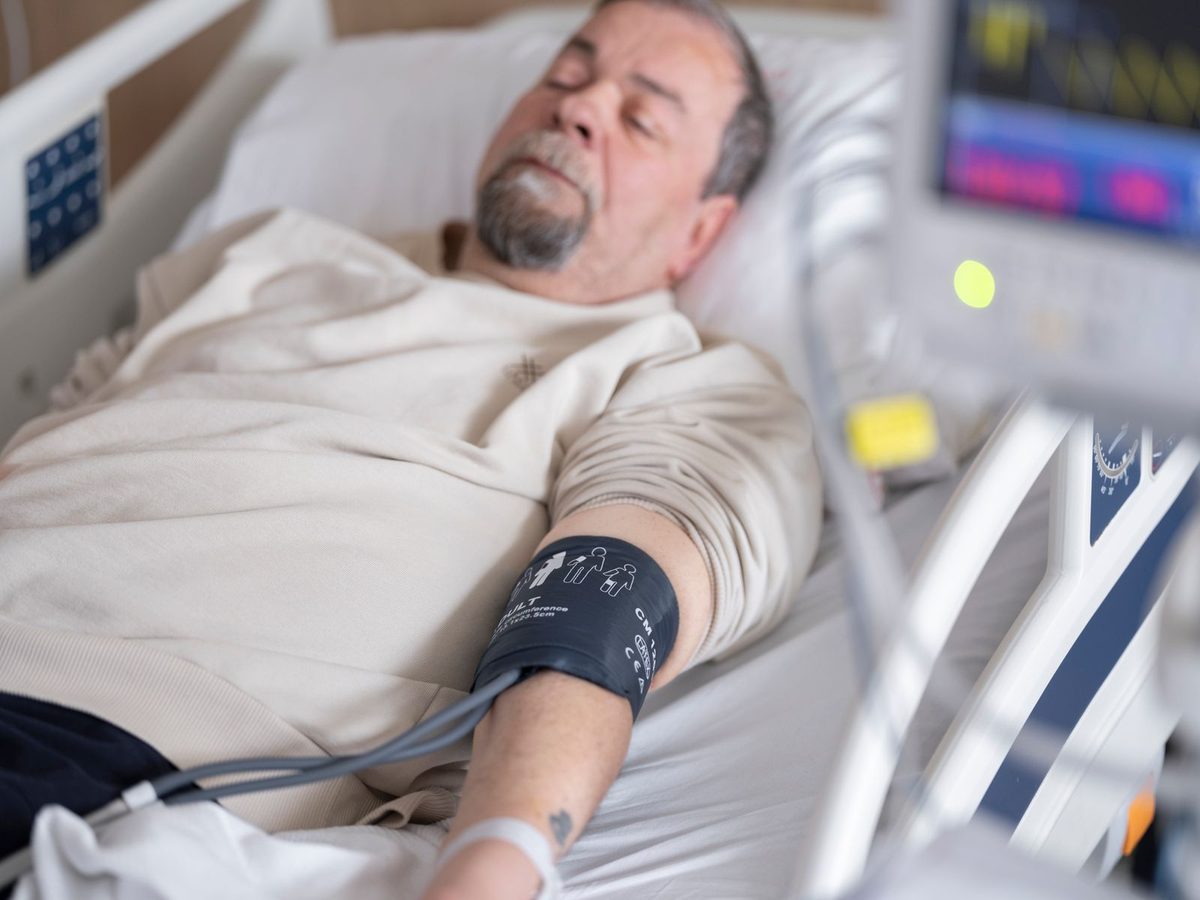
The catheter is removed at our practice in a few minutes about one week after the operation. In the first weeks afterwards, some urinary leakage, especially when standing up and coughing, is expected; this is not a complication but recovery itself. Current scientific data show that the great majority of patients achieve, within months after robotic surgery, a level of control that does not affect daily life. Three things shorten this period: careful preservation of the urinary continence mechanism during surgery, pelvic floor exercises and patience. The return of sexual function is a longer process; in patients in whom nerve-sparing surgery was possible it returns gradually over months, and we support this process with an early rehabilitation programme.
The pathology result is ready about a week later and is read together: the true stage of the disease, the surgical margins and whether additional treatment is needed. If additional treatment is needed, this is not a failure but the second step of the plan foreseen from the start.
Patients with desk jobs usually return to work within two to three weeks; for heavy physical work and sport, six weeks of waiting is advised. Our patients from out of town and abroad stay in Istanbul until the catheter is removed; after that, most of the follow-up can be carried out remotely. In the first week after surgery our team calls you every day; you will have a single number to reach whenever you have a question.
8. Long-Term Follow-Up: We Are With You for Years
The first PSA measurement after surgery is taken in the third month. Since the prostate has been removed, the value is expected to be so low as to be unmeasurable; this is our most reliable indicator throughout follow-up and allows us to detect even the smallest change early. Check-ups take place every three to six months in the first years, then once a year. For our patients on active surveillance, follow-up is carried out with PSA every six months, MRI at set intervals and a repeat biopsy when needed.
A significant part of the follow-up consultations can be done remotely; the app we have prepared for our registered patients collects your check-up dates and results in one place and allows you to reach our team directly. If PSA changes over the years, the options are again evaluated at the tumour board and together with you; in this situation too, more can be done than most patients think.
Frequently Asked Questions
How long is it from diagnosis to surgery?
Including completion of tests, the tumour board and preparation, usually two to four weeks. This period does not change the course of the disease; it improves the quality of the decision.
Surgery was recommended at another centre; can I come to you just for a second opinion?
Yes. A second opinion is part of a good decision and does not oblige you to change doctors. It is enough to bring your images and pathology report.
Do you recommend surgery to every patient?
No. In low-risk disease our first recommendation is often active surveillance; when treatment is needed, the surgical and radiotherapy options are explained together.
What is the difference between Single Port and multi-incision robotic surgery?
There is no difference in terms of cancer control; Single Port makes recovery more comfortable and provides a clear advantage in certain patients. Which one suits you is determined at the examination. For details, see our article who is Single Port robotic surgery suitable for.
Will my insurance cover this process?
Most private health insurance policies cover robotic surgery under inpatient treatment benefits; the conditions specific to your policy are clarified at the pre-authorisation stage and notified to you in writing.
I am coming from abroad; how long should I stay in Istanbul?
For surgery, usually until the catheter is removed, that is, about one week. The first assessment and most of the follow-up can be done remotely.
The Next Step
If you have received a prostate cancer diagnosis, the first step is not to book an appointment but to allow us to evaluate your reports. You can send your documents through the Preliminary Assessment form or call our patient coordinator on +90 530 100 90 85. Our team will get back to you on the same day.
The information on this page is for general guidance and does not replace an examination; the right path for each patient is determined according to their own situation.
Clinical Note
This article was written and medically reviewed by Prof. Dr. Murat Binbay, a urologist with more than 25 years of experience and over 1,500 robotic operations. The assessments reflect current international guideline recommendations together with our own clinical practice.
The information here is for general guidance only. Because every patient's history, imaging findings and comorbidities differ, a treatment decision can only be made after an examination. You can reach us through our contact page, or read more about our physician on the about us page.
Sources
- European Association of Urology — Prostate Cancer Guidelines (2026)
- National Comprehensive Cancer Network (NCCN) — Prostate Cancer Guidelines, Version 5.2026
- Hamdy FC et al. — ProtecT: Fifteen-Year Outcomes after Monitoring, Surgery, or Radiotherapy for Prostate Cancer (NEJM, 2023)
Last reviewed: 8 October 2026 · Reviewed by: Prof. Dr. Murat Binbay, Urology and Robotic Surgery Specialist
Let Prof. Dr. Murat Binbay's team review your case
If you read this far, you probably have questions. Fill in the two-minute digital consultation form and we will get back to you within 24 hours.
- Answer within 24 hours
- Your data stays confidential
 Önceki Yazı
Which Biopsy Should Be Preferred to Diagnose Prostate Cancer? Why Does Biopsy Quality Matter?
Önceki Yazı
Which Biopsy Should Be Preferred to Diagnose Prostate Cancer? Why Does Biopsy Quality Matter?
 Sonraki Yazı
Focal Therapy in Prostate Cancer: In Which Patients Do We Consider It First?
Sonraki Yazı
Focal Therapy in Prostate Cancer: In Which Patients Do We Consider It First?
Yorumlar
Yorum Yazın
Henüz yorum yapılmamış. İlk yorumu siz yapın!