A bladder stone emerges when minerals accumulate in the bladder and turn into small "stones". Bladder stones, which mostly affect older men, can be troublesome, but a range of treatment options is available.
Brief Information About Bladder Stones
Here are some important points about bladder stones. More detail and supporting information are in the main article.
Bladder stones are seen most in men over the age of 50.
Medical conditions underlying stone formation are generally responsible for bladder stones.
The symptoms of bladder stones include a change in the colour of the urine and pain when urinating.
Bladder stones are rarer in women.
Bladder stones can be the cause of blood being seen in the urine.
What Are Bladder Stones?
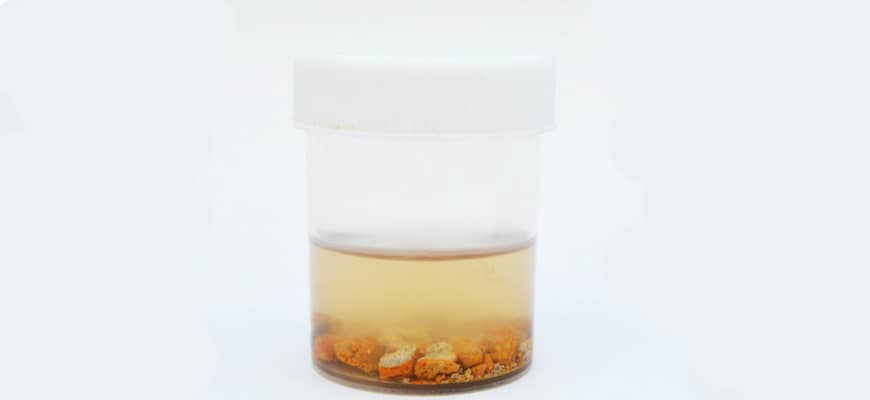
Bladder stones can be made up of various minerals that accumulate in the bladder when the urine is not completely expelled during urination.
Bladder stones, also called vesical stones or cystoliths, are caused by mineral accumulation. If the bladder is not completely emptied after urinating, a bladder stone can form.
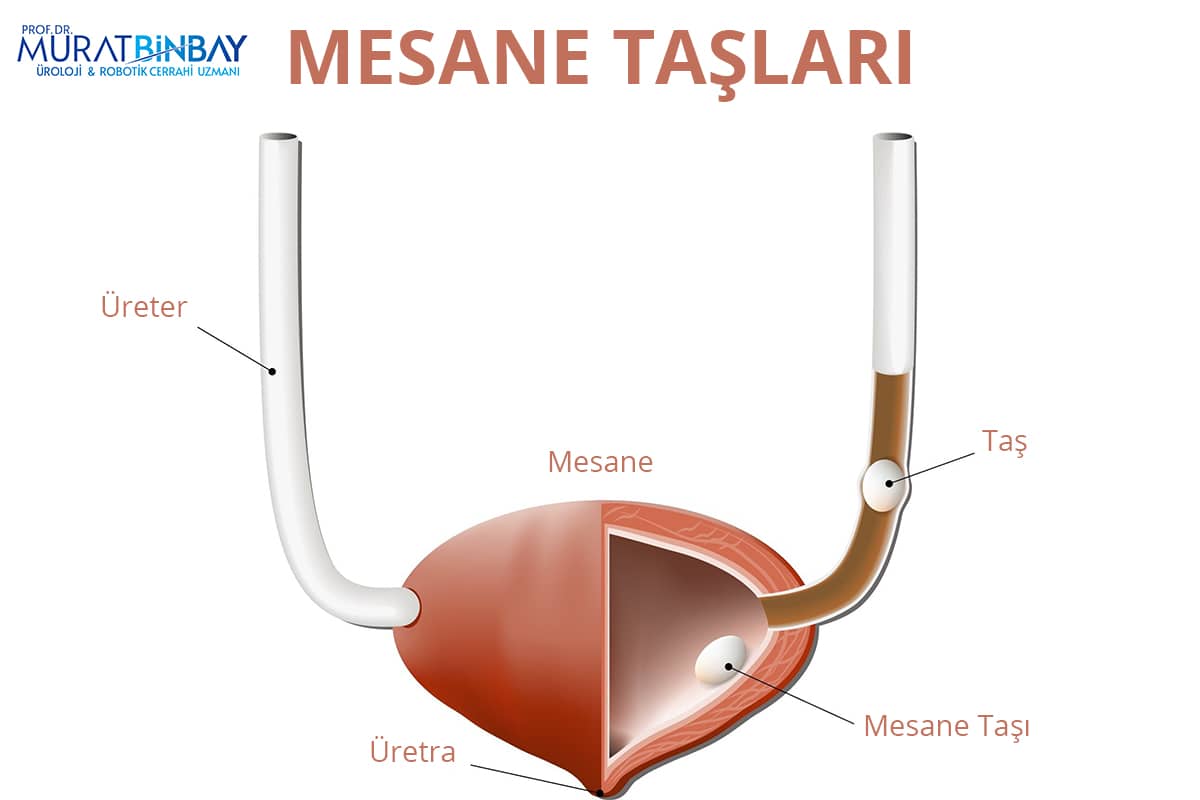
The urine remaining in the bladder becomes concentrated and the minerals in the fluid turn into crystals. Sometimes these stones can be expelled while they are still very small. In other cases, bladder stones can stick to the wall of the bladder or the ureter (the route extending from the kidney to the bladder). If this happens, more mineral crystals gradually accumulate and over time they grow.
Bladder stones can remain in the bladder for a while and do not always cause symptoms. They are generally found when an X-ray is taken for a different medical reason.
Large bladder stones may need to be removed by a urology specialist.
Sometimes only one stone can develop, in other cases a group of stones can form. The stones vary in shape; some are almost spherical while others can be irregular shapes.
The smallest bladder stones are barely visible to the naked eye, but some can reach an impressive size. According to Guinness World Records the largest bladder stone weighed approximately 1.9 kg and measured 17.9 x 12.7 x 9.5 cm.
Bladder Stone Symptoms
Bladder stones may not give symptoms immediately. However, if the stone irritates the bladder, the symptoms may include the following:
Discomfort or pain in the penis in men
More regular urination or the flow stopping
It takes longer to start urinating
Pain in the lower stomach region
Pain and discomfort when urinating
Cloudy or abnormally dark-coloured urine
The Causes of Bladder Stone Formation
Bladder stones begin to grow when urine is left in the bladder after urinating. This generally arises from an underlying medical condition that prevents the bladder from emptying completely when using the toilet.
The conditions preventing the bladder from emptying completely are as follows:
Neurogenic Bladder: if the nerves working between the bladder and the nervous system are damaged, for example in paralysis or spinal cord injury, the bladder may not empty fully.
Prostate Enlargement: if the prostate has enlarged, it can put pressure on the urethra and cause the flow to be disrupted, leaving some urine in the bladder.
Medical Devices: catheters or other medical devices can cause bladder stones.
Inflammation of the Bladder: urinary tract infections or radiation treatment can cause stones to form in the bladder.
Kidney Stones: kidney stones can move down the ureters and, if they are too large to pass, they remain in the bladder and can cause obstruction. Kidney stones are more common than bladder stones.
Bladder Diverticulum: pouches can form inside the bladder. If the pouches reach a large size they can hold urine and prevent the bladder from emptying completely.
Cystocele: in women the bladder wall can weaken and descend as far as the vagina; this can affect the flow of urine from the bladder.
Risk Factors
Below are some of the factors that can increase the risk of a bladder stone:
Age and Sex: men develop bladder stones more often than women, particularly as they get older.
Paralysis: people with a serious spinal cord injury who have lost muscle control in the pelvic region cannot empty their bladders fully.
Bladder Outlet Obstruction: any condition preventing the outflow of urine from the bladder. There are several different conditions that block the bladder, the most common being prostate enlargement.
Bladder Augmentation Surgery: a type of operation performed for the treatment of urinary incontinence in women can cause bladder stones.
Complications
Although some bladder stones do not give any symptoms, if they are not removed they can still lead to complications. The two main complications are as follows:
Chronic Bladder Dysfunction: frequent urination that is painful and uncomfortable. Sometimes bladder stones can completely prevent urine from leaving the body.
Urinary Tract Infections: multiple repeated infections may be seen.
Tests and Diagnosis
The diagnosis of bladder stones can involve a range of different tests:
Physical Examination: a urology specialist can place their hands on the lower abdomen to feel that the bladder has enlarged. They can examine the rectum to check whether the prostate has enlarged.
Urine analysis: a urine sample can be tested for signs of blood, bacteria and crystallised minerals.
Spiral Computed Tomography (CT): CT scans combine multiple X-ray images to create a detailed image of the internal organs.
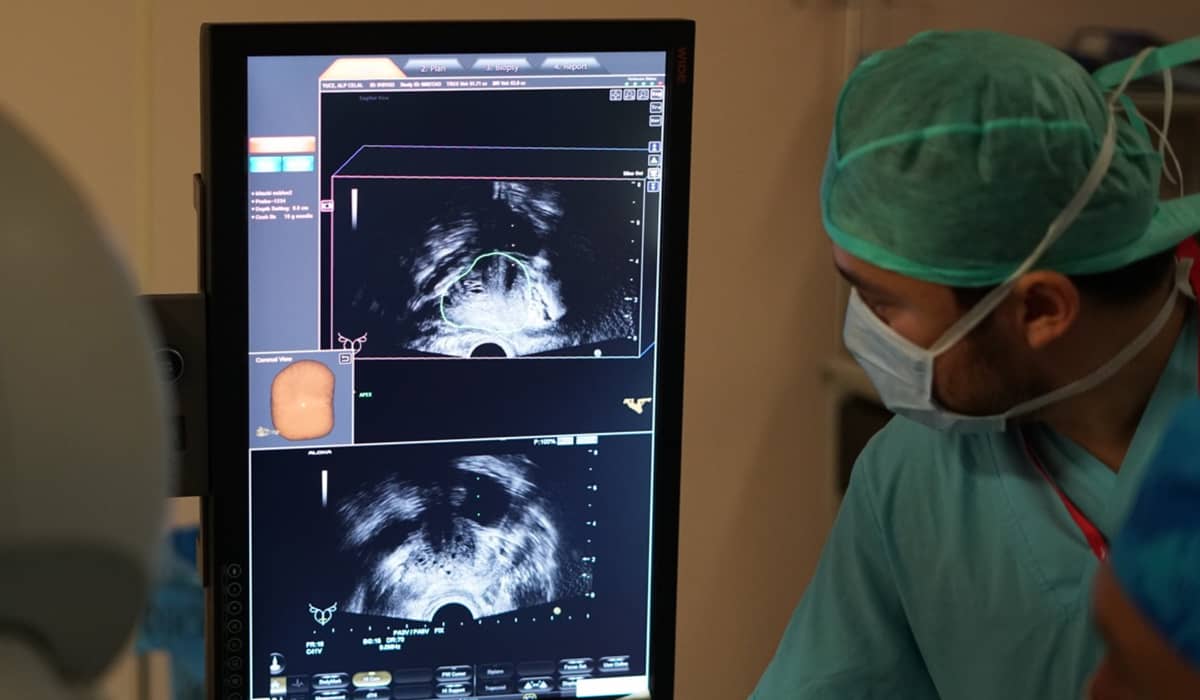
Ultrasound: it creates an image by reflecting sound off the internal organs.
X-ray: not every type of bladder stone is seen on X-ray.
Intravenous Pyelogram: a special fluid is injected into the veins and this fluid travels towards the kidneys and the bladder. X-rays are taken throughout the procedure to look for signs of kidney stones.
The Treatment of Bladder Stones
If bladder stones are caught while they are still small, increasing the amount of water drunk may be sufficient to expel them from the body by natural means.
If they are too large to be expelled with the urine, the treatment of bladder stones involves breaking them up or removing them with surgery.
Breaking Up Bladder Stones
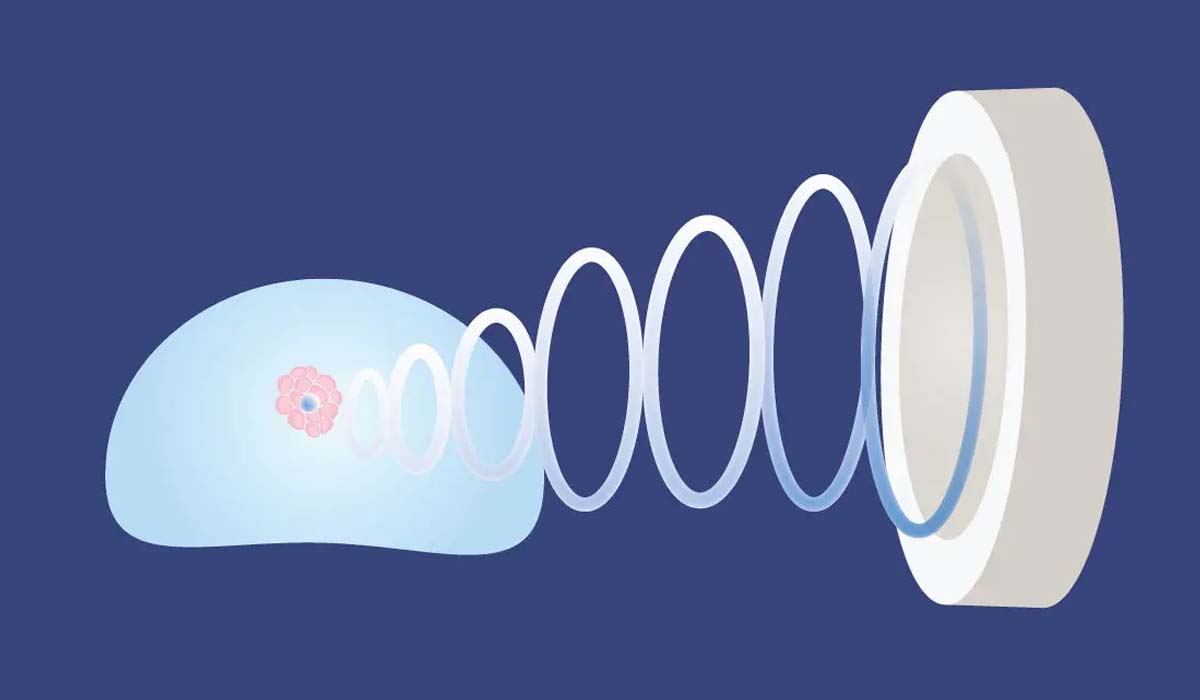
In the procedure called cystolitholapaxy, the urethra (the opening at the tip of the penis or above the vagina) is entered with a thin tube with a camera at its tip. The stones can be broken up with the help of this tube.
The doctor will use a laser, ultrasound or a small instrument to break the stones before washing (or vacuuming) them out. This procedure is carried out under anaesthesia.
Complications arising from cystolitholapaxy are rare but can include tears in the bladder wall and infections.
Surgery
If the stones are too large to be broken up with cystolitholapaxy, surgery is an alternative treatment option. The surgeon will enter the bladder through an incision in the abdomen and remove the bladder stones. Any surgical procedure comes with certain risks, so cystolitholapaxy is always the first choice.
Preventing Bladder Stones
Because a range of medical illnesses cause bladder stones, there is no specific way of preventing them. However, if a person experiences any strange urinary symptom (pain, colour change, blood), it is advised that a medical opinion be sought without losing time. Drinking plenty of fluid will also help developing stones to be broken up.
Some people with a urinary tract infection feel that urine remains in the bladder after urinating. In these situations it is best to try urinating again 10-20 seconds after the first attempt. This is called "double voiding" and can help to prevent stone formation.
According to some research, if you already have an enlarged prostate, sitting down when urinating is said to help ensure that the bladder is completely emptied. This in turn prevents or slows the formation of bladder stones.
Clinical Note
This article was written and medically reviewed by Prof. Dr. Murat Binbay, a urologist with more than 25 years of experience and over 1,500 robotic operations. The assessments reflect current international guideline recommendations together with our own clinical practice.
The information here is for general guidance only. Because every patient's history, imaging findings and comorbidities differ, a treatment decision can only be made after an examination. You can reach us through our contact page, or read more about our physician on the about us page.
Sources
Last reviewed: 8 September 2026 · Reviewed by: Prof. Dr. Murat Binbay, Urology and Robotic Surgery Specialist
Let Prof. Dr. Murat Binbay's team review your case
If you read this far, you probably have questions. Fill in the two-minute digital consultation form and we will get back to you within 24 hours.
- Answer within 24 hours
- Your data stays confidential

Urology and Robotic Surgery Specialist · 25+ years of experience
Last medically reviewed:
 Önceki Yazı
Which Robotic System Would You Like to Have Your Operation With?
Önceki Yazı
Which Robotic System Would You Like to Have Your Operation With?
 Sonraki Yazı
What Is Laparoscopic Surgery?
Sonraki Yazı
What Is Laparoscopic Surgery?
Yorumlar
Yorum Yazın
Henüz yorum yapılmamış. İlk yorumu siz yapın!