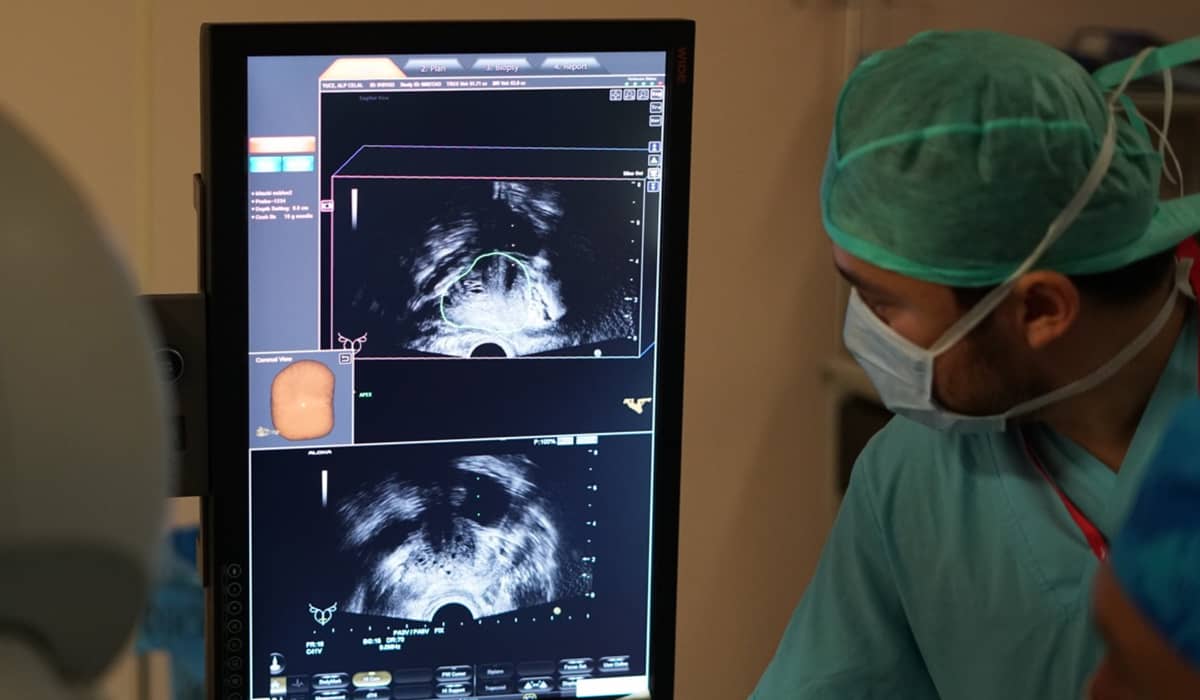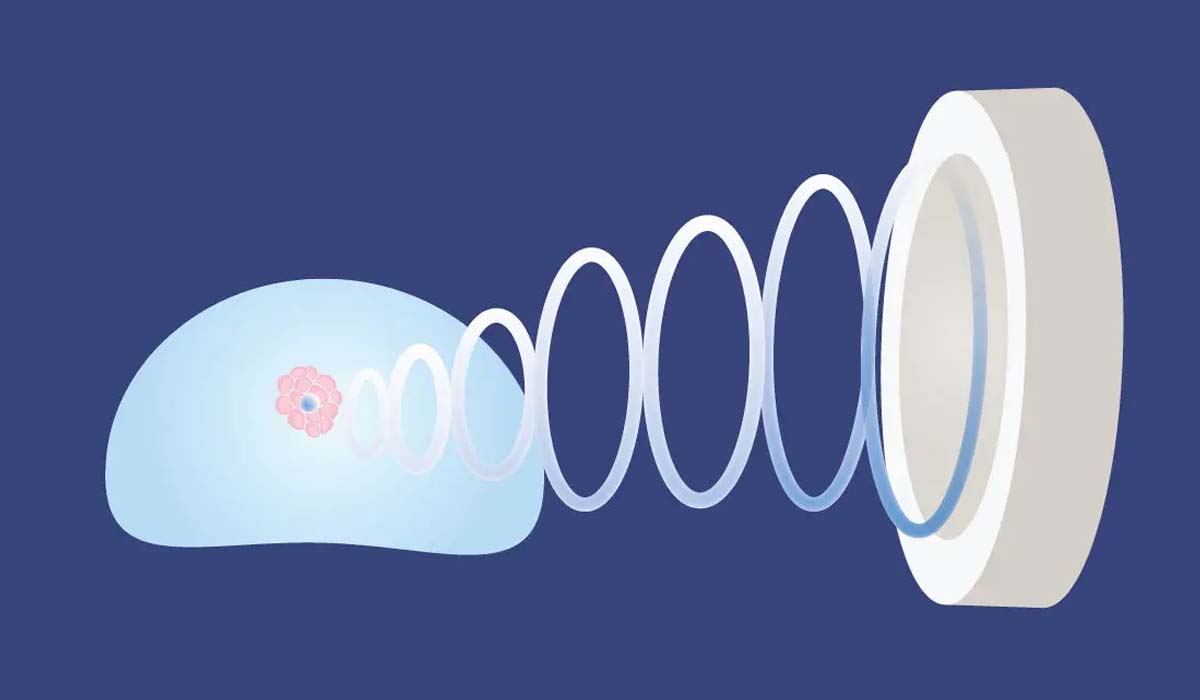
Prostate cancer can affect your life in various ways. These effects vary depending on the type of the disease and its progression.
Prostate Cancer and Daily Life
Prostate cancer is generally a slowly progressing disease and sometimes shows no symptoms at all for years. If in your situation there are no symptoms, the cancer may not affect your daily activities much. You can maintain your daily affairs such as work, social activities and personal care.
However, in the event of the disease progressing, the symptoms and treatment methods can affect your daily life. Treatments such as radiotherapy, surgery or chemotherapy can lower your energy level and you may need to rest during the recovery process.
The effect of the cancer on daily activities
If you have no symptoms, prostate cancer has little or no effect on your daily activities. You should be able to work, look after your family, maintain your usual social and leisure activities and look after yourself.
However, you may understandably feel anxious about your future. This situation can cause you to feel anxious or depressed and can affect your sleep.
If your prostate cancer progresses, you may not feel well enough to do everything you are used to. After an operation or another treatment such as radiotherapy or chemotherapy you will probably feel tired and will need time to recover.
If you have advanced prostate cancer that has spread to other parts of your body, you may have symptoms that slow you down and make it difficult for you to do things. You may need to reduce your working hours or stop working altogether.
Whatever stage your prostate cancer has reached, try to make time for yourself to do the things you enjoy and spend time with those who care about you.
Emotional Effects and Coping
When you are diagnosed with prostate cancer, it is normal for you to experience worries about the future. This worry can cause emotional reactions such as anxiety and depression. Disruption of your sleep can also be a consequence of these emotional states. In order to be able to cope with these situations, receiving psychological support and joining support groups can be beneficial.
The Complications of Prostate Cancer
Erection Problems
If you have erectile dysfunction (impotence), speak with a urology specialist. It may be possible to treat you with a type of medicine called phosphodiesterase type 5 inhibitors (PDE5s). PDE5s work on the logic of increasing the blood flow to your penis.
Another alternative is a device called a vacuum pump. A simple tube connected to a pump. You place your penis inside the tube and then pump out all the air. This creates a vacuum that causes blood to flow into your penis. You then place a rubber ring around the base of your penis. This holds the blood in place and allows you to maintain your erection for approximately 30 minutes.
Not Being Able to Hold Urine
If you have a mild-level problem of urinary incontinence , you can bring it under control by learning some simple exercises. Pelvic floor exercises can strengthen your control over your bladder.
To carry out pelvic floor exercises:
- Sit or lie comfortably with your knees slightly apart.
- Squeeze or lift from the front as if you were trying to stop the passage of urine, then squeeze or lift from the back as if you were trying to stop the passage of wind.
- Hold this contraction for as long as possible (at least 2 seconds, increasing up to 10 as you improve).
- Relax for the same length of time before repeating.
If your urinary incontinence is more severe, it may be possible to treat it with surgery. This would involve the implantation of an artificial sphincter; the sphincter is a muscle used to control the bladder.
Social Relationships
Being diagnosed with prostate cancer most of the time brings families and friends closer, but it can also create pressure on relationships.
Most people want to help even though they do not know what to do. Some people find it difficult to talk about cancer and may try to avoid it.
Being open and honest about how you feel and about what your family and friends can do to help can put others at ease. However, if that is what you need, do not hesitate to tell people that you want to have some time for yourself.
The Post-Treatment Period
After the prostate cancer treatment process, particularly after surgery or intensive treatments, you may feel tired. In this period it is important that you allow yourself time to rest and recover. At times when your energy is low, turning towards less demanding and more relaxing activities can help.
Advanced Prostate Cancer
If the cancer has spread to other parts of your body, your daily activities may become more challenging. In this situation it may be necessary to reduce your working hours or leave work. Pain management and symptom control take on importance at this stage.
Increasing Quality of Life
It is possible to enjoy life even after being diagnosed with prostate cancer. Make time for yourself to do the things you enjoy and spend quality time with your loved ones. Taking up a hobby, taking part in social activities and exercising regularly are important for both your physical and your mental health.
In conclusion, although living with prostate cancer requires various difficulties and adjustments, it is a manageable condition with support and appropriate treatment. It is important to take the necessary steps for you to feel well and to preserve your quality of life.
Clinical Note
This article was written and medically reviewed by Prof. Dr. Murat Binbay, a urologist with more than 25 years of experience and over 1,500 robotic operations. The assessments reflect current international guideline recommendations together with our own clinical practice.
The information here is for general guidance only. Because every patient's history, imaging findings and comorbidities differ, a treatment decision can only be made after an examination. You can reach us through our contact page, or read more about our physician on the about us page.
Sources
- European Association of Urology — Prostate Cancer Guidelines
- National Cancer Institute (NIH) — Prostate Cancer
- Türk Üroloji Derneği — Güncel Kılavuzlar
Last reviewed: 8 September 2026 · Reviewed by: Prof. Dr. Murat Binbay, Urology and Robotic Surgery Specialist
Let Prof. Dr. Murat Binbay's team review your case
If you read this far, you probably have questions. Fill in the two-minute digital consultation form and we will get back to you within 24 hours.
- Answer within 24 hours
- Your data stays confidential

Urology and Robotic Surgery Specialist · 25+ years of experience
Last medically reviewed:
 Önceki Yazı
Breaking Up Kidney Stones: Answers to Frequently Asked Questions
Önceki Yazı
Breaking Up Kidney Stones: Answers to Frequently Asked Questions
 Sonraki Yazı
Benign Prostatic Hyperplasia: The Most Common Questions and Answers
Sonraki Yazı
Benign Prostatic Hyperplasia: The Most Common Questions and Answers
Yorumlar
Yorum Yazın
Henüz yorum yapılmamış. İlk yorumu siz yapın!