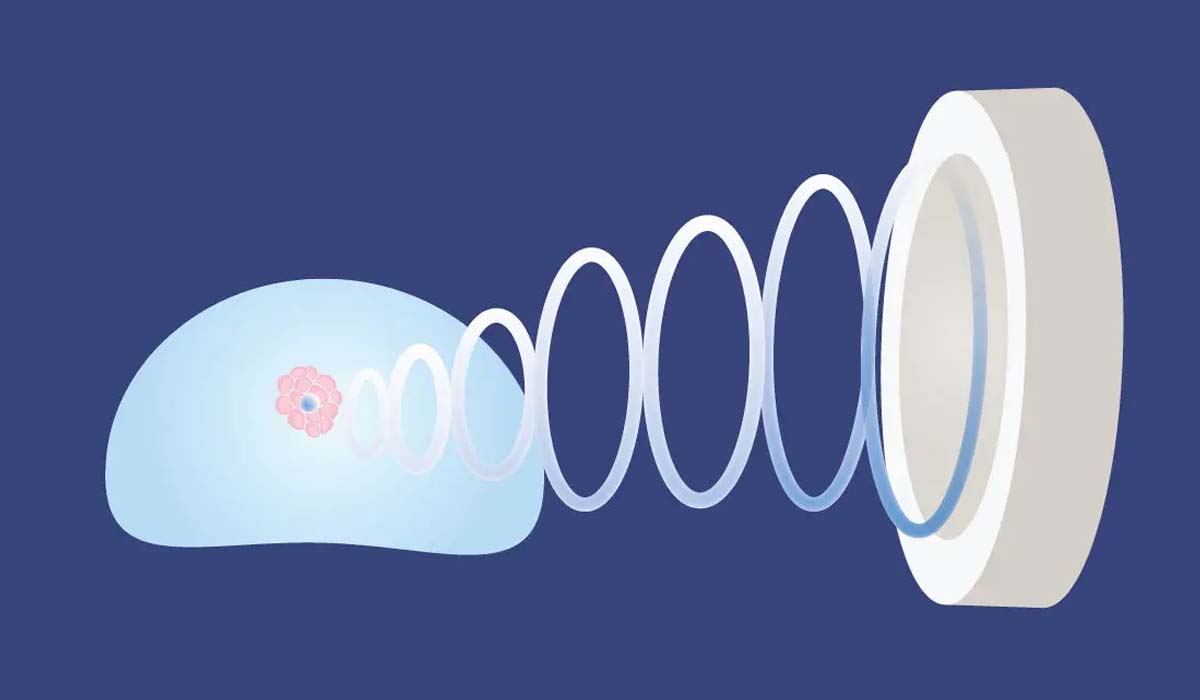
Benign prostatic hyperplasia is a health condition encountered mostly in middle-aged and older men. This condition, known medically as benign prostatic hyperplasia (BPH), is characterised by enlargement of the prostate gland. The prostate is a gland located just below the bladder and forming part of the reproductive system. As age advances, the size of this gland can increase, which can increase the pressure on the urinary tract and lead to various symptoms. BPH must not be confused with prostate cancer; because BPH is generally not a cancerous condition, but it is nevertheless a health problem that must be taken seriously and that can affect quality of life.
The symptoms of BPH generally emerge in the process of urination. Among these can be counted weakening of the urine flow, the need to urinate frequently, waking frequently at night, an urgent need to urinate and difficulty when urinating. These symptoms can adversely affect daily life and reduce a person's quality of life. For this reason the diagnosis and management of BPH is important in order to protect quality of life and prevent potential complications. In this blog, by addressing the most commonly asked questions about BPH, we aim to remedy the lack of knowledge on this subject and to offer useful tips on coping with this condition.
Frequently Asked Questions About BPH
What Are the Symptoms of Benign Prostatic Hyperplasia?
The symptoms of benign prostatic hyperplasia (BPH) generally emerge as a result of the prostate enlarging and putting pressure on the urinary tract. These symptoms can vary from person to person and can become more severe over time. The most common BPH symptoms are as follows:
-
Difficulty in urine flow: the enlargement of the prostate can narrow the urinary tract, which causes difficulty when urinating and weakening of the flow.
-
The need to urinate frequently: the need to urinate frequently, particularly at night, is a typical symptom of BPH.
-
Sudden need to urinate: an urgent need to urinate can lead to the inability to hold urine.
-
Dribbling when urinating: dribbling after urination, a feeling of not emptying completely.
-
Interruptions in the urine flow: difficulty in starting the urine flow or experiencing interruptions during the flow.
-
A feeling of not emptying completely after urination: the feeling that the bladder has not emptied completely after urination.
How Is BPH Diagnosed?
The diagnosis of BPH is made with various clinical assessments and tests. The typical diagnostic process involves the following steps:
-
Assessment of the medical history: the doctor assesses the patient's symptoms, medical history and family health history.
-
Physical examination: rectal examination is generally used in the diagnosis of BPH. In this examination the doctor enters the rectum with a gloved finger and assesses the size, shape and consistency of the prostate.
-
Urine tests: urine tests are carried out to exclude a urinary tract infection or to detect other possible problems.
-
Prostate specific antigen (PSA) test: PSA levels are used to assess the risk of prostate cancer. BPH can increase PSA levels, so this test is also important for assessing the risk of prostate cancer.
-
Urine flow tests: these tests measure the rate and amount of urine flow and thereby help to determine the severity of the BPH.
-
Bladder ultrasound: it is used to check whether the bladder empties completely.
-
Urodynamic tests: these tests assess the urination process and bladder functions.
-
Cystoscopy: in this procedure a small camera is inserted into the bladder and the urethra (urinary tube) and they are observed directly.
These tests and assessments for making a diagnosis of BPH are determined according to the patient's symptoms and general state of health. It is important that men experiencing any symptom of BPH consult a health professional for correct diagnosis and appropriate treatment.
What Are the Treatment Options for Benign Prostatic Hyperplasia?
Various treatment options are available for benign prostatic hyperplasia (BPH). These options are determined according to the severity of the symptoms and the patient's general state of health. Here are the most common BPH treatment methods:
-
Drug treatment: for mild to moderate BPH symptoms the first choice is generally drug treatment. Alpha blockers make urine flow easier by relaxing the muscles of the prostate and the bladder neck. 5-alpha reductase inhibitors, on the other hand, slow or shrink the growth of the prostate. Sometimes these two types of medicine can be given in combination.
-
Minimally invasive therapies: in more serious situations, minimally invasive treatments can be applied. Procedures such as transurethral microwave therapy (TUMT) and transurethral needle ablation (TUNA) are used to shrink prostate tissue.
-
Surgical methods: surgical intervention may be necessary for severe BPH symptoms. Transurethral resection of the prostate (TURP) is the most frequently performed BPH operation. In this procedure part of the prostate is removed. For more serious situations open surgery or laser treatments can also be an alternative.
-
Watching and waiting method: for mild symptoms, doctors recommend monitoring the situation regularly and waiting before starting treatment.
How Do Lifestyle Changes Affect BPH?
Lifestyle changes can be effective in managing symptoms, particularly for patients with mild to moderate BPH symptoms. Here are some recommendations:
-
Managing fluid consumption: avoiding excessive fluid consumption in the evening hours can reduce the need to get up frequently to urinate at night.
-
Limiting caffeine and alcohol: caffeine and alcohol can irritate the bladder and worsen BPH symptoms.
-
Regular exercise: physical activity can help to improve prostate health and is at the same time beneficial for general health.
-
A healthy diet: a low-fat diet weighted towards vegetables and fruit can support prostate health.
-
Weight control: excess weight can increase the risk of BPH. Keeping your weight under control can relieve the symptoms.
-
Pelvic floor exercises: strengthening the pelvic floor muscles can improve urinary control.
These lifestyle changes can help in managing BPH symptoms, but because every patient's situation is different, it is important to speak with a health professional for a personal treatment plan.
What Happens If Prostate Enlargement Progresses?
When benign prostatic hyperplasia (BPH) progresses, the symptoms become more severe and can significantly affect daily life. The situations that progressing BPH can lead to are as follows:
-
Severe urinary retention: as BPH progresses, complete or partial retention of urine becomes more common. This can be a serious situation requiring urgent medical intervention.
-
Urinary tract infections (UTIs): the inability to empty urine completely can increase the risk of UTIs.
-
Bladder stones: urine in the bladder not being emptied completely on a regular basis can lead to the formation of bladder stones.
-
Bladder damage: long-standing BPH can cause thickening of the bladder walls and dysfunction.
-
Kidney damage: the inability to empty urine completely from the bladder can over time damage the kidneys.
Because these complications are serious consequences of the progression of BPH, early diagnosis and effective treatment are important. When progressing symptoms or signs of complications are noticed, it is necessary to consult a health professional immediately.
Does BPH Turn Into Cancer?
BPH and prostate cancer are two separate conditions not related to one another. BPH is not a cancerous condition and does not turn into prostate cancer. However, because both conditions can cause enlargement of the prostate, the symptoms can be similar. For this reason it is important that men showing symptoms of BPH also be assessed in terms of prostate cancer.
The presence of BPH does not increase the risk of prostate cancer, but it can make the diagnosis of prostate cancer more difficult. The prostate specific antigen (PSA) test and other screening methods are used to assess the risk of prostate cancer. In order to understand the difference between BPH and prostate cancer and to determine the appropriate treatment plan, regular medical check-ups and the necessary screening tests are important. In this way the effective management of both conditions can be ensured.
Clinical Note
This article was written and medically reviewed by Prof. Dr. Murat Binbay, a urologist with more than 25 years of experience and over 1,500 robotic operations. The assessments reflect current international guideline recommendations together with our own clinical practice.
The information here is for general guidance only. Because every patient's history, imaging findings and comorbidities differ, a treatment decision can only be made after an examination. You can reach us through our contact page, or read more about our physician on the about us page.
Sources
- European Association of Urology — Non-neurogenic Male LUTS Guidelines
- NIDDK (NIH) — Prostate Enlargement: Benign Prostatic Hyperplasia
Last reviewed: 8 September 2026 · Reviewed by: Prof. Dr. Murat Binbay, Urology and Robotic Surgery Specialist
Let Prof. Dr. Murat Binbay's team review your case
If you read this far, you probably have questions. Fill in the two-minute digital consultation form and we will get back to you within 24 hours.
- Answer within 24 hours
- Your data stays confidential

Urology and Robotic Surgery Specialist · 25+ years of experience
Last medically reviewed:


Yorumlar
Yorum Yazın
Henüz yorum yapılmamış. İlk yorumu siz yapın!