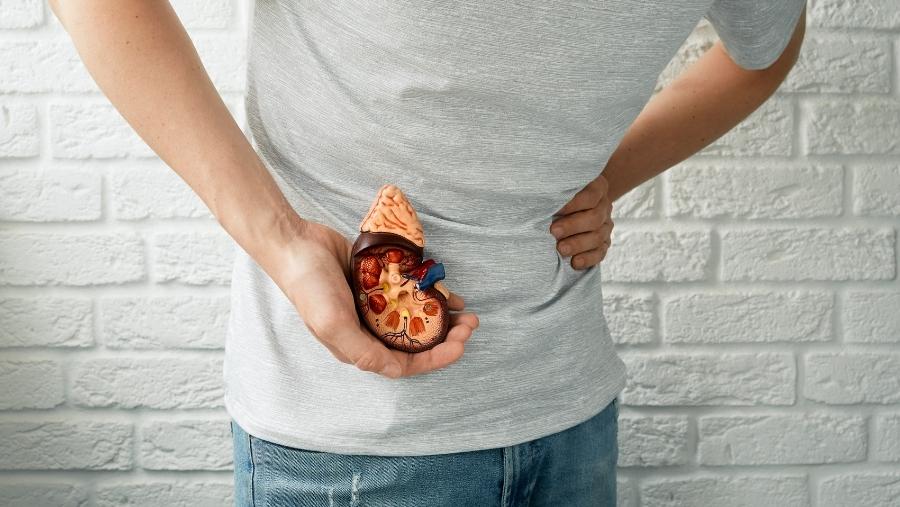
Kidney stones are hard mineral and salt deposits that form in the kidneys or the urinary tract. They generally form as a result of the excessive accumulation of substances that can dissolve in the urine. Kidney stones can form for various reasons, among which can be counted inadequate water consumption, excessive consumption of certain foods, excess weight, certain medicines and medical conditions. The stones are generally expelled from the body painfully through the urinary tract, but sometimes they can cause obstruction, and in this situation medical intervention may be necessary. Among the symptoms of kidney stones are severe pain, blood in the urine, nausea and pain when urinating.
Kidney Stone Breaking Procedures: Frequently Asked Questions
Kidney stones are a common health problem affecting the quality of life of a great many people. In this blog post we will offer answers to frequently asked questions about the kidney stone breaking procedure and this process, so that you can have more detailed information about this treatment method.
Why do kidney stones form?
There are many causes of kidney stones. These can be metabolic causes, anatomical causes and infections. Generally, substances present in the urine settling at the bottom like sediment and this sediment crystallising forms kidney stones.
-
Metabolic causes: in some people, the way their body processes the minerals in the urine creates a predisposition to stone formation. For example, high calcium, oxalate or uric acid levels can cause the formation of kidney stones.
-
Anatomical causes: structural abnormalities of the kidneys or the urinary tract can obstruct the proper flow of urine and promote stone formation.
-
Infections: urinary tract infections, particularly infections caused by bacteria in the urine, can contribute to stone formation.
-
Diet and lifestyle: inadequate water consumption, salty and high-protein diets can also lead to kidney stones. In addition, certain foods (for example foods high in oxalate such as spinach and tea) and certain medicines can also increase stone formation.
-
Genetic factors: in people with a family history of kidney stones the risk of stone formation is higher.
These factors contribute to the process of the various substances present in the urine (calcium, oxalate, urate, etc.) becoming concentrated, crystallising and forming stones. This process can be triggered by causes such as urine not being passed frequently enough or not enough fluid being consumed. In terms of prevention, drinking plenty of water, a balanced diet and regular exercise can reduce the risk of stone formation.
Is it possible to prevent kidney stones?
Yes, it is possible. Determining the cause of the formation of the kidney stone is important. If there are metabolic causes, these can be prevented with drug treatment. Anatomical problems can also be treated.
Is breaking stones with laser an operation?
Yes, breaking stones with laser is an endoscopic operation and generally does not require a hospital stay.
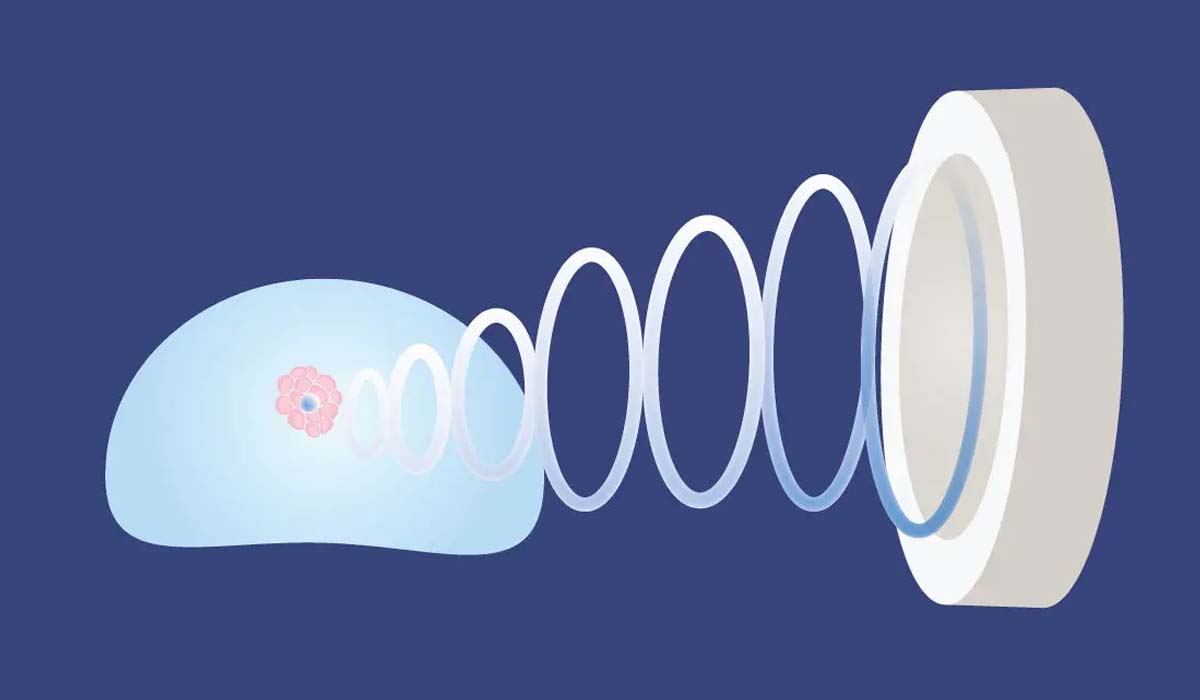
The procedure of breaking stones with laser is a modern and minimally invasive treatment method used to treat kidney stones. In this method, using laser energy, the stones are broken into small pieces. The procedure of breaking stones with laser is generally performed with an endoscopic method, that is, an endoscope (a thin, flexible tube) is advanced through the patient's urinary tract and thus the laser is delivered directly to the stones.
The procedure of breaking stones with laser generally does not require a hospital stay and can be carried out under general or local anaesthesia. After the procedure most patients can return quickly to their normal activities. Breaking stones with laser has a high effectiveness rate and reduces the risk of the stones forming again. This treatment method is suitable particularly for small and medium-sized stones and generally breaks up the stones effectively without damaging the urinary tract.
Does the kidney stone breaking procedure hurt?
Generally, patients do not feel pain or hurt. Local or general anaesthesia can be applied. After the procedure there may be mild pain and burning in the urine.
Is it possible for a kidney stone to form again after having it broken up?
Yes, it is possible. Particularly if the patient does not drink plenty of water or has other underlying causes such as a genetic predisposition, a kidney stone can form again.
When does a kidney stone cause pain?
A kidney stone can cause pain depending on its growth and by falling into the urinary tract. In situations where the kidney is not working adequately, the pain can become more severe.
Is anaesthesia applied in kidney stone breaking treatments?
The decision on whether anaesthesia is applied is made according to the type of treatment to be applied.
Does a kidney stone pass on its own?
Yes, it can pass. For a kidney stone to be able to pass on its own, the stone needs to be 5 mm or smaller in size. Problems such as anatomical disorders and narrowing are also important.
Is rigid ureteroscopy the first alternative in stone breaking?
Rigid ureteroscopy (URS) is a preferred treatment method particularly for kidney stones lodged in the ureter (the tube carrying urine from the kidneys to the bladder). This method makes it possible to visualise and break the stones directly. URS, an endoscopic procedure, involves advancing a thin telescopic device through the urethra and the ureter and breaking the stone with a laser or other instruments. It is generally considered as the first option for small or medium-sized stones. This procedure, performed under anaesthesia, is generally effective and safe depending on the patient's condition and the size and location of the stone. URS, by offering a minimally invasive method for removing stones, provides an alternative to open surgery.
What should patients pay attention to after the procedure?
After the procedure, patients drinking plenty of water and paying attention to their diet, and situations such as burning in the urine, a small amount of blood and going to the toilet quickly are normal and pass within a few days.
Is a catheter fitted after URS?
Yes, a catheter is fitted after URS surgery and is generally removed within 4-5 hours.
Is there a possibility of the kidney stone not being broken up in URS surgery?
Because the URS procedure generally addresses small stones, the risk of the kidney stone not being broken up is low.
If stones remain in the body after the procedure and these stones cannot be expelled with the urine, a second operation may be necessary.
Does URS harm the kidney?
URS surgery generally involves very little or no intervention on the kidney and the risk of harming the kidney is low. However, as with every medical intervention, there are various risks.
Can URS surgery be applied to children?
Yes, because children's urinary channels and kidneys are thinner, it can be applied safely with thinner ureteroscopes.
Does URS surgery have an effect on sexual life?
URS (ureteroscopy) surgery generally has no adverse effect on sexual functions. Because this treatment is carried out on the urinary tract, it does not involve any direct intervention on the sexual organs and for this reason does not affect sexual functions. After the surgery, pain or discomfort may be experienced for a short time, but this is generally temporary and does not cause permanent harm to sexual life. As with every medical procedure, the individual effects of URS can vary depending on the patient's health and particular circumstances, but in general no adverse effect of this procedure on sexual life is expected.
Clinical Note
This article was written and medically reviewed by Prof. Dr. Murat Binbay, a urologist with more than 25 years of experience and over 1,500 robotic operations. The assessments reflect current international guideline recommendations together with our own clinical practice.
The information here is for general guidance only. Because every patient's history, imaging findings and comorbidities differ, a treatment decision can only be made after an examination. You can reach us through our contact page, or read more about our physician on the about us page.
Sources
Last reviewed: 8 September 2026 · Reviewed by: Prof. Dr. Murat Binbay, Urology and Robotic Surgery Specialist
Let Prof. Dr. Murat Binbay's team review your case
If you read this far, you probably have questions. Fill in the two-minute digital consultation form and we will get back to you within 24 hours.
- Answer within 24 hours
- Your data stays confidential

Urology and Robotic Surgery Specialist · 25+ years of experience
Last medically reviewed:


Yorumlar
Yorum Yazın
Henüz yorum yapılmamış. İlk yorumu siz yapın!