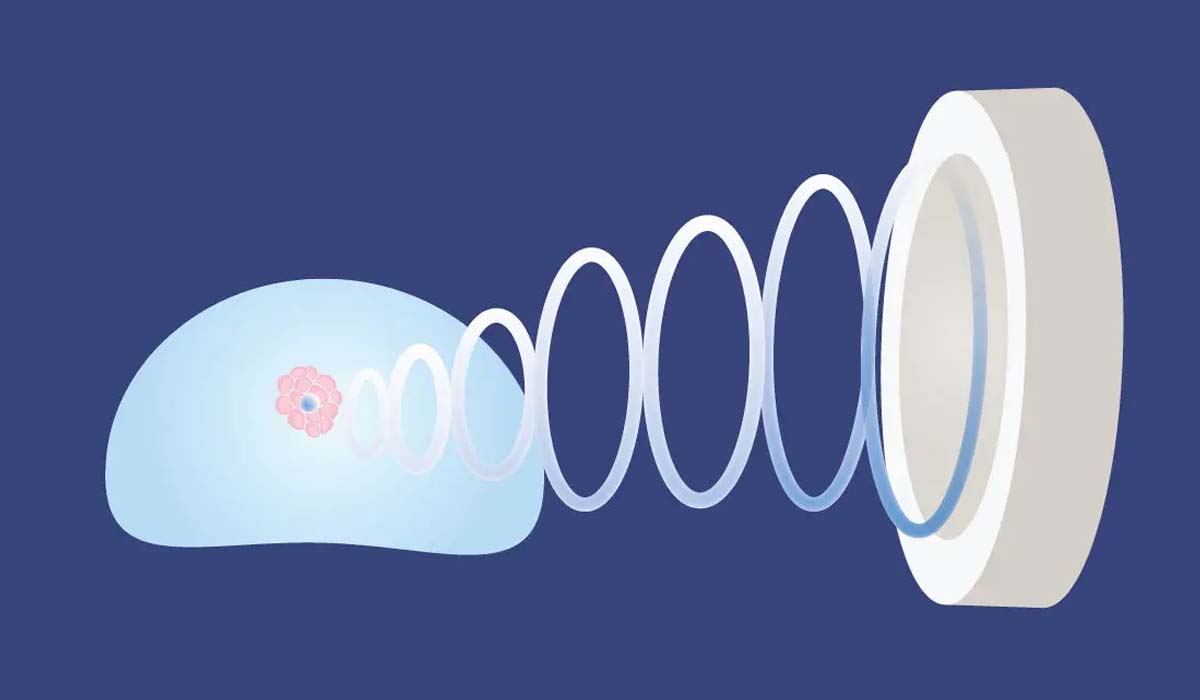
Nocturia is a person waking from sleep at night one or more times and feeling the need to urinate. Although it is frequently seen particularly at advanced ages, it must not be regarded merely as a natural consequence of ageing. Frequent urination at night can be a sign of prostate enlargement, overactive bladder, sleep disorders, diabetes, urinary tract infections or certain systemic diseases.
A great many people accept getting up at night to urinate as "normal" and do not consult a doctor for a long time. Yet frequently interrupted sleep can lead to fatigue during the day, reduced attention, impaired concentration and a marked decline in quality of life. Getting up to go to the toilet two or more times a night in particular may require the underlying causes to be investigated.
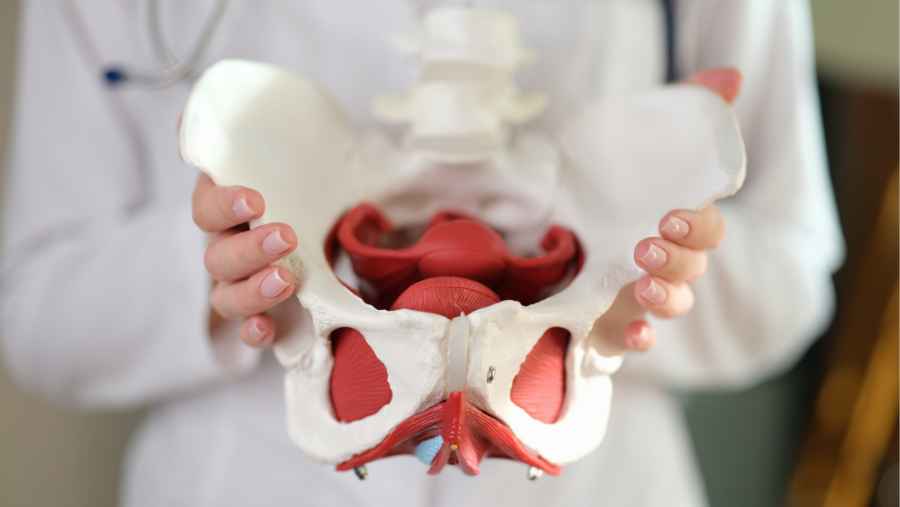
Frequent urination at night can be seen in both men and women. However, in men benign prostatic hyperplasia (BPH) is one of the important causes, particularly after the age of 50. In women, on the other hand, pelvic floor problems, changes in bladder capacity and hormonal factors may come to the fore.
What Is Nocturia?
Nocturia is the situation of a person having to wake from sleep at night and urinate. Under normal conditions the kidneys' urine production decreases during sleep and the bladder can remain unfilled for a longer time. However, in some people there is excessive urine production during the night or bladder capacity decreases. This situation causes the person to go to the toilet frequently.
Getting up once at night to urinate does not always mean disease. This situation may be seen particularly after excessive fluid consumption. However, if waking regularly two or more times a night is disrupting quality of life, it must be assessed.
Why Does Frequent Urination at Night Occur?
The causes of urinating at night can vary from person to person. While in some situations simple lifestyle habits are effective, sometimes it can be a sign of serious urological or systemic diseases.
1- Benign Prostatic Hyperplasia (BPH)
One of the most frequent causes in men is benign prostatic hyperplasia. Enlargement of the prostate gland can cause narrowing at the bladder outlet. Because the bladder cannot empty completely, the person may feel the need to urinate frequently at night.
In these patients the following complaints are also generally seen:
- Weakening of the urine flow
- Urinating in an interrupted way
- A feeling that the bladder is not emptying completely
- Frequent urination
- A sudden urge to urinate
2- Overactive Bladder
As a result of the bladder working more sensitively than normal, a sudden feeling of urgency can occur. This situation can cause frequent urination at night as well as during the day.
In some people leakage before reaching the toilet may also be seen.
3- Excessive Urine Production at Night (Nocturnal Polyuria)
In some people the kidneys produce more urine than normal during the night hours. In particular:
- Excessive fluid consumption in the evening
- Excessive consumption of tea/coffee
- Alcohol use
- Heart failure
- Sleep apnoea
- Oedema in the legs
can increase the amount of urine at night.
4- Diabetes
In patients with uncontrolled diabetes, the high sugar level in the blood can lead to more fluid being excreted by the kidneys. This situation can cause frequent urination both during the day and at night.
Alongside it:
- Dry mouth
- Excessive thirst
- Weight loss
- Weakness
symptoms such as these can be seen.
5- Urinary Tract Infections
Urinary tract infections can irritate the bladder wall and lead to a feeling of frequent urination. In particular, if:
- Burning when urinating
- Foul-smelling urine
- Groin pain
- A feeling of urgency
accompany it, infection must be considered.
6- Sleep Apnoea
Sleep apnoea, which follows a course with cessations of breathing during sleep, is one of the important but frequently overlooked causes of nocturia. Because sleep quality is disrupted, the person wakes frequently at night and during this may feel the need to go to the toilet.
If snoring, daytime sleepiness and morning fatigue accompany it, assessment may be required.
7- Medicine Use
Diuretic medicines in particular can increase urination at night. Some blood pressure medicines and heart medicines can also create a similar effect.
8- A Decrease in Bladder Capacity
Bladder stones, bladder tumours, a history of radiotherapy or chronic bladder diseases can reduce the capacity of the bladder. In this situation the person may feel urgency even with a small amount of urine.
How Many Times a Night Is It Normal to Urinate?
In young individuals, not getting up at all during the night or urinating once can be accepted as normal. At advanced ages, on the other hand, going to the toilet once at night can be seen more frequently due to bladder capacity and hormonal changes.
However, waking regularly two or more times a night, particularly if it is disrupting sleep quality, may be a situation requiring investigation.
Which Diseases Can Nocturia Be a Sign Of?
Frequent urination at night can be associated with the following diseases:
- Benign prostatic hyperplasia (BPH)
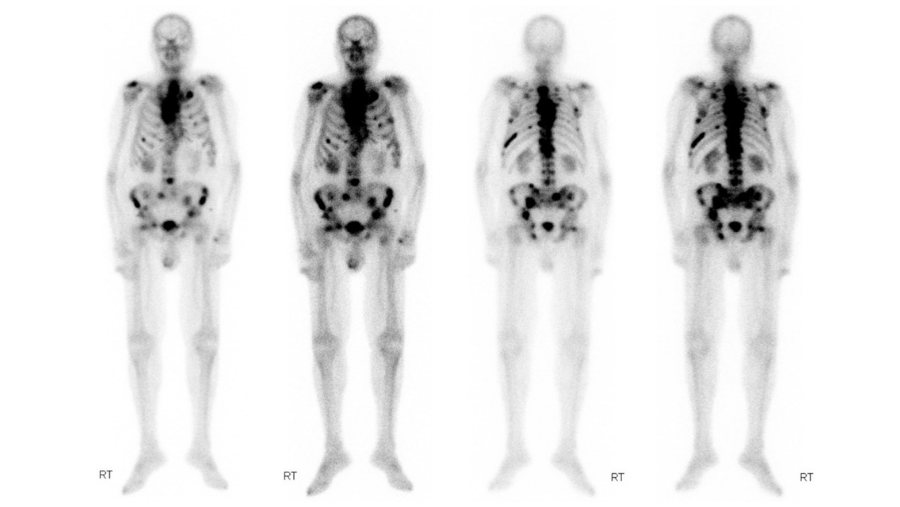
- Prostate cancer
- Overactive bladder
- Diabetes
- Urinary tract infection
- Bladder stone
- Heart failure
- Sleep apnoea
- Kidney diseases
- Neurological diseases
How Is Nocturia Diagnosed?
In the complaint of frequent urination at night, a detailed patient history is first taken for diagnosis. The patient's:
- How many times a night they get up
- How much urine they pass
- Daily fluid consumption
- The medicines they use
- Their accompanying diseases
are assessed.
Urination Diary
The patient may be asked to record for a few days how much fluid they consume and at which hours and how much urine they pass. This method is extremely valuable particularly in understanding excessive urine production at night.
Physical Examination
In men a prostate assessment can be made. In necessary situations abdominal and neurological examination is also planned.
Laboratory Tests
- Urine analysis
- Urine culture
- Blood sugar tests
- Kidney function tests
- PSA test
may be requested.
Imaging and Urological Tests
In necessary situations further investigations such as:
- Ultrasonography
- Uroflowmetry
- Measurement of residual urine in the bladder
- Cystoscopy
- Urodynamics
can be carried out.
How Is Frequent Urination at Night Treated?
The treatment of nocturia is planned according to the underlying cause. There is no single standard treatment method.
Lifestyle Adjustments
- Reducing fluid consumption in the evening hours
- Not consuming tea, coffee and alcohol before going to bed
- Emptying the bladder before going to bed at night
- If there is oedema in the legs, keeping the legs elevated during the day
- Achieving weight control
can provide marked benefit in some patients.
Drug Treatments
Different medicines can be used according to the underlying cause:
- Medicines aimed at prostate enlargement
- Overactive bladder treatments
- Antibiotics
- Medicines that reduce urine production at night
Surgical Treatment
If the underlying cause is prostate enlargement, a bladder stone or a structural problem, surgical treatment may be necessary.
Today robotic surgical methods are being used more frequently, particularly in prostate surgeries. Robotic surgery can provide advantages such as less bleeding, faster recovery and a shorter length of hospital stay.
When Should You Consult a Urology Specialist?
A urological assessment is important in the following situations:
- If you are getting up to urinate two or more times a night
- If there is burning or pain when urinating
- If blood is seen in the urine
- If the urine flow has weakened
- If urinating at night is disrupting sleep quality
- If excessively frequent urination during the day accompanies it
Frequently Asked Questions
Is frequent urination at night a sign of the prostate?
Yes. Particularly in men, benign prostatic hyperplasia is one of the most common causes of frequent urination at night. However, the prostate is not the only cause.
How many times a night is it dangerous to urinate?
If urinating two or more times a night on a regular basis is disrupting quality of life, it may require assessment.
Can nocturia occur at a young age?
Yes. Excessive fluid consumption, overactive bladder, diabetes or sleep disorders can cause nocturia at a young age too.
Can urinating at night be a sign of kidney disease?
In some kidney diseases the amount of urine at night can increase. For this reason assessment is important, particularly if there are additional symptoms.
Does nocturia pass completely?
When the underlying cause is correctly determined, the complaints can be markedly reduced in many patients.
Clinical Note
This article was written and medically reviewed by Prof. Dr. Murat Binbay, a urologist with more than 25 years of experience and over 1,500 robotic operations. The assessments reflect current international guideline recommendations together with our own clinical practice.
The information here is for general guidance only. Because every patient's history, imaging findings and comorbidities differ, a treatment decision can only be made after an examination. You can reach us through our contact page, or read more about our physician on the about us page.
Sources
- European Association of Urology — Non-neurogenic Male LUTS Guidelines
- NIDDK (NIH) — Prostate Enlargement: Benign Prostatic Hyperplasia
Last reviewed: 8 September 2026 · Reviewed by: Prof. Dr. Murat Binbay, Urology and Robotic Surgery Specialist
Let Prof. Dr. Murat Binbay's team review your case
If you read this far, you probably have questions. Fill in the two-minute digital consultation form and we will get back to you within 24 hours.
- Answer within 24 hours
- Your data stays confidential

Urology and Robotic Surgery Specialist · 25+ years of experience
Last medically reviewed:
Yorumlar
Yorum Yazın
Henüz yorum yapılmamış. İlk yorumu siz yapın!