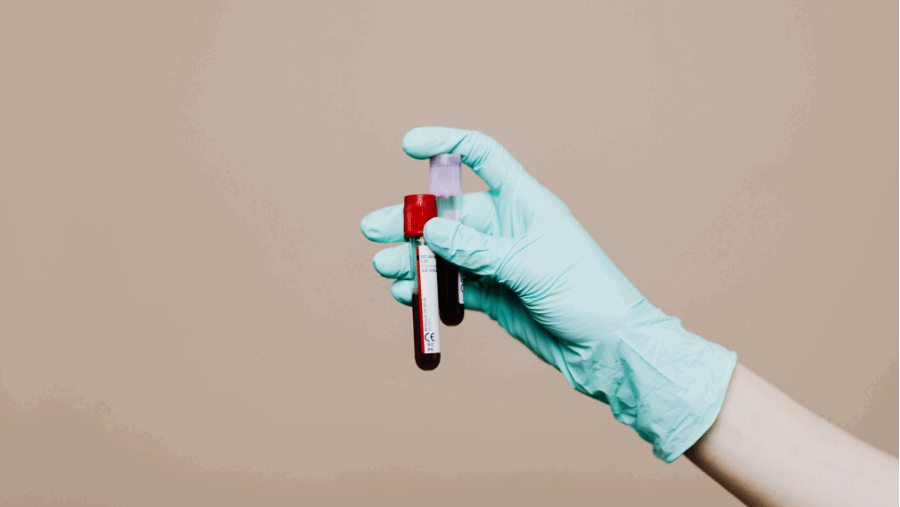
The PSA test is one of the most widely used blood tests for the purpose of assessing prostate health in men. PSA, that is prostate specific antigen, is a protein produced by the prostate gland, which is found only in men. This substance, which under normal conditions provides for the liquefaction of semen, can also pass into the blood in certain proportions. Measuring the PSA level in the blood plays an important role in detecting conditions such as, foremost, prostate cancer, and also benign enlargements of the prostate (BPH) and inflammations (prostatitis).
Prostate diseases can most of the time progress without giving symptoms. For this reason, detection at an early stage can directly affect treatment success. The PSA test is accepted as a critical tool in terms of screening and early diagnosis. However, on its own it is not sufficient; the results of this test must always be considered together with a careful clinical assessment. In particular, it needs to be interpreted together with age, genetic predisposition, existing symptoms and other risk factors.
What Is the PSA Test?
PSA (prostate specific antigen) is an enzyme secreted by the prostate gland, which is found only in men and helps with the liquefaction of semen. This protein, which is normally present in high concentrations in semen, can also mix into the blood in small amounts. The PSA test, by measuring the level of this enzyme in the blood, helps to understand whether there is an unusual situation in the prostate gland.
This test is used in particular in the screening, follow-up or differential diagnosis of diseases such as prostate cancer, benign prostatic hyperplasia (BPH) and inflammations of the prostate (prostatitis). While it is not a diagnostic tool on its own, it offers important information when assessed together with clinical examination, patient history and, if necessary, imaging methods.
What Is the PSA Test Done For?
The PSA test can be requested by doctors for different clinical purposes. Here are its common areas of use:
-
Prostate cancer screening: it is done for the purpose of early diagnosis, particularly in men over the age of 50 or in individuals with a family history of prostate cancer. Thanks to early diagnosis, the chance of the cancer being treated before it spreads increases.
-
Follow-up of prostate cancer treatment: in individuals who have been diagnosed with prostate cancer and treated, the course of the disease and the response to treatment are closely monitored with PSA levels. In addition, the risk of recurrence can be determined with this test.
-
Differential diagnosis of prostate enlargement (BPH) and prostatitis: an increase in the PSA level does not occur only because of cancer. Benign prostatic hyperplasia or inflammations of the prostate due to infection can also raise PSA. The PSA test helps the physician in distinguishing between these diseases.
-
A diagnostic support tool: the PSA test contributes to diagnosis in patients who have complaints but in whom no obvious findings are detected on physical examination. Particularly in men with symptoms such as difficulty urinating and frequent urination, it is an important starting point for investigating the underlying cause.
How Is the PSA Test Done?
The PSA test is a simple blood test. It can be done on an empty or a full stomach, but in some special situations preparation before the test may be necessary on the doctor's recommendation. The blood sample is sent to the laboratory and the PSA level is reported in nanograms/millilitre (ng/mL).
What Is a Normal PSA Value?
PSA values can vary according to age. In general:
-
40-49 years: ≤ 2.5 ng/mL
-
50-59 years: ≤ 3.5 ng/mL
-
60-69 years: ≤ 4.5 ng/mL
-
Over 70 years: ≤ 6.5 ng/mL
However, these limits are not sufficient on their own to make a diagnosis. Whether the value is high or normal, a detailed assessment must be made.
Factors Affecting the PSA Level
PSA levels can also rise with non-cancer conditions. The following factors can affect the PSA test:
-
Benign prostatic hyperplasia (BPH)
-
Prostate infection (prostatitis)
-
A recently performed prostate examination
-
Urinary tract infection
-
Sexual intercourse (particularly within 48 hours before the test)
-
Cycling or similar activities
For this reason the timing of the test and the activities carried out beforehand must without fail be shared with the doctor.
What Does a High PSA Mean?
A high PSA level does not always mean prostate cancer. However;
-
the higher the PSA level, the more the risk of cancer increases.
-
Factors such as a rapid increase in the PSA level (PSA velocity) or its density (PSA density) are also assessed.
-
In suspicious situations the doctor may request additional tests such as a digital rectal examination (DRE), a multiparametric prostate MRI or a prostate biopsy.
Is the PSA Test Reliable?
The PSA test is an important screening tool in terms of prostate cancer but does not on its own establish a diagnosis. Both false positive (a high value despite there being no cancer) and false negative (a normal value despite there being cancer) results are possible.
For this reason the results of the PSA test must be assessed by a specialist urologist together with clinical examination, patient history and, if necessary, imaging methods.
Who Should Have the PSA Test?
The PSA test is recommended in the following groups:
-
Men aged 50 and over
-
Those with a family history of prostate cancer (particularly father or brother)
-
Individuals of African origin (the risk of cancer is higher)
-
Individuals experiencing urination problems or having complaints relating to the prostate
When and How Should the PSA Test Be Used?
The PSA test is an important tool in the diagnosis and follow-up of prostate diseases. However, the accuracy of the test and the meaning of its results must be assessed not only with the blood level but together with the patient's general condition and history.
Have your regular check-ups in order to protect your prostate health and apply screening such as the PSA test in good time. Remember: early diagnosis saves lives.
Clinical Note
This article was written and medically reviewed by Prof. Dr. Murat Binbay, a urologist with more than 25 years of experience and over 1,500 robotic operations. The assessments reflect current international guideline recommendations together with our own clinical practice.
The information here is for general guidance only. Because every patient's history, imaging findings and comorbidities differ, a treatment decision can only be made after an examination. You can reach us through our contact page, or read more about our physician on the about us page.
Sources
- European Association of Urology — Prostate Cancer Guidelines
- National Cancer Institute (NIH) — Prostate Cancer
- Türk Üroloji Derneği — Güncel Kılavuzlar
Last reviewed: 8 September 2026 · Reviewed by: Prof. Dr. Murat Binbay, Urology and Robotic Surgery Specialist
Let Prof. Dr. Murat Binbay's team review your case
If you read this far, you probably have questions. Fill in the two-minute digital consultation form and we will get back to you within 24 hours.
- Answer within 24 hours
- Your data stays confidential

Urology and Robotic Surgery Specialist · 25+ years of experience
Last medically reviewed:
 Önceki Yazı
Why Does the PSA Level Rise After Prostate Cancer Treatment?
Önceki Yazı
Why Does the PSA Level Rise After Prostate Cancer Treatment?
 Sonraki Yazı
What Is TUR-P Surgery?
Sonraki Yazı
What Is TUR-P Surgery?
Yorumlar
Yorum Yazın
Henüz yorum yapılmamış. İlk yorumu siz yapın!