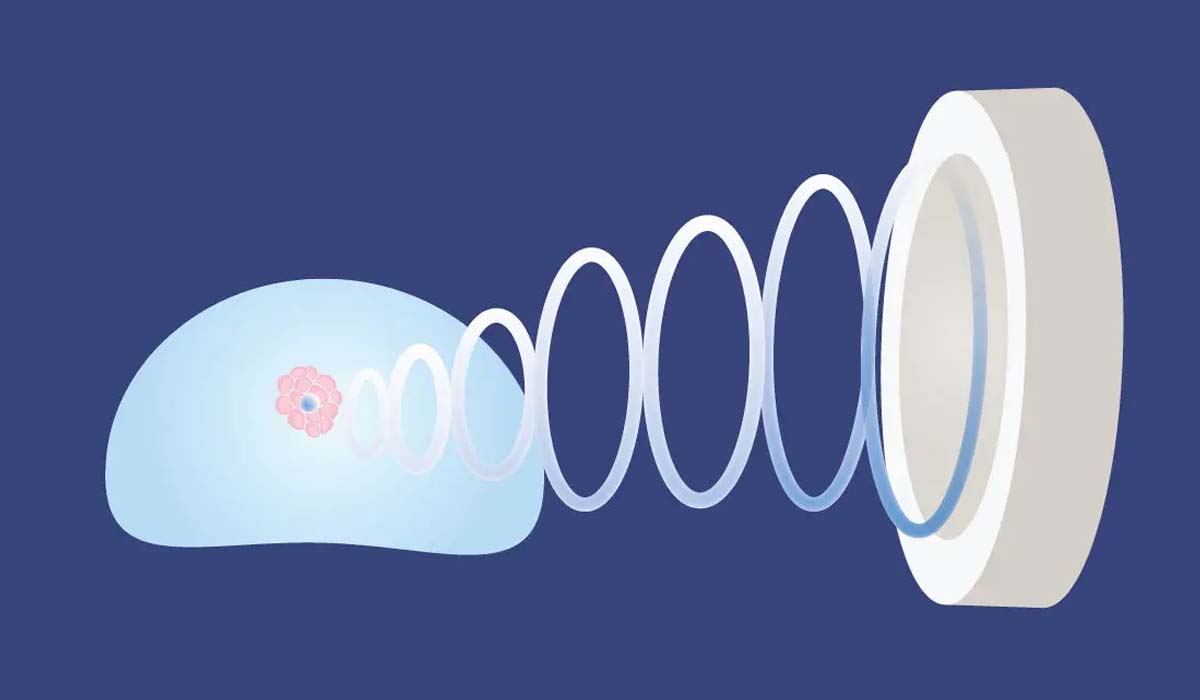
Prostate surgery with water is based fundamentally on the use of accelerated water energy instead of electrical and laser energy. The enlarged parts of the prostate are broken up with focused water energy.
The prostate gland grows with age and in some men can cause voiding problems. Surgery is recommended for BPH patients whose voiding complaints do not improve with drug treatment. Today, operations for benign prostatic hyperplasia are performed laparoscopically by entering through the voiding channel at the tip of the penis. Open operations have long since taken their place in the pages of history.
In closed (laparoscopic) prostate operations the prostate is reached from inside and the prostate pieces closing the voiding channel are cut or vaporised using electrical energy (cautery) or laser energy.
The use of heat-based energies can cause patients to have the feeling that urine is present for a long time after the operation and can cause sexual dysfunction. The success of these operations depends on the ability of the surgeon performing them, and the duration of the operation varies between 1 hour and 3 hours according to the size of the prostate.
Prostate Surgery With Water
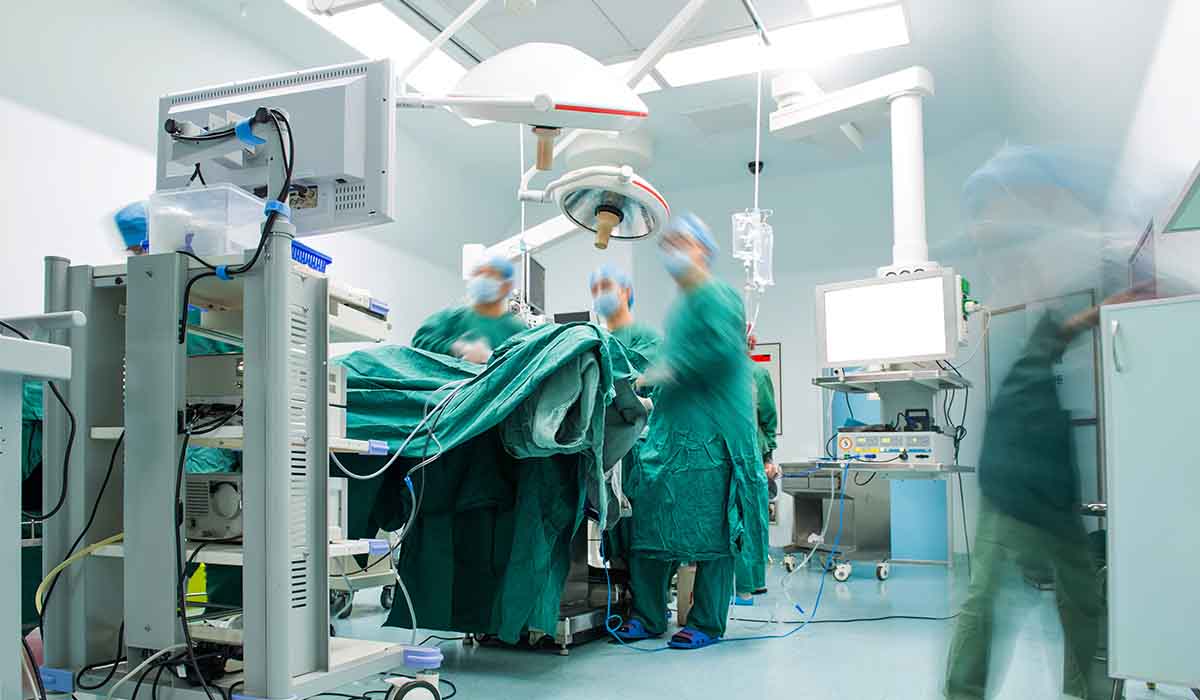
In recent years, using robotic system technology, the procedure of performing prostate surgery with water has begun. In these operations, in order to cut the prostate, not heat energy such as electricity/laser but accelerated water energy is used.
You can liken this to the water machines used for washing cars; of course the pressure of the water used is far greater. Because heat energy is not used, patients' sexual functions after the operation are affected to a far lesser degree than in standard operations (particularly ejaculatory functions). After the operation patients feel less as if urine is present.
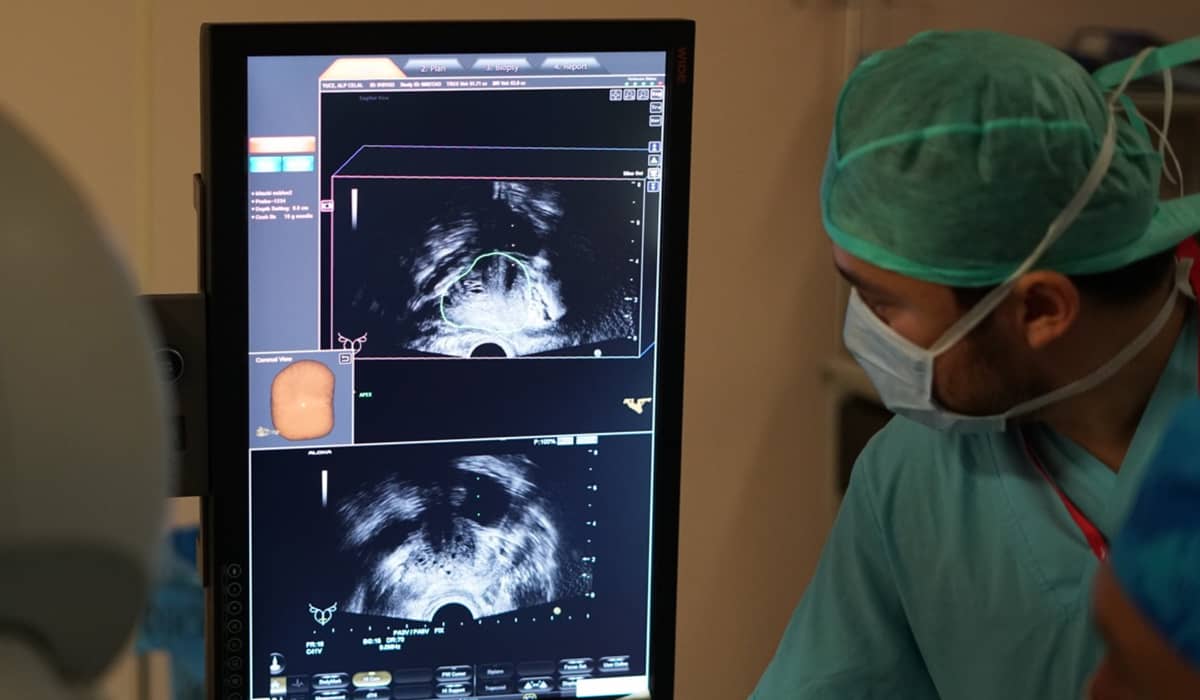
One of the superior features of this operation is also the duration of the operation. Whatever the size of the prostate, the operation lasts approximately 10 minutes. After the prostate tissues planned to be cut are marked under ultrasonography, the robotic system performs the operation by itself. Patients' catheters are removed one day after the operation and the patient is discharged from hospital.
How Is Prostate Surgery With Water Performed?
When performing prostate surgery with water, the patient is given spinal anaesthesia (anaesthesia from the waist down). Then an ultrasound probe is placed through the anus. The prostate is visualised under ultrasound. Then entry is made through the voiding channel with a cystoscope. It is ensured that there is no narrowing in the urinary channels.
The robotic system is connected to the cystoscope inserted through the voiding channel. The part of the prostate intended to be cut is drawn on the ultrasound. After the button is pressed, the robotic system completes the operation within 10 minutes. At the end of the procedure a catheter is fitted to the patient.
The Advantages of Prostate Surgery With Water
> With prostate surgery with water, prostates between 50-150 grams are treated more effectively than with closed operations performed with electricity.
> The duration of the operation and the duration of anaesthesia are shorter.
> Sexual functions are less affected with prostate surgery with water.
> Because electricity (cautery) is not used, bleeding is greater than in operations performed with electricity.
| Prostate Surgery With Water | Prostate Surgery With Electricity (TUR-P) | |
| Operation duration | 10 minutes | 90 minutes |
| Amount of fluid used in the operation | 5.2 L | 13.5 L |
| Bleeding | 1.9 g/dl | 1 g/dl |
| Need for repeat surgery | <1% | <1% |
| Length of hospital stay | 1.4 days | 1.4 days |
| Loss of ejaculatory function after the operation | 10% | 36% |
| Voiding complaints after the operation | A 17-point decrease in the IPSS | A 15-point decrease in the IPSS |
Clinical Note
This article was written and medically reviewed by Prof. Dr. Murat Binbay, a urologist with more than 25 years of experience and over 1,500 robotic operations. The assessments reflect current international guideline recommendations together with our own clinical practice.
The information here is for general guidance only. Because every patient's history, imaging findings and comorbidities differ, a treatment decision can only be made after an examination. You can reach us through our contact page, or read more about our physician on the about us page.
Sources
- European Association of Urology — Non-neurogenic Male LUTS Guidelines
- NIDDK (NIH) — Prostate Enlargement: Benign Prostatic Hyperplasia
Last reviewed: 8 September 2026 · Reviewed by: Prof. Dr. Murat Binbay, Urology and Robotic Surgery Specialist
Let Prof. Dr. Murat Binbay's team review your case
If you read this far, you probably have questions. Fill in the two-minute digital consultation form and we will get back to you within 24 hours.
- Answer within 24 hours
- Your data stays confidential

Urology and Robotic Surgery Specialist · 25+ years of experience
Last medically reviewed:


Yorumlar
Yorum Yazın
Henüz yorum yapılmamış. İlk yorumu siz yapın!