The prostate is a part of the male reproductive system. It is a secretory gland resembling a walnut in shape and size. The function of the gland, which surrounds the initial part of the urinary channel called the urethra that carries urine, is to secrete approximately 20% of the fluid making up semen and to enable sperm to be expelled.
Prostate Stone
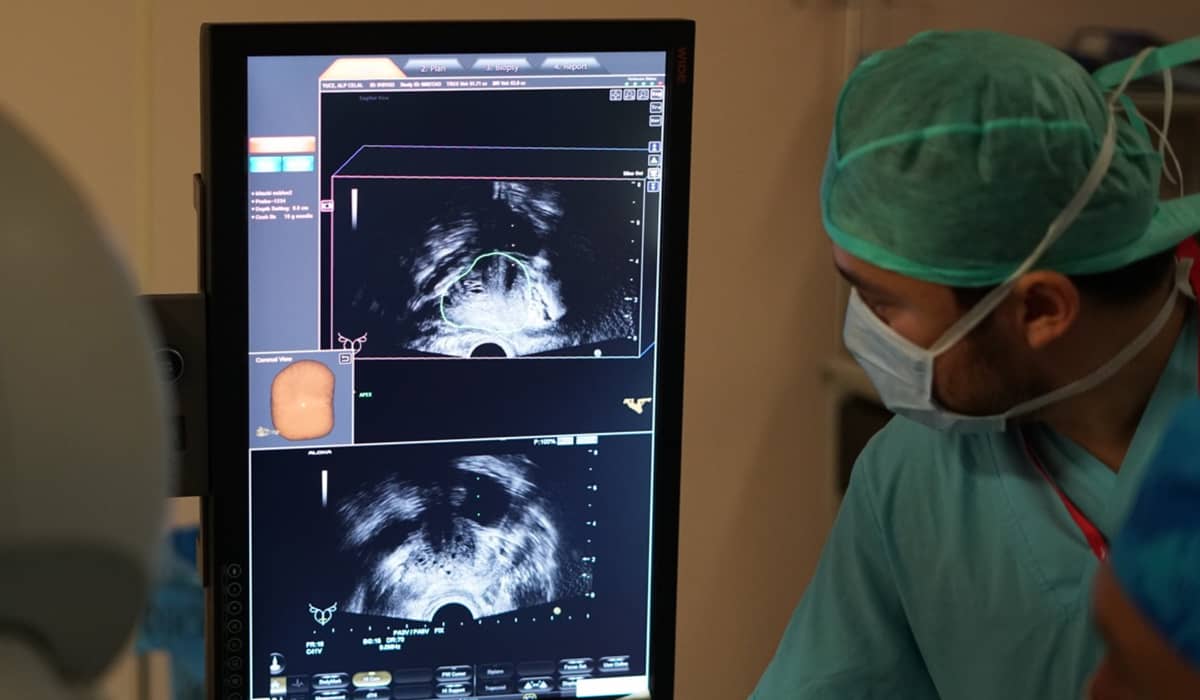
A prostate stone forms when residual substances remaining in the ducts of the prostate become coated with calcium, harden and turn into a stone. Unlike kidney stones, prostate stones do not pass out of the duct and do not cause pain. This condition, which generally gives no symptoms, can be detected by ultrasonography.
Stones forming in the prostatic ducts may break up or disappear if a certain level of magnesium and calcium is taken. Stones that do not break up persist as chronic infection in the area where they are located. However, if a stone blocks the outlet of the prostate gland it can lead to adverse consequences.
Stones causing irritation in the prostate gland are removed surgically if they do not respond to drug treatment.
If the stone that forms is large enough, it obstructs the ureter and causes the patient unbearable pain known as spasm. There are also symptoms such as frequent urination, burning on urination and blood in the urine. If this situation poses a danger to the patient, treatment is applied to the patient by the laser surgical method.
As a result of the investigations performed before surgery, the size of the stone and the extent of the disorder are determined and the necessary treatment is applied.
After the operation the person should keep their physical activity under control and avoid lifting weights. They should also pay attention to their diet. It is recommended not to consume very fatty foods and to eat a protein-based diet. However, attention should also be paid to the foods from which protein is taken. For example, red meat should not be preferred too often. Foods such as eggs, milk, soya, chicken and cheese are effective in preventing the disease.
Prostate Stone Treatment
The formation of prostate stones in men is very common. Prostate conditions such as benign prostatic enlargement, seen particularly at advanced ages, also cause the formation of a prostate stone. Because small stones do not make themselves felt, a urologist should be consulted for examination at regular intervals.
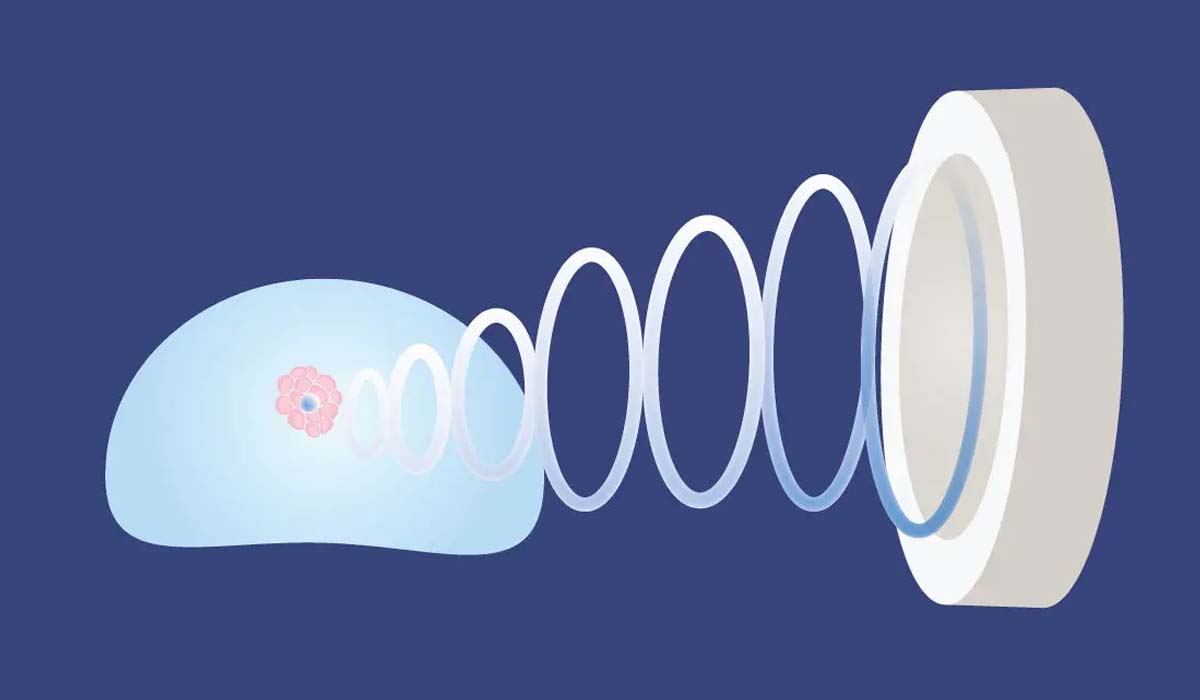
In recent years, thanks to advanced lithotripsy technologies, highly successful results have been obtained in the treatment of prostate stones.
Clinical Note
This article was written and medically reviewed by Prof. Dr. Murat Binbay, a urologist with more than 25 years of experience and over 1,500 robotic operations. The assessments reflect current international guideline recommendations together with our own clinical practice.
The information here is for general guidance only. Because every patient's history, imaging findings and comorbidities differ, a treatment decision can only be made after an examination. You can reach us through our contact page, or read more about our physician on the about us page.
Sources
Last reviewed: 8 September 2026 · Reviewed by: Prof. Dr. Murat Binbay, Urology and Robotic Surgery Specialist
Let Prof. Dr. Murat Binbay's team review your case
If you read this far, you probably have questions. Fill in the two-minute digital consultation form and we will get back to you within 24 hours.
- Answer within 24 hours
- Your data stays confidential

Urology and Robotic Surgery Specialist · 25+ years of experience
Last medically reviewed:
 Önceki Yazı
How Many Hours Does Kidney Cancer Surgery Take?
Önceki Yazı
How Many Hours Does Kidney Cancer Surgery Take?
 Sonraki Yazı
What Is Prostate Surgery With Water?
Sonraki Yazı
What Is Prostate Surgery With Water?
Yorumlar
Yorum Yazın
Henüz yorum yapılmamış. İlk yorumu siz yapın!