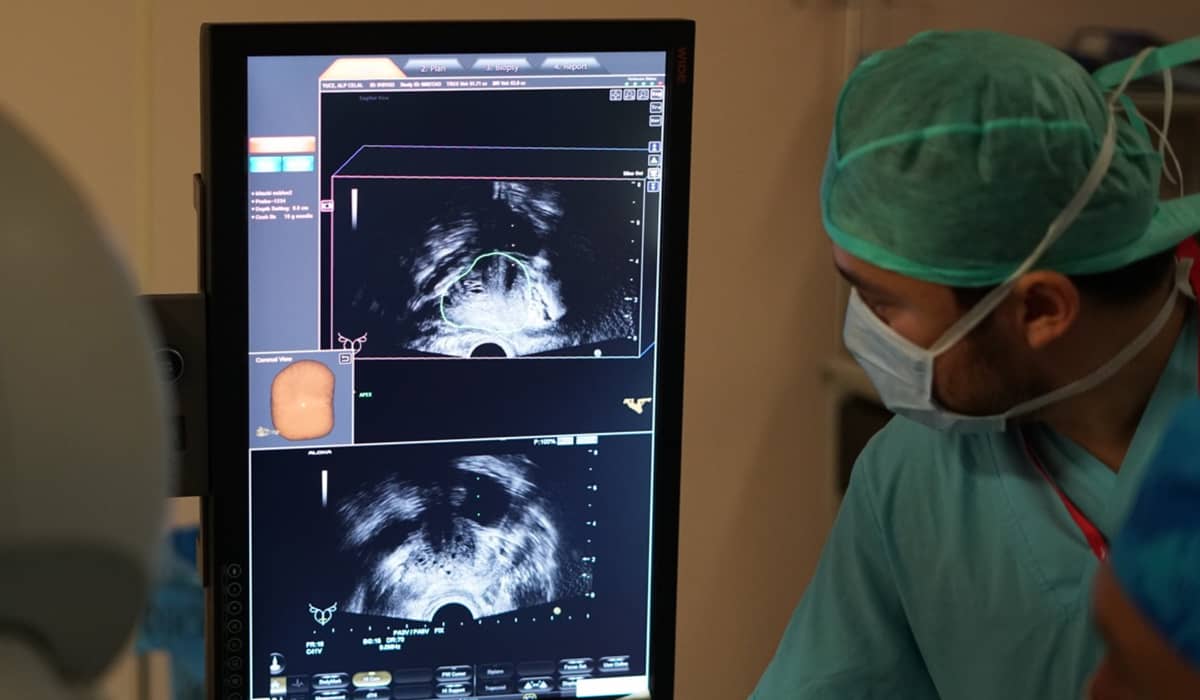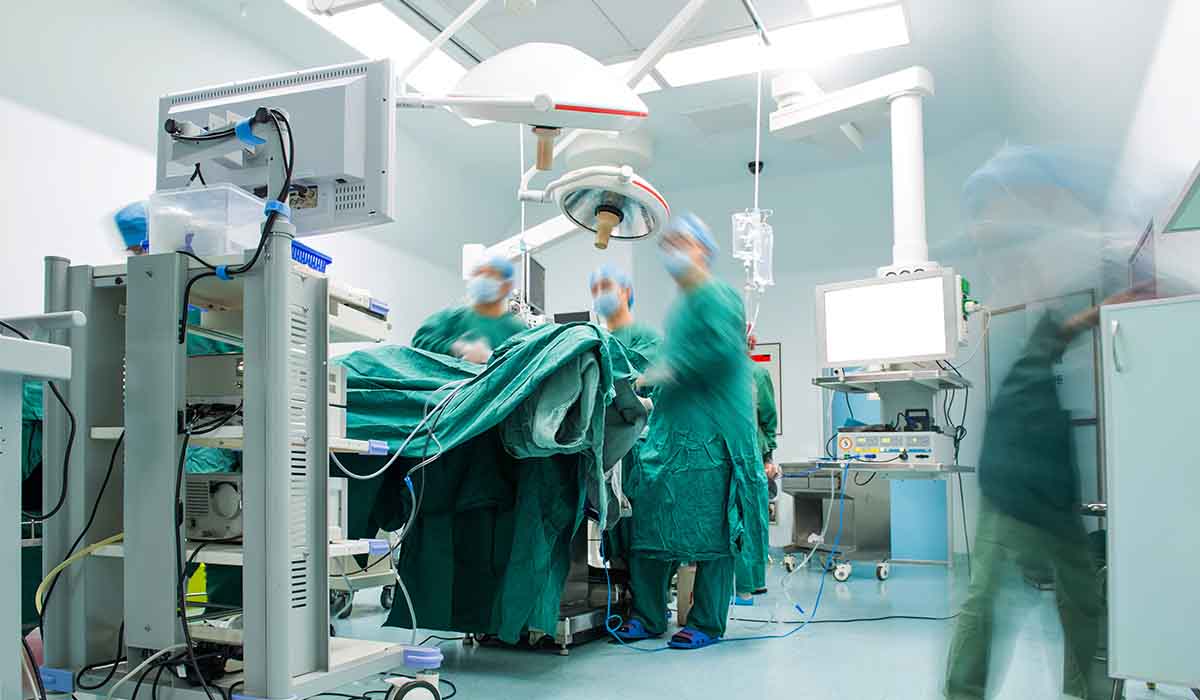
Laparoscopic surgery is a type of surgical procedure that allows the surgeon to access the inside of the abdomen and the pelvis without having to make large incisions in the skin. Laparoscopic surgery is also known as keyhole surgery or minimally invasive surgery.
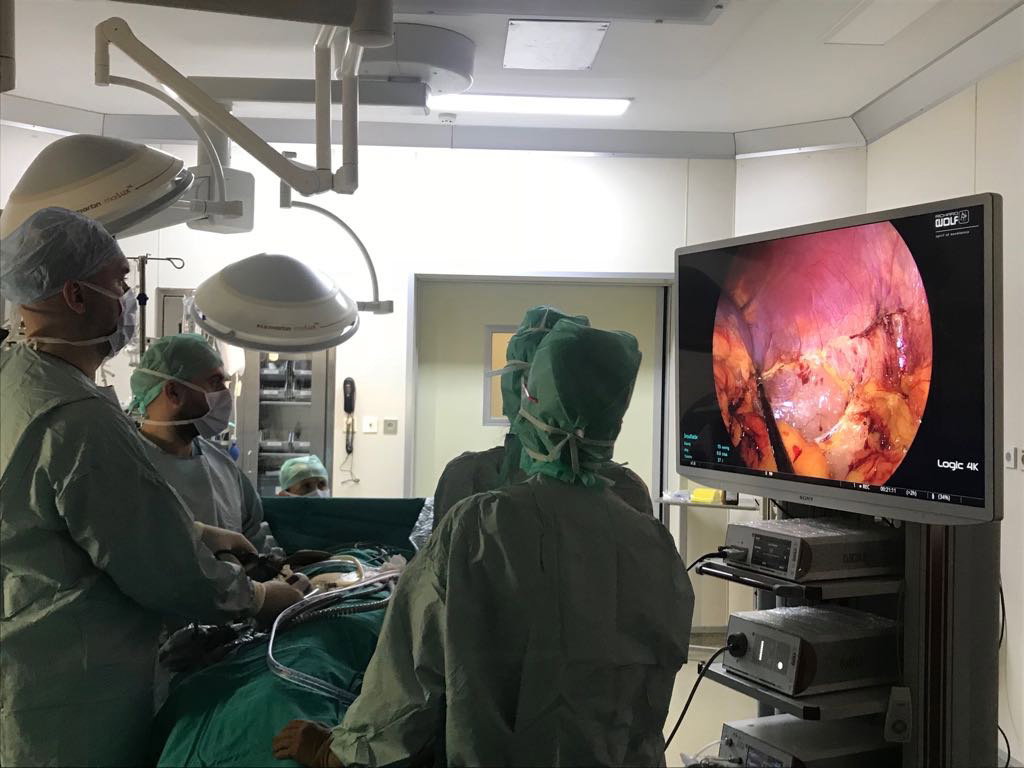
Because the surgeon uses an instrument called a laparoscope, making large incisions during laparoscopy can be avoided. The laparoscope is a small tube with a light source and a camera that transmits images of the inside of the abdomen or pelvis to a screen.
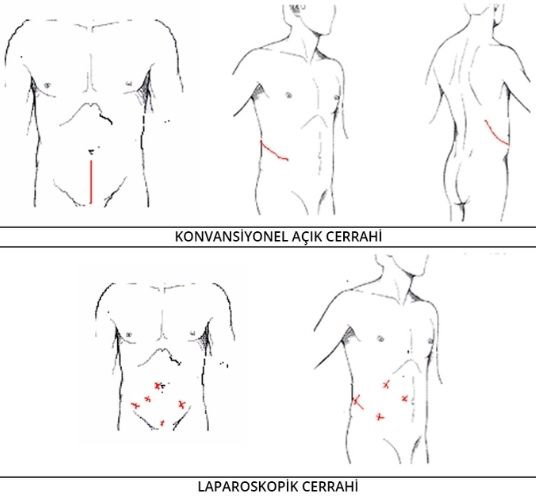
Laparoscopic surgery has advantages over traditional surgery, including faster recovery, less pain and far smaller scars. After laparoscopy, discharge from hospital generally takes place the same day.
The advantages of laparoscopic surgery over traditional open surgery are as follows:
- a shorter length of hospital stay and a faster recovery time
- less pain and bleeding after the operation
- less scarring
Why Is Laparoscopic Surgery Performed?
Laparoscopy is frequently used to determine and diagnose the source of pain in the pelvic or abdominal region. It is generally performed when non-invasive methods cannot assist with the diagnosis.
In most cases, abdominal problems can also be diagnosed with imaging techniques such as ultrasound, CT scan and MRI scan. Laparoscopy is carried out when these tests do not provide sufficient information for diagnosis. The procedure can also be used to take a biopsy or tissue sample from a particular organ in the abdomen.
Laparoscopy may be recommended to examine the following organs:
- the gallbladder
- the liver
- the pancreas
- the small intestine and the large intestine (colon)
- the spleen
- the stomach
- the pelvic or reproductive organs
Using a laparoscope these areas are observed and the following can be detected:
- a mass or tumour that has formed in the abdominal region
- fluid in the abdominal cavity
- liver disease
- the effectiveness of certain treatments
- the degree of progression of a particular cancer
What Are the Risks of Laparoscopy?
The most common risks associated with laparoscopy are bleeding, infection and accidental damage to the organs in the abdomen. However, these are rarely seen situations.
After the laparoscopy procedure it is important to monitor whether there are any signs of infection. When the following situations are seen, a doctor must without fail be contacted:
- fever or chills
- abdominal pain that becomes more intense over time
- redness, swelling, bleeding or drainage at the incision sites
- continuous nausea or vomiting
- a persistent cough
- shortness of breath
- inability to urinate
- light-headedness
There is a small risk of damage to the organs examined during laparoscopy. In the event of an organ being perforated, blood and other fluids can leak into the patient's body. In this situation another operation may be necessary to repair the damage.
Less common risks include the following:
- complications arising from general anaesthesia
- inflammation of the abdominal wall
- blood clots being seen in the pelvis, legs or lungs
Laparoscopic Surgery in Urology
Laparoscopic surgery can be used in the following procedures:
- adrenalectomy
- radical nephrectomy for cancer
- radical nephroureterectomy for cancer
- simple nephrectomy
- partial nephrectomy
- living donor nephrectomy (for transplantation)
- kidney cryosurgery
- resection of kidney cysts
- nephropexy
- pyeloplasty
- horseshoe kidney surgery
- ureteral surgery
- surgery for ureteral lithiasis
- ureteral reimplantation for vesicoureteral reflux
- female urinary incontinence surgery
- vaginal prolapse
- pelvic lymphadenectomy
- undescended testicles
- enterocystoplasty
- retroperitoneal lymphadenectomy for testicular cancer
- radical prostatectomy for prostate cancer
- prostate adenomectomy for benign prostatic hyperplasia
- radical cystoprostatectomy for bladder cancer
How Is Laparoscopic Surgery Performed?
Laparoscopic surgery is performed under general anaesthesia, so the patient feels no pain during the procedure.
During laparoscopy an incision is made below the patient's navel and then a small tube called a cannula is placed. The cannula is used to inflate the patient's abdomen with carbon dioxide gas. This gas allows the doctor to see the abdominal organs more clearly.
When the abdomen is inflated, the surgeon inserts the laparoscope through the incision. The camera attached to the laparoscope displays the images on a screen, allowing the organs to be viewed in real time.
The number and size of the incisions depend on which diseases the surgeon is trying to confirm or treat. Generally, 1 to 4 incisions, each 1 to 2 centimetres long, are made. These incisions allow other instruments to be placed. For example, the surgeon may need to use another surgical instrument to perform a biopsy.
After the procedure is completed the instruments are removed. The incisions are then closed with sutures or surgical tape.
When laparoscopy is used to diagnose a condition, the procedure generally lasts 30-60 minutes. If the surgeon is treating a condition, it takes longer depending on the type of operation performed.
The Recovery Process After the Operation
After laparoscopy, while recovering from the effects of the anaesthesia the patient may feel groggy and disorientated. These are common side effects of anaesthesia and should pass quickly.
They must be under observation in hospital for a few hours until they are fully awake and able to eat, drink and urinate.
A few days after the procedure, some pain and discomfort may be felt at the site where the incisions were made. Painkilling medicine treatment can be applied to relieve the pain.
Robotic Surgery-Assisted Laparoscopy
The most current technology in laparoscopy at present is the use of robots to assist with the procedures. This is known as "robotic surgery-assisted laparoscopy".
During robotic surgery-assisted laparoscopy the surgeon uses a console located in the operating theatre to carry out the procedure by controlling the robotic arms. The robotic arms have a special camera and surgical equipment
The robotic system provides magnified 3D vision and increased precision of movement for the instruments working inside the body.
Robotic-assisted laparoscopy allows surgeons to carry out complex procedures with increased precision and smaller incisions. The amount of robotic-assisted laparoscopy used in Türkiye has increased rapidly in recent years. Robot-assisted surgery has come to be frequently applied particularly for prostate cancer.
There is evidence that robotic-assisted laparoscopy has a lower risk of complications and a shorter recovery time than normal laparoscopy or open surgery.
Clinical Note
This article was written and medically reviewed by Prof. Dr. Murat Binbay, a urologist with more than 25 years of experience and over 1,500 robotic operations. The assessments reflect current international guideline recommendations together with our own clinical practice.
The information here is for general guidance only. Because every patient's history, imaging findings and comorbidities differ, a treatment decision can only be made after an examination. You can reach us through our contact page, or read more about our physician on the about us page.
Sources
- European Association of Urology — Clinical Guidelines
- NIDDK (NIH) — Urologic Diseases
- Türk Üroloji Derneği — Güncel Kılavuzlar
Last reviewed: 8 September 2026 · Reviewed by: Prof. Dr. Murat Binbay, Urology and Robotic Surgery Specialist
Let Prof. Dr. Murat Binbay's team review your case
If you read this far, you probably have questions. Fill in the two-minute digital consultation form and we will get back to you within 24 hours.
- Answer within 24 hours
- Your data stays confidential

Urology and Robotic Surgery Specialist · 25+ years of experience
Last medically reviewed:
 Önceki Yazı
Bladder Stone Symptoms, Diagnosis and Treatment
Önceki Yazı
Bladder Stone Symptoms, Diagnosis and Treatment
 Sonraki Yazı
The Causes and Treatment of Frequent Urination
Sonraki Yazı
The Causes and Treatment of Frequent Urination
Yorumlar
Yorum Yazın
Henüz yorum yapılmamış. İlk yorumu siz yapın!