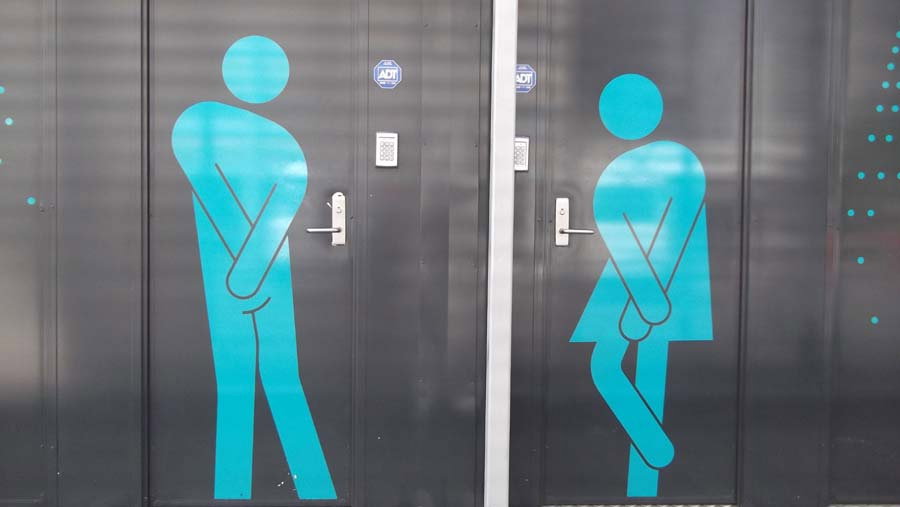
Frequent urination is the need to urinate more than you normally do. The urge to urinate can emerge suddenly and cause you to lose control of your bladder. Your bladder can feel uncomfortable as if it is excessively full.
The situation of frequent urination is the primary symptom of overactive bladder (OAB) syndrome, and these terms are sometimes used interchangeably. Urinary tract infections (UTIs) are another common cause of frequent urination.
By general acceptance, frequent urination is a term used for situations where you need to go to the toilet at least 8 times in 24 hours.
The key to treating frequent urination is to address the underlying cause.
The Causes of Frequent Urination
The causes of overactive bladder (OAB), which can cause frequent urination, are as follows:
- injuries in areas such as the bladder, spine and pelvis
- neurological conditions such as stroke and multiple sclerosis (MS)
- excess weight putting extra pressure on the bladder
Urinary tract infections (UTIs) emerge when bacteria enter the bladder via the urethra. Common risk factors include the following:
- old age
- dehydration
- holding your urine for a long time or not emptying your bladder completely
- changes in the structure of the urinary system
- chronic medical conditions affecting the immune system
As well as OAB and UTIs, the causes of frequent urination are as follows:
- diuretics
- consuming too many drinks
- excessive amounts of caffeine, alcohol, nicotine or artificial sweeteners that can irritate the bladder walls
- anxiety, stress
- diabetes, diabetes mellitus
- kidney disorders such as kidney infection and kidney stones
- weakened pelvic floor muscles
- interstitial cystitis, a painful and non-infectious bladder disease
- bladder stones
- bladder cancer
Frequent Urination in Women
The probability of UTIs being seen in women is greater than in men. Because the female urethra is shorter, people with a vagina are at greater risk. In women, bacteria have less distance to travel before infecting the urinary tract and causing symptoms.
UTI risk factors for women include the following:
- vaginal irritation and inflammation
- wiping incorrectly after going to the toilet in a way that exposes the urethra to E. coli (colon bacillus) (wiping from back to front)
- sexual intercourse
Other conditions that can cause frequent urination in women are as follows:
- pregnancy
- fibroids
- low oestrogen levels as a result of the menopause
- ovarian cancer
Frequent Urination in Men
Certain conditions affecting the prostate can cause frequent urination in men. These conditions include the following:
- benign prostatic hyperplasia (BPH)
- prostatitis, an inflammatory condition generally caused by bacterial infection
- prostate cancer
Symptoms Related to Frequent Urination
What is accepted as normal urinary frequency can vary from person to person. Some people may naturally need to go more often than others. However, specialists generally regard urinating at least 8 times a day as frequent urination.
The other symptoms you have will depend on the cause of your frequent urination.
If You Have an Overactive Bladder
As well as frequent urination, the other symptoms of OAB are as follows:
- urinary urgency or the inability to postpone the need to urinate
- urinary incontinence
- nocturia or waking up multiple times to urinate at night
If you have OAB, you do not feel ill or feel any pain when urinating.
If You Have a Urinary Tract Infection
The other symptoms of a UTI apart from frequent urination include the following:
- urinary incontinence
- pain or burning when urinating
- strong-smelling urine
- seeing blood in the urine
- feeling abdominal pain, even if mild
- fever
- chills
- nausea
If You Have a Different Condition
Conditions affecting the bladder or the prostate can also lead to other urinary symptoms such as painful urination or blood in the urine. Pelvic floor dysfunction can also cause painful urination.
Both the early and the late stages of ovarian cancer can cause urinary urgency.
Diagnosis and Testing
The urology doctor will carry out tests to determine what is causing your frequent urination.
An abdominal examination is also carried out. In addition to this examination, a pelvic examination, assessment of the urethra and vagina and a prostate examination are also planned.
Other tests that may be useful include the following:
- Bladder scan: this is an ultrasound performed after urinating to see how much urine is left in the bladder.
- Cystoscopy: the urology doctor can examine the inside of the bladder more closely using a lighted instrument and, if necessary, take tissue samples.
- Additional urine testing: this involves various tests to see how well your urinary system is working. Examples include urodynamic tests and uroflowmetry.
How Is Frequent Urination Treated?
The treatment of frequent urination depends on the source of this problem. Your doctor will first try to treat any underlying condition responsible for the frequent urination.
If there is a bacterial infection, antibiotic drug treatment can be applied to get rid of it.
Medicines that control muscle spasms in the bladder can help to reduce urinary incontinence.
Your doctor may also recommend that you do pelvic exercises such as Kegel exercises or bladder retraining exercises to help delay urination.
The Prevention of Frequent Urination
There are certain steps you can take to reduce your likelihood of frequent urination.
Diet
As night approaches, try to avoid certain foods and drinks known to increase the likelihood of urinating at night. Examples include the following:
- alcohol
- citrus juice
- coffee
- tea
- tomatoes and tomato-based products
- artificial sweeteners
Constipation can also contribute to frequent urination by putting pressure on the bladder, so you may want to increase your fibre intake in order to maintain regularity.
Physical Activity
Doing Kegel exercises can strengthen your pelvic floor.
In addition, you can also obtain information about physiotherapy targeting your pelvic muscles. These serve to strengthen the muscles supporting your bladder and pelvic organs to a large extent.
Clinical Note
This article was written and medically reviewed by Prof. Dr. Murat Binbay, a urologist with more than 25 years of experience and over 1,500 robotic operations. The assessments reflect current international guideline recommendations together with our own clinical practice.
The information here is for general guidance only. Because every patient's history, imaging findings and comorbidities differ, a treatment decision can only be made after an examination. You can reach us through our contact page, or read more about our physician on the about us page.
Sources
- European Association of Urology — Non-neurogenic Male LUTS Guidelines
- NIDDK (NIH) — Prostate Enlargement: Benign Prostatic Hyperplasia
Last reviewed: 8 September 2026 · Reviewed by: Prof. Dr. Murat Binbay, Urology and Robotic Surgery Specialist
Let Prof. Dr. Murat Binbay's team review your case
If you read this far, you probably have questions. Fill in the two-minute digital consultation form and we will get back to you within 24 hours.
- Answer within 24 hours
- Your data stays confidential

Urology and Robotic Surgery Specialist · 25+ years of experience
Last medically reviewed:
 Önceki Yazı
What Is Laparoscopic Surgery?
Önceki Yazı
What Is Laparoscopic Surgery?
 Sonraki Yazı
What Is a Urology Specialist and What Do They Do?
Sonraki Yazı
What Is a Urology Specialist and What Do They Do?
Yorumlar
Yorum Yazın
Henüz yorum yapılmamış. İlk yorumu siz yapın!