NanoKnife is a new type of IRE (irreversible electroporation) ablation applied for the treatment of prostate cancer. With the NanoKnife technique there is the possibility of prostate cancer treatment with minimal side effects.
Existing treatment methods such as prostate cancer surgery and radiation treatment lead in some patients to impotence (loss of the ability to have an erection) and urinary incontinence (loss of bladder control), but these side effects can generally be prevented with irreversible electroporation treatment using NanoKnife. The importance of this paradigm shift in prostate cancer treatment becomes clear in the light of the fact that one in every five men develops prostate cancer during their lifetime.
Prostate Cancer Treatment Based on the Newest Technology
NanoKnife is the first surgical ablation system based on irreversible electroporation technology.
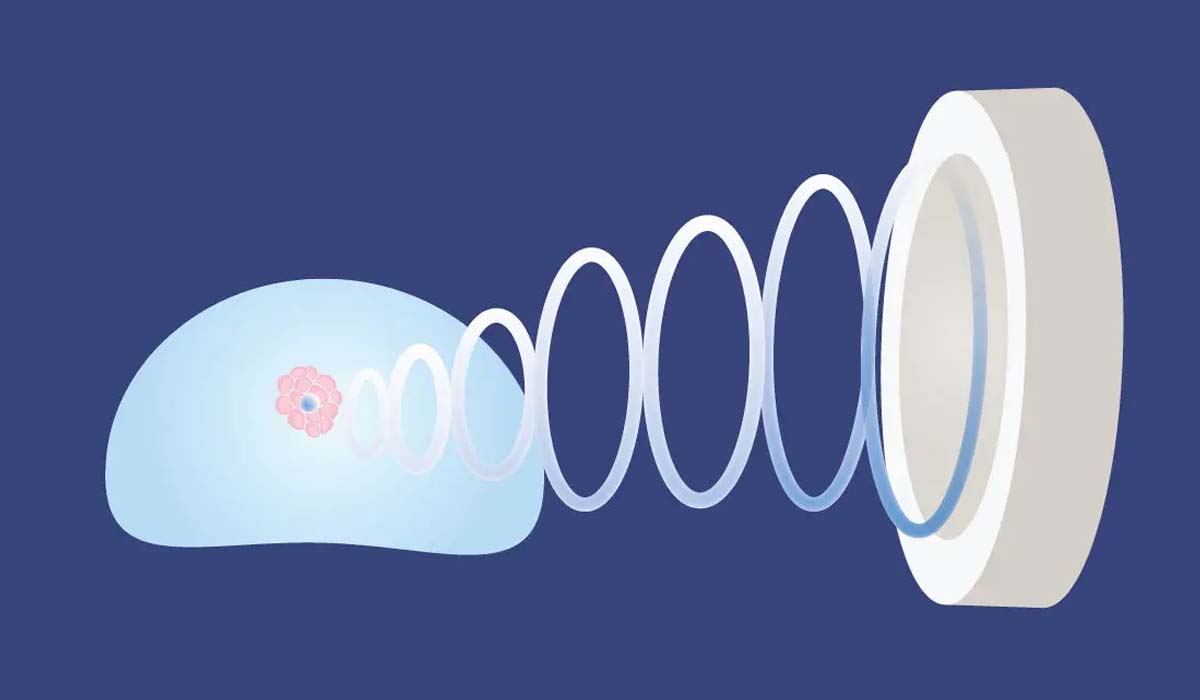
In NanoKnife treatment, powerful electric fields cause cancerous cells to die without exposing the tissue to radiation or heating it. This irreversible electroporation (IRE) reliably destroys tumour and parenchymal cells. However, important anatomical structures within and around the prostate such as nerves, the bowel wall, the sphincter, veins and arteries are preserved. In this way erection and bladder control are preserved.
IRE has as a technique been approved since 2006 by the FDA in the USA and by the CE in Europe. It has received certification because it has been possible to show in all studies that all cells in a defined area in soft tissue are reliably killed. However, two factors are critical for the success of any IRE treatment:
Firstly, the location of the tumour being known accurately and precisely before treatment. Secondly, the placement of the electric field in the correct position.
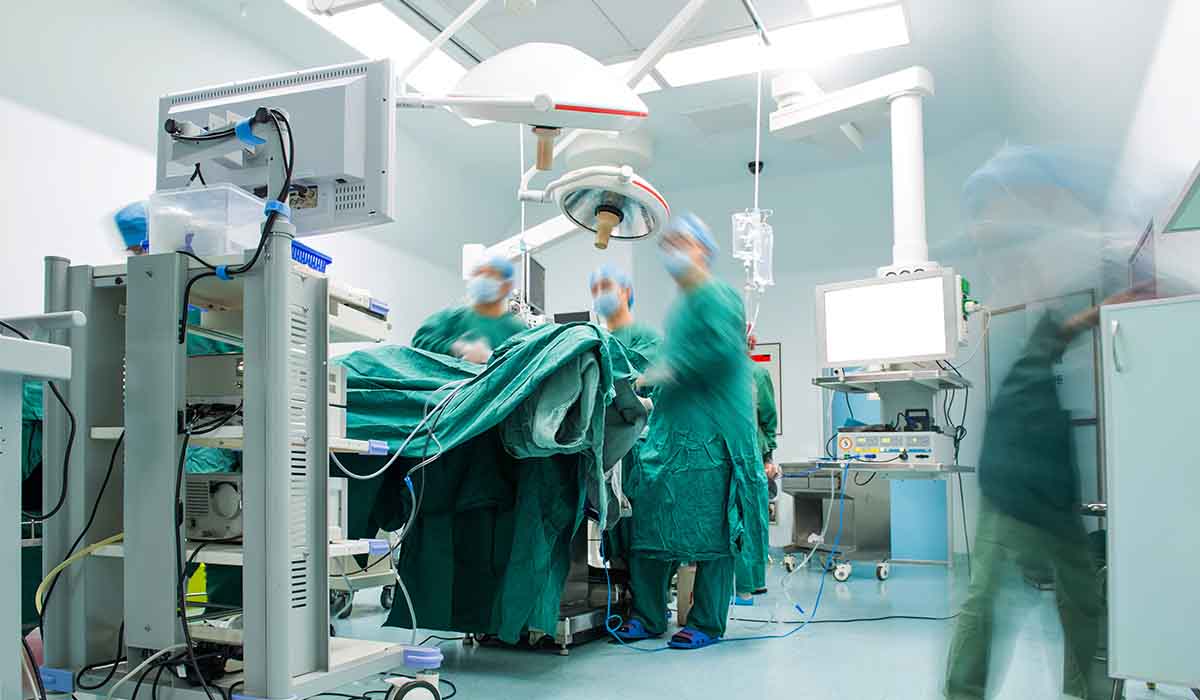
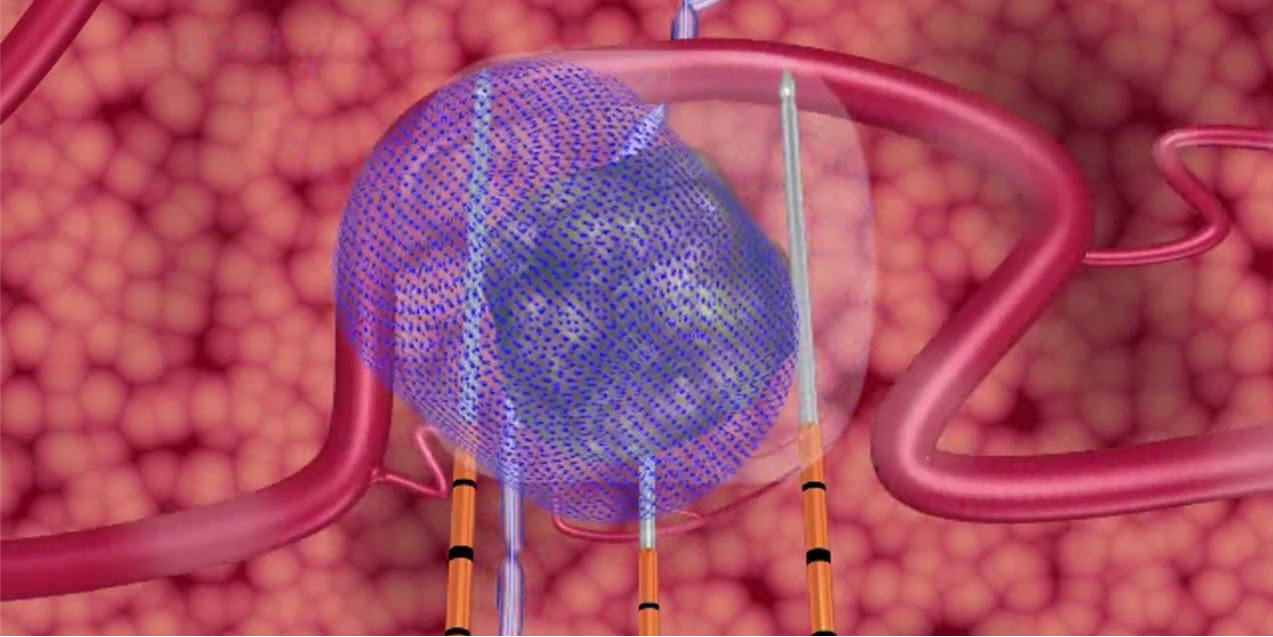
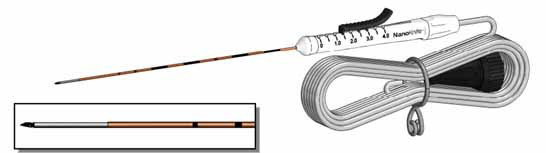
The first factor, the procedure of determining the location of the tumour, is carried out using multiparametric MRI examinations, 3D biopsies and other procedures. The second factor is provided with minimally invasive surgery under general anaesthesia in which sterile needles with a variable exposure length are used. "Exposure length" refers to the length of the part of the needle in contact with the tissue through which the electric current passes.
NanoKnife Technology for Prostate Cancer Treatment
NanoKnife is based on ultra-short (100 µs) pulses of extremely powerful electric fields. Compared with all standard procedures, this new technology has unique features that make it perfect for use in the prostate.
The Advantages of the NanoKnife Technique
Tissue selectivity: while all other structures (nerves, arteries, connective tissue structures, etc.) remain undamaged, only cells that have a cell membrane (for example cancer cells) are reliably destroyed.
Induced cell death: NanoKnife causes cell death or apoptosis, but does not leave radiation damage or burning and consequently scarring. With current standard procedures such as radiation (proton therapy, brachytherapy, etc.) or heat treatments (HIFU, etc.), because burnt tissue is a toxin for the body a wide "toxic" area is created. The result is inflammation and pain, followed by the formation of scarring, and all of these impede any subsequent treatment that may be necessary in the event of recurrence.
Unlimited repeatable treatment: because IRE treatment does not cause permanent tissue damage, all other techniques (radiation, heat, surgery) can be applied after NanoKnife treatment. That is, additional treatments are still possible without treatment limitation. NanoKnife treatment can also be repeated as often as necessary.
Painless and minimally invasive: for the reasons mentioned above and because the only invasive instrument used is thin needles, patients generally do not even feel the treatment at all.
Rapid and applied in a single session: even large areas can be treated in a single session under general anaesthesia.
A wide range of use: although small, early-diagnosed prostate cancer definitely represents the simplest use, NanoKnife treatment is also a potential treatment method for inoperable carcinomas that have penetrated the prostate capsule, as well as for recurrences after radiation treatment, radical removal of the prostate, HIFU or brachytherapy.
The immune system: the tumour proteins released during NanoKnife treatment help the patient's immune system to fight other tumours.
The Disadvantages of the NanoKnife Technique
Because the NanoKnife technique is a newly applied technique, we do not currently know its long-term effects on prostate cancer.
According to a scientific study covering a 1-year period carried out on this technique, it was seen that the cancer recurred in 20 out of 100 patients. In this study, according to the experience of the physician applying the NanoKnife technique (at least 32 cases performed was reported as experience), the tumour recurrence rate was stated as 10 in 100 patients.
Placing the needles in the wrong place can lead to certain unexpected outcomes arising.
The Stages of Application in NanoKnife Treatment
Step 1: Planning
NanoKnife treatment is a focal, image-guided therapy; its results depend only on the quality of the diagnosis and planning stages. NanoKnife cannot itself decide where the cancer is. All ultrasound methods (including elastography or contrast-enhanced ultrasound) and also rectal examination have low detection rates. It is not very likely that (all of) the tumour(s) will be seen.
At present, adequate imaging diagnoses are provided only using multiparametric MRIs carried out by specialist radiology institutes and, if necessary, PSMA/choline PET-CTs. Another dimension is brought to the 3D images using 3D saturation biopsies. Both are necessary in order to achieve the precision required to make NanoKnife treatment valid.
Step 2: Electrode Placement
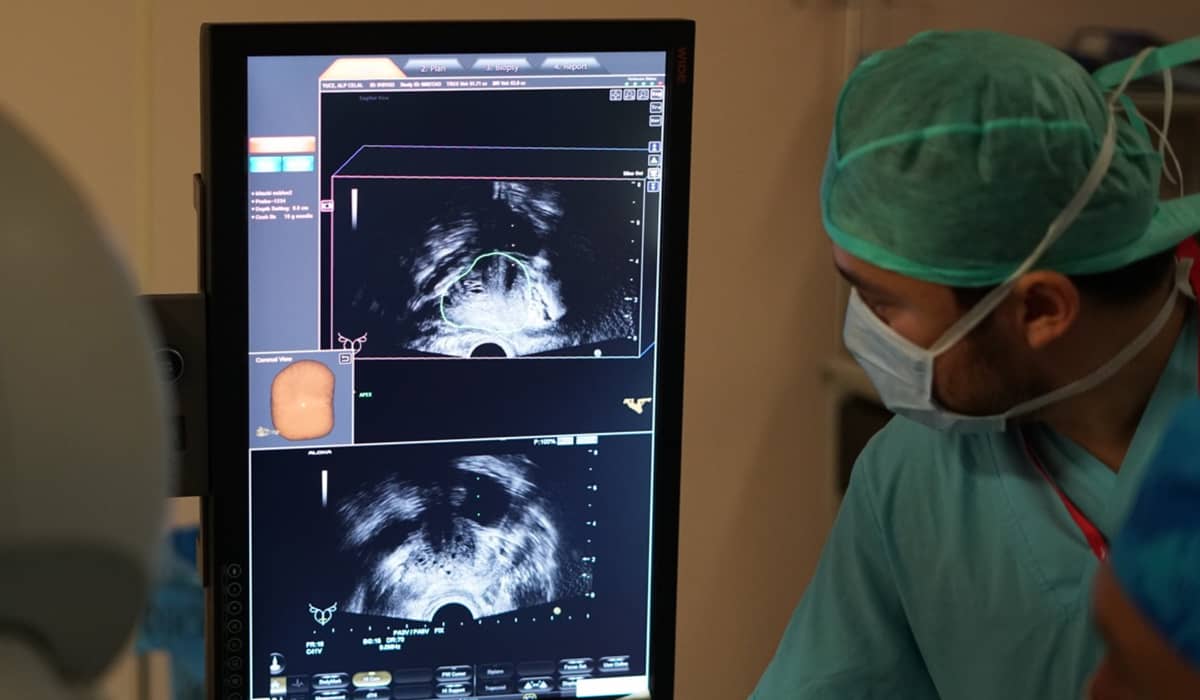
When prostate cancer treatment is performed with the NanoKnife technique, the needles are inserted transperineally, that is from the region between the anus and the genital organs. Endorectal ultrasound assists with the placement procedure. This is the point at which the surgeon's experience is vital. Two needles may also require the operator's ability for three-dimensional spatial visualisation, but more complex placements with numerous needles are extremely difficult. The reason for this is that the prostate is a relatively small organ with a complex geometry and surrounded by vital areas. In addition, the possible positioning of the needles is subject to strict limitations. When we carry out the treatment procedure with the NanoKnife technique, we can achieve perfect placement using various computer software applications. This procedure can last as long as a few hours.
Step 3: Simulation
After the needles have been perfectly placed, the positions of the needles are measured with an ultrasound device and transferred to the NanoKnife software and, if any, additional external software applications. If everything fits the geometry of the prostate and the tumour (a safety margin around the tumour is always planned), NanoKnife charges its capacitors.
Step 4: Treatment
A potential difference is created between the two needle sets. This potential difference is typically equal to 3000 V between the needles. This means that Needle 1 carries +1500 V and Needle 2 carries -1500 V. The patient remains at 0 V. These voltage amounts may seem lethal, but the time for which they are present is measured in millionths of a second, which makes them safe and ensures that they do not cause adverse side effects such as burns.
The number of needles can vary greatly according to the difficulty of the area to be treated. The computer of the NanoKnife system takes over the appropriate type of control over the needles, depending on the area to be treated being entered into the software. The treatment itself generally lasts only a few seconds, but can last at most a few minutes.
Step 5: After Treatment
After the needles are withdrawn, the needle entry sites close immediately. The patient has no pain. The catheter fitted after the procedure can be removed after 1-7 days. It is likely that there will be a small amount of blood in the urine or seminal fluid until a few weeks after the procedure. This is because the body may need up to six months to clear the tissue destroyed by the ablation of the NanoKnife procedure.
Clinical Note
This article was written and medically reviewed by Prof. Dr. Murat Binbay, a urologist with more than 25 years of experience and over 1,500 robotic operations. The assessments reflect current international guideline recommendations together with our own clinical practice.
The information here is for general guidance only. Because every patient's history, imaging findings and comorbidities differ, a treatment decision can only be made after an examination. You can reach us through our contact page, or read more about our physician on the about us page.
Sources
- European Association of Urology — Prostate Cancer Guidelines
- National Cancer Institute (NIH) — Prostate Cancer
- Türk Üroloji Derneği — Güncel Kılavuzlar
Last reviewed: 8 September 2026 · Reviewed by: Prof. Dr. Murat Binbay, Urology and Robotic Surgery Specialist
Let Prof. Dr. Murat Binbay's team review your case
If you read this far, you probably have questions. Fill in the two-minute digital consultation form and we will get back to you within 24 hours.
- Answer within 24 hours
- Your data stays confidential

Urology and Robotic Surgery Specialist · 25+ years of experience
Last medically reviewed:

Yorumlar
Yorum Yazın
Henüz yorum yapılmamış. İlk yorumu siz yapın!