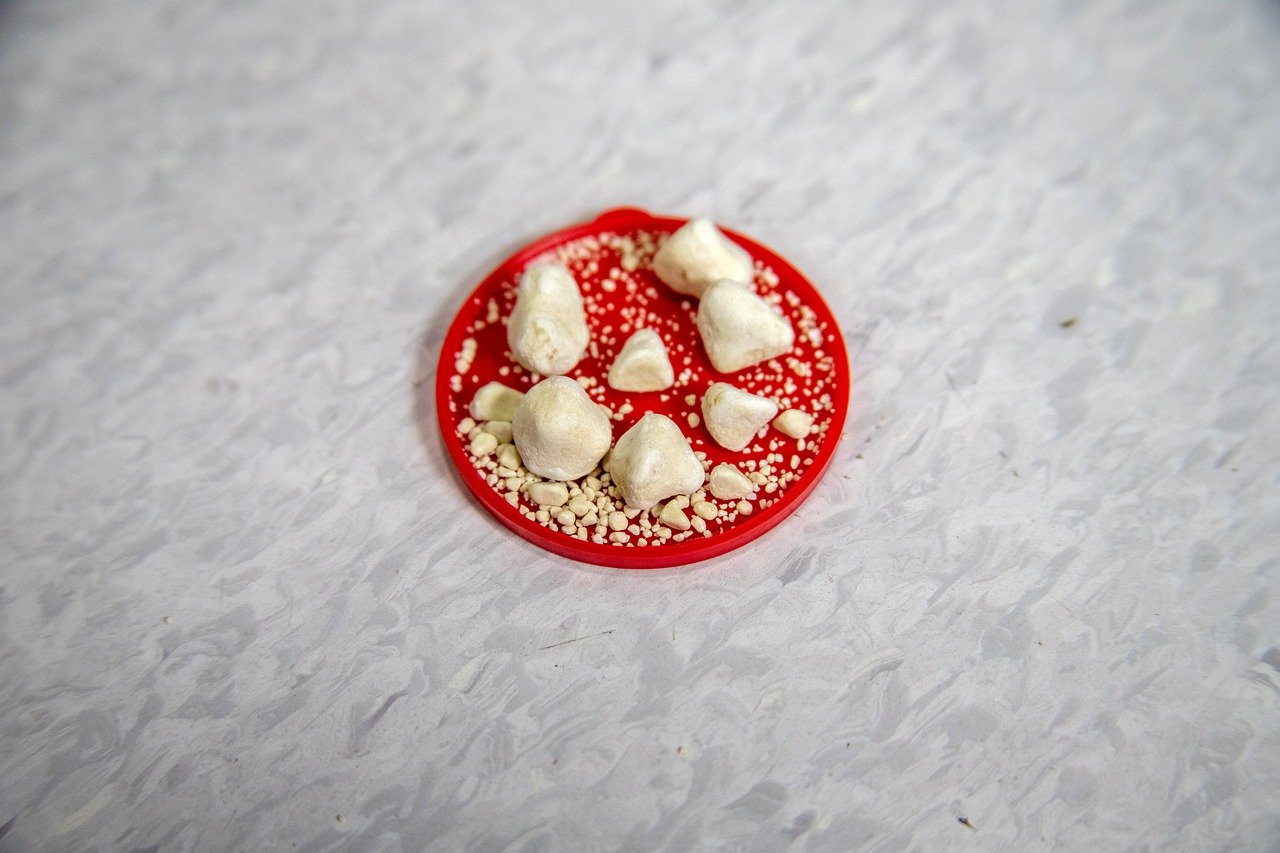
A bladder stone consists of hard mineral lumps that form when the urine inside the bladder cannot be completely emptied. Some small-sized bladder stones can be expelled from the body during urination. These stones may cause no symptoms at all in the patient.
Bladder stone patients make up 5% of all stone patients.
Types of Bladder Stone
There are 3 types of bladder stone: migrant, primary and secondary.
Migrant-Type Bladder Stone
A small proportion of the stones falling from the kidney accumulate in the bladder and become migrant-type stones.
Primary-Type Bladder Stone
This type of stone generally forms in children <10 years of age because of nutritional deficiency (a diet poor in animal protein and phosphate). It is most frequently seen between the ages of 2-4 and in boys. After the stones are removed by surgery they generally do not recur.
Secondary-Type Bladder Stone
It generally forms after the age of 60 as a result of the bladder not being able to empty completely due to narrowing in the urinary channel. The most important causes can be listed as benign prostatic hyperplasia, urethral stricture, neurogenic bladder and artificial bladder.
Apart from these, a foreign body remaining inside the bladder or a foreign body entering the bladder from outside can cause a bladder stone.
Examples of these can be listed as intrauterine devices penetrating into the bladder, intravaginal diaphragms penetrating into the bladder, clips placed around the bladder during an operation penetrating into the bladder, radioactive seeds used in brachytherapy falling into the bladder, and the wire used as a cerclage in pregnant women penetrating into the bladder.
In patients who have had a stroke and live for a long time with a permanent catheter, stone development can occur around the catheter balloon.
Certain medicines also increase the probability of a bladder stone. Indinavir, used in HIV treatment, and triamterene, used as a diuretic, increase the probability of stone formation.
Bladder Stone Symptoms and Signs
Bladder stones most commonly emerge with bleeding in the urine. Apart from this, due to the stone closing the urinary channel and irritating the bladder, voiding complaints of varying degrees (going to the toilet frequently, difficulty when voiding, the feeling of not being able to empty the bladder completely, the feeling of suddenly rushing to the toilet) emerge in patients.
When there is a bladder stone in children, cloudy and gritty urine is noticeable. Children holding and pulling their penis is a situation seen as specific to bladder stones.
Bladder Stone Treatment
For the treatment of bladder stones, ESWL, transurethral lithotripsy, percutaneous cystolithotripsy or open surgery can be used.
Dissolving bladder stones with medicine or various waters is a waste of time and is not effective.
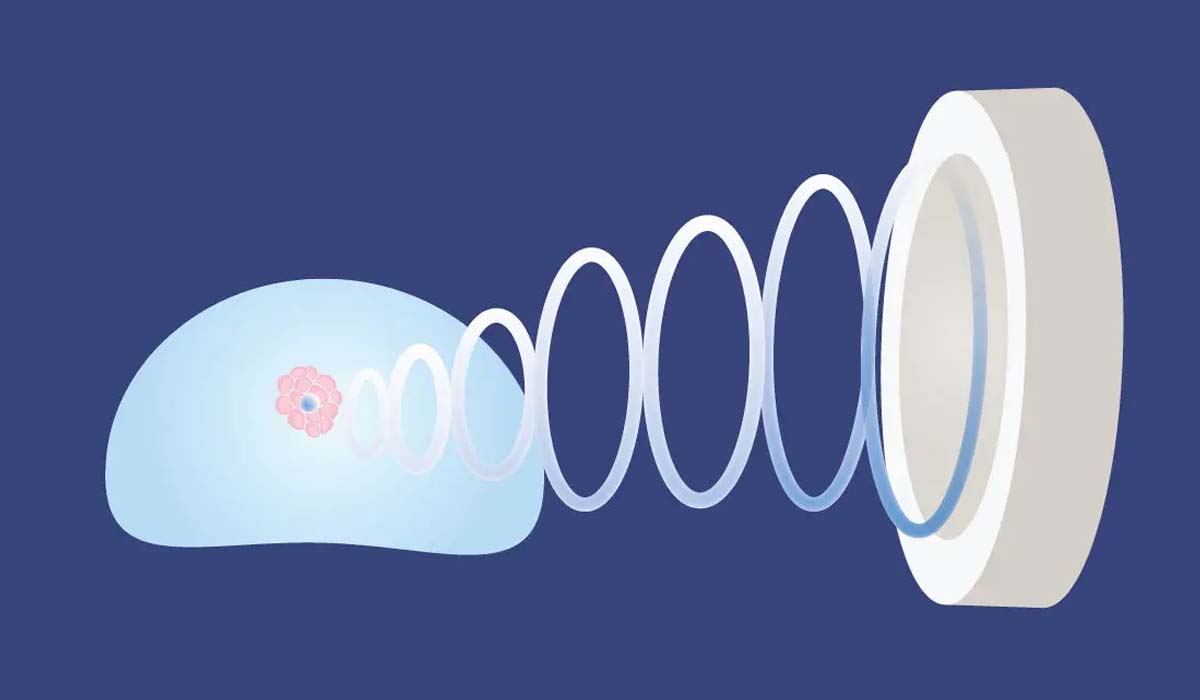
ESWL is not a much-preferred method in the treatment of bladder stones. However, if there is a prosthesis fitted over the urinary tract (e.g. a penile prosthesis) it can be considered. The hardness of the stone, the size of the stone and the amount of urine remaining in the bladder after voiding affect the success of ESWL in bladder stones. If ESWL is to be attempted, the patient must be laid face down and the ESWL procedure applied with the bladder filled with approximately 200 cc via a catheter.
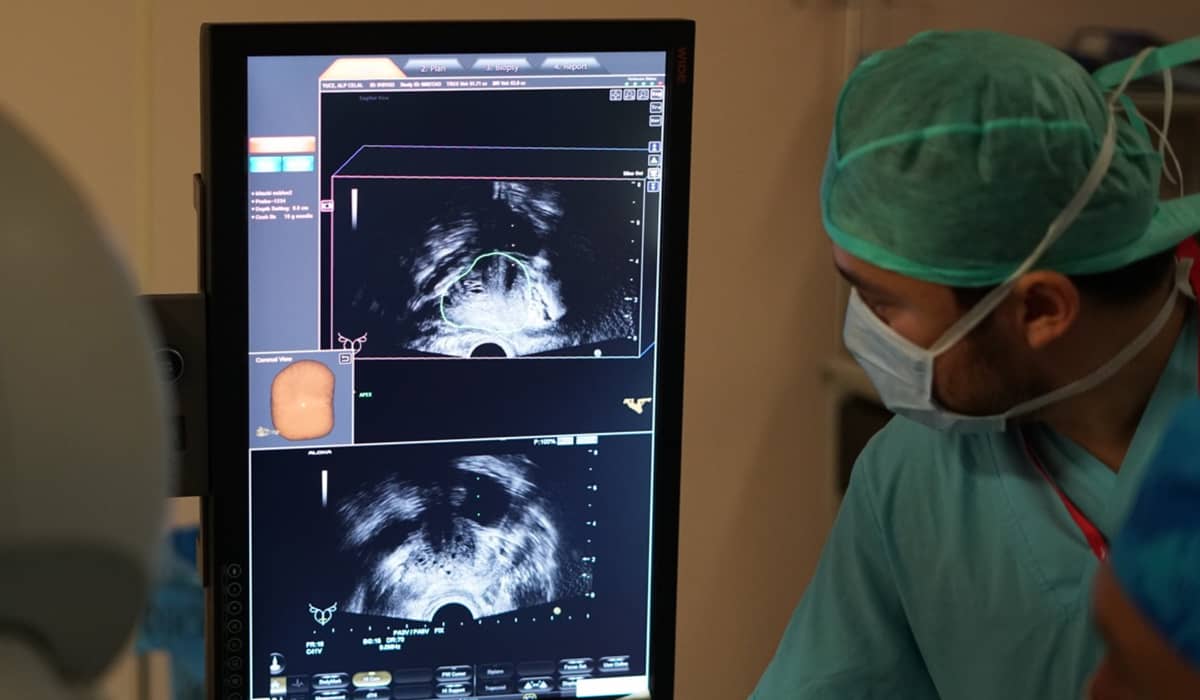
Transurethral lithotripsy: the word "transurethral" is placed before procedures performed by entering through the voiding channel. In this method, by entering through the voiding channel (in men from the tip of the penis) with metal instruments that are not very thick, the stone inside the bladder is broken up. For breaking the stone, a holmium laser, thulium fibre laser or pneumatic stone-breaking device is used. In this method there is no bleeding. The patient remains with a catheter for only 1 day. The patient is discharged from hospital in less than 24 hours. If the stone is very large the operation lasts a long time and the instrument is inserted into and withdrawn from the voiding channel many times.
Percutaneous cystolithotomy: in situations where the bladder stone is large, entering and withdrawing through the voiding channel for a long time can damage the voiding channel and cause a urethral stricture. For this reason, in large bladder stones a tube 1 cm in diameter is placed into the bladder from below the navel. The stones are broken up through this tube with an ultrasonic stone breaker and the small pieces are taken out of the body. In this method the patient remains with a catheter for 3 days. They stay in hospital for 1 day. The probability of bleeding occurring is minimal.
Open surgery: because of the long length of hospital stay and the patient's long period with a catheter, it is not preferred today.
If a man with a bladder stone also has benign prostatic hyperplasia, is it necessary to operate on the prostate as well alongside the bladder stone?
In situations where a bladder stone and prostate enlargement are seen together in the investigations performed, doctors make recommendations to their patients in the direction of operating on the prostate as well while having the bladder stone operation.
This is because it is thought that the bladder stone is caused by the bladder not emptying completely, that is by urine remaining inside the bladder. In people with prostate enlargement causing serious obstruction, prostate surgery needs to be performed during the bladder stone operation.
Clinical Note
This article was written and medically reviewed by Prof. Dr. Murat Binbay, a urologist with more than 25 years of experience and over 1,500 robotic operations. The assessments reflect current international guideline recommendations together with our own clinical practice.
The information here is for general guidance only. Because every patient's history, imaging findings and comorbidities differ, a treatment decision can only be made after an examination. You can reach us through our contact page, or read more about our physician on the about us page.
Sources
Last reviewed: 8 September 2026 · Reviewed by: Prof. Dr. Murat Binbay, Urology and Robotic Surgery Specialist
Let Prof. Dr. Murat Binbay's team review your case
If you read this far, you probably have questions. Fill in the two-minute digital consultation form and we will get back to you within 24 hours.
- Answer within 24 hours
- Your data stays confidential

Urology and Robotic Surgery Specialist · 25+ years of experience
Last medically reviewed:

Yorumlar
Yorum Yazın
Henüz yorum yapılmamış. İlk yorumu siz yapın!