Date of publication: 17.09.2024 | Last updated: 04.03.2026
This content has been medically reviewed and updated by Prof. Dr. Murat Binbay.
"This content is for information purposes; diagnosis/treatment is planned through examination by a physician."
Kegel exercises (pelvic floor exercises) consist of simple but effective movements applied with the aim of strengthening the pelvic floor muscles and increasing control of these muscles. The pelvic floor muscles support organs such as the bladder, bowel and, in women, the uterus; they contribute to the mechanism of holding urine and stool. The weakening of these muscles or their not working correctly can be associated with urinary incontinence, problems with gas/stool control, pelvic organ prolapse and, in some people, complaints relating to sexual function.
The Kegel exercise is based on contracting and relaxing the pelvic floor muscles for specific periods. When applied regularly, muscle endurance and coordination can increase. However, there is an important point: Kegel is not the "single right" method for everyone. In some people the pelvic floor muscles may already be excessively contracted, and in this situation the wrong choice of exercise can increase the complaints. For this reason, particularly if there are marked complaints, a personalised assessment is important.
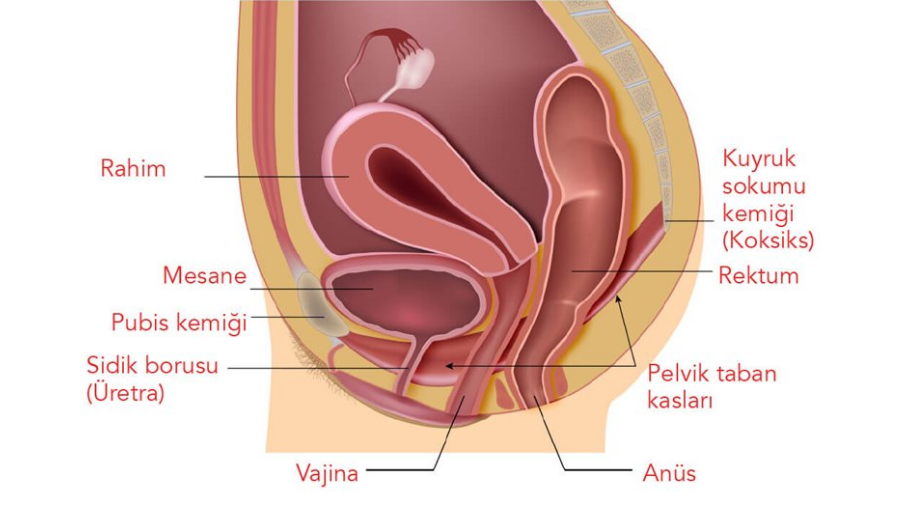
The Pelvic Floor Muscles and Anatomy
The pelvic floor is a system of muscle and connective tissue that covers the lower part of the pelvis like a "hammock". One of the most important muscle groups is called the levator ani (which contains the pubococcygeus, puborectalis and iliococcygeus sub-components). In addition, the sphincter muscles around the urethra and anus also play a role in the control mechanism. The coordinated working of these structures is related to urination, defecation, preventing leakage during coughing/sneezing, and sexual function.
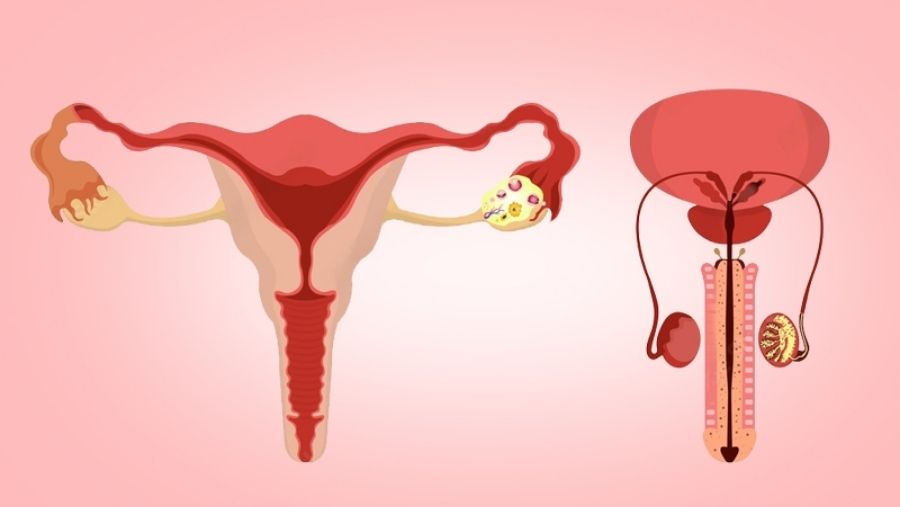
The anatomy of the pelvic floor in women and men is based on similar principles; however, pregnancy and childbirth in women, and prostate-related surgeries in men, are particular situations that can affect pelvic floor functions.
What Is Pelvic Floor Dysfunction?
Pelvic floor problems do not mean only "muscle weakness". In clinical practice two basic extremes may be seen:
- Muscle weakness / laxity: can be associated with complaints such as urinary incontinence (particularly leakage with coughing, laughing or exercise) and a feeling of prolapse.
- Excessive contraction / muscle spasm: can be associated with complaints such as pelvic pain, painful sexual intercourse, constipation and a feeling of not emptying completely.
For this reason, when Kegel exercises are planned the aim must not be merely "to contract" but to work the right muscle at the right dose.
How Are Kegel Exercises Done?
1) Finding the Right Muscles
Before starting Kegel exercises it is necessary to identify the pelvic floor muscles correctly. The simplest method may be to try to stop the flow for a moment while urinating. The muscles you work during this are the pelvic floor muscles. However, this method is only for identifying the muscle; stopping urine is not recommended as an exercise routine.
2) Basic Exercise Steps
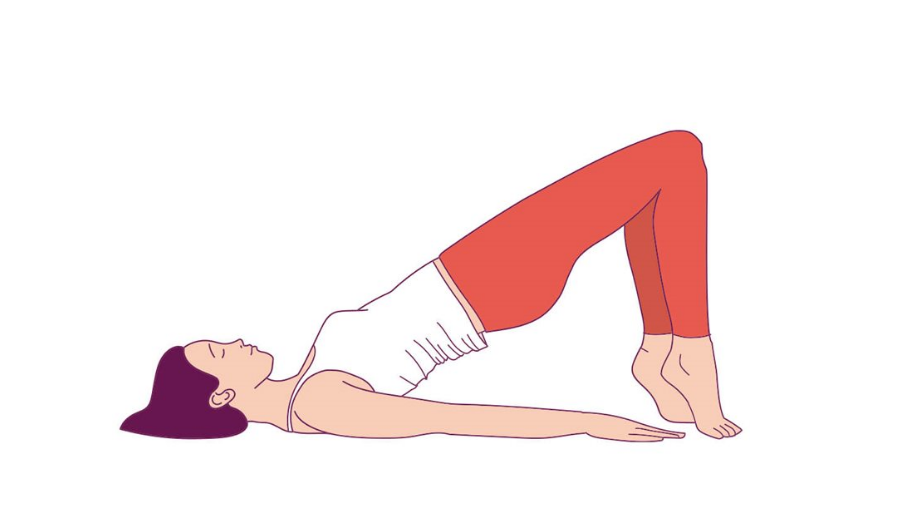
Take a comfortable position (you can start sitting or lying on your back). Apply the following steps:
- Gently contract the pelvic floor muscles.
- Hold the contraction for 5 seconds (at the beginning it may also be 2-3 seconds).
- Relax the muscles and rest for 5 seconds.
- Complete one set with 10 repetitions.
3) Exercise Frequency
For beginners, 2-3 sets a day is an adequate starting level for most people. As muscle control increases, the duration of contraction and the number of repetitions can be increased gradually. Spreading the exercises through the day reduces muscle fatigue.
What Is the Kegel Exercise Good For?
The question of what the Kegel exercise is good for frequently comes up because of the wide-ranging benefits provided by strengthening the pelvic floor muscles. These exercises play an important role in the prevention and treatment of various health problems for both men and women.
It improves urinary control: Kegel exercises are effective in reducing problems of urinary incontinence. The weakening of the pelvic floor muscles is frequently seen particularly in women after childbirth and in elderly individuals. This situation can lead to loss of bladder control and involuntary urinary leakage. Kegel exercises done regularly improve control over the bladder and urethra by increasing muscle tone. As a result, the episodes of urinary leakage experienced during coughing, sneezing or laughing are significantly reduced.
It supports sexual health: the Kegel exercise contributes to the improvement of sexual functions in male individuals. Strengthening the pelvic floor muscles can increase the quality of erection and can help in the management of problems of premature ejaculation. In women, Kegel exercises increase sexual pleasure by tightening the vaginal muscles and make it easier to reach orgasm. In addition, these exercises provide greater control and satisfaction during sexual intercourse.
It protects pelvic floor health: strong pelvic floor muscles are needed in order to hold the pelvic organs in the correct position. Kegel exercises protect pelvic floor health by preventing the prolapse of organs such as the uterus, bladder and bowel. They reduce the risk of pelvic organ prolapse particularly in women who have given birth and in elderly individuals. In this way, serious health problems that could adversely affect the quality of daily life can be prevented.
It improves bowel control: weakness of the pelvic floor muscles can cause faecal incontinence and difficulties in gas control. Kegel exercises, by strengthening the rectal muscles, allow bowel movements to be better controlled. This situation plays an important role in the management of bowel control problems that adversely affect social life and personal self-confidence.
It contributes to prostate health: in men, in the period after prostate surgery, the Kegel exercise can help to reduce problems of urinary incontinence. In addition, strengthening the pelvic floor muscles contributes to the improvement of sexual functions. These exercises can speed up the postoperative recovery process and increase quality of life.
It makes the childbirth process easier: for pregnant women, Kegel exercises increase the muscle control and flexibility needed during childbirth. Strong pelvic floor muscles can make the childbirth process easier and speed up recovery after birth. In addition, they help to prevent urinary incontinence problems that may emerge during and after pregnancy.
It increases general quality of life: strengthening the pelvic floor muscles allows individuals to carry out their daily life activities more comfortably and with more self-confidence. Being able to take part in social activities without fear of urinary or faecal leakage, increased satisfaction in sexual life and an improvement in the general state of health are among the important benefits offered by Kegel exercises.
Frequently Made Mistakes and Points to Be Aware Of
The most frequent problem in Kegel exercises is that different muscle groups come into play instead of the target muscle. Pay attention to the following points:
- Do not hold your breath; continue breathing in and out normally.
- Try not to contract the abdominal, hip and leg muscles.
- Relaxing is as important as "contracting". Remaining continuously contracted can increase complaints in some people.
- Do not make a habit of doing the exercises while urinating.
Can doing the Kegel exercise too much be harmful? Yes. Excessive repetition and holding the contraction for a long time can lead to muscle fatigue, spasm and pain in the pelvic floor. If complaints are increasing, the programme must be rearranged.
Kegel Exercises in Men
Kegel exercises can support pelvic floor muscle control in men too. They can be of benefit particularly in complaints of urinary incontinence, pelvic floor coordination problems or in the period after certain prostate surgeries.
Kegel After Prostate Surgery
In men, complaints of urinary incontinence may be seen after surgeries such as radical prostatectomy. In this process, strengthening the pelvic floor muscles in a controlled way can be planned as part of rehabilitation.
In some clinical approaches it may be recommended that the correct muscle be taught in the preoperative period (prehabilitation) and that the programme be continued after the operation. However, the starting time and the exercise dose can vary according to the surgical technique and the person's condition; for this reason the recommendation of the physician or physiotherapist following the case is important.
Who Are Kegel Exercises Suitable For and What to Be Aware Of When Doing Them
The Suitable Group
- Those with the complaint of stress-type urinary incontinence
- Women who wish to strengthen pelvic floor support in the period after childbirth
- Those seeking a supportive approach in the risk of pelvic organ prolapse
- Men who wish to support urinary control after prostate surgery
- Those seeking supportive exercise in gas/stool control problems (after assessment by a physician)
Points to Be Aware Of
- Do not hold your breath during the exercises; continue breathing in and out normally.
- Make sure you are targeting the right muscles. Avoid contracting your abdomen, legs or hips.
Kegel exercises are a simple and effective method that you can easily integrate into your daily life. Now that you have found the answers to the questions of what the Kegel exercise is, how it is done and what its benefits are, you can apply these exercises regularly in order to protect your pelvic floor health. By including these exercises in your daily routine you can lead a healthier life in the long term. In the event that you experience any problem, it is important that you consult a specialist.
Frequently Asked Questions
My abdominal muscles contract when I do the Kegel exercise. Is this normal?
The target is to work the pelvic floor, not the abdominal or hip muscles. If your abdominal muscles are markedly coming into play, the technique should be reviewed; if necessary, support from a physiotherapist should be obtained.
Is it right to do Kegel exercises while urinating?
The movement of stopping the urine flow can be used only briefly to find the right muscle. It is not recommended to apply routine exercises while urinating.
What happens if I do the Kegel exercise too much?
Excessive repetition and remaining contracted for a long time can cause muscle fatigue, spasm, pelvic pain or an increase in complaints. The exercise dose must be adjusted to the individual.
Can men do the Kegel exercise?
Yes. In men too the pelvic floor muscles play a role in urinary control and pelvic functions. It can be planned particularly in rehabilitation after prostate surgeries, on the recommendation of a physician.
Is the Kegel exercise suitable for everyone?
Not always. In people whose pelvic floor muscles are excessively contracted, exercises focused only on "contracting" can increase complaints. In such situations relaxation and coordination work may take priority.
What is biofeedback, does it really work?
Biofeedback aims to teach the person to work the right muscle by measuring pelvic floor muscle activity and giving them feedback. It can be useful in people who have difficulty finding the right muscle or who need special rehabilitation.
When should I consult a doctor?
If a complaint of urinary incontinence is affecting your quality of life, if there is pelvic pain, if defecation problems have become marked or if a rehabilitation plan is needed after prostate/pelvic surgery, assessment by a specialist is recommended.
Conclusion: Kegel exercises are a practical method for supporting pelvic floor health. For the best result it is important to find the right muscle, apply it at the right dose and obtain specialist support when necessary. If you have complaints or if pain occurs during the exercise, it is recommended that you consult a specialist.
Clinical Note
This article was written and medically reviewed by Prof. Dr. Murat Binbay, a urologist with more than 25 years of experience and over 1,500 robotic operations. The assessments reflect current international guideline recommendations together with our own clinical practice.
The information here is for general guidance only. Because every patient's history, imaging findings and comorbidities differ, a treatment decision can only be made after an examination. You can reach us through our contact page, or read more about our physician on the about us page.
Sources
- European Association of Urology — Urinary Incontinence Guidelines
- NIDDK (NIH) — Bladder Control Problems
Last reviewed: 8 September 2026 · Reviewed by: Prof. Dr. Murat Binbay, Urology and Robotic Surgery Specialist
Let Prof. Dr. Murat Binbay's team review your case
If you read this far, you probably have questions. Fill in the two-minute digital consultation form and we will get back to you within 24 hours.
- Answer within 24 hours
- Your data stays confidential

Urology and Robotic Surgery Specialist · 25+ years of experience
Last medically reviewed:
 Önceki Yazı
When Do Kidney Stones Require Surgery?
Önceki Yazı
When Do Kidney Stones Require Surgery?
 Sonraki Yazı
Innovative Endoscopic Treatments in Urethral Strictures
Sonraki Yazı
Innovative Endoscopic Treatments in Urethral Strictures
Yorumlar
1Yorum Yazın
Doğru kasların bulmada zorlana iyiyim gibi. Teşekkürler.