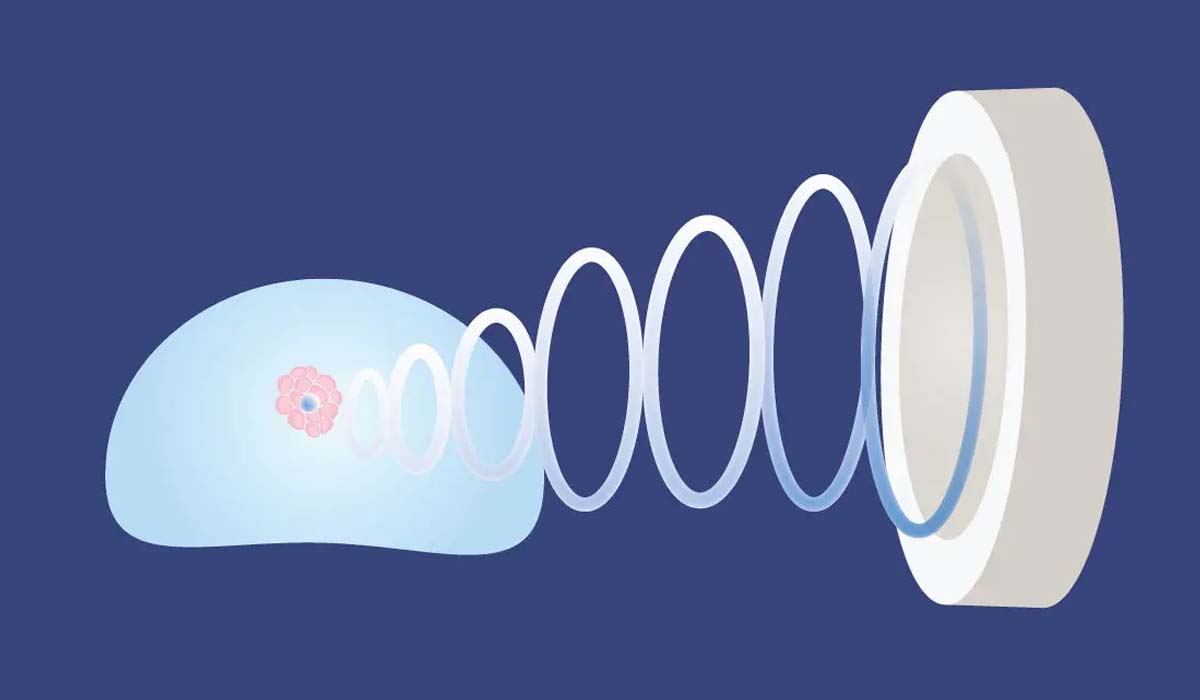
Kidney stones are a health problem that adversely affects quality of life and can be extremely painful. However, not every kidney stone situation requires surgery. Whether kidney stones require surgery or not varies depending on the size and location of the stone and the symptoms the patient experiences.
Kidney stones are a health problem that forms as a result of the hardening of minerals accumulating in the urinary tract and that seriously affects quality of life. These stones generally cause severe pain and discomfort. However, not every kidney stone case requires surgical intervention. The treatment method for kidney stones is determined according to the size of the stone, its location and the severity of the symptoms the patient experiences.
While small-sized kidney stones can generally be expelled from the body by natural means with drug treatment or plentiful fluid consumption, larger stones can cause obstruction in the urinary tract. In such situations, surgical intervention may be required depending on the size of the stone and the degree of pain the patient experiences. At the same time, the stone leading to recurrent urinary tract infections or deterioration in kidney functions is also among the important factors affecting the decision to operate. For this reason, the management and treatment of kidney stones must be planned meticulously, taking into consideration the patient's general state of health and the characteristics of the stones.
Kidney Stone Size and the Need for Surgery
One of the most important factors in whether kidney stones require surgery or not is the size of the stone. In general, kidney stones smaller than 5 mm can be expelled by natural means through the urinary tract. However, if the size of the stone is larger than 5 mm, it can create an obstruction in the urinary tract, and in this situation surgical intervention may be required. As the size of the stone increases, it becomes more difficult to expel it by natural means and the risk of permanent damage to the kidney increases.
Pain and the Necessity of Surgery
The pain caused by kidney stones can generally be unbearably severe. This pain emerges when there is an obstruction in the urinary tract or when the stones move. If the pain cannot be brought under control with painkilling medicines and seriously affects the patient's quality of life, surgery may become necessary. The severity of the pain is directly related to the location and size of the stone. Surgical intervention provides relief for the patient by eliminating the source of the pain.
Urinary Tract Infections and Kidney Stones
Frequently recurring urinary tract infections may indicate the presence of kidney stones. Stones can obstruct the normal flow of urine and cause bacteria to accumulate in the kidneys. This situation can lead to serious infections and, if not treated, can cause kidney damage. If frequent urinary tract infections are experienced because of kidney stones, surgical intervention may be required. This intervention is performed with the aim of preventing the recurrence of infections and protecting kidney functions.
Surgery in the Event That Other Treatment Methods Fail
The first stage in the treatment of kidney stones is generally non-invasive methods such as drug treatment or shock wave treatment (ESWL). These methods aim to ensure that the stones are broken up and expelled through the urinary tract. However, these treatment methods may not always be successful. If methods such as drug treatment or ESWL fail to eliminate the stones, surgical intervention becomes unavoidable. Surgery, by ensuring that the stones are completely removed, prevents long-term damage that may occur in the kidneys and urinary tract.
Kidney stones are a health problem that can be brought under control with the right treatment methods. However, if the size of the stones is large, if the pain becomes unbearable, if frequent urinary tract infections are experienced or if other treatment methods fail, surgery may become necessary. Early diagnosis and regular doctor's check-ups are of great importance in determining whether kidney stones require surgery. In order to protect your health and maintain your kidney functions, do not neglect to consult a specialist when you experience the symptoms of a kidney stone.
Clinical Note
This article was written and medically reviewed by Prof. Dr. Murat Binbay, a urologist with more than 25 years of experience and over 1,500 robotic operations. The assessments reflect current international guideline recommendations together with our own clinical practice.
The information here is for general guidance only. Because every patient's history, imaging findings and comorbidities differ, a treatment decision can only be made after an examination. You can reach us through our contact page, or read more about our physician on the about us page.
Sources
Last reviewed: 8 September 2026 · Reviewed by: Prof. Dr. Murat Binbay, Urology and Robotic Surgery Specialist
Let Prof. Dr. Murat Binbay's team review your case
If you read this far, you probably have questions. Fill in the two-minute digital consultation form and we will get back to you within 24 hours.
- Answer within 24 hours
- Your data stays confidential

Urology and Robotic Surgery Specialist · 25+ years of experience
Last medically reviewed:
 Önceki Yazı
Prostate Cancer: Unknown Facts
Önceki Yazı
Prostate Cancer: Unknown Facts
 Sonraki Yazı
What Is the Kegel Exercise and What Are Its Benefits?
Sonraki Yazı
What Is the Kegel Exercise and What Are Its Benefits?
Yorumlar
Yorum Yazın
Henüz yorum yapılmamış. İlk yorumu siz yapın!