Benign prostatic hyperplasia (BPH) is a health problem frequently seen in men that can adversely affect quality of life. In the treatment of benign prostatic hyperplasia (BPH), Rezum (water vapour) treatment is an effective and reliable option as a minimally invasive method.
With its rapid recovery time and low risk of side effects, Rezum treatment offers the possibility of comfortable treatment for BPH patients. It is important that men experiencing the symptoms of BPH consult a urology specialist in order to assess the appropriate treatment options. When applied correctly and by an experienced urology specialist, Rezum treatment can significantly increase quality of life.
What Is Benign Prostatic Hyperplasia (BPH)?
Benign prostatic hyperplasia is a condition that emerges as a result of the enlargement of the prostate gland with age and the increase in pressure on the urinary tract. This enlargement can obstruct urine flow and lead to various problems relating to urination. The symptoms of BPH may include the following:
- A need to urinate frequently
- Getting up at night to urinate (nocturia)
- Difficulty urinating or a weak flow
- A feeling of not emptying completely after urination
What Is Rezum (Water Vapour) Treatment?
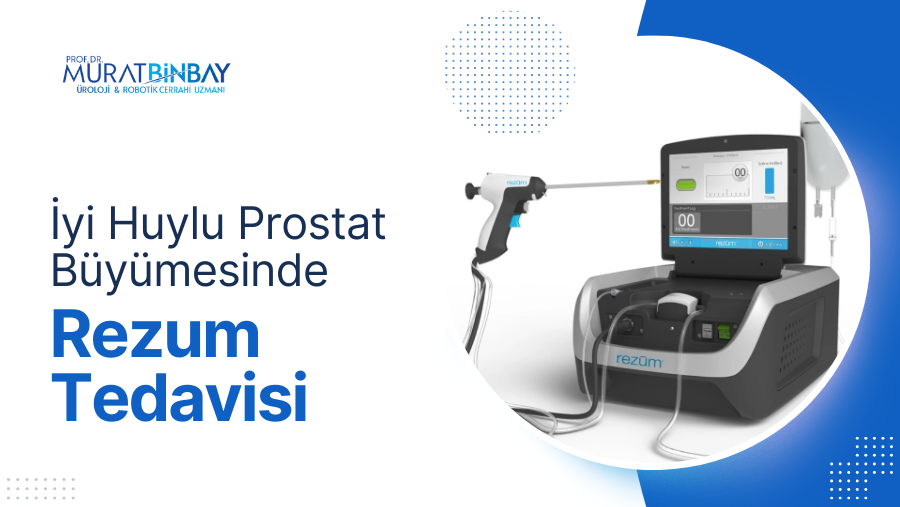
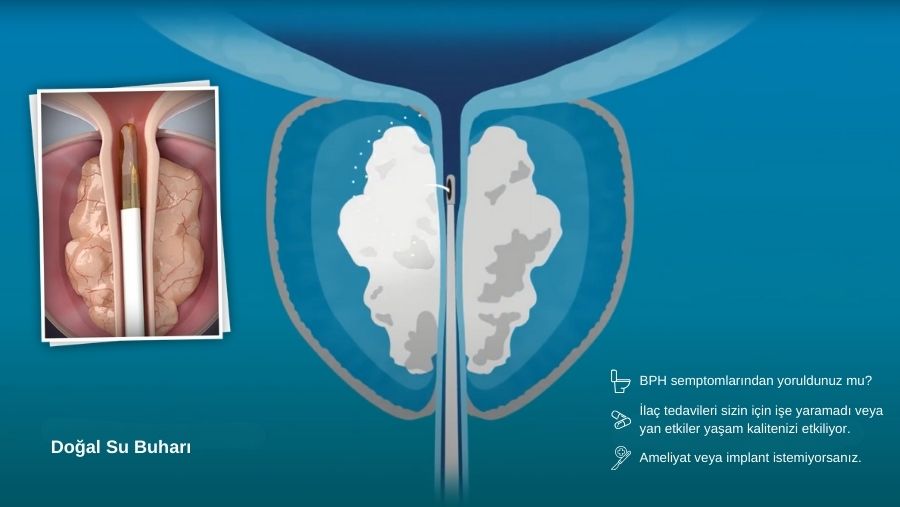
Rezum is a minimally invasive method used in the treatment of BPH. This treatment method uses water vapour to shrink the prostate tissue and improve urine flow. Rezum treatment is generally applied in situations where drug treatment remains inadequate for relieving BPH symptoms or where surgical intervention is not preferred.
The Advantages of Rezum Treatment
Rezum treatment has many advantages:
- It is minimally invasive: Rezum treatment does not require a surgical procedure and is generally carried out as an outpatient treatment.
- Rapid recovery: patients can generally return to their normal activities within a few days.
- Side effects are few: side effects such as sexual dysfunction are fewer than with traditional surgical methods.
- Effectiveness: Rezum relieves symptoms rapidly and provides long-term relief.
The Risks and Side Effects of Rezum Treatment
As with every medical procedure, Rezum treatment can also have certain risks and side effects:
- Temporary side effects: after the procedure, a urinary tract infection, bleeding or difficulty urinating may be seen temporarily.
- Rare side effects: in rare cases urinary incontinence or sexual dysfunction may develop.
How Is Rezum Treatment Applied?
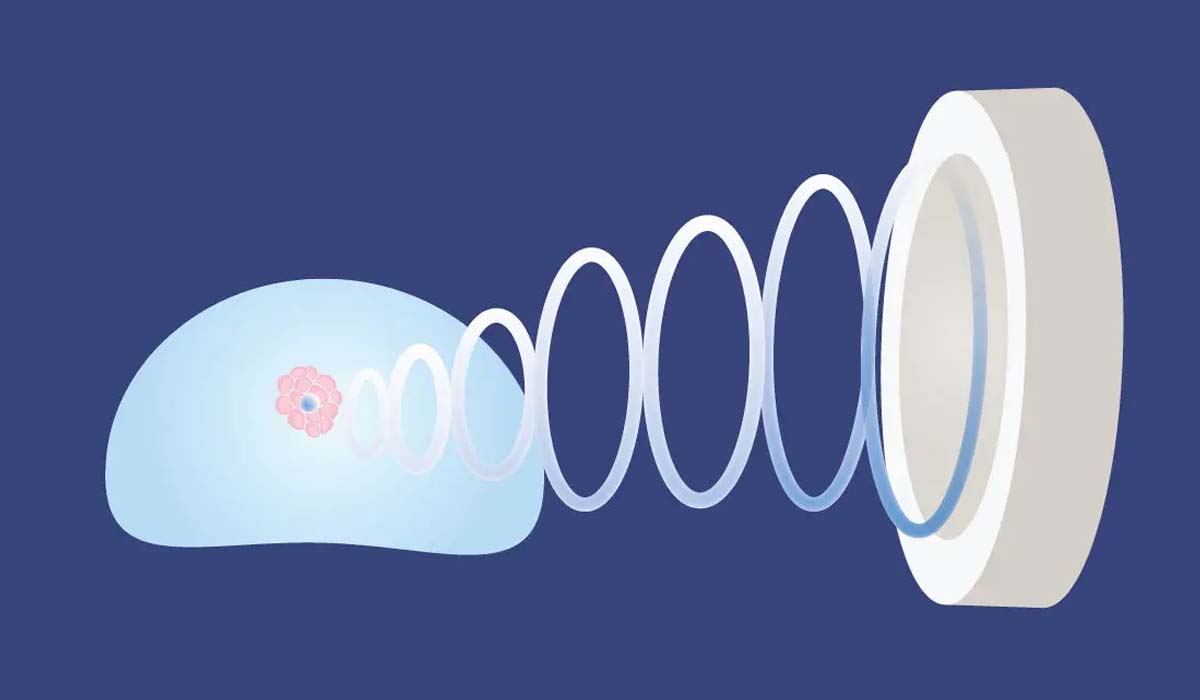
Rezum treatment is a procedure carried out under local anaesthesia. During the procedure, a thin catheter is inserted through the urethra (urinary channel) and, through this catheter, water vapour is delivered into the prostate tissue in a controlled manner. The water vapour destroys the prostate cells and thereby causes the tissue to shrink. The procedure generally lasts 10-15 minutes and the patient can return home the same day.
Here is the application process of Rezum treatment step by step:
Preparation of the patient:
- Before the procedure, local anaesthesia is applied to the patient and the treatment area is numbed.
- The patient is placed in a comfortable position.
Insertion of the catheter:
- A thin catheter is carefully inserted through the urethra (urinary channel).
- The catheter is directed towards the prostate gland and it is ensured that it is placed in the correct position.
Application of the water vapour:
- Water vapour is delivered into the prostate tissue in a controlled manner through the catheter.
- Each application of water vapour lasts approximately 9 seconds and is applied repeatedly at specific points.
- The water vapour breaks down the membranes of the prostate cells and leads to the death of the cells.
Shrinking of the prostate tissue:
- The dead cells are absorbed by the body over time and the prostate tissue shrinks.
- This process allows the pressure on the urinary tract to be reduced and urine flow to improve.
Completion of the procedure:
- When all the necessary water vapour applications have been completed, the catheter is removed.
- The procedure generally lasts 10-15 minutes and the patient is allowed to rest immediately afterwards.
The Treatment Process and Afterwards
The recovery process after Rezum treatment is quite rapid. Patients can generally return to their work and daily activities within a few days. However, full recovery and complete improvement of symptoms can take a few weeks. During this period the medicines recommended by the doctor must be used and heavy physical activities must be avoided.
The Recovery Process and Follow-Up
- The patient can return home the same day, but full recovery may take a few weeks.
- Within the first few days there may be symptoms such as mild discomfort, a temporary burning sensation when urinating or frequent urination.
- The medicines and care instructions recommended by the doctor must be followed.
- After the procedure, the recovery process is followed by attending doctor's check-ups at specific intervals.
- Additional treatment or support is provided when necessary.
Clinical Note
This article was written and medically reviewed by Prof. Dr. Murat Binbay, a urologist with more than 25 years of experience and over 1,500 robotic operations. The assessments reflect current international guideline recommendations together with our own clinical practice.
The information here is for general guidance only. Because every patient's history, imaging findings and comorbidities differ, a treatment decision can only be made after an examination. You can reach us through our contact page, or read more about our physician on the about us page.
Sources
- European Association of Urology — Non-neurogenic Male LUTS Guidelines
- NIDDK (NIH) — Prostate Enlargement: Benign Prostatic Hyperplasia
Last reviewed: 8 September 2026 · Reviewed by: Prof. Dr. Murat Binbay, Urology and Robotic Surgery Specialist
Let Prof. Dr. Murat Binbay's team review your case
If you read this far, you probably have questions. Fill in the two-minute digital consultation form and we will get back to you within 24 hours.
- Answer within 24 hours
- Your data stays confidential

Urology and Robotic Surgery Specialist · 25+ years of experience
Last medically reviewed:
 Önceki Yazı
Ozone Therapy for Patients With Interstitial Cystitis
Önceki Yazı
Ozone Therapy for Patients With Interstitial Cystitis
 Sonraki Yazı
Transperineal Laser Ablation
Sonraki Yazı
Transperineal Laser Ablation
Yorumlar
Yorum Yazın
Henüz yorum yapılmamış. İlk yorumu siz yapın!