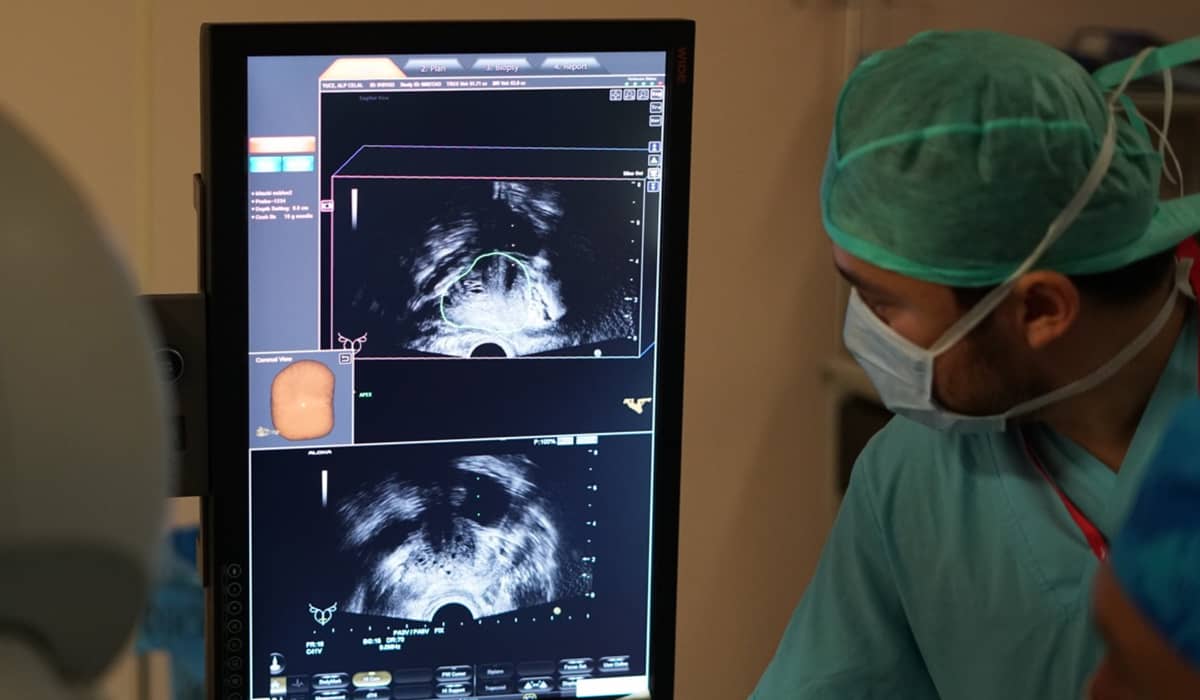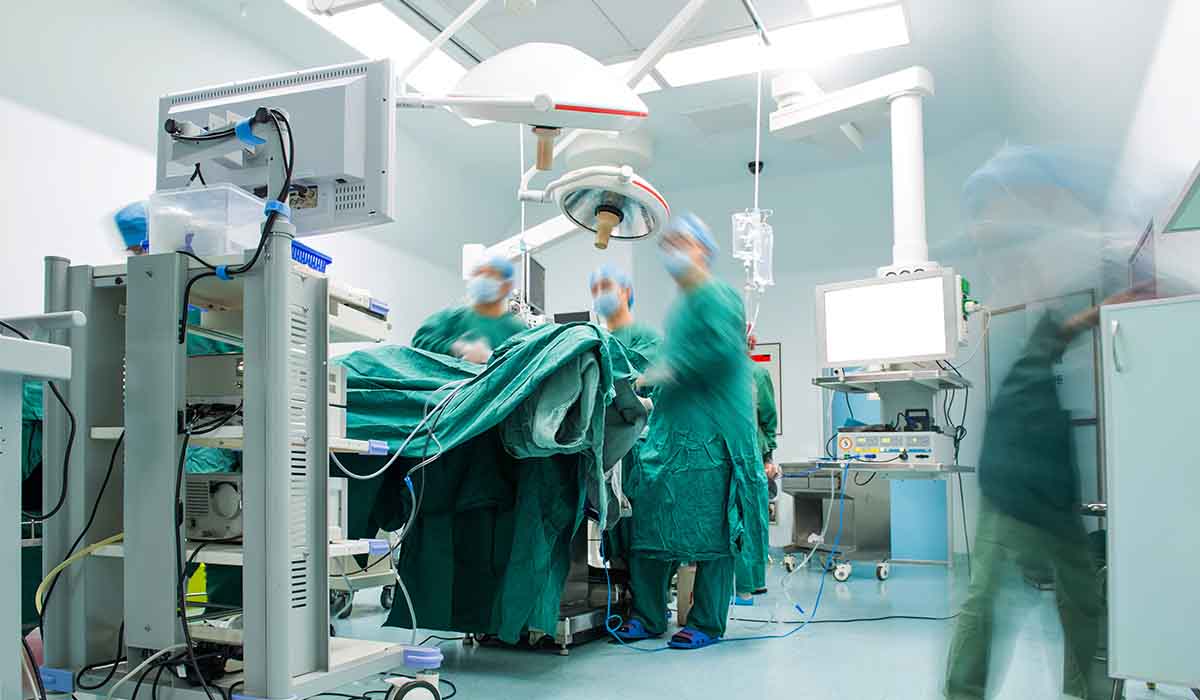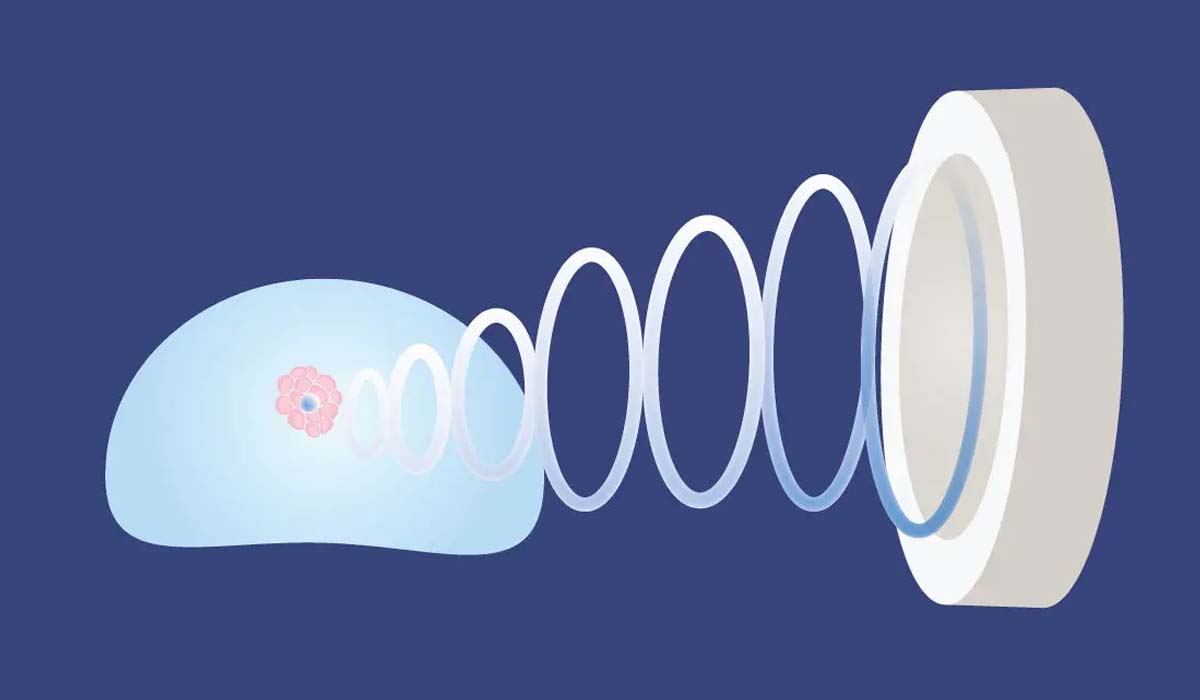
During the spread of testicular cancer, the lymph nodes in the retroperitoneum are the region that will be affected first. In the event of the cancer growing in the testicle spreading to these lymph nodes, retroperitoneal lymph node dissection (RPLND) surgery is performed.
Retroperitoneal lymph node dissection requires general anaesthesia. Although surgical times show great differences between individuals, the average duration of the surgical intervention is approximately 6 hours.
The surgeon will make a wide incision in the middle part of the patient's abdominal region and push the intestines to one side. Then the lymph nodes affected by cancer located within the retroperitoneum are removed.
How Is RPLND Performed?
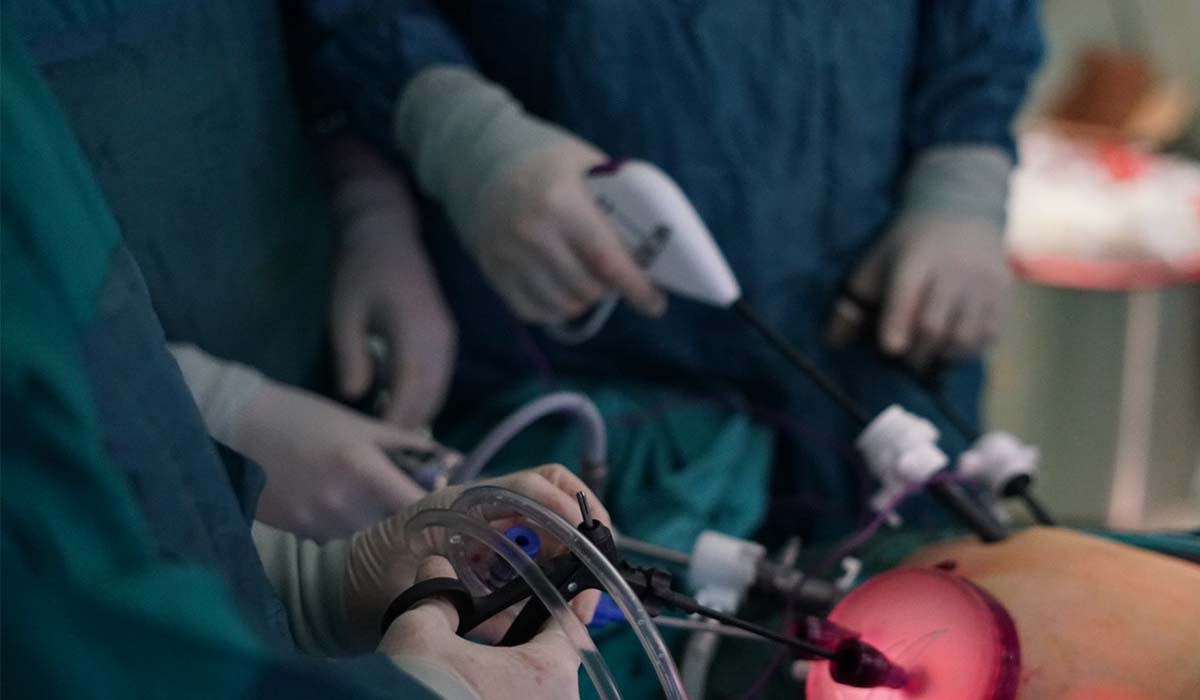
RPLND is the procedure of removing from the body the lymph nodes around the main vessels of the aorta and the inferior vena cava in the abdomen. RPLND can be applied with open surgery, laparoscopic surgery and robotic surgery.
In our country and in Europe, RPLND is generally performed to remove masses remaining in the abdomen in patients who have received chemotherapy. After chemotherapy these masses are found stuck to the main vessels. During the removal of these masses, injuries can occur in these vessels. Because repairing them with laparoscopy is very difficult, today these operations are performed with robotic surgery (the gold standard) or open surgery. Whether it is performed with robotic surgery or with open surgery, this operation must be performed by very experienced and skilled surgeons; otherwise serious life-threatening complications can emerge.
When RPLND is performed with open surgery, the patient's abdomen is cut all the way from the rib cage down to the root of the penis. In RPLND operations performed with open surgery the patient is generally given blood. The patient has serious pain after the operation and stays away from daily life for a long period.
When RPLND is performed with robotic surgery, there are 4 incisions of 8 mm and 1 incision of 2 cm in the patient's abdomen. The patient does not have serious bleeding. The patient is discharged from hospital after 2 days. There is no need for the patient to take strong painkillers. In the pictures below, the appearance during the operation of a patient who has undergone robotic RPLND, the pieces removed and the appearance 1 week after the operation can be seen.
Potential Risks and Complications
As in all major surgeries, complications can be seen in RPLND surgery, although rarely.
The potential risks and complications associated with this operation include but are not limited to the following:
- Bleeding: RPLND, the dissection of lymph nodes located around the large blood vessels circulating within the abdomen including the aorta and the vena cava, requires the removal of the lymph nodes. Injuries to these vessels can cause major blood loss.
- Infection: although patients are given broad-spectrum intravenous antibiotics immediately before the operation, urinary tract infections and skin incisions are rare but can emerge.
- Tissue / organ injury: although it is rarely seen, adjacent organs and tissues can be injured as a result of the operation. This risk of injury includes the kidneys, colon, intestines, vascular structures, nerves, muscles, lungs, spleen, liver, pancreas and gallbladder. In rare situations, further surgery may be required to remedy these unexpected injuries.
- Effects on fertility: testicular cancer patients are generally young and for this reason may be concerned with preserving their fertility for the future. Testicular cancer treatments can affect fertility in various ways.
- Loss of sperm production: the application of chemotherapy can affect the amount of sperm produced by the testicles remaining after treatment. Although the sperm count can recover following chemotherapy, there is a risk of the sperm quality not returning to normal levels.
- Retrograde ejaculation: sometimes the delicate nerves responsible for the control of ejaculation can be damaged during RPLND surgery. This can result in retrograde ejaculation, in which the sperm is ejaculated into the bladder rather than out of the penis. Patients may notice a serious decrease or complete absence in the ejaculatory fluid. Although this situation does not harm your health, it will negatively affect a man's ability to have sexual intercourse.
- Lymphocele: lymphatic fluid can collect in the area where the lymph nodes were removed, which may require drainage of the fluid or another operation.
- Respiratory complications: certain chemotherapy medicines such as bleomycin have potential toxicity for your lungs and expose you further to the risk of respiratory complications during and after the operation. In most cases, patients receiving such medicines can undergo a successful operation with greater attention paid to their respiratory status.
Clinical Note
This article was written and medically reviewed by Prof. Dr. Murat Binbay, a urologist with more than 25 years of experience and over 1,500 robotic operations. The assessments reflect current international guideline recommendations together with our own clinical practice.
The information here is for general guidance only. Because every patient's history, imaging findings and comorbidities differ, a treatment decision can only be made after an examination. You can reach us through our contact page, or read more about our physician on the about us page.
Sources
- European Association of Urology — Testicular Cancer Guidelines
- National Cancer Institute (NIH) — Testicular Cancer
Last reviewed: 8 September 2026 · Reviewed by: Prof. Dr. Murat Binbay, Urology and Robotic Surgery Specialist
Let Prof. Dr. Murat Binbay's team review your case
If you read this far, you probably have questions. Fill in the two-minute digital consultation form and we will get back to you within 24 hours.
- Answer within 24 hours
- Your data stays confidential

Urology and Robotic Surgery Specialist · 25+ years of experience
Last medically reviewed:
 Önceki Yazı
Radical Cystectomy Surgery
Önceki Yazı
Radical Cystectomy Surgery
 Sonraki Yazı
The ThuLEP Technique: Prostate Surgery With Thulium Laser
Sonraki Yazı
The ThuLEP Technique: Prostate Surgery With Thulium Laser
Yorumlar
Yorum Yazın
Henüz yorum yapılmamış. İlk yorumu siz yapın!