Have you ever felt that your future is out of your control? Not knowing what will happen to you can be frightening, particularly when the subject is your health. However, when it comes to the prevention of cancer, recently conducted research shows that a few lifestyle changes can create a great effect.
Research conducted in 2022 shows that smoking, alcohol and being overweight are the leading causes of preventable cancer deaths.
Approximately 4.5 million cancer-related deaths worldwide (around 45% of them) are attributed to behavioural risk factors such as smoking, drinking and a sedentary lifestyle.
How Can You Reduce Your Cancer Risk?
Almost two-thirds of cancer-related deaths arise from preventable causes. The key word here is of course "preventable". That is, there are certain steps and changes you can make that will serve to reduce your risk of developing the disease.
Quit Smoking
If you smoke, one of the best things you can do for your health (not only to prevent cancer but at the same time to reduce your risk of developing other diseases and disorders) is to be determined to quit smoking.
The chemicals in cigarette smoke damage the DNA, or genetic structures, of all the cells in your body, which can cause normal cells to turn into cancerous cells. Then, if cancer cells begin to grow in your body, the chemicals in cigarettes also impair your body's ability to repair DNA damage and it cannot kill these cancerous cells.
Smoking is unfortunately still very common, particularly among men and in developing countries. From a public health point of view, there are a great many opportunities for change.
Nine out of every 10 deaths arising from lung cancer are linked to smoking, but smoking also increases your risk of developing almost all other types of cancer.
Reduce Alcohol Consumption
The data show that the less alcohol you consume the lower your cancer risk, and conversely, the more you drink the higher your risk.
Regular alcohol consumption increases your risk of developing the following types of cancer:
- Breast cancer
- Colon and rectal cancer
- Oesophageal cancer
- Laryngeal cancer
- Liver cancer
- Oral cancer
You may have heard that certain types of alcohol are better for you than others, but when it comes to cancer risk this is not correct. That is, every type of alcohol is associated with an increased cancer risk. This includes beer, red and white wine, liqueur, mineral water cocktails... all of them.
And the risk extends beyond cancer too. One study reveals that alcohol is associated with 2.8 million deaths every year, and that this situation makes it the leading cause of death among people between the ages of 15 and 49.
Reach a Healthy Weight
In the research conducted in August 2022, it emerged that, as well as smoking and alcohol use, having a high body mass index (BMI) is one of the top three preventable causes of cancer-related deaths.
Obesity presents a moderate increase in risk for almost every type of cancer. Each individual's risk of developing this disease is not that great, but if you look at population levels you will see that hundreds of thousands of cancers arise from obesity. Between 2010 and 2019 it increased by 20% mostly because of metabolic factors and mainly because of obesity.
This subject is subtle, multifaceted and somewhat complicated; this is partly because obesity and excess weight are metabolic health problems. In addition, BMI is not always an accurate measure of what a healthy weight should be. However, it is clear that certain factors that can lead to obesity and excess weight are within individuals' ability to manage and change.
Living a sedentary lifestyle (not exercising enough) and poor nutrition can contribute to weight gain. They also increase your risk of heart disease even if your BMI is regarded as healthy. For this reason, instead of looking only at the numbers on the labels of your clothes, focus on maintaining a healthy lifestyle and making choices you know are good for your body:
- Follow a balanced, nutritious diet.
- Exercise regularly.
- Get enough good, quality sleep.
- Manage your stress level.
You do not need to make sudden and radical changes. But if you start making small changes that you can maintain for months and years, this will make a very big difference. For most of us small changes can be made.
Other Factors in Preventing Cancer
Other lifestyle practices and behaviours also play a role in managing your cancer risk:
- Unsafe sex: the research conducted in August 2022 also stated that unsafe sex is an important risk factor for cancer (particularly cervical cancer) in women worldwide. Practise safe sex in order to avoid sexually transmitted infections (STIs) associated with an increased cancer risk.
- Ultra-processed foods: today, compared with 50 years ago, we have far more access to processed foods and antibiotics. Researchers suspect that such foods contribute to cancer risk, so do everything you can to stick to more natural foods.
- Sun exposure: the study conducted in August 2022 did not look specifically at the subject of sun exposure, but it was noted that UV rays are also a preventable cause of cancer. Try to limit the time you spend in the sun and always use sun protection.
Finally, this is not something you can now take back or change, but it is nevertheless important to know: in the 1980s and 90s doctors were far more likely to prescribe antibiotics than today. Frequent antibiotic use can also increase your cancer risk.
Some literature shows that people who took a lot of antibiotics at a very young age may have had their gut microbiome altered, and that this creates an adverse effect later on.
Can Cancer Be Completely Prevented?
All the lifestyle changes in the world can never guarantee that you will never develop cancer or other health problems. Sometimes nature takes its own course and genetics can also play a role.
Although less than half of cancer-related deaths are preventable, the truth is that more than half are not preventable. Unfortunately, people who maintain a very healthy lifestyle still develop cancer, but at the same time we still need to make use of every opportunity we can to maximise prevention.
Making these changes results in a great improvement in your overall risk; it provides a reduction of approximately 40% to 50% in your cancer risk. Someone who limits alcohol consumption, maintains a healthy weight, maintains an active lifestyle and does not smoke has a far lower risk of developing cancer.
And these changes have a cumulative effect, so the earlier you start the better off you will be.
We generally see the effects of these habits in people aged 60 and over, so from a public health point of view it is very important that you start positive changes earlier, as in your 20s and 30s. If you can develop healthy habits while you are young, you will also maintain them as you get older, which is a good way of reducing risk.
Small, sustainable changes can create a very great effect.
Clinical Note
This article was written and medically reviewed by Prof. Dr. Murat Binbay, a urologist with more than 25 years of experience and over 1,500 robotic operations. The assessments reflect current international guideline recommendations together with our own clinical practice.
The information here is for general guidance only. Because every patient's history, imaging findings and comorbidities differ, a treatment decision can only be made after an examination. You can reach us through our contact page, or read more about our physician on the about us page.
Sources
- National Cancer Institute (NIH) — Cancer Causes and Prevention
- World Health Organization — Cancer
- T.C. Sağlık Bakanlığı HSGM — Kanser
Last reviewed: 8 September 2026 · Reviewed by: Prof. Dr. Murat Binbay, Urology and Robotic Surgery Specialist
Let Prof. Dr. Murat Binbay's team review your case
If you read this far, you probably have questions. Fill in the two-minute digital consultation form and we will get back to you within 24 hours.
- Answer within 24 hours
- Your data stays confidential
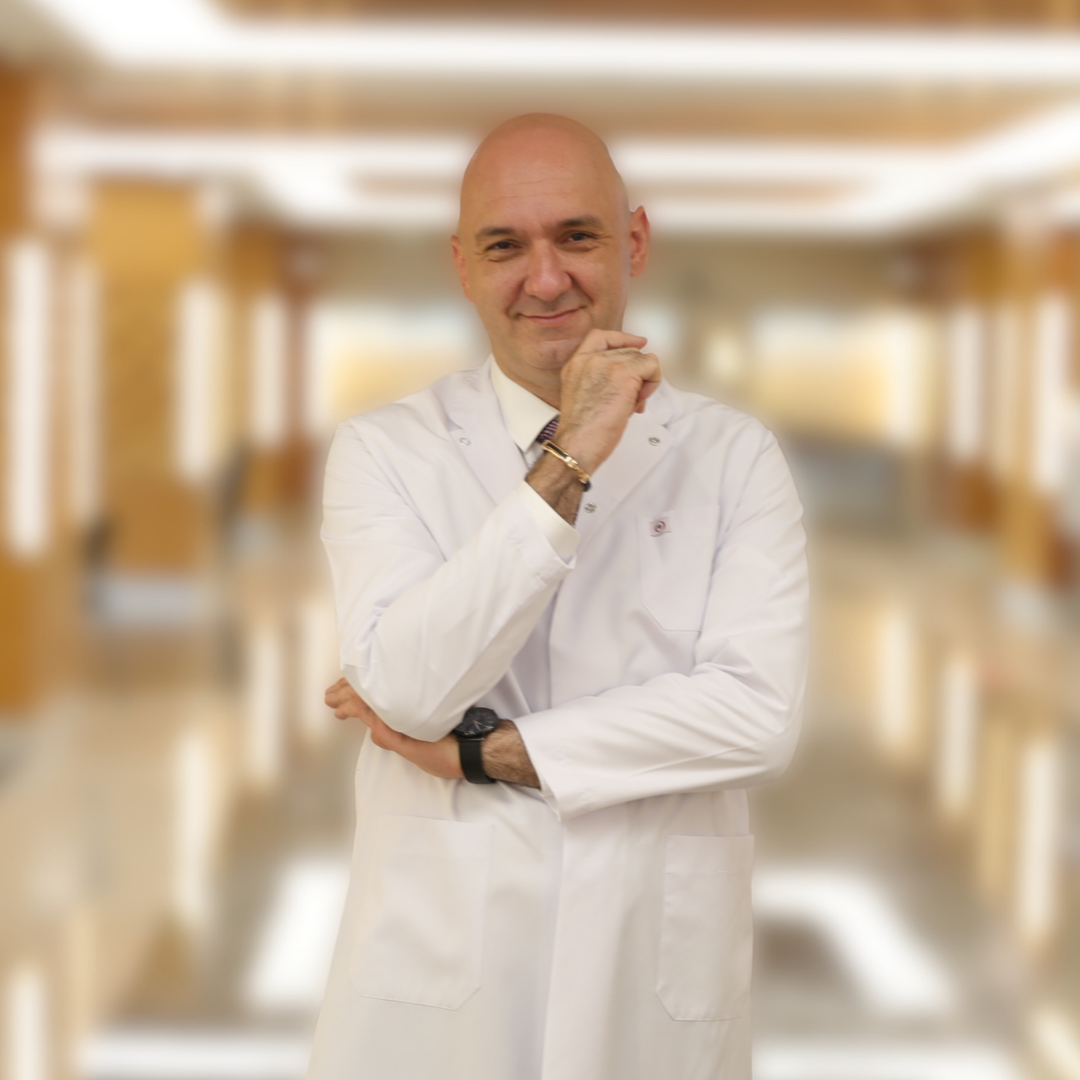
Urology and Robotic Surgery Specialist · 25+ years of experience
Last medically reviewed:
 Önceki Yazı
What Is a Urology Specialist and What Do They Do?
Önceki Yazı
What Is a Urology Specialist and What Do They Do?
 Sonraki Yazı
Laser Applications in Prostate Treatment
Sonraki Yazı
Laser Applications in Prostate Treatment
Yorumlar
Yorum Yazın
Henüz yorum yapılmamış. İlk yorumu siz yapın!