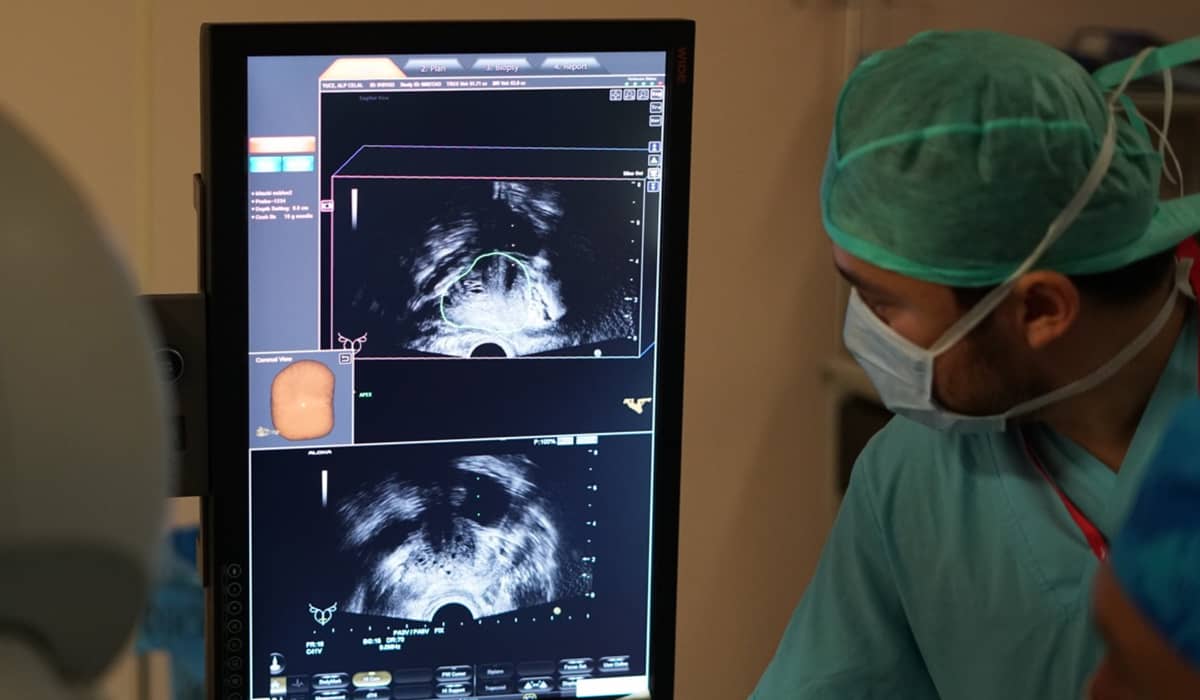
The prostate is an important component of the male reproductive system and tends to grow with age. Benign prostatic hyperplasia (BPH) is defined as the benign enlargement of the prostate and affects a great many men. Among the causes of BPH are ageing and hormonal changes. The symptoms, on the other hand, include troublesome situations such as difficulty urinating, frequent urination at night and weakening of the urine flow.
The Fundamentals of Laser Treatments
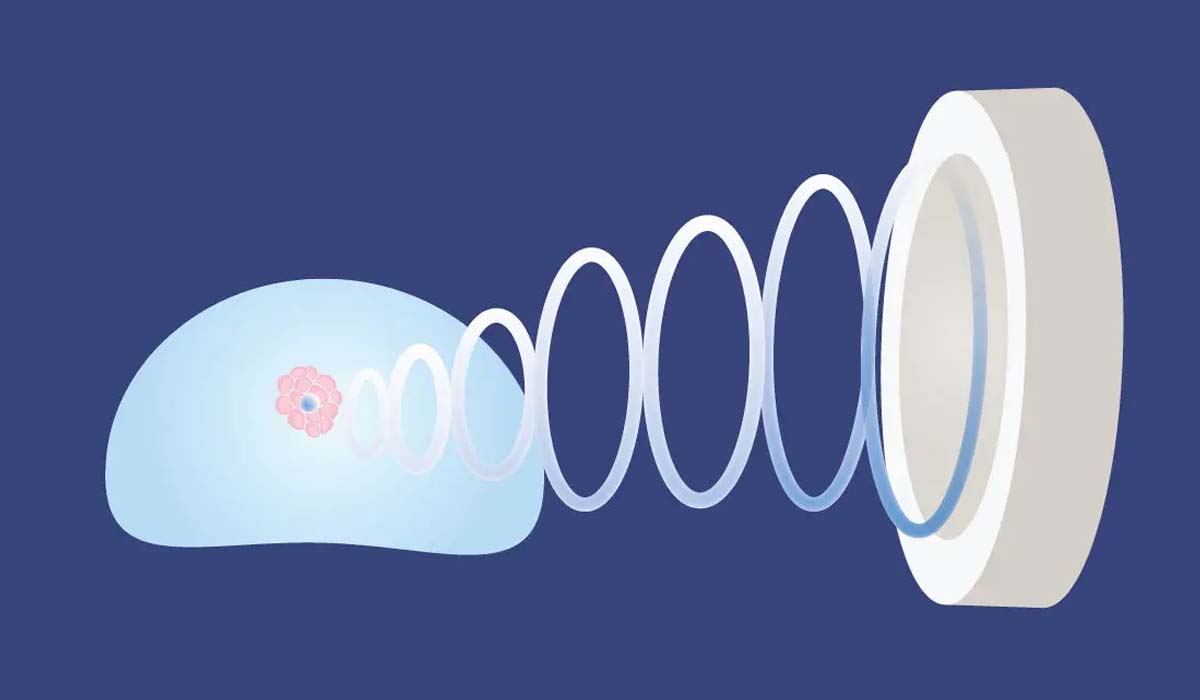
Laser treatment uses the focusing of light in the form of high-energy beams, and these beams cut or vaporise tissue. In urology, lasers are used to remove prostate tissue and improve urine flow.
-
Working principle:
- Lasers produce intense light beams at a specific wavelength and phase. These beams are directed at the target tissue and can carry out processes such as cutting, vaporising or coagulating (clotting of the blood) the tissue.
-
Energy levels and wavelengths:
- Different types of laser work at different wavelengths and energy levels. This allows specific lasers to target specific tissues and conditions.
-
Application techniques:
- Lasers can be directed into the body by means of endoscopic equipment (for example a ureteroscope or a cystoscope), so that doctors can target and apply the laser energy correctly.
-
Use in urology:
- Lasers are used for a range of applications in urology. Prostate enlargement treatment, stone breaking and tumour ablation (the destruction of the tumour) are the most common applications.
-
Procedural control:
- The use of lasers provides doctors with the ability to treat the target tissue precisely and in a controlled way, thereby minimising side effects and complications.
-
Training and experience:
- The safe and effective application of laser procedures requires doctors to have appropriate training and experience in using this technology.
Understanding the fundamentals of laser treatments can help you better understand what role this method can play in the treatment of urological disorders and what kinds of advantages it can provide for patients. The correct application and management of laser technology can offer better treatment results for patients and better quality of life in general.
The Advantages of Laser Treatments
Laser treatment offers important advantages in the treatment of BPH:
- Low risk of bleeding: laser energy seals the blood vessels while cutting or vaporising the tissue. This means less bleeding during and after the operation, which reduces the risk of complications.
- Fast recovery time: laser treatments are generally less invasive and create less tissue trauma. This allows patients to recover faster and return to normal activities faster.
- Short hospital stay: laser treatments generally result in shorter hospital stays. This means less discomfort and lower cost for patients.
- Less pain and discomfort: laser treatments are generally associated with less pain and discomfort than conventional surgery, which allows patients to have a more comfortable recovery process.
- Fewer side effects and complications: the ability of laser energy to treat tissue precisely and in a controlled way minimises side effects and complications.
- Better cosmetic results: laser treatments require smaller incisions and fewer sutures, which generally means better cosmetic results and less scarring.
- Better results and less recurrence (return of the disease): laser treatments can treat the target tissue more effectively and in some cases can offer lower recurrence rates.
- A decrease in the need for retreatment: laser treatments generally offer more lasting results, which means patients need less treatment in the future.
These and other advantages of laser treatments provide a range of benefits for patients and doctors. The correct and effective use of laser technology can provide great benefits in the treatment of urological and other medical disorders.
Prostate Treatment Methods With Laser
There are a few different techniques in prostate treatment with laser:
- Holmium laser enucleation (HoLEP): it uses a laser to remove prostate tissue and is an effective option for large prostates.
- Thulium laser enucleation (ThuLEP): similar to HoLEP, but it uses a different laser wavelength.
- GreenLight Laser: it is less invasive and is generally used for smaller prostates.
Each technique uses laser energy to remove prostate tissue and improve urine flow. The differences between the techniques lie in the wavelength and energy of the laser and in the exact details of the procedures applied.
Prostate treatment with laser is a modern and effective treatment for BPH. Different laser techniques and technologies offer the possibility of creating personalised treatment plans for patients, which means better results and an improvement in quality of life. Laser treatment, with its minimally invasive nature and fast recovery time, has an important place in the treatment of BPH.
Holmium Laser Enucleation (HoLEP)
Holmium laser enucleation (HoLEP) is a modern and effective laser procedure used in the treatment of benign prostatic hyperplasia (BPH). This technique uses the high-energy beams of holmium laser light to cut and vaporise prostate tissue. The procedure is carried out through the urethra by means of a resectoscope. The laser is controlled by the doctor and removes the enlarged part of the prostate, thereby improving urine flow.
HoLEP has several important advantages. Firstly, laser energy seals the blood vessels while cutting and vaporising the tissue, which significantly reduces the risk of bleeding during and after the operation. Secondly, HoLEP is regarded as a minimally invasive procedure, and this allows patients to recover faster and stay in hospital for a shorter time. In addition, HoLEP has low complication rates and is generally well tolerated by patients, which makes this procedure a popular option for BPH treatment.
Statistically, HoLEP has been shown to give quite successful results. Various studies have stated that HoLEP is effective regardless of prostate size and significantly improves urine flow. For example, some studies have shown that HoLEP can increase the urine flow rate by up to 200%. In addition, HoLEP has low recurrence rates, which demonstrates the long-term effectiveness of this procedure.
The general success rates and advantages of HoLEP make this procedure a safe and effective option for BPH treatment. It has been well received and adopted by patients and doctors, which has enabled HoLEP to gain a strong place among the modern treatments for BPH. HoLEP requires expertise and experience in its application, but when applied correctly it can significantly improve quality of life for patients and return urine flow to normal.
Thulium Laser Enucleation (ThuLEP)
Thulium laser enucleation (ThuLEP) is a laser procedure developed for the treatment of benign prostatic hyperplasia (BPH). ThuLEP uses the high-energy beams of thulium laser technology to cut and vaporise prostate tissue. The procedure is carried out through the urethra by means of a resectoscope or similar endoscopic equipment. The laser energy is used to remove the enlarged part of the prostate, which significantly improves urine flow.
ThuLEP has various advantages. Firstly, laser energy seals the blood vessels, which reduces the risk of bleeding during and after the operation. Secondly, thanks to its minimally invasive nature, patients' recovery time is shortened and their hospital stays are generally reduced. In addition, because ThuLEP is effective in various prostate sizes including large prostates, it is a suitable treatment option for a wide range of patients.
Statistical data show that ThuLEP is effective in BPH treatment. Various studies have stated that ThuLEP significantly improves urine flow and is effective regardless of prostate size. For example, some studies have shown that ThuLEP markedly increases the urine flow rate and improves patients' general quality of life. In addition, recurrence rates are low, which shows that ThuLEP can offer a long-term solution.
In general, ThuLEP is a safe and effective option in BPH treatment. The successful application of this procedure requires practitioners to have appropriate training and experience in using this technology. However, when applied correctly, ThuLEP improves quality of life for patients and can return urine flow to normal, which makes this procedure a valuable option for BPH treatment.
GreenLight Laser
GreenLight Laser is an innovative laser technology used in the treatment of benign prostatic hyperplasia (BPH). This procedure uses high-energy laser beams for the purpose of vaporising prostate tissue. Endoscopic equipment is advanced through the urethra and the laser energy improves urine flow by vaporising the enlarged prostate tissue.
GreenLight Laser has several important advantages. Firstly, laser energy seals the blood vessels, which reduces the risk of bleeding both during and after the operation. Secondly, this minimally invasive procedure allows patients to recover faster and shortens the length of hospital stay. In addition, GreenLight Laser is generally associated with less pain and discomfort, which means a more comfortable recovery process for patients.
Statistically, the GreenLight Laser procedure has given positive results in BPH treatment. Various studies have shown that this procedure significantly improves urine flow and increases patients' general quality of life. For example, some studies have stated that GreenLight Laser markedly increases the urine flow rate and that recurrence rates are low.
In conclusion, GreenLight Laser is a safe and effective option in BPH treatment. The successful application of this procedure requires practitioners to have appropriate training and experience in using this technology. When applied correctly, GreenLight Laser improves quality of life for patients and can return urine flow to normal, which makes this procedure a valuable option for BPH treatment.
Clinical Note
This article was written and medically reviewed by Prof. Dr. Murat Binbay, a urologist with more than 25 years of experience and over 1,500 robotic operations. The assessments reflect current international guideline recommendations together with our own clinical practice.
The information here is for general guidance only. Because every patient's history, imaging findings and comorbidities differ, a treatment decision can only be made after an examination. You can reach us through our contact page, or read more about our physician on the about us page.
Sources
- European Association of Urology — Non-neurogenic Male LUTS Guidelines
- NIDDK (NIH) — Prostate Enlargement: Benign Prostatic Hyperplasia
Last reviewed: 8 September 2026 · Reviewed by: Prof. Dr. Murat Binbay, Urology and Robotic Surgery Specialist
Let Prof. Dr. Murat Binbay's team review your case
If you read this far, you probably have questions. Fill in the two-minute digital consultation form and we will get back to you within 24 hours.
- Answer within 24 hours
- Your data stays confidential

Urology and Robotic Surgery Specialist · 25+ years of experience
Last medically reviewed:
 Önceki Yazı
Recommendations for Reducing Your Cancer Risk
Önceki Yazı
Recommendations for Reducing Your Cancer Risk
 Sonraki Yazı
Erectile Dysfunction and Its Treatment
Sonraki Yazı
Erectile Dysfunction and Its Treatment
Yorumlar
Yorum Yazın
Henüz yorum yapılmamış. İlk yorumu siz yapın!