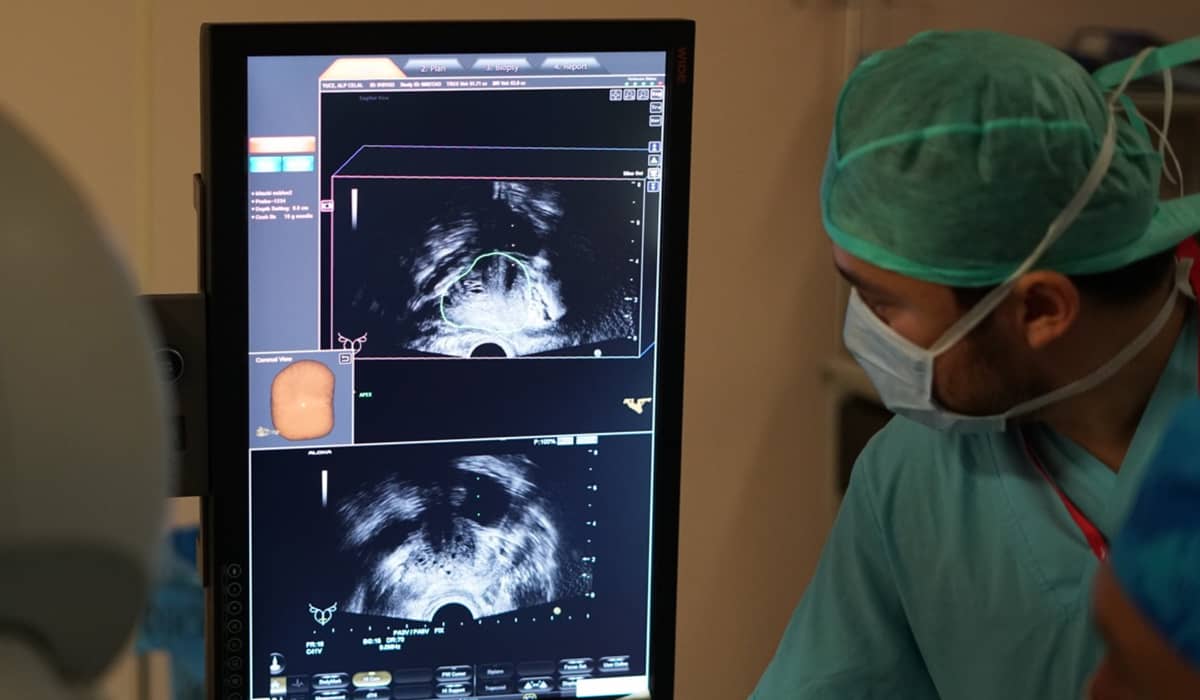
Prostate cancer is one of the most frequently seen types of cancer in men and, when diagnosed early and treated appropriately, the success rate is quite high. Radical prostatectomy, one of the treatment methods, is a surgical procedure in which the prostate gland is completely removed. However, in some patients problems such as PSA (prostate specific antigen) levels not falling or rising again may emerge after this procedure. This situation may indicate that the disease has not been brought under control or that it has recurred and requires additional treatment methods to be assessed.
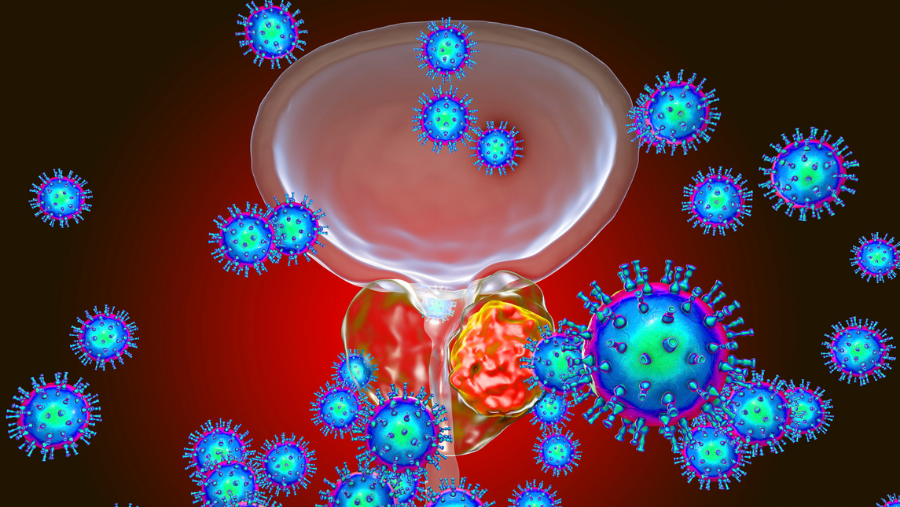
PSA persistence after radical prostatectomy constitutes an important challenge in the management of prostate cancer. Although this situation shows that the disease has not been fully brought under control after surgery, options such as adjuvant radiotherapy, salvage radiotherapy and hormone treatment support patients' treatment plans. In addition, innovative approaches such as adenovirus-based gene therapies carry great potential for increasing treatment success.
The most appropriate treatment method for each patient must be determined taking into consideration their individual state of health and the characteristics of the cancer. Regular follow-up and a multidisciplinary approach are the key to increasing success in the fight against prostate cancer.
PSA and Follow-Up After Radical Prostatectomy
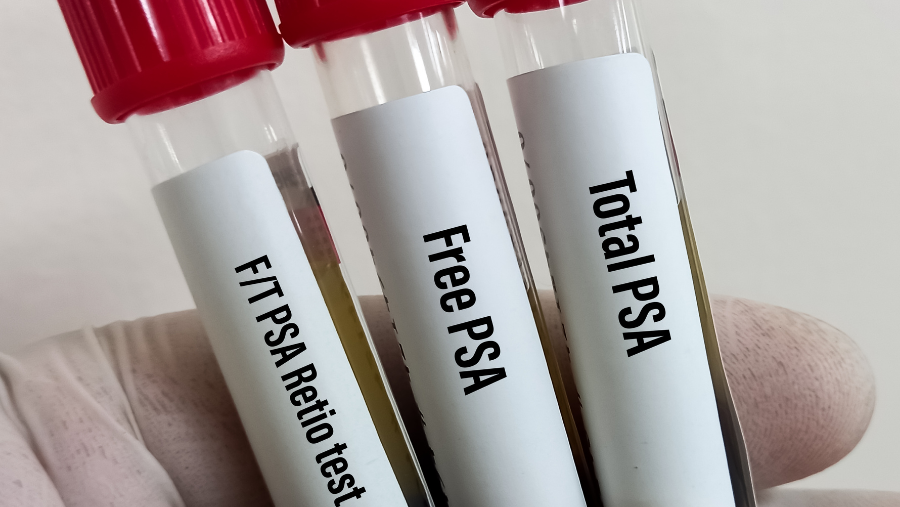
PSA is a protein produced by prostate cells and can be measured with blood tests. While it is present at low levels in healthy men, PSA levels can increase in prostate cancer or other prostate diseases. The success of prostate cancer treatment is generally assessed by monitoring PSA levels. After radical prostatectomy the PSA level is expected to be close to zero. However, in some situations PSA levels may remain high or may rise again.
PSA Persistence After Radical Prostatectomy
PSA persistence after radical prostatectomy is defined as the situation in which PSA levels do not fall below a certain threshold value (generally ≤0.2 ng/ml) within six weeks after the surgical intervention. This situation may indicate that prostate cancer cells may have remained in the body.
Possible Causes of PSA Persistence
- Local recurrence: some cancer cells being left behind during the surgical procedure.
- Metastatic disease: cancer cells having spread outside the prostate.
- Inadequate surgical margin: the cancerous tissue not being completely removed.
Treatment Approaches for PSA Persistence
The management of patients with PSA persistence begins with determining whether the disease is local or metastatic. This distinction is of critical importance in shaping the treatment plan.
1- Adjuvant Radiotherapy
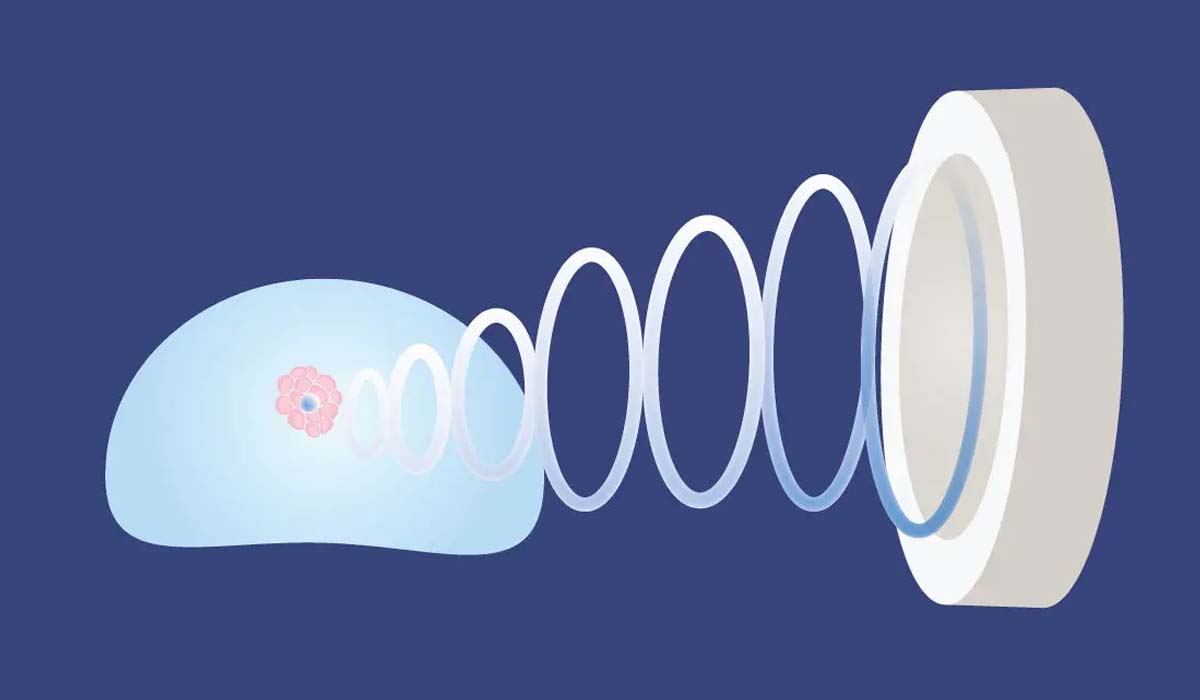
Adjuvant radiotherapy is applied to destroy the tumour tissue remaining after the operation. The RADICALS-RT study has shown that adjuvant radiotherapy can increase local control in patients with PSA levels ≤0.2 ng/ml but can also increase the risk of side effects. For this reason it is important that adjuvant radiotherapy be planned carefully.
- Urinary and bowel toxicity has been found to be higher in patients given adjuvant radiotherapy compared with salvage radiotherapy.
2- Salvage Radiotherapy
Salvage radiotherapy, applied in the event of PSA levels rising, carries a lower risk of side effects compared with adjuvant radiotherapy. Waiting until an increase in PSA levels is observed may be an appropriate approach for avoiding side effects.
3- Hormone Treatment
The application of hormone treatment together with radiotherapy can reduce the risk of the cancer progressing. The effectiveness of this combination treatment can vary depending on the spread of the disease and the patient's general condition.
Factors Affecting the Treatment Decision
When the treatment plan is created, the following elements must be taken into consideration:
- The PSA level and its rate of increase.
- The risk factors in the surgical pathology report (positive margin, Gleason score, etc.).
- The patient's general state of health and other medical history.
Clinical Note
This article was written and medically reviewed by Prof. Dr. Murat Binbay, a urologist with more than 25 years of experience and over 1,500 robotic operations. The assessments reflect current international guideline recommendations together with our own clinical practice.
The information here is for general guidance only. Because every patient's history, imaging findings and comorbidities differ, a treatment decision can only be made after an examination. You can reach us through our contact page, or read more about our physician on the about us page.
Sources
- European Association of Urology — Prostate Cancer Guidelines
- National Cancer Institute (NIH) — Prostate Cancer
- Türk Üroloji Derneği — Güncel Kılavuzlar
Last reviewed: 8 September 2026 · Reviewed by: Prof. Dr. Murat Binbay, Urology and Robotic Surgery Specialist
Let Prof. Dr. Murat Binbay's team review your case
If you read this far, you probably have questions. Fill in the two-minute digital consultation form and we will get back to you within 24 hours.
- Answer within 24 hours
- Your data stays confidential

Urology and Robotic Surgery Specialist · 25+ years of experience
Last medically reviewed:
 Önceki Yazı
BCG and Adenovirus-Based Treatments in Superficial Bladder Cancers
Önceki Yazı
BCG and Adenovirus-Based Treatments in Superficial Bladder Cancers
 Sonraki Yazı
What Is Cryotherapy? What Are Its Benefits and Risks?
Sonraki Yazı
What Is Cryotherapy? What Are Its Benefits and Risks?
Yorumlar
Yorum Yazın
Henüz yorum yapılmamış. İlk yorumu siz yapın!