Cryotherapy is a method frequently used in the treatment of various skin lesions. This treatment method is based on low temperatures treating the lesions on the skin by freezing them. Cryotherapy, which offers an effective solution particularly in skin disorders such as warts and genital warts, offers patients a minimally invasive treatment alternative.
Cryotherapy is derived from the word "cryo", which means "cold" in Greek. In medicine, cryotherapy is a treatment method that targets abnormal cells in the skin. During this treatment, liquid nitrogen or another cooling agent is applied to the affected area and the lesions are frozen. The frozen tissues die over time and are shed from the skin. Cryotherapy is generally used in the treatment of lesions such as warts on the skin, certain types of cancer in the skin and genital warts.
How Is Cryotherapy Applied?
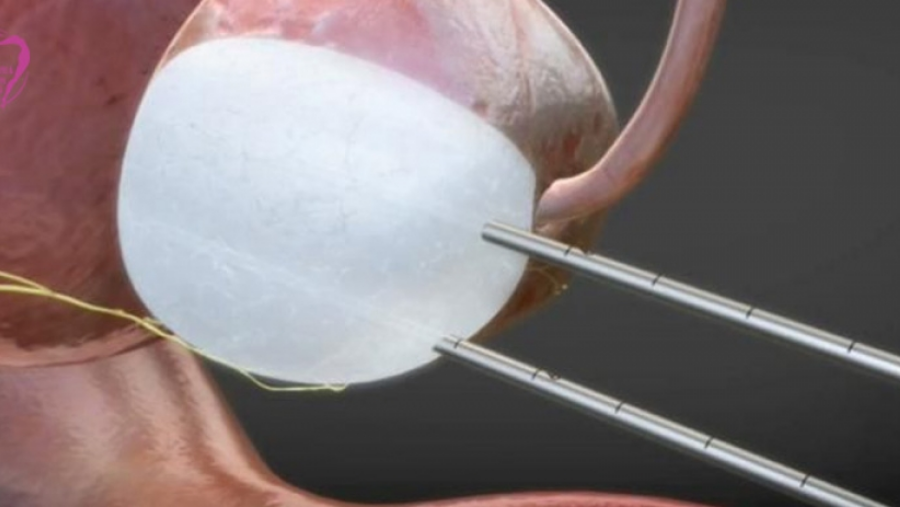
Cryotherapy is a rapid and effective treatment method generally carried out in clinical settings. During the procedure, cold is applied to the target area using low-temperature substances such as liquid nitrogen. The liquid nitrogen applied directly onto the wart or lesion leads to the tissues around the lesion being frozen and to these tissues dying over time.
Stages of the Application:
- Preparation: before the treatment, the area to be treated is cleaned and, if necessary, local anaesthesia is applied. This increases the patient's comfort, particularly if the application is to be made in areas sensitive to pain.
- Application of cooling: using liquid nitrogen or a cryotherapy device, low temperature is applied directly onto the wart or lesion. This procedure generally lasts 10-30 seconds, but the duration can vary according to the size and type of the area being treated.
- Healing: the frozen tissue dies within a few days and is shed from the surface of the skin. After the treatment there may be small scabs or redness, but the healing process is generally rapid.
Cryotherapy in Genital Warts
Genital warts are a common disorder triggered by the sexually transmitted human papilloma virus (HPV). Warts in the genital areas can constitute an important problem both from an aesthetic and from a health point of view. Cryotherapy is an effective method frequently used in the treatment of genital warts.
In this treatment method, genital wart lesions are frozen with liquid nitrogen. The freezing procedure leads to the wart cells being damaged by freezing and shed from the skin over time. In the treatment of genital warts, cryotherapy is generally applied in a few sessions and a period of 2-3 weeks is generally waited between sessions.
The treatment of genital warts with cryotherapy is both effective and, because it is generally minimally invasive, offers a comfortable option for patients.
The Advantages of Cryotherapy
Cryotherapy provides many advantages in the treatment of warts and skin lesions:
- Minimally invasive: because cryotherapy does not require surgical intervention, it is a considerably less invasive procedure. In this way patients can return quickly to their daily activities after treatment.
- Rapid healing: healing after cryotherapy is generally rapid. The warts in the treated area are shed within a few days and most patients heal painlessly.
- Effective results: cryotherapy allows effective results to be obtained in the treatment of warts and genital warts. In most cases the lesions disappear completely after the treatment has been completed.
- Results in a few sessions: successful results are generally obtained after a few sessions. The treatment process can be determined according to the size of the wart and lesion.
The Risks of Cryotherapy
Like every medical treatment, cryotherapy also has certain risks. These risks are generally small, but some complications can occur. Here are the potential risks of cryotherapy:
- Bleeding, cramping or pain: after cryotherapy has been applied, discomfort such as bleeding, cramping or pain may be seen, particularly in the cervical region (neck of the womb). Such side effects are generally temporary and decrease along with the healing process after treatment.
- Bone fractures: during cryotherapy, because of the hardening of tissues with the cold applied, bone fractures may rarely occur. However, this situation is very rare and carries minimal risk in patients treated with appropriate methods.
- Nerve damage and loss of sensation: during the application of cryotherapy, in some situations the cold can damage the nerves, and this in turn can lead to loss of sensation. This situation is generally temporary and can improve over time after treatment.
- Swelling, scarring and skin infection: after cryotherapy treatment, complications such as swelling, scarring or skin infection may be seen. These risks can be minimised by paying attention to the proper care of the treated area. Paying attention to hygiene rules after the application reduces the risk of infection.
Cryotherapy and Other Treatment Methods
Although cryotherapy is an effective method widely used in wart treatment, it may not be the best solution in every situation. Other treatment options also include laser treatment, electrocauterisation and surgical interventions. However, because cryotherapy is generally rapid and effective, it tends to be one of the first methods of choice.
Which treatment method will be used must be determined by a specialist taking into consideration the patient's condition, the size and type of the lesion, and also the patient's health history.
Clinical Note
This article was written and medically reviewed by Prof. Dr. Murat Binbay, a urologist with more than 25 years of experience and over 1,500 robotic operations. The assessments reflect current international guideline recommendations together with our own clinical practice.
The information here is for general guidance only. Because every patient's history, imaging findings and comorbidities differ, a treatment decision can only be made after an examination. You can reach us through our contact page, or read more about our physician on the about us page.
Sources
- European Association of Urology — Prostate Cancer Guidelines
- National Cancer Institute (NIH) — Prostate Cancer
- Türk Üroloji Derneği — Güncel Kılavuzlar
Last reviewed: 8 September 2026 · Reviewed by: Prof. Dr. Murat Binbay, Urology and Robotic Surgery Specialist
Let Prof. Dr. Murat Binbay's team review your case
If you read this far, you probably have questions. Fill in the two-minute digital consultation form and we will get back to you within 24 hours.
- Answer within 24 hours
- Your data stays confidential

Urology and Robotic Surgery Specialist · 25+ years of experience
Last medically reviewed:
 Önceki Yazı
PSA Persistence After Radical Prostatectomy
Önceki Yazı
PSA Persistence After Radical Prostatectomy
 Sonraki Yazı
RCC (Renal Cell Carcinoma) Survival Time
Sonraki Yazı
RCC (Renal Cell Carcinoma) Survival Time
Yorumlar
Yorum Yazın
Henüz yorum yapılmamış. İlk yorumu siz yapın!