Cystoscopy is a safe and effective diagnostic method frequently turned to in order to diagnose urinary tract and bladder problems.
This method, which has a procedure process with temporary mild discomfort, contributes to a correct diagnosis being made of patients' health problems. While the mild side effects that may occur after cystoscopy pass within a short time, the results obtained allow the patient to be directed to the correct treatment plan.
In this article we will answer the most frequently asked questions about cystoscopy and touch on the details that need to be known about this procedure.
Frequently Asked Questions About Cystoscopy
1. What Is Cystoscopy and Why Is It Done?
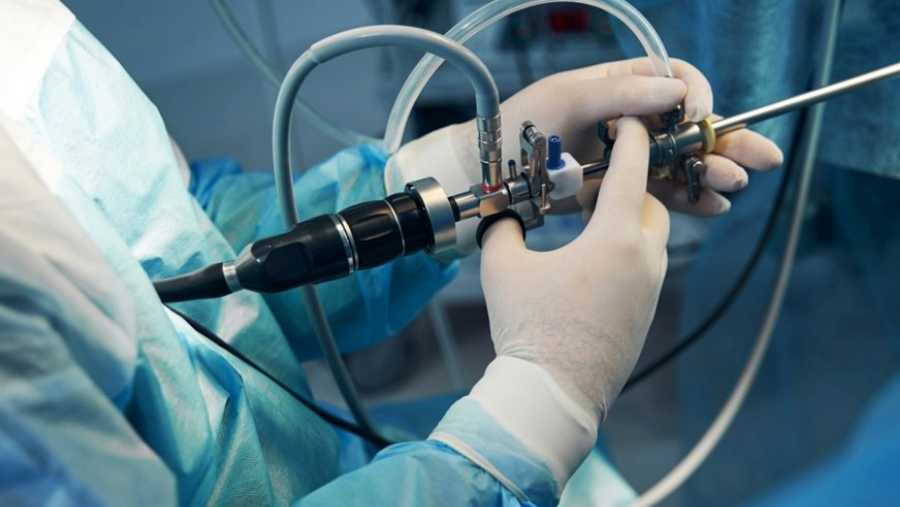
Cystoscopy is a procedure that allows the bladder and the urinary channel to be viewed from inside by inserting a thin camera (cystoscope) into the urinary tract. Cystoscopy is generally done in the following situations:
- Frequently recurring urinary tract infections
- Blood seen in the urine (haematuria)
- Bladder stones or suspicion of a tumour
- Burning, pain or difficulty when urinating
- Problems such as urinary incontinence
2. How Is Cystoscopy Done?
Cystoscopy is generally done with local anaesthesia or a mild sedative. In this way the patient can experience the procedure painlessly. A thin cystoscope is advanced from the urinary tract into the bladder and the internal structures are clearly visualised. If the doctor considers it necessary, they can take a biopsy and carry out a detailed examination. The duration of the procedure generally varies between 5-10 minutes and afterwards the patient can return to their normal activities.
3. Is Pain or Discomfort Felt During Cystoscopy?
This is a frequently asked question. During cystoscopy a mild pressure or discomfort may be felt; however, thanks to the local anaesthesia used, most patients experience a minimal level of pain. When a sedative or general anaesthesia is used during the procedure, the patient feels nothing at all. After the procedure, a mild burning sensation and a small amount of blood seen in the urine are normal and generally pass within a short time.
4. Is Cystoscopy Safe?
Yes, cystoscopy is generally a safe procedure. However, as with every medical procedure, cystoscopy also has certain risks. These are a rarely seen urinary tract infection, temporary bleeding in the urine and, though rare, irritation or the formation of a wound in the urinary tract. After the procedure, drinking plenty of water is recommended in order to reduce the risk of infection. If situations such as fever, excessive pain or difficulty when urinating occur as a sign of infection, a doctor should be consulted.
5. What Should Be Paid Attention to After Cystoscopy?
Some important points that patients need to pay attention to after cystoscopy are as follows:
- Plentiful water consumption: after the procedure it is important to drink plenty of water in order to cleanse the bladder and reduce the risk of infection.
- Mild pain and burning sensation: after the procedure there may be mild burning and bleeding when urinating. These symptoms generally pass on their own within a few days.
- Pay attention to signs of infection: fever, severe pain or the development of a bad smell in the urine may be a sign of infection, and in this situation a doctor should be consulted.
6. What Are the Conditions Diagnosed With Cystoscopy?
Cystoscopy is used to diagnose many urinary tract disorders. The most commonly diagnosed conditions are as follows:
- Bladder stones: the location and size of the stones present in the bladder are clearly observed.
- Bladder cancer: abnormal cell formations, tumours or signs of cancer can be detected.
- Urinary tract infections: the cause of frequently recurring infections is investigated and an appropriate treatment plan is created.
- Narrowing of the urinary channel (urethral stenosis): whether there is narrowing in the urinary tract is assessed.
7. Can a Biopsy Be Taken With Cystoscopy?
Yes, a biopsy can be taken during cystoscopy. When the doctor detects suspicious tissue in the bladder or urinary tract, they can take a small tissue sample from this area and send it for pathological examination. This biopsy is important particularly in the diagnosis of conditions such as bladder cancer.
8. How Long Does Cystoscopy Take and How Many Sessions Are Needed?
Cystoscopy is generally a procedure lasting 5-10 minutes and a single session is sufficient. However, in some situations, particularly if there is a chronic disease or a condition that needs to be monitored, the doctor may recommend that cystoscopy be performed at regular intervals.
9. Who Should Not Have Cystoscopy?
Although cystoscopy is a safe procedure for most patients, in some situations its application is not recommended. The risk of cystoscopy may be increased for patients with an active urinary tract infection or with serious bleeding disorders. In such situations the doctor may recommend avoiding the procedure until the appropriate treatment has been provided.
Clinical Note
This article was written and medically reviewed by Prof. Dr. Murat Binbay, a urologist with more than 25 years of experience and over 1,500 robotic operations. The assessments reflect current international guideline recommendations together with our own clinical practice.
The information here is for general guidance only. Because every patient's history, imaging findings and comorbidities differ, a treatment decision can only be made after an examination. You can reach us through our contact page, or read more about our physician on the about us page.
Sources
Last reviewed: 8 September 2026 · Reviewed by: Prof. Dr. Murat Binbay, Urology and Robotic Surgery Specialist
Let Prof. Dr. Murat Binbay's team review your case
If you read this far, you probably have questions. Fill in the two-minute digital consultation form and we will get back to you within 24 hours.
- Answer within 24 hours
- Your data stays confidential

Urology and Robotic Surgery Specialist · 25+ years of experience
Last medically reviewed:
 Önceki Yazı
The Role of the CTC Test in the Prostate Cancer Treatment Plan
Önceki Yazı
The Role of the CTC Test in the Prostate Cancer Treatment Plan
 Sonraki Yazı
Is Every Kidney Cyst Cancer?
Sonraki Yazı
Is Every Kidney Cyst Cancer?
Yorumlar
Yorum Yazın
Henüz yorum yapılmamış. İlk yorumu siz yapın!