Prostate cancer is one of the most frequently seen types of cancer in men and requires an effective treatment process particularly in its advanced stages. In order to increase the success of cancer treatment plans, it is important to monitor the progression of the disease and to assess the response to treatment. At this point, the circulating tumour cell (CTC) test attracts attention as an important tool for monitoring the course of the cancer.
The CTC test stands out as an effective tool in prostate cancer treatment for monitoring the progression of the disease, assessing the response to treatment and determining the risk of metastasis. Its being a non-invasive method and offering the possibility of detecting the dynamics of the disease at an early stage increase the importance of this test in cancer treatment. However, because it may not show the same effect in every patient, the decision must be made in line with a comprehensive assessment made by the doctor.
In prostate cancer treatment, the CTC test is a valuable aid for optimising the treatment process and determining the most appropriate treatment plan for the patient. In the future, such innovative tests are expected to develop further and create new hopes in the fight against cancer.
What Is the CTC Test and How Does It Work?
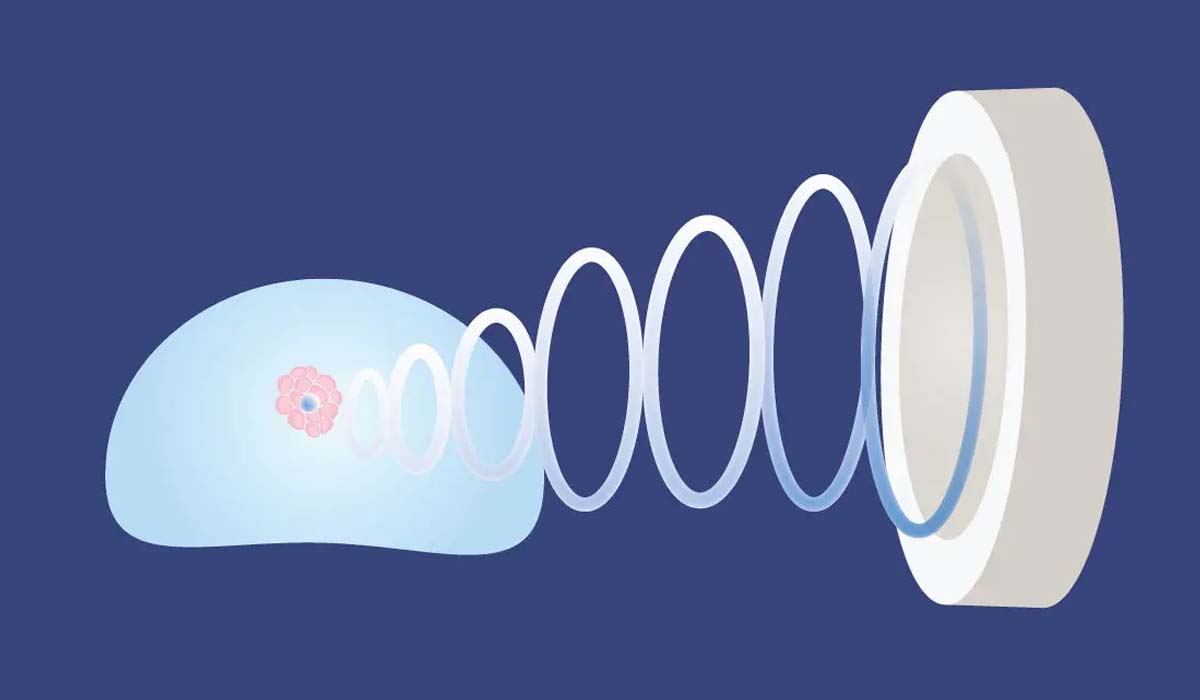
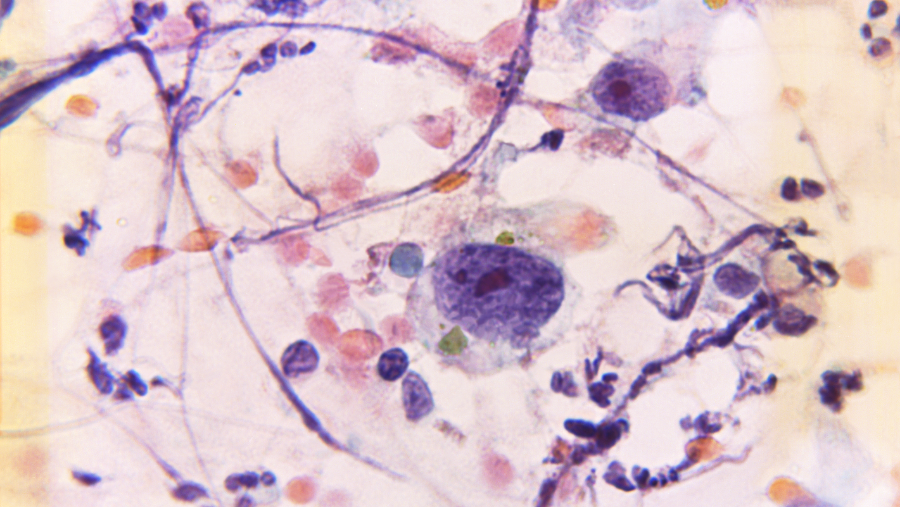
The CTC test is a blood test that detects tumour cells circulating freely in the bloodstream. These cells break away from the tumour and mix into the bloodstream and carry the potential to spread to other areas within the body (metastasis). With the CTC test, blood samples are analysed and the presence, number and characteristics of these circulating tumour cells are determined. This information provides important clues about the course of the cancer and the risk of metastasis.
The advantage of the CTC test over other imaging and biopsy methods is that it is a non-invasive method (not requiring surgical intervention). This test, carried out with a blood sample, contributes to the monitoring of the cancer without bringing an additional procedural burden to patients.
The Role of the CTC Test in the Prostate Cancer Treatment Plan
In the prostate cancer treatment process, the information provided by the CTC test helps the treatment plan to be created more effectively, particularly in advanced-stage patients. Here are the main advantages provided by the CTC test in the prostate cancer treatment plan:
1. Monitoring the Progression of the Disease
In prostate cancer treatment plans, different approaches such as chemotherapy, radiotherapy or hormone treatment are applied according to the stage of the disease. The CTC test, by monitoring the progression of the cancer during the treatment process, offers the opportunity to assess which treatment method is more effective. If a marked decrease in the number of circulating tumour cells is observed during treatment, the treatment applied can be considered to be effective. Conversely, if an increase in the CTC count is observed, the necessity of a different treatment strategy may come onto the agenda.
2. Assessment of the Response to Treatment
The CTC test can also be used to assess the effectiveness of prostate cancer treatment. CTC tests carried out at regular intervals during treatment allow the response formed against the treatment to be analysed rapidly and accurately. In this way, situations in which cancer cells develop resistance to treatment can be detected earlier and the treatment plan can be reshaped accordingly.
3. Determining the Risk of Metastasis
The CTC test plays an important role in assessing the potential of prostate cancer to metastasise. The presence of circulating tumour cells may indicate that the cancer has a tendency to spread. Particularly in high-risk prostate cancer cases, a more aggressive approach to treatment can be followed in line with the results of the CTC test. In this way, the risk of the cancer spreading to other organs can be determined in advance and the necessary measures can be taken.
The Advantages and Disadvantages of the CTC Test
While the CTC test provides many benefits in prostate cancer treatment, it also has certain limitations. Here are the advantages and limitations of the CTC test:
-
Advantages:
- It is non-invasive: it is carried out via a blood sample, and for this reason it is a more comfortable monitoring method for patients.
- It offers the possibility of early warning: it provides early warning about the development of resistance to treatment or a tendency to metastasis.
- Rapid response: it speeds up the assessment of the response to treatment and contributes to the process being managed more dynamically.
-
Disadvantages:
- It may not be suitable for every case: applying the CTC test may not be appropriate in all prostate cancer cases and its effect may remain limited particularly in early-stage cancers.
- Sensitivity and specificity problems: there are still certain limitations regarding the accuracy of CTC tests, and this situation can lead to incorrect results in some types of cancer.
The Future Potential of the CTC Test and Its Contributions to Treatment
Today, a great deal of research is being carried out with a view to developing the CTC test and using it more effectively in types of cancer such as prostate cancer. These studies are important for increasing the accuracy of CTC tests and for their becoming a more effective tool in cancer treatment. Such tests, developed with a view to monitoring the response to treatment more sensitively and detecting the risk of metastasis in advance, may be the herald of a new era in the fight against cancer.
The spread of innovative technologies such as the CTC test into wider use can improve patient outcomes in cancer treatments and extend survival time. The more widespread use of the CTC test in the treatment process of prostate cancer patients, particularly in advanced stages, can allow personalised treatment strategies to be planned more effectively.
Clinical Note
This article was written and medically reviewed by Prof. Dr. Murat Binbay, a urologist with more than 25 years of experience and over 1,500 robotic operations. The assessments reflect current international guideline recommendations together with our own clinical practice.
The information here is for general guidance only. Because every patient's history, imaging findings and comorbidities differ, a treatment decision can only be made after an examination. You can reach us through our contact page, or read more about our physician on the about us page.
Sources
- European Association of Urology — Prostate Cancer Guidelines
- National Cancer Institute (NIH) — Prostate Cancer
- Türk Üroloji Derneği — Güncel Kılavuzlar
Last reviewed: 8 September 2026 · Reviewed by: Prof. Dr. Murat Binbay, Urology and Robotic Surgery Specialist
Let Prof. Dr. Murat Binbay's team review your case
If you read this far, you probably have questions. Fill in the two-minute digital consultation form and we will get back to you within 24 hours.
- Answer within 24 hours
- Your data stays confidential

Urology and Robotic Surgery Specialist · 25+ years of experience
Last medically reviewed:
 Önceki Yazı
What Is a Wilms Tumour (Nephroblastoma)?
Önceki Yazı
What Is a Wilms Tumour (Nephroblastoma)?
 Sonraki Yazı
Frequently Asked Questions About Cystoscopy
Sonraki Yazı
Frequently Asked Questions About Cystoscopy
Yorumlar
Yorum Yazın
Henüz yorum yapılmamış. İlk yorumu siz yapın!