Kidney cysts are a condition encountered quite frequently in the population and are generally harmless. However, there is a widespread misunderstanding on this subject: "Is every kidney cyst cancer?"
Although the answer to this question is definitely "No", it is important to understand the types of kidney cysts and the situations that need attention.
Not every kidney cyst is cancer, but in some situations it requires careful assessment and follow-up. While simple cysts are generally safe and do not require treatment, in complex cysts specialist supervision and advanced imaging methods take on importance. Do not neglect your regular doctor's check-ups in order to protect your health and, in suspicious situations, consult a urology specialist. Remember, early diagnosis saves lives.
What Is a Kidney Cyst?
A kidney cyst is the condition of fluid-filled sacs forming in the kidney tissue. These cysts are generally simple cysts and do not lead to any health problem. However, depending on the type and characteristics of the cysts, there are also situations that may require follow-up or treatment.
Types of Kidney Cysts
- Simple cysts: they generally consist of a single fluid-filled sac. They carry no risk of cancer and generally do not require treatment. They are seen more frequently as age advances and are mostly diagnosed incidentally.
- Complex cysts: their contents may be complex, for example there may be septa (divisions) or calcification within them. These cysts can sometimes carry a risk of cancer and require detailed assessment.
- Polycystic kidney disease: this is a genetic disease and causes the formation of numerous cysts in the structure of the kidneys. This condition can increase the risk of kidney failure.
Is Every Kidney Cyst Cancer?
The great majority of kidney cysts, that is simple cysts, carry no risk of cancer. However, when complex cysts are concerned, careful assessment is necessary. Whether complex cysts carry a risk of cancer can be determined with imaging methods.
Distinguishing Simple and Complex Cysts
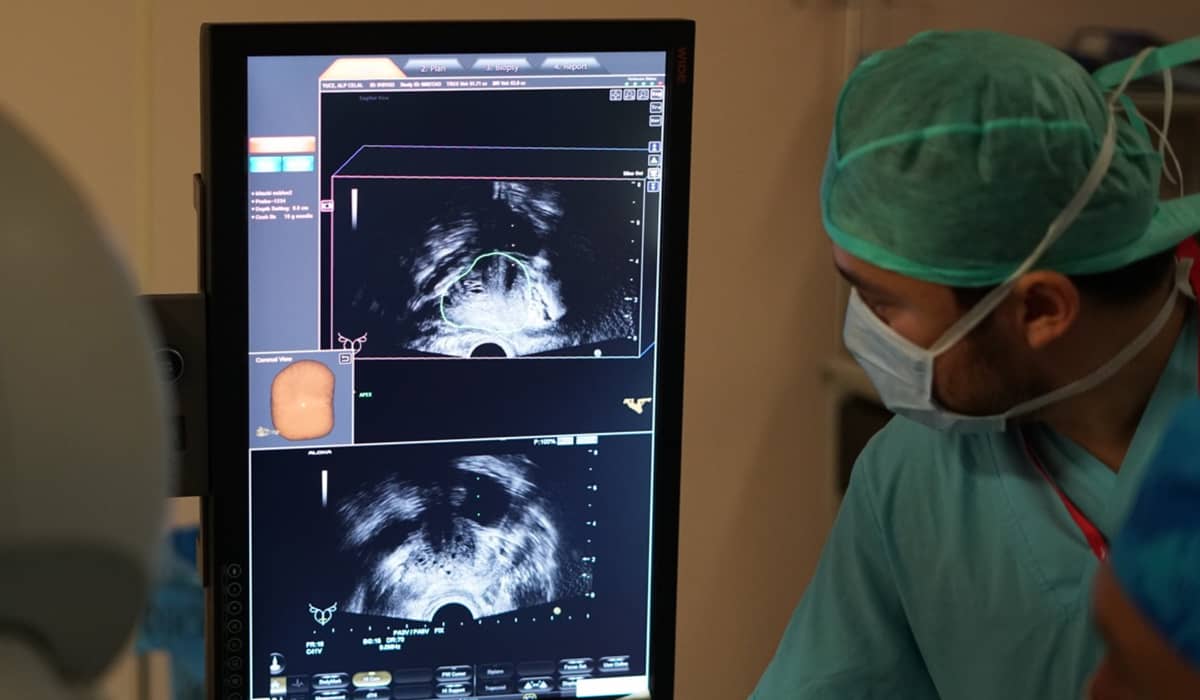
- Ultrasound: this is the first method of choice in diagnosing kidney cysts.
- Computed tomography (CT) or magnetic resonance imaging (MRI): used in the detailed assessment of complex cysts.
Complex cysts are graded according to the Bosniak classification. This classification takes into account characteristics such as the content of the cyst, its wall structure, its septa and calcifications. While Bosniak category I and II cysts are generally accepted as safe, category III and IV cysts can carry a risk of malignancy (cancer).
In Which Situations Should a Doctor Be Consulted in Kidney Cysts?
Kidney cysts generally give no symptoms and are detected during imaging performed for other reasons. However, in the following situations a doctor must without fail be consulted:
- Marked kidney pain
- Blood seen in the urine
- High blood pressure
- Deterioration in kidney functions
- The detection of a complex cyst on imaging
Early diagnosis is of vital importance, particularly in complex cysts carrying a risk of cancer.
The Treatment of Kidney Cysts
The treatment of kidney cysts depends on the type and size of the cyst and the symptoms it creates:
Simple cysts: they generally do not require treatment. Follow-up is recommended; ultrasound checks are performed particularly in the event that the cyst grows.
Complex cysts: if they carry a risk of cancer, surgical intervention may be required. Small and symptomless complex cysts are generally kept under regular follow-up.
Symptomatic cysts: if the cyst grows and leads to pain or other symptoms, it can be treated with drainage or surgical methods.
The Importance of Early Diagnosis
Most kidney cysts are harmless, but in rare cases complex cysts can carry a risk of kidney cancer. For this reason it is very important to have regular health check-ups and to consult a specialist doctor in the event of any complaint. Early diagnosis increases the chance of treatment by detecting a possible malignancy in time.
Clinical Note
This article was written and medically reviewed by Prof. Dr. Murat Binbay, a urologist with more than 25 years of experience and over 1,500 robotic operations. The assessments reflect current international guideline recommendations together with our own clinical practice.
The information here is for general guidance only. Because every patient's history, imaging findings and comorbidities differ, a treatment decision can only be made after an examination. You can reach us through our contact page, or read more about our physician on the about us page.
Sources
- European Association of Urology — Renal Cell Carcinoma Guidelines
- National Cancer Institute (NIH) — Kidney (Renal Cell) Cancer
Last reviewed: 8 September 2026 · Reviewed by: Prof. Dr. Murat Binbay, Urology and Robotic Surgery Specialist
Let Prof. Dr. Murat Binbay's team review your case
If you read this far, you probably have questions. Fill in the two-minute digital consultation form and we will get back to you within 24 hours.
- Answer within 24 hours
- Your data stays confidential

Urology and Robotic Surgery Specialist · 25+ years of experience
Last medically reviewed:
 Önceki Yazı
Frequently Asked Questions About Cystoscopy
Önceki Yazı
Frequently Asked Questions About Cystoscopy
 Sonraki Yazı
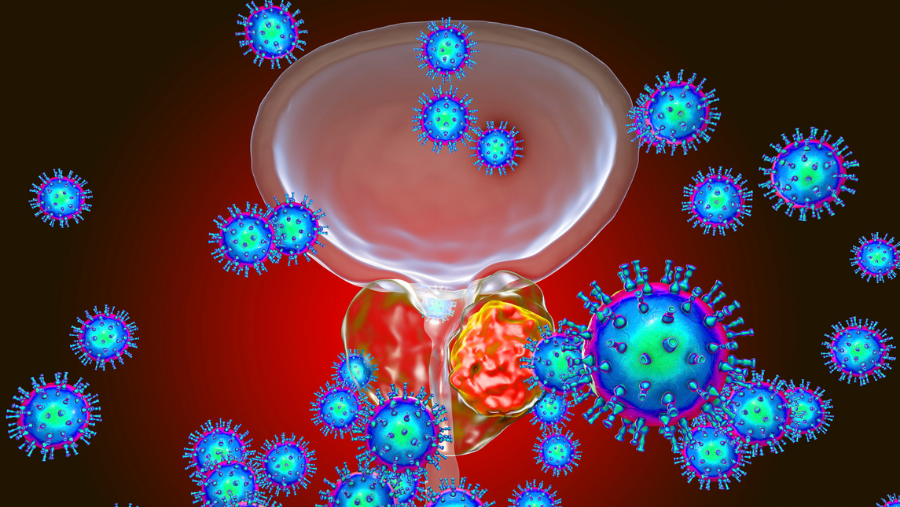
BCG and Adenovirus-Based Treatments in Superficial Bladder Cancers
Sonraki Yazı
BCG and Adenovirus-Based Treatments in Superficial Bladder Cancers
Yorumlar
Yorum Yazın
Henüz yorum yapılmamış. İlk yorumu siz yapın!