Testicular cancer is a disease that today can be treated at a high rate thanks to early diagnosis and advanced treatment methods. However, one of the most important questions that comes to mind for a great many men in this process is the question "Can I have children after treatment?"
The surgical procedures, chemotherapy or radiotherapy applied in the treatment of testicular cancer can create temporary or permanent effects on sperm production and fertility. For this reason, from the diagnosis stage of the disease onwards, fertility planning must also be an inseparable part of the treatment process.
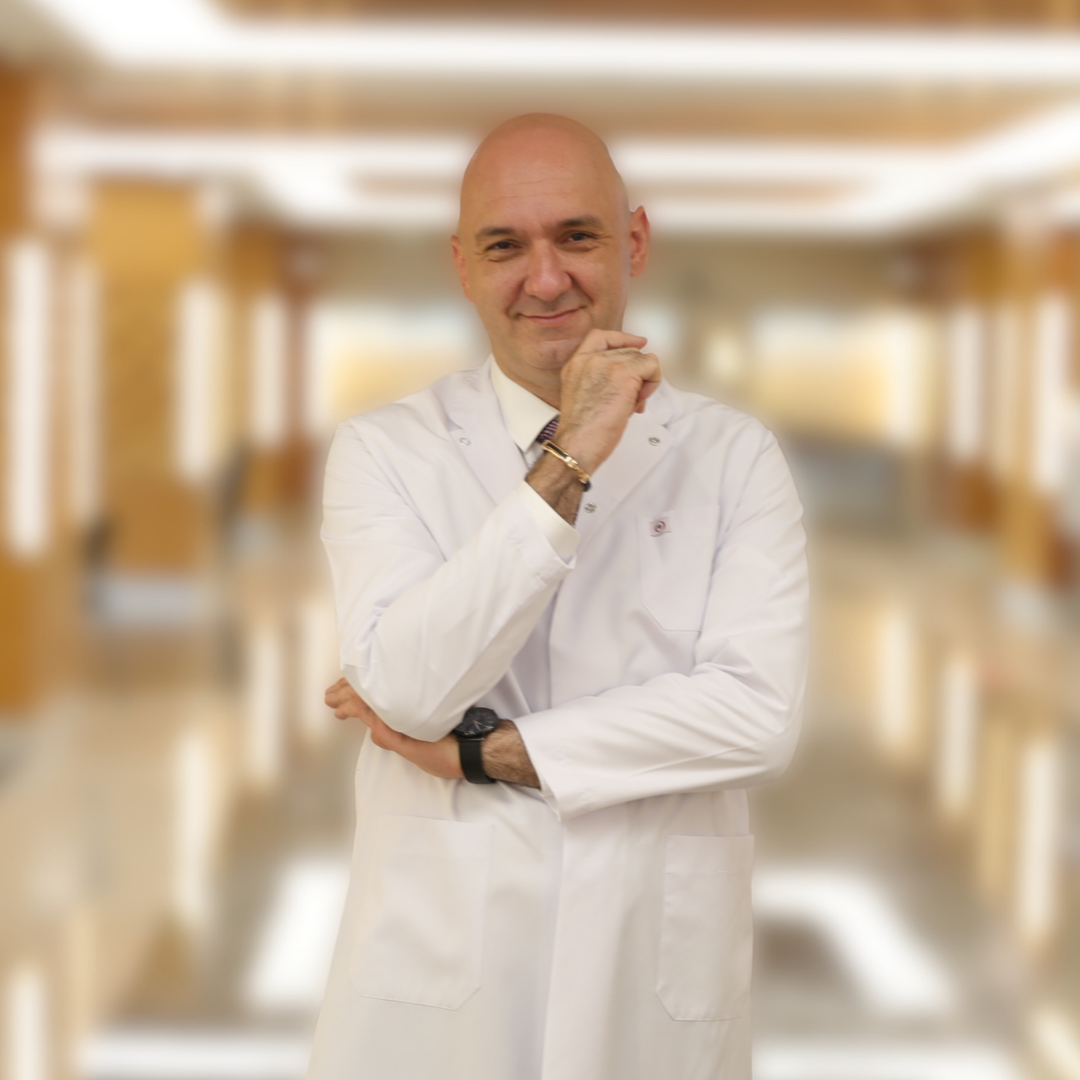
Urology specialist Prof. Dr. Murat Binbay, with his experience in the field of testicular tumours and male reproductive health, offers patients individualised approaches both in cancer treatment and in preserving fertility.
To obtain more information about the stages of testicular cancer, the treatment process and the surgical options you can review: What Is Testicular Cancer and How Is It Treated?
The Relationship Between Testicular Cancer and Fertility
Testicular cancer emerges directly in the tissues responsible for sperm production. For this reason both the disease itself and the surgery and medicines applied in the treatment process can affect sperm count, motility and quality.
In some patients this effect may be temporary; however, particularly in advanced-stage cases, sperm production may decrease permanently after treatment. A simple sperm analysis (spermiogram) to be carried out before treatment is extremely important in terms of assessing the existing reproductive potential.
Sperm Freezing Before Treatment
Sperm freezing is the safest and most effective fertility preservation method for every man who is to undergo testicular cancer treatment.
This procedure, carried out before treatment begins, preserves the chance of having children in the future. Particularly in patients who are to undergo chemotherapy and radiotherapy, sperm cells can suffer DNA damage, and for this reason taking a sperm sample before treatment is of critical importance.
How Does the Sperm Freezing Process Proceed?
Giving a sperm sample: the semen sample taken by means of masturbation is analysed in the laboratory.
The freezing procedure: sperm cells of suitable quality can be stored for many years in a liquid nitrogen environment at -196°C.
Time of use: after the treatment has been completed and the patient's state of health has become favourable, the frozen sperm can be used with the IVF/ICSI method.
In some patients it is also possible to take sperm directly from the testicular tissue (the microTESE method). This procedure is generally preferred when there is no sperm at all in the ejaculate.
Fertility After Treatment: When and How Does It Return?
After the treatment has been completed, sperm production generally returns to normal between 6 and 24 months. This period varies according to the stage of the disease, the dose of chemotherapy received and the surgery applied.
- After orchiectomy (removal of the testicle), if the other testicle is healthy, sperm production generally continues.
- After chemotherapy sperm production may stop temporarily, but in most patients recovery is seen over time.
- If radiotherapy treatment has been received, damage in the areas close to the testicular tissue may be permanent.
For this reason it is recommended that pregnancy not be planned for at least 1 year after the end of treatment. This is because in this period sperm DNA integrity may not have fully recovered.
Alternative Fertility Preservation Methods
In some situations classic sperm freezing may not be possible. In such situations alternative methods come into play:
- Freezing of testicular tissue: it can be applied in boys who have not yet reached puberty.
- MicroTESE: sperm is collected from the testicular tissue with microsurgery.
- Sperm isolation after ejaculate: even in patients in whom chemotherapy has begun, a small number of sperm can be obtained and stored.
Sexual Health and Psychological Effects After Treatment
After testicular cancer surgery, both physical and emotional effects may be seen in men. The removal of a single testicle generally does not affect sexual desire, testosterone level or erectile strength; however, in some patients psychological stress and a "feeling of deficiency" may develop.
Receiving psychological support in this process helps sexual life to be maintained in a healthy way again.
Lifestyle and Nutrition Recommendations
The following habits are recommended in order to support fertility after treatment:
- Consuming at least 2.5 litres of water a day
- Avoiding excessive heat (hammam, sauna) and tight underwear
- Giving up the use of cigarettes and alcohol
- Eating a diet rich in antioxidants (vitamin C, zinc, selenium)
- Practising regular exercise and stress management
A Fertility Preservation Plan Is Part of the Treatment
The success rate in the treatment of testicular cancer is quite high today. However, one of the most important factors determining quality of life after treatment is the preservation of fertility.
As Prof. Dr. Murat Binbay also emphasises, every patient's situation is individual and, when cancer treatment is planned, reproductive health must be assessed at the same time.
Clinical Note
This article was written and medically reviewed by Prof. Dr. Murat Binbay, a urologist with more than 25 years of experience and over 1,500 robotic operations. The assessments reflect current international guideline recommendations together with our own clinical practice.
The information here is for general guidance only. Because every patient's history, imaging findings and comorbidities differ, a treatment decision can only be made after an examination. You can reach us through our contact page, or read more about our physician on the about us page.
Sources
- European Association of Urology — Testicular Cancer Guidelines
- National Cancer Institute (NIH) — Testicular Cancer
Last reviewed: 8 September 2026 · Reviewed by: Prof. Dr. Murat Binbay, Urology and Robotic Surgery Specialist
Let Prof. Dr. Murat Binbay's team review your case
If you read this far, you probably have questions. Fill in the two-minute digital consultation form and we will get back to you within 24 hours.
- Answer within 24 hours
- Your data stays confidential
Urology and Robotic Surgery Specialist · 25+ years of experience
Last medically reviewed:
 Önceki Yazı
Foods That Kidney Stone Patients Should Stay Away From
Önceki Yazı
Foods That Kidney Stone Patients Should Stay Away From
 Sonraki Yazı
Measures That Can Be Taken to Prevent Kidney Stones From Forming Again
Sonraki Yazı
Measures That Can Be Taken to Prevent Kidney Stones From Forming Again
Yorumlar
Yorum Yazın
Henüz yorum yapılmamış. İlk yorumu siz yapın!