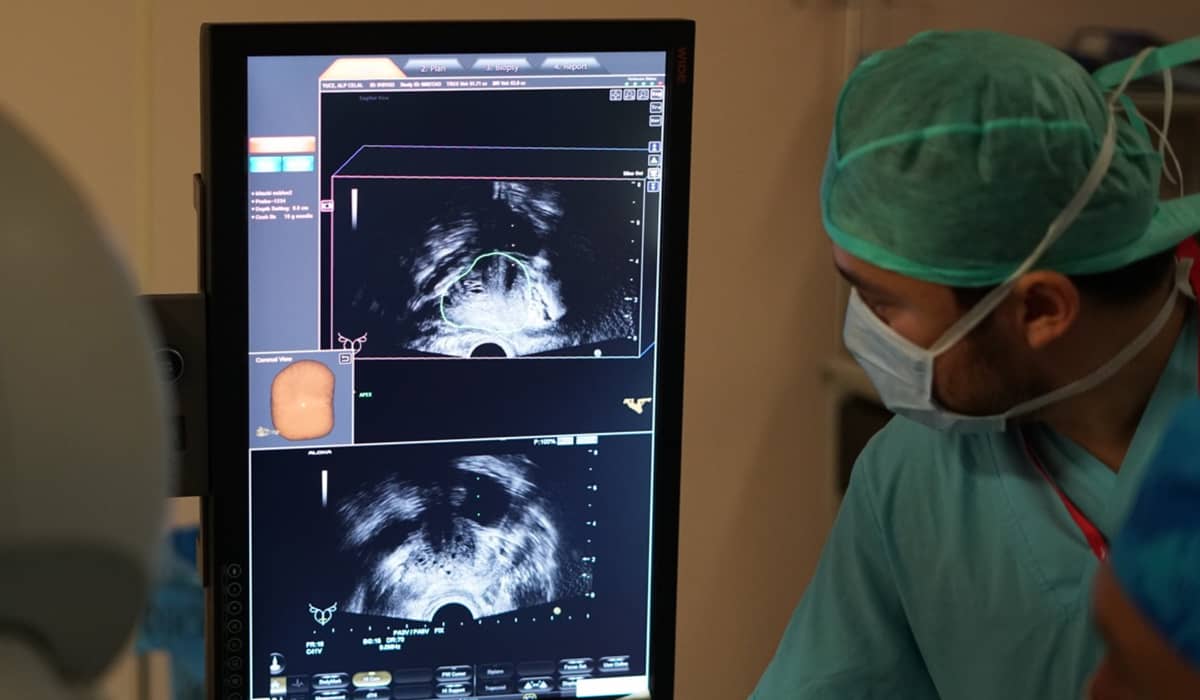
Monitoring prostate specific antigen (PSA) levels after prostate cancer treatment plays a critical role in assessing the course of the disease. PSA levels being above what is expected or rising again after treatment can offer important clues that the disease has recurred.
What Is PSA and Why Is It Important?
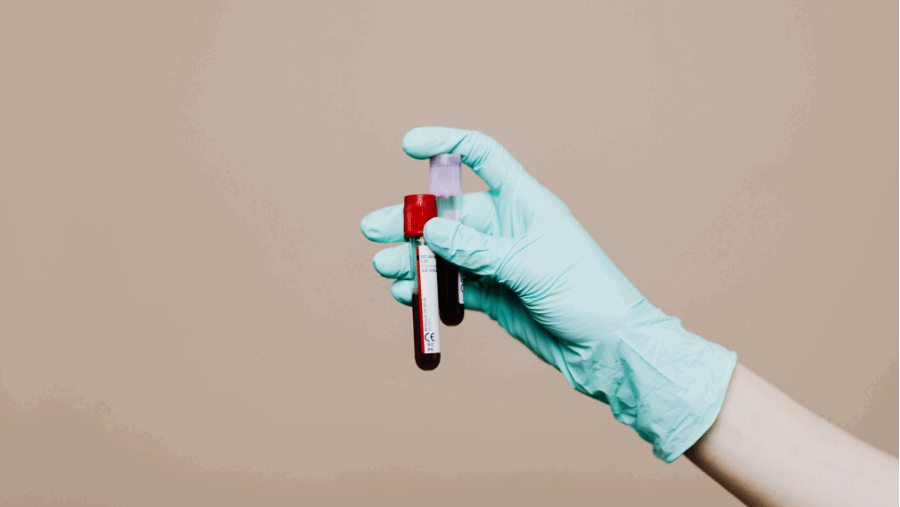
PSA is an enzyme produced by the epithelial cells of the prostate gland and normally helps with the liquefaction of semen. While it is present at low levels in the blood in healthy individuals, PSA levels can increase in prostate cancer or other prostate diseases. For this reason the PSA test is widely used in the early diagnosis of prostate cancer and in following up the disease after treatment.
Monitoring PSA Levels After Prostate Cancer Treatment
After treatment methods such as radical prostatectomy or radiotherapy, PSA levels are expected to fall below a certain threshold. For example, after surgical treatment the ideal is for the PSA level to be below 0.1 or 0.2 ng/ml. However, in some situations PSA levels may not fall after treatment or may start to rise again.
Possible Causes of a Rise in PSA After Treatment
-
Local recurrence: cancer cells remaining or multiplying again in the prostate region after surgery or radiotherapy.
-
Metastatic disease: the spread of cancer cells to other areas of the body.
-
Inadequate surgical margin: not all of the cancerous tissue being removed during the operation.
These situations can cause PSA levels not to fall or to rise again after treatment.
What Is Biochemical Recurrence (PSA Recurrence)?
After prostate cancer treatment, PSA levels being higher than a certain threshold or showing an increase over time is called biochemical recurrence (PSA recurrence). This situation may indicate the possibility of a recurrence in the cancer, but not every biochemical recurrence leads to a clinically apparent return of the cancer. For this reason a rise in PSA levels must be assessed carefully.
Biochemical recurrence is defined according to different criteria depending on the treatment method applied:
- After radical prostatectomy: the postoperative PSA level being 0.2 ng/ml or higher and showing an increase at this level in two consecutive tests is accepted as biochemical recurrence.
- After radiotherapy: a rise of at least 2.0 ng/ml after PSA has reached its lowest level (nadir) is assessed as biochemical recurrence.
Biochemical recurrence is an important marker in terms of the possibility of the cancer recurring locally or metastasising. However, on its own it does not mean a recurrence of the disease. Additional factors such as PSA doubling time (PSADT) and the Gleason score are used to determine the risk of biochemical recurrence turning into a clinically meaningful recurrence.
Treatment Options After Biochemical Recurrence
When biochemical recurrence is detected, the patient's condition is assessed in detail and appropriate treatment methods are determined. Treatment strategies may include the following:
- Salvage radiotherapy: applied in patients who develop biochemical recurrence after surgery, in order to target the remaining tumour tissue.
- Hormone treatment (ADT - androgen deprivation therapy): hormone treatment may be considered in patients whose PSA levels are rising rapidly and in whom there is a possibility of metastasis.
- Active surveillance: for patients whose PSA level is rising slowly and who are in the low-risk group, follow-up can be carried out at specific intervals.
The early diagnosis of biochemical recurrence is of great importance in order to prevent the progression of the disease. For this reason, PSA follow-up after prostate cancer treatment must be carried out regularly and, when a meaningful increase in PSA values is observed, it must be assessed by a specialist urologist.

Treatment Options in the Event of a Rise in PSA
In the event of PSA levels rising after treatment, the patient's condition must be assessed in detail and an appropriate treatment plan must be created. This assessment is aimed at determining whether the disease is local or metastatic.
-
Adjuvant radiotherapy: applied to destroy the tumour tissue remaining after the operation. This treatment can increase local control in patients with PSA levels ≤0.2 ng/ml, but the risk of side effects must also be taken into consideration.
-
Salvage radiotherapy: this treatment, applied in the event of PSA levels rising, carries a lower risk of side effects compared with adjuvant radiotherapy. Waiting until an increase in PSA levels is observed may be an appropriate approach for avoiding side effects.
-
Hormone treatment: androgen deprivation therapy can reduce the risk of metastasis in patients with a rise in PSA. It is recommended particularly in patients whose PSA doubling time is shorter than 12 months and whose Gleason score is 8 and above.
Monitoring PSA levels after prostate cancer treatment is of vital importance for detecting a recurrence of the disease at an early stage and determining appropriate treatment strategies. Rises in PSA levels offer important information about the course of the disease and may require the treatment plan to be rearranged. For this reason, regular PSA follow-up after treatment and a multidisciplinary approach play a critical role in improving patients' prognosis.
Clinical Note
This article was written and medically reviewed by Prof. Dr. Murat Binbay, a urologist with more than 25 years of experience and over 1,500 robotic operations. The assessments reflect current international guideline recommendations together with our own clinical practice.
The information here is for general guidance only. Because every patient's history, imaging findings and comorbidities differ, a treatment decision can only be made after an examination. You can reach us through our contact page, or read more about our physician on the about us page.
Sources
- European Association of Urology — Prostate Cancer Guidelines
- National Cancer Institute (NIH) — Prostate Cancer
- Türk Üroloji Derneği — Güncel Kılavuzlar
Last reviewed: 8 September 2026 · Reviewed by: Prof. Dr. Murat Binbay, Urology and Robotic Surgery Specialist
Let Prof. Dr. Murat Binbay's team review your case
If you read this far, you probably have questions. Fill in the two-minute digital consultation form and we will get back to you within 24 hours.
- Answer within 24 hours
- Your data stays confidential

Urology and Robotic Surgery Specialist · 25+ years of experience
Last medically reviewed:
Yorumlar
Yorum Yazın
Henüz yorum yapılmamış. İlk yorumu siz yapın!