A Wilms tumour (nephroblastoma) is a rare type of kidney cancer seen particularly in children. It is generally diagnosed in children aged 3 to 4 years and its frequency decreases after the age of 5. This tumour is the most common type of childhood kidney cancer and affects approximately 500-600 children each year in the USA. Although it is mostly seen in a single kidney, in rare cases it can occur in both kidneys at once. Thanks to advances in treatment methods, positive results are obtained in a large proportion of children diagnosed with a Wilms tumour.
The Causes of the Wilms Tumour
The exact cause of the Wilms tumour is not yet fully understood. However, it is known that certain genetic factors and certain congenital conditions increase the risk of this tumour.
For example, some children may be born with rare syndromes such as WAGR syndrome, Denys-Drash syndrome or Beckwith-Wiedemann syndrome, and these syndromes increase the risk of developing a Wilms tumour. In addition, a family history of Wilms tumour is also a risk factor.
-
Genetic mutations: the Wilms tumour occurs as a result of genetic mutations occurring in the kidney cells. These mutations can cause the cells to grow in an uncontrolled way.
-
Family history: the risk of developing this disease is higher in people with a family history of Wilms tumour.
-
Congenital syndromes: certain congenital genetic syndromes such as WAGR syndrome, Denys-Drash syndrome and Beckwith-Wiedemann syndrome increase the risk of developing a Wilms tumour.
-
Congenital anomalies: certain congenital conditions such as aniridia (absence of the iris) and hemihypertrophy (one side of the body being larger than the other) can increase the risk of a Wilms tumour.
The Symptoms of the Wilms Tumour
The symptoms of the Wilms tumour (nephroblastoma) can vary from child to child. While no symptoms at all are observed in some children, in others the following may be seen:
- A mass felt in the abdominal region
- Abdominal swelling
- Abdominal pain
- Blood seen in the urine
- Fever
- Anaemia (a low red blood cell count)
- High blood pressure
These symptoms can also be confused with other health problems, and for this reason it is important to consult a doctor.
Is the Wilms Tumour Fatal?
The Wilms tumour is a disease that can largely be cured with early diagnosis and correct treatment. Today, thanks to developments in treatment methods, approximately 90% of children diagnosed with a Wilms tumour achieve long-term survival. Treatment options generally consist of surgery, chemotherapy and radiotherapy. The recovery rate is quite high in patients in whom treatment is started at an early stage. However, the spread of the tumour outside the kidney or its being seen in both kidneys at once can make treatment more difficult. Even in this situation, the chance of success increases with treatment plans applied by a multidisciplinary team.
Treatment Methods
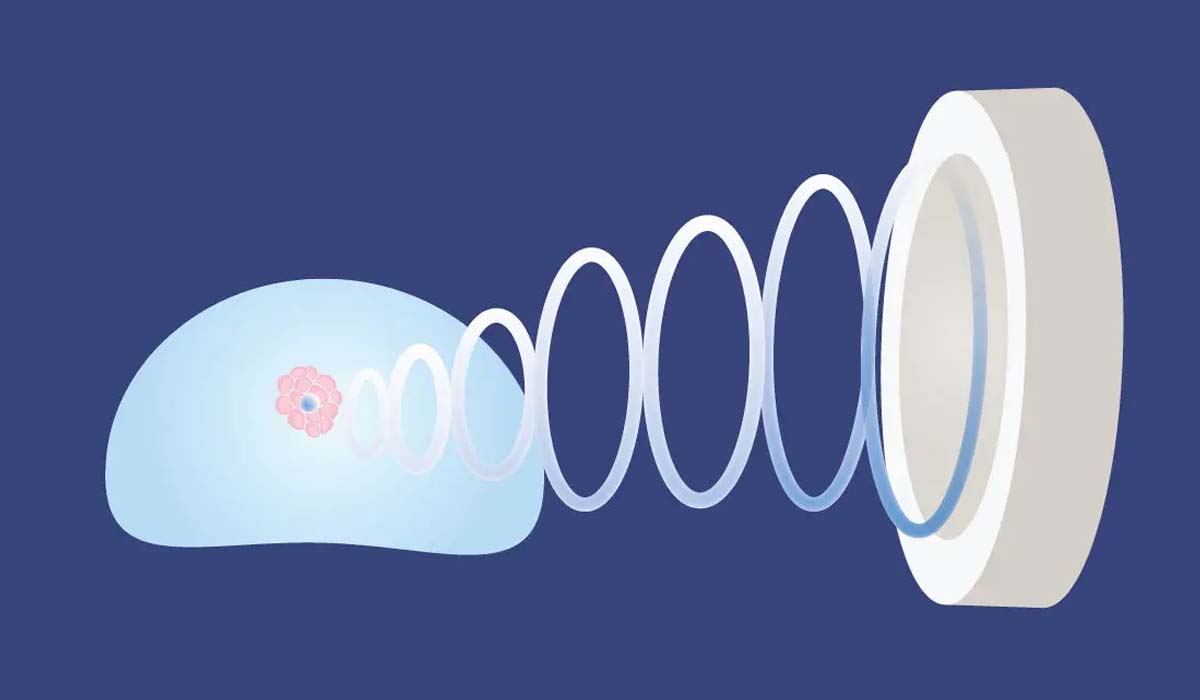
The treatment of the Wilms tumour generally begins with surgical intervention. All or part of the tumour-bearing kidney is removed. After surgery, chemotherapy and radiotherapy may be applied to destroy the remaining cancer cells. In advanced-stage tumours, chemotherapy may also be used before surgery with the aim of shrinking the tumour. Newer technologies such as proton beam therapy increase the success rate in tumour treatment while reducing the risk of damage to healthy tissues.
The Wilms tumour is a rarely seen but treatable childhood cancer. With early diagnosis and appropriate treatment, the chance of recovering from this disease is quite high. When families see suspicious symptoms in their children, they can enable an early diagnosis to be made by consulting a doctor and the treatment process can be started quickly.
Clinical Note
This article was written and medically reviewed by Prof. Dr. Murat Binbay, a urologist with more than 25 years of experience and over 1,500 robotic operations. The assessments reflect current international guideline recommendations together with our own clinical practice.
The information here is for general guidance only. Because every patient's history, imaging findings and comorbidities differ, a treatment decision can only be made after an examination. You can reach us through our contact page, or read more about our physician on the about us page.
Sources
- European Association of Urology — Renal Cell Carcinoma Guidelines
- National Cancer Institute (NIH) — Kidney (Renal Cell) Cancer
Last reviewed: 8 September 2026 · Reviewed by: Prof. Dr. Murat Binbay, Urology and Robotic Surgery Specialist
Let Prof. Dr. Murat Binbay's team review your case
If you read this far, you probably have questions. Fill in the two-minute digital consultation form and we will get back to you within 24 hours.
- Answer within 24 hours
- Your data stays confidential

Urology and Robotic Surgery Specialist · 25+ years of experience
Last medically reviewed:
 Önceki Yazı
Innovative Endoscopic Treatments in Urethral Strictures
Önceki Yazı
Innovative Endoscopic Treatments in Urethral Strictures
 Sonraki Yazı
The Role of the CTC Test in the Prostate Cancer Treatment Plan
Sonraki Yazı
The Role of the CTC Test in the Prostate Cancer Treatment Plan
Yorumlar
Yorum Yazın
Henüz yorum yapılmamış. İlk yorumu siz yapın!