"Is having kidney cancer fate, or is it risk?"
As doctors we hear this question very often. Particularly for individuals with a family history of kidney cancer, this can become a worrying situation. But the truth is that this disease really does concern some individuals more closely. Particularly those carrying a genetic predisposition...
How Important Is Kidney Cancer Being Seen in the Family?
Most kidney cancers develop sporadically, that is by chance. However, a segment of 3% to 5% has a familial or hereditary origin. If one of the first-degree relatives (mother, father, sibling) has had this disease, the person's risk increases by 2 to 4 times.
However, an important distinction needs to be made here:
Its having been seen in the family and genetic transmission are not the same thing.
In some people, even if the disease has been seen in the family several times, a genetic mutation is not carried. On the other hand, some individuals may be carriers even though no one in the family has yet fallen ill.
So Which Genetic Disorders Create Risk?
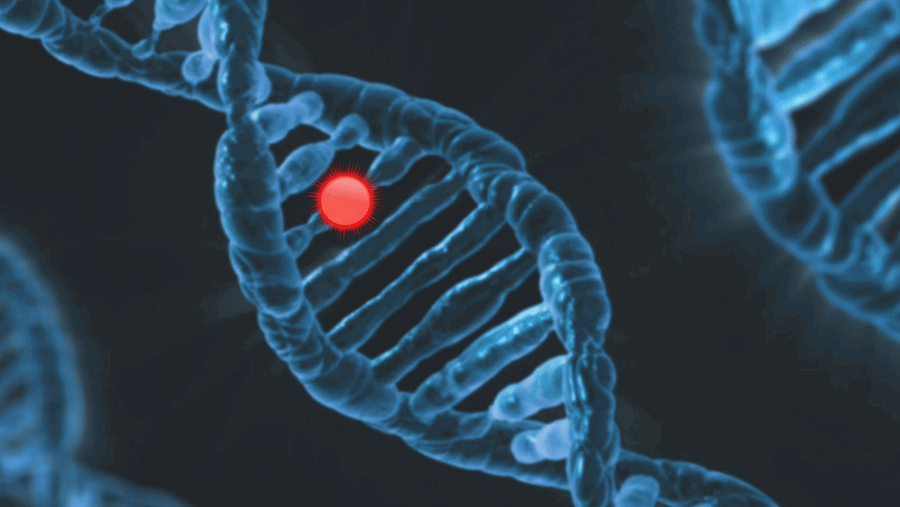
The genetic syndromes associated with kidney cancer are directly related to specific mutations. These syndromes can cause cancer to develop at a young age. The best known are:
- Von Hippel-Lindau (VHL) syndrome
It is the most frequent cause of hereditary renal cell cancer. It generally follows a course together with numerous tumours and cysts. - Hereditary papillary renal cell carcinoma (HPRC)
It is associated with the MET gene mutation, which leads in particular to the development of papillary-type tumours. - Birt-Hogg-Dubé syndrome
It is characterised by kidney tumours, skin lesions and lung cysts. - Tuberous sclerosis complex (TSC)
This genetic syndrome, which has many systemic effects, can cause tumours such as angiomyolipoma in the kidney.
In individuals with these syndromes, not only does the risk of kidney cancer increase, but at the same time tumour development in more than one focus and in both kidneys at once may be seen.
How Do You Understand That You Have a Genetic Predisposition?
Before having a genetic test it is necessary to answer the following questions honestly:
- Is there anyone in my family diagnosed with kidney cancer under the age of 50?
- Has the same type of kidney cancer been seen in two or more people in my family?
- Have I or a relative had skin, brain, lung or eye problems belonging to the syndromes listed above?
- Have I previously been diagnosed with a tumour in more than one organ?
If even one of these questions is "yes", it may be useful to speak with a urology specialist and a clinical genetics specialist. The aim of genetic tests is not only to make a diagnosis but at the same time to develop a preventive approach.
What Should Those With a Genetic Predisposition Do?
If a diagnosis has been made or there is strong suspicion, instead of "treatment" it is now "close surveillance" and "preventive medicine" that come into play. In this situation:
- Annual kidney MRI or ultrasound screenings
- Age-appropriate PSA, liver, pancreas and eye check-ups (according to the accompanying risks)
- Screening of family members
- Planning of early surgical intervention when necessary
Tumour formation may not be preventable. However, if it is noticed early, both the organ and life can be preserved with surgery performed while preserving the kidney.
The Place of Robotic Surgery in Genetic Predisposition
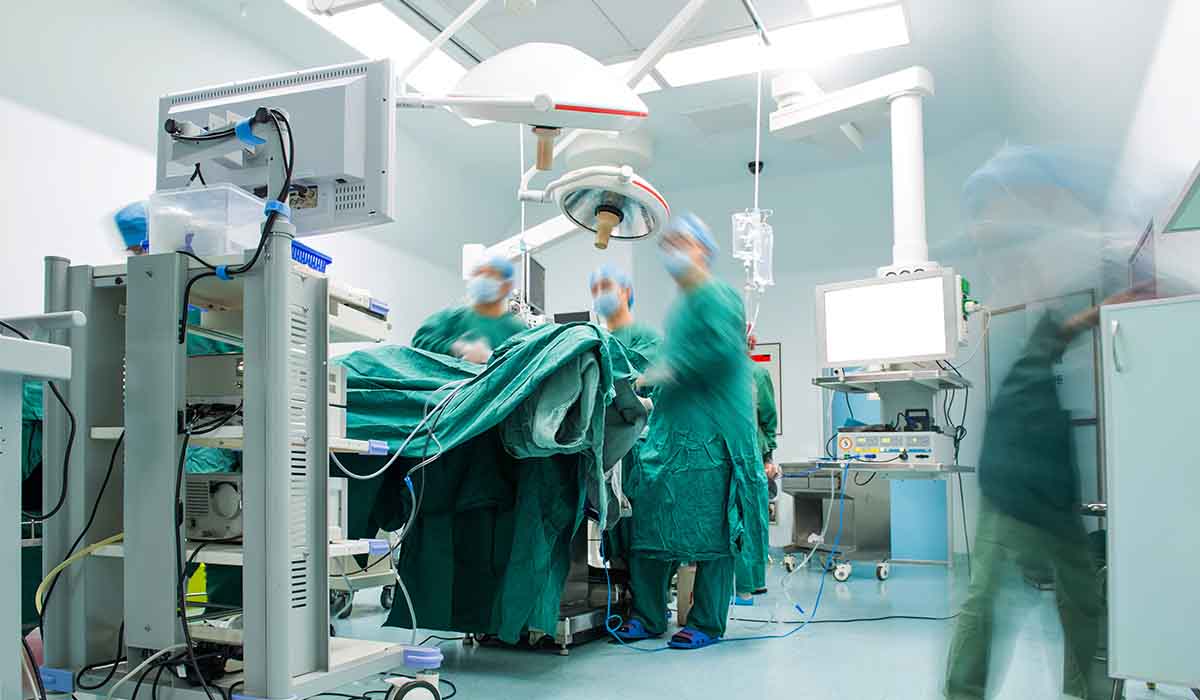
Hereditary kidney tumours are generally multifocal and small in size. This makes surgery more delicate. Robotic partial nephrectomy in such cases allows both the removal of the cancerous tissue and the preservation of the kidney to the maximum degree.
- In addition, thanks to robotic surgery:
- The risk of bleeding falls
- The recovery time is shortened
- More than one tumour focus can be cleared at the same time
Genetics Is Not Destiny, It Can Be Prevented With Knowledge
The fight against kidney cancer begins not only with making a diagnosis but with recognising the risk group and taking precautions. If this disease is present in your family, do not stay silent. Acting consciously protects you and your loved ones. We know that it is possible to prevent the disease by taking high-risk individuals into early diagnosis programmes and by applying robotic surgery at the right time.
Clinical Note
This article was written and medically reviewed by Prof. Dr. Murat Binbay, a urologist with more than 25 years of experience and over 1,500 robotic operations. The assessments reflect current international guideline recommendations together with our own clinical practice.
The information here is for general guidance only. Because every patient's history, imaging findings and comorbidities differ, a treatment decision can only be made after an examination. You can reach us through our contact page, or read more about our physician on the about us page.
Sources
- European Association of Urology — Renal Cell Carcinoma Guidelines
- National Cancer Institute (NIH) — Kidney (Renal Cell) Cancer
Last reviewed: 8 September 2026 · Reviewed by: Prof. Dr. Murat Binbay, Urology and Robotic Surgery Specialist
Let Prof. Dr. Murat Binbay's team review your case
If you read this far, you probably have questions. Fill in the two-minute digital consultation form and we will get back to you within 24 hours.
- Answer within 24 hours
- Your data stays confidential
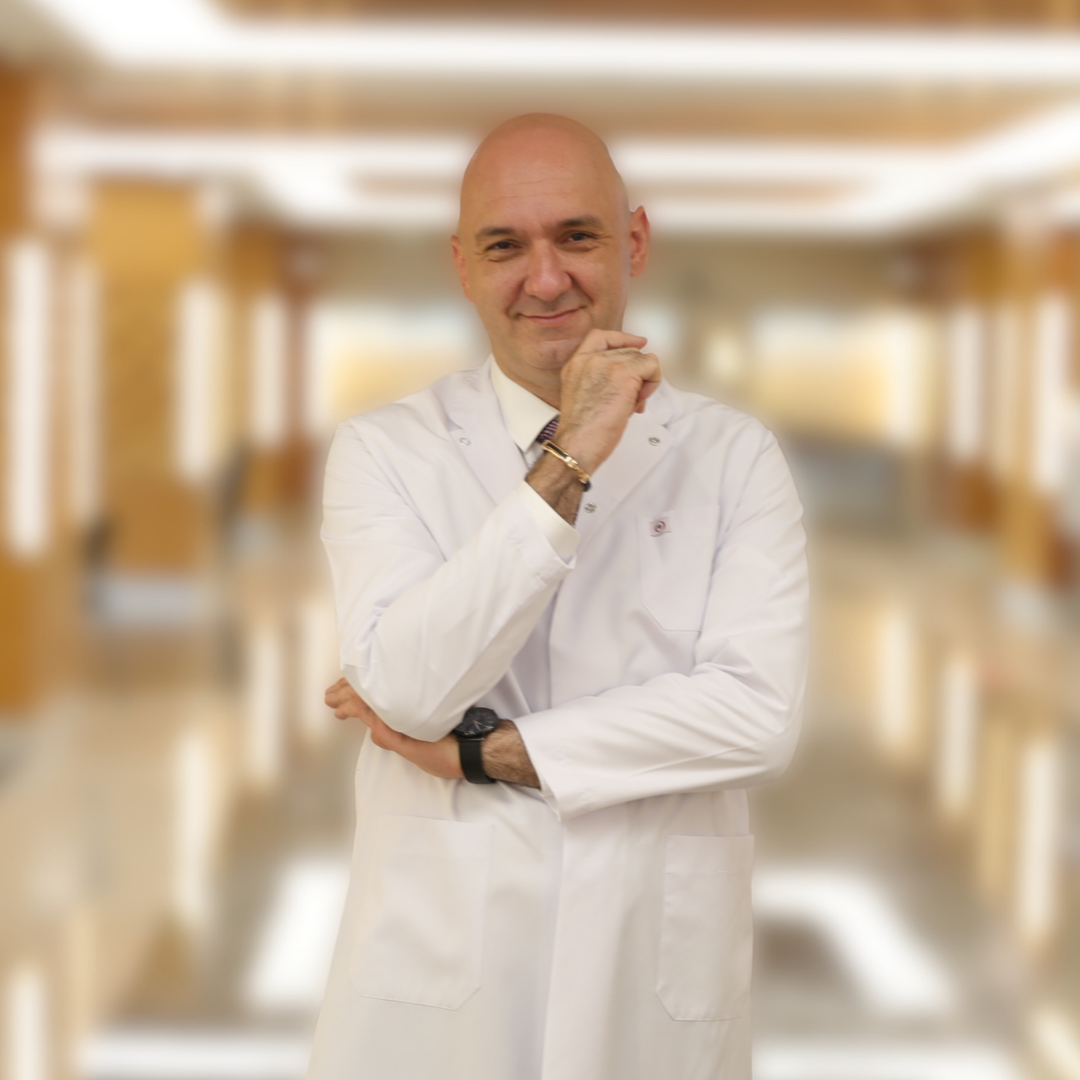
Urology and Robotic Surgery Specialist · 25+ years of experience
Last medically reviewed:
 Önceki Yazı
The Symptoms of Prostate Cancer and Why Early Diagnosis Saves Lives
Önceki Yazı
The Symptoms of Prostate Cancer and Why Early Diagnosis Saves Lives
 Sonraki Yazı
Foods and Medicines That Should Not Be Taken Before Surgery
Sonraki Yazı
Foods and Medicines That Should Not Be Taken Before Surgery
Yorumlar
Yorum Yazın
Henüz yorum yapılmamış. İlk yorumu siz yapın!