Kidney cancer in pregnancy is one of the rarely seen but complex clinical situations carrying a high risk both for the mother and for the foetus. The treatment plan to be applied in such cases must at the same time take into account both oncological effectiveness and the healthy continuation of the pregnancy. Let us consider the positive clinical result we obtained thanks to the robotic surgical intervention we applied in such a sensitive case, and the importance of the multidisciplinary approach.
Summary of the Clinical Situation
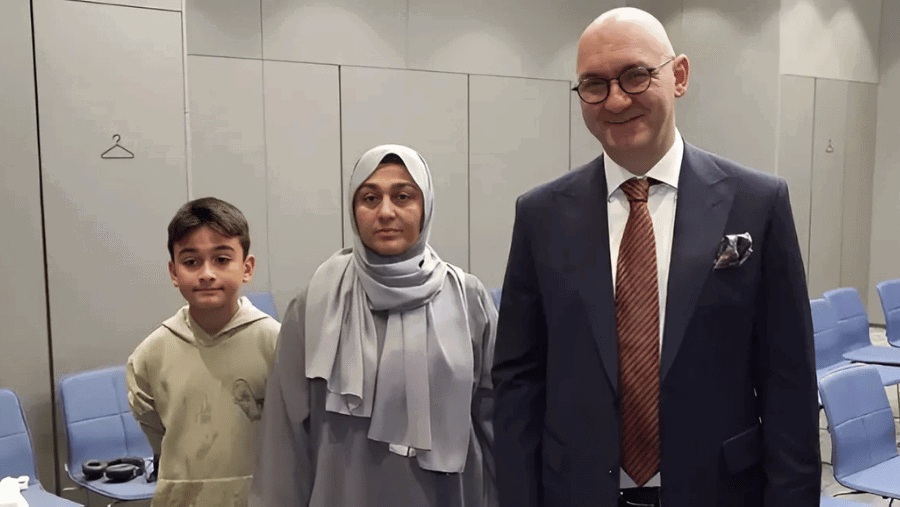
Our patient Yusra A. was referred to us after a mass was detected in her right kidney during a routine obstetric assessment in the second month of her pregnancy. In the radiological investigations performed, a solid mass approximately 5 cm in size, taking up contrast and consistent with renal cell carcinoma (RCC), was detected. Because the tumour was localised and no other systemic spread was observed, a diagnosis of stage T1b RCC was made.
The Treatment Decision Process and the Ethical Dimension
In the management of the case, both achieving oncological control and allowing the continuation of the pregnancy were the fundamental priorities. In such situations the classic approach is generally towards termination of the pregnancy and subsequent radical nephrectomy. However, our patient clearly expressed that she did not wish to terminate her pregnancy.
At this point, taking into consideration the size, location and stage of the tumour, it was anticipated that resection of the tumour with preservation of the kidney could be carried out with robotic surgery. An assessment was made accompanied by a multidisciplinary council (urology, perinatology, anaesthesiology and the ethics committee) and it was decided to apply robotic partial nephrectomy.
The Surgical Method Applied: Robot-Assisted Partial Nephrectomy
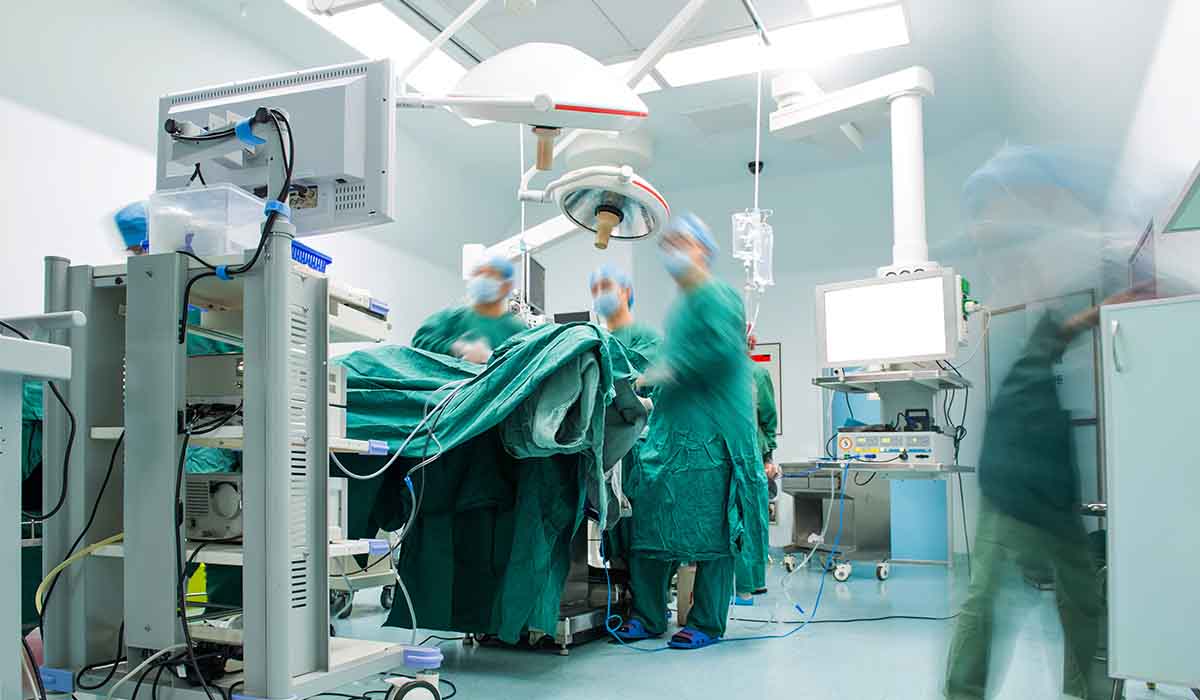
The operation was planned before entering the second trimester of the pregnancy, in the period carrying minimum risk for the foetus. The tumour was removed by the transperitoneal route using the da Vinci robotic surgical system. Partial nephrectomy allows only the tumoural tissue to be excised while preserving the healthy tissue of the kidney. Robotic surgery offers a great advantage in such delicate procedures thanks to both visual magnification and precision of movement.
During the surgery the procedure was completed with minimal bleeding. No complications developed in the postoperative period for either the mother or the foetus. The pregnancy progressed in a healthy way and the birth took place on time.
Oncological and Obstetric Results
As a result of the histopathological examination, it was confirmed that the tumour was a clear cell renal cell carcinoma. The surgical margins were negative. Our patient went through a healthy postnatal and postoperative recovery process in her follow-ups after the birth. As of today both the patient and her child are continuing their healthy lives.
Its Place in the Literature and Clinical Importance
In studies carried out on the management of renal tumours in pregnancy, radical surgery or termination of the pregnancy mostly come to the fore. However, this case reveals that, with appropriate patient selection and a multidisciplinary approach, robotic surgery can be a safe and effective option in oncological treatment during pregnancy.
In addition, this case emphasises the importance of individualised treatment planning within the framework of ethical principles, with respect for the patient's preference.
The management of a kidney tumour in pregnancy requires special planning that takes into account the health of both the mother and the foetus. This case shows that, with the technical advantages offered by robotic surgery, the patient's oncological and obstetric goals can be reached at the same time.
Early diagnosis, a patient-centred approach and advanced surgical technologies are the fundamental elements of success in the management of such high-risk clinical pictures.
Clinical Note
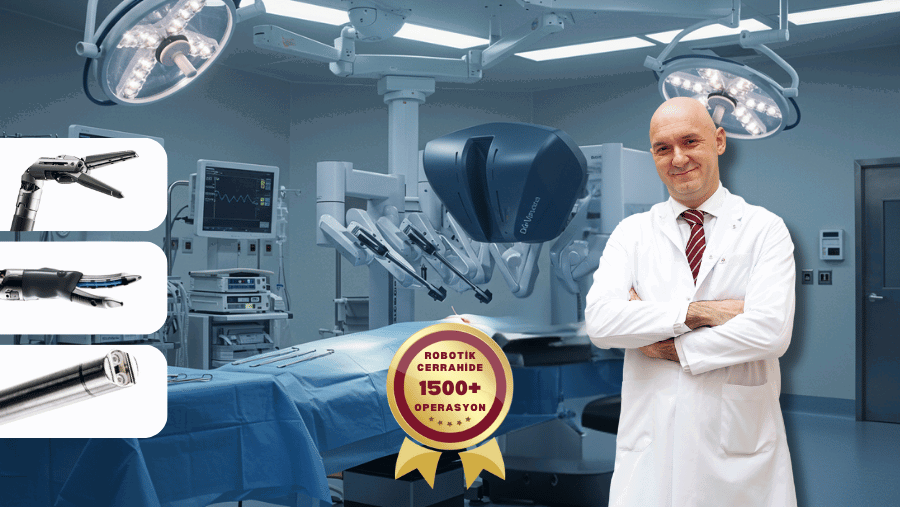
This article was written and medically reviewed by Prof. Dr. Murat Binbay, a urologist with more than 25 years of experience and over 1,500 robotic operations. The assessments reflect current international guideline recommendations together with our own clinical practice.
The information here is for general guidance only. Because every patient's history, imaging findings and comorbidities differ, a treatment decision can only be made after an examination. You can reach us through our contact page, or read more about our physician on the about us page.
Sources
- European Association of Urology — Renal Cell Carcinoma Guidelines
- National Cancer Institute (NIH) — Kidney (Renal Cell) Cancer
Last reviewed: 8 September 2026 · Reviewed by: Prof. Dr. Murat Binbay, Urology and Robotic Surgery Specialist
Let Prof. Dr. Murat Binbay's team review your case
If you read this far, you probably have questions. Fill in the two-minute digital consultation form and we will get back to you within 24 hours.
- Answer within 24 hours
- Your data stays confidential

Urology and Robotic Surgery Specialist · 25+ years of experience
Last medically reviewed:
 Önceki Yazı
More Than 1,500 Robotic Operations by Prof. Dr. Binbay
Önceki Yazı
More Than 1,500 Robotic Operations by Prof. Dr. Binbay
 Sonraki Yazı
The Symptoms of Prostate Cancer and Why Early Diagnosis Saves Lives
Sonraki Yazı
The Symptoms of Prostate Cancer and Why Early Diagnosis Saves Lives
Yorumlar
Yorum Yazın
Henüz yorum yapılmamış. İlk yorumu siz yapın!