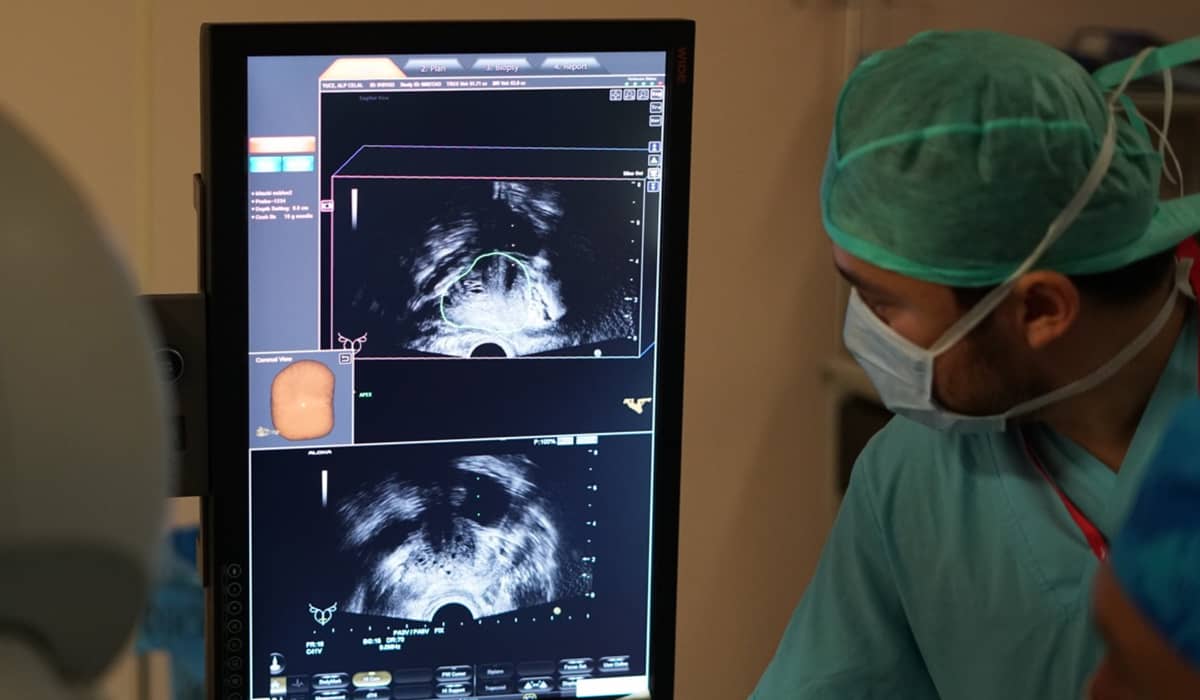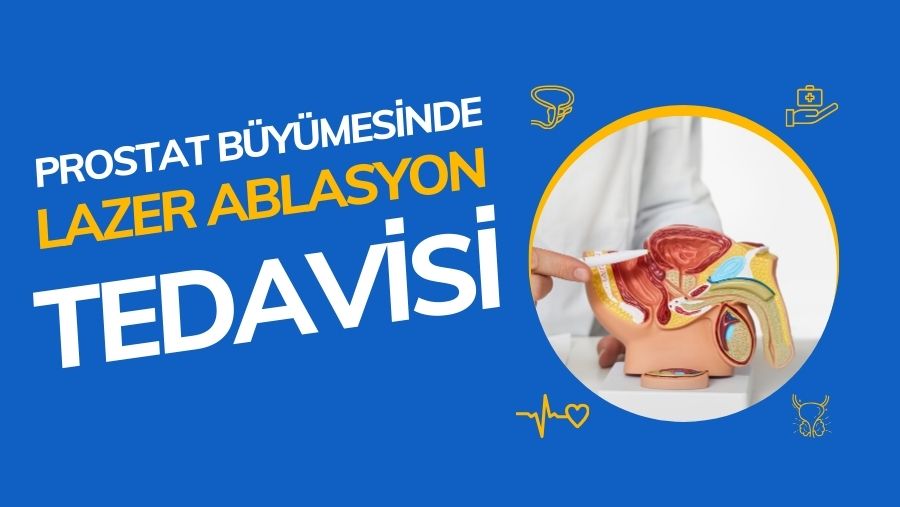
Transperineal laser ablation is a modern and minimally invasive method used in the treatment of prostate enlargement. This procedure uses laser technology to shrink the prostate tissue and improve urine flow. This method, which is a treatment option without surgery and with low risk, offers patients a rapid recovery process.
What Is Prostate Enlargement?
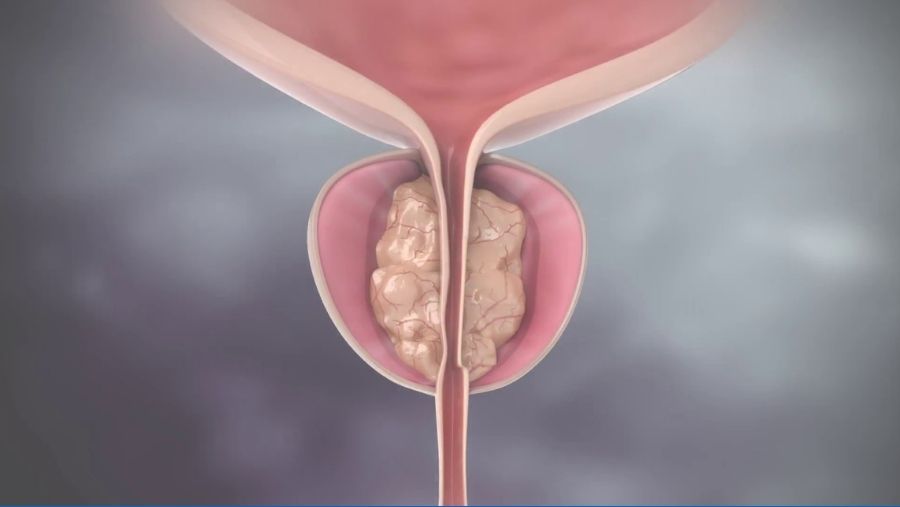
The prostate is a small gland that is part of the male reproductive system and surrounds the urinary tract. As age advances, the prostate gland can enlarge and obstruct urine flow. This condition is called benign prostatic hyperplasia (BPH). BPH is common particularly in men over the age of 50 and can lead to symptoms such as difficulty urinating and frequent urination.
What Is Transperineal Laser Ablation and How Is It Applied?
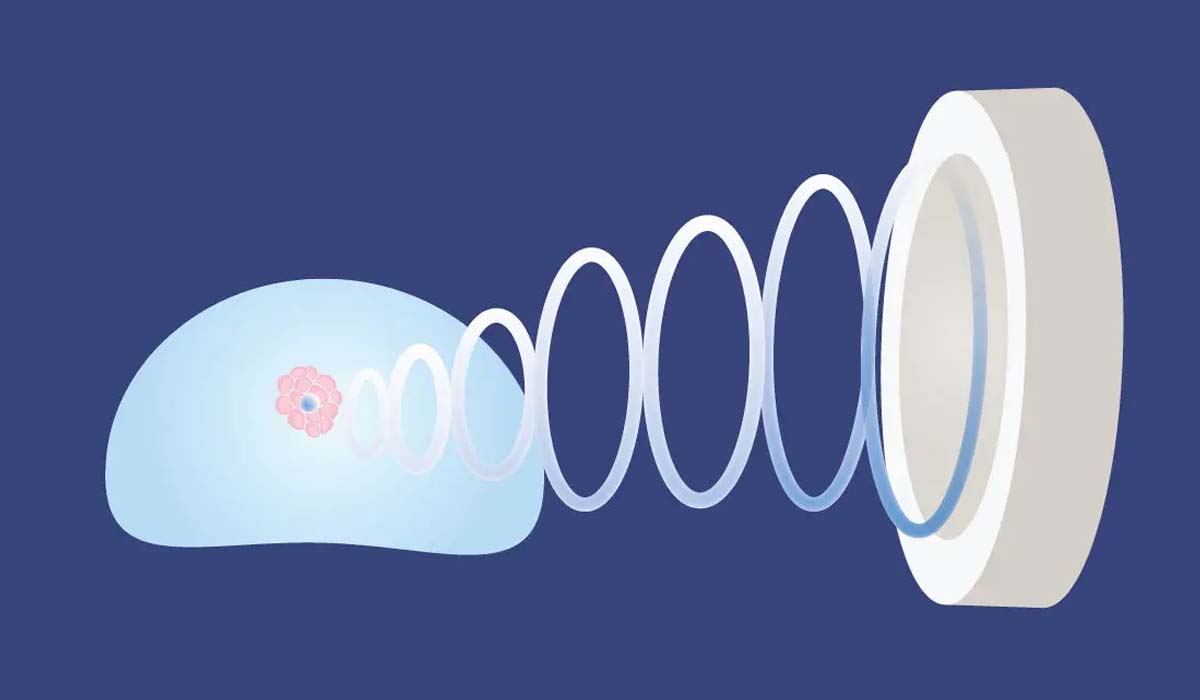
Transperineal laser ablation is a laser-based surgical method used to treat prostate enlargement. In this method, the prostate tissue is safely shrunk using laser energy. During the procedure, the laser is applied through a small needle into the perineal region (the area between the anus and the scrotum). The laser energy targets the prostate tissue, causing the cells to die and the prostate to shrink.
The Advantages of Transperineal Laser Ablation
The transperineal laser ablation method offers many advantages over traditional surgical methods:
-
Minimally invasive: this method does not require surgical incisions and is minimally invasive. This in turn means less pain after the operation and a rapid recovery process.
-
Rapid recovery process: after transperineal laser ablation, patients are generally discharged within a short time and can return quickly to their normal activities.
-
Low complication rate: in treatments performed with this method the risk of bleeding is low and complications such as urinary incontinence are at a minimal level.
-
Effective results: transperineal laser ablation provides effective results by targeting the prostate tissue and markedly improves urine flow.
Who Is Transperineal Laser Ablation Suitable For?
Transperineal laser ablation is suitable for men who have been diagnosed with BPH and whose symptoms adversely affect daily life. This treatment method is recommended particularly in the following situations:
- Medium and mildly sized prostates: transperineal laser ablation is an effective method in the treatment of medium and mildly sized prostates.
- Patients avoiding surgical intervention: it is an ideal option for patients who wish to avoid traditional surgical methods.
- An expectation of rapid recovery: it is suitable for patients who want a rapid recovery process and who wish to return to working life within a short time.
The Postoperative Period
After transperineal laser ablation treatment, patients are generally monitored for a short time and discharged the same day. In the first few days a mild burning sensation and discomfort when urinating may be experienced. However, these symptoms pass within a short time. After the operation it is important to follow the doctor's recommendations and to have regular check-ups.
Transperineal laser ablation is a modern and effective method in the treatment of prostate enlargement. It attracts attention with its minimally invasive nature, rapid recovery process and low complication rates. Transperineal laser ablation, which is an ideal treatment option for men experiencing the problem of prostate enlargement, can be preferred in order to increase quality of life and eliminate urinary problems. Carried out in a professional health institution and by specialist doctors, this treatment is a reliable method for successful results.
Clinical Note
This article was written and medically reviewed by Prof. Dr. Murat Binbay, a urologist with more than 25 years of experience and over 1,500 robotic operations. The assessments reflect current international guideline recommendations together with our own clinical practice.
The information here is for general guidance only. Because every patient's history, imaging findings and comorbidities differ, a treatment decision can only be made after an examination. You can reach us through our contact page, or read more about our physician on the about us page.
Sources
- European Association of Urology — Non-neurogenic Male LUTS Guidelines
- NIDDK (NIH) — Prostate Enlargement: Benign Prostatic Hyperplasia
Last reviewed: 8 September 2026 · Reviewed by: Prof. Dr. Murat Binbay, Urology and Robotic Surgery Specialist
Let Prof. Dr. Murat Binbay's team review your case
If you read this far, you probably have questions. Fill in the two-minute digital consultation form and we will get back to you within 24 hours.
- Answer within 24 hours
- Your data stays confidential

Urology and Robotic Surgery Specialist · 25+ years of experience
Last medically reviewed:
 Önceki Yazı
Rezum (Water Vapour) Treatment in Benign Prostatic Hyperplasia
Önceki Yazı
Rezum (Water Vapour) Treatment in Benign Prostatic Hyperplasia
 Sonraki Yazı
What Is Prostate Embolisation?
Sonraki Yazı
What Is Prostate Embolisation?
Yorumlar
Yorum Yazın
Henüz yorum yapılmamış. İlk yorumu siz yapın!