Erectile dysfunction (ED) is a condition seen in men in which a man loses the ability to obtain an erection at a level sufficient to sustain a healthy sexual relationship or to maintain that erection. Although ED is seen as a natural part of the ageing process, it can in fact be the result of many different physical and psychological factors. Heart diseases, diabetes, high blood pressure, hormonal problems and depression are among the health problems that can lead to erection problems.
Stem cell treatment for erectile dysfunction, while being a significant advance, must, like every new treatment method, be examined carefully and applied according to individual needs. This treatment can be considered as an alternative option to traditional methods for the treatment of ED and can offer promising results. However, it must not be forgotten that, like every treatment, it has a number of risks and limitations. It is essential that patients and healthcare providers carefully evaluate medical decisions involving stem cell treatment and act in accordance with ethical standards.
Stem cell treatment, which opens a new page in the treatment of erectile dysfunction, has us all waiting with curiosity to see what kind of revolution it may create in this field in the future.
The Limitations of Traditional Treatment Methods
Traditional treatment methods include oral medicines (such as PDE5 inhibitors), penis pumps, vascular operations or psychological counselling. Although these treatments are effective in most cases, they may not be sufficient for some patients or may cause side effects. Alternative treatments are needed particularly for patients with serious vascular damage or who do not respond to medicines.
Obtain more detailed information about penile prostheses applied in the treatment of erection disorder.
The Characteristics and Advantages of Stem Cell Treatment
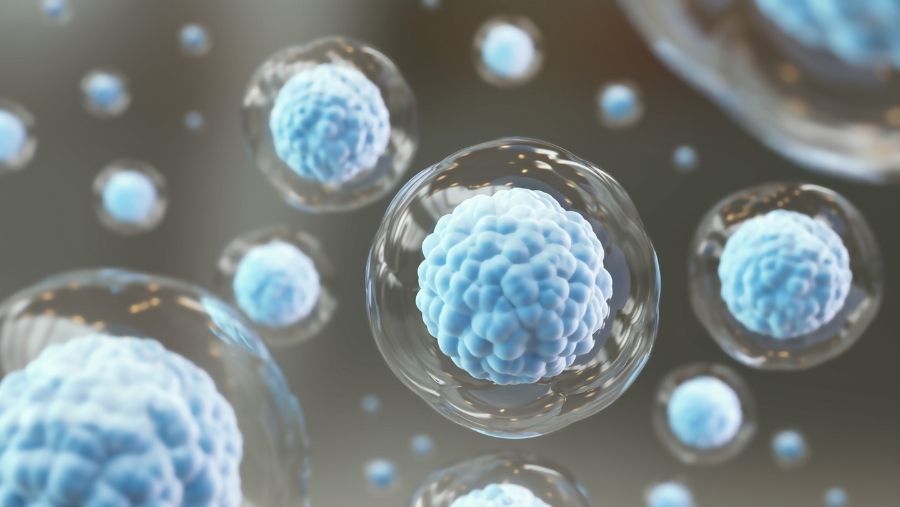
Stem cell treatment has emerged in recent years as an innovative approach that promises hope in the treatment of many chronic diseases. Because stem cells have the potential to repair and regenerate damaged tissues, they have also begun to be used in the treatment of ED. This treatment offers a new route to a solution particularly for patients experiencing erection problems because of neural, vascular or hormonal problems.
Potential Benefits
- Tissue repair and regeneration: stem cells can help in the repair of damaged tissues, which offers a potential solution for ED arising from nerve or vascular damage.
- Long-term effects: rather than merely relieving symptoms temporarily, stem cell treatment can offer more lasting solutions by resolving the underlying problems.
- Reduced side effects: unlike traditional ED treatments, the risk of side effects is lower in stem cell treatment because natural cells are used.
- Comprehensive treatment: this treatment can be effective against the various causes of ED (vascular, neural, hormonal).
The Application Process
Stem cell treatment of ED first of all involves the processing and multiplication in a laboratory setting of stem cells taken from the patient (generally from fatty tissue). These stem cells are then injected into the penile tissue. This procedure helps in the repair of damaged nerve or vascular tissues and in restoring normal blood flow. Initial studies show that stem cell treatment provides a marked improvement in the quality of erection.
The application process of stem cell treatment generally involves the following steps:
- Collection of stem cells: fatty tissue is taken from the patient's body (mostly from the abdominal region) and the stem cells are isolated.
- Laboratory procedures: the stem cells taken are multiplied and activated in the laboratory under special conditions.
- Injection: the activated stem cells are injected directly into the penile tissue.
- Follow-up: after the treatment, the patient's condition and the effectiveness of the treatment are assessed regularly.
Although the potential of stem cell treatment will become clearer with comprehensive clinical studies and research, this method is already accepted as a promising alternative for ED. This new treatment method may open new doors for patients who do not respond to traditional treatments or who are seeking a less invasive solution.
Points That Need to Be Taken Into Consideration
- Clinical studies: the effectiveness and reliability of stem cell treatment are still being assessed through comprehensive clinical studies. It is important that patients review the existing research and speak with a health professional before turning to the treatment.
- Cost: stem cell treatment can be more costly than traditional methods. This can limit the accessibility of the treatment.
- Access: because this treatment method is still being developed, it may not be available in every clinic or every country.
The Application Process and Follow-Up
Careful planning and an expert team are necessary in order for stem cell treatment to be applied successfully. The treatment process generally involves the following steps:
- Detailed assessment: before starting treatment, the patient's detailed medical history is assessed and an analysis is made in terms of suitability.
- Cell multiplication and preparation: the isolated stem cells are appropriately multiplied under laboratory conditions and prepared for injection into the patient.
- Injection process: the prepared cells are injected directly into the penis. This procedure is generally performed under local anaesthesia and can be completed within a few hours.
- Rehabilitation and follow-up: after the injection, the patient's recovery process is closely monitored. Recovery and treatment effectiveness are assessed at regular intervals.
Stem cell treatment has the potential to create a revolution in the treatment of erectile dysfunction.
However, because this treatment is still at an initial stage, ongoing research is needed in order to obtain more information about its effectiveness and safety profile. Patients and health professionals need to carefully evaluate the existing information and observe ethical standards before deciding on the treatment. The treatment may produce different results for each individual, and for that reason a personalised approach must be adopted. This new and innovative form of treatment may be a promising option for patients who cannot obtain adequate results with traditional methods or who are seeking less invasive alternatives.
Clinical Note
This article was written and medically reviewed by Prof. Dr. Murat Binbay, a urologist with more than 25 years of experience and over 1,500 robotic operations. The assessments reflect current international guideline recommendations together with our own clinical practice.
The information here is for general guidance only. Because every patient's history, imaging findings and comorbidities differ, a treatment decision can only be made after an examination. You can reach us through our contact page, or read more about our physician on the about us page.
Sources
- European Association of Urology — Sexual and Reproductive Health Guidelines
- NIDDK (NIH) — Erectile Dysfunction
Last reviewed: 8 September 2026 · Reviewed by: Prof. Dr. Murat Binbay, Urology and Robotic Surgery Specialist
Let Prof. Dr. Murat Binbay's team review your case
If you read this far, you probably have questions. Fill in the two-minute digital consultation form and we will get back to you within 24 hours.
- Answer within 24 hours
- Your data stays confidential

Urology and Robotic Surgery Specialist · 25+ years of experience
Last medically reviewed:
 Önceki Yazı
Ways of Protecting Prostate Health
Önceki Yazı
Ways of Protecting Prostate Health
 Sonraki Yazı
Exosome Treatment for Erectile Dysfunction
Sonraki Yazı
Exosome Treatment for Erectile Dysfunction
Yorumlar
Yorum Yazın
Henüz yorum yapılmamış. İlk yorumu siz yapın!