Benign prostatic hyperplasia (BPH) is a frequently encountered condition in men and, as a result of the enlargement of the prostate gland with age, can make urination difficult.
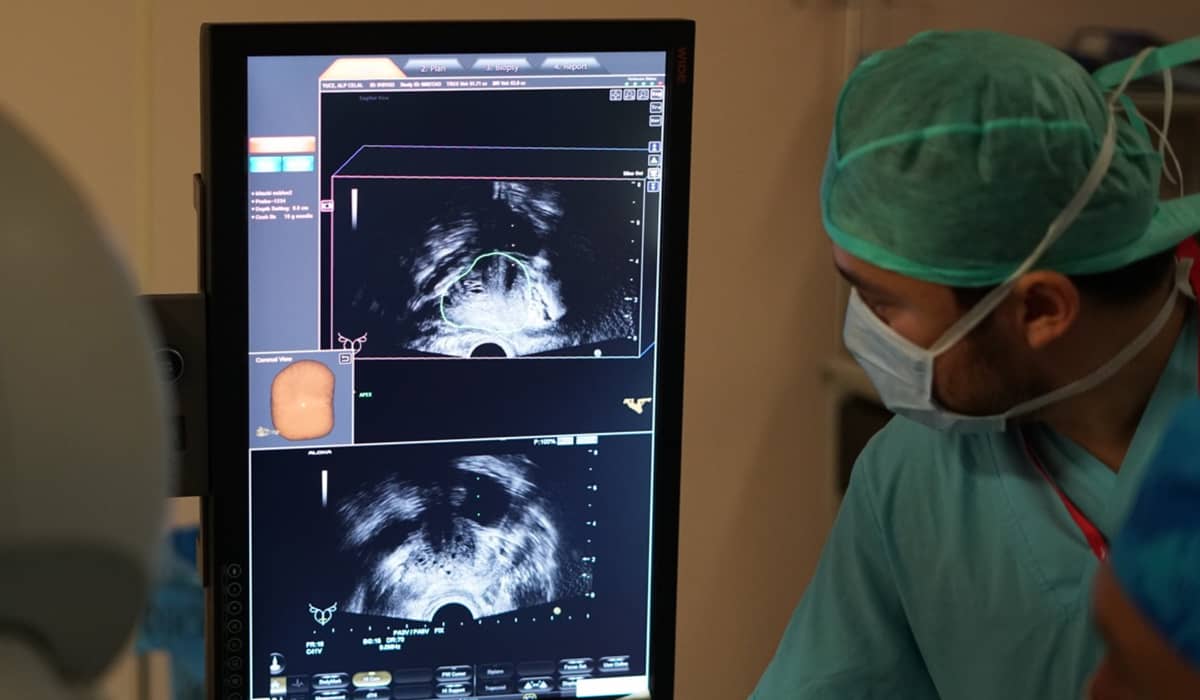
In modern medicine, minimally invasive methods come to the fore in the treatment of BPH (benign prostatic hyperplasia). HoLEP (holmium laser enucleation of the prostate) and ThuLEP (thulium laser enucleation of the prostate) are two methods that stand out in this field. Both attract attention with their low complication rates and rapid recovery process. Both methods are minimally invasive surgical techniques and have many advantages over traditional surgical methods. Let us examine together the details, advantages and comparison of the HoLEP and ThuLEP methods.
The HoLEP Method
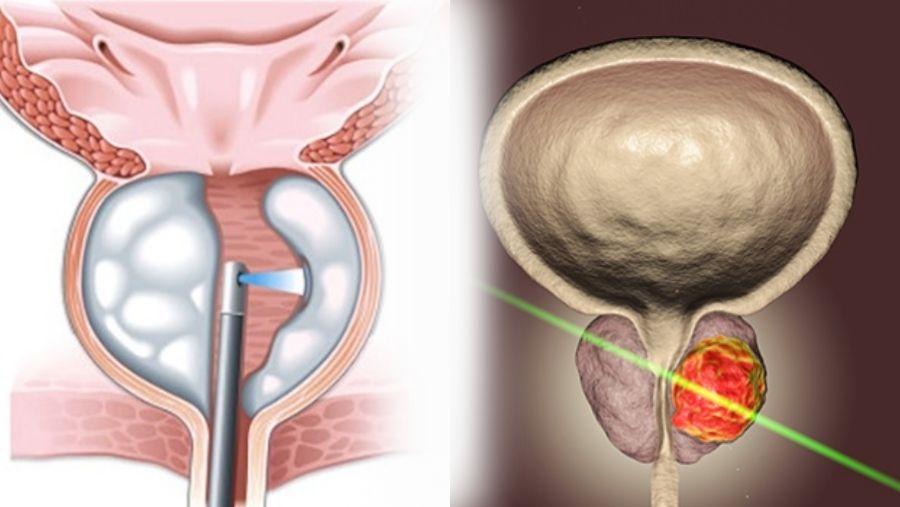
HoLEP is a technique involving the removal of prostate tissue using a holmium laser. It was developed in New Zealand at the end of the 1990s. This method allows large parts of the prostate gland to be removed, reduces the risk of bleeding and offers a rapid recovery process. One of the greatest advantages of the HoLEP method is that it can be applied to a prostate of any size and that it minimises the risk of the prostate growing again. During this procedure, which is carried out through the urethra, no incision is made, which reduces the risk of infection and speeds up the recovery process. After HoLEP surgery patients can generally be discharged within 1-2 days.
The Advantages of the HoLEP Method:
- It is suitable for a prostate of any size, thereby offering treatment possibilities to a wide patient group.
- It reduces the risk of bleeding, providing a safer process during and after the operation.
- It offers a rapid recovery process; most patients can be discharged within 1-2 days.
- Because it is a procedure carried out through the urethra, no incision is made and the risk of infection is low.
- It minimises the risk of the prostate growing again, providing long-term relief.
The ThuLEP Method
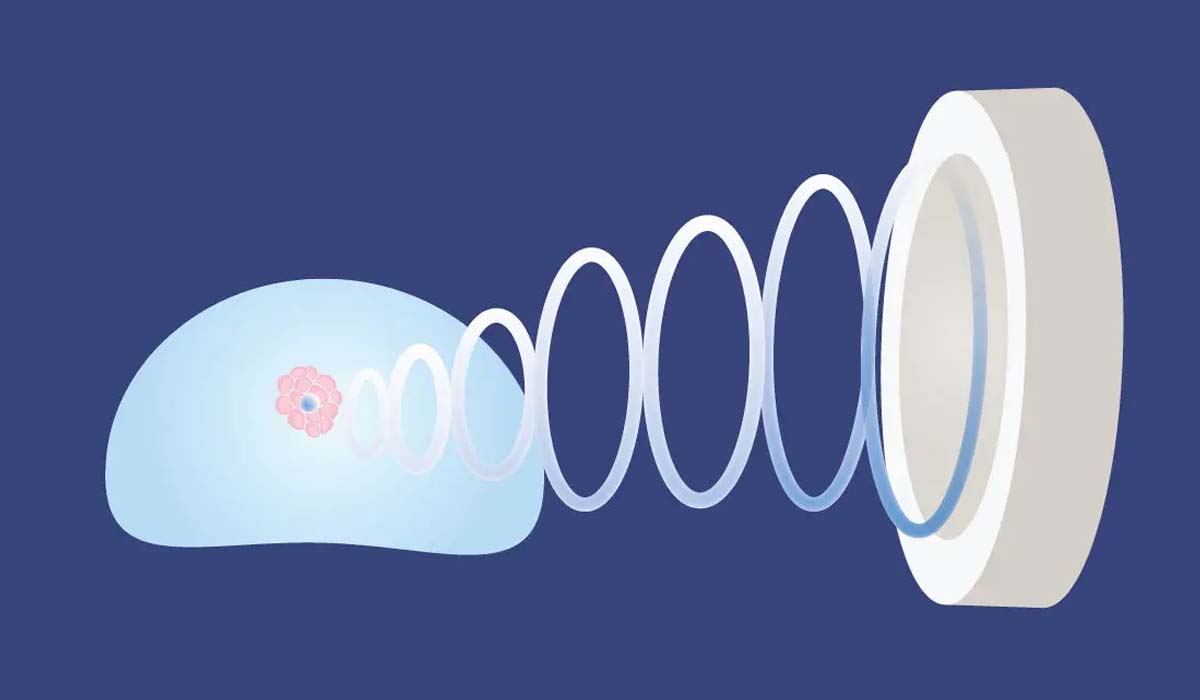
ThuLEP carries out a similar procedure using thulium laser technology. This technique cuts and removes the enlarged prostate tissues from inside the urinary channel and opens the urinary channel as far as the prostate capsule. ThuLEP has certain technical differences compared with HoLEP; in particular, it is stated that tissue and cell damage is less because the depth of tissue penetration is lower (0.25 mm for thulium) and because it works with continuous energy. The ThuLEP method allows better cutting power, less bleeding, a shorter hospital stay and faster recovery times to be mentioned. In addition, by preserving the sphincter muscle tissue it reduces the risk of urinary incontinence and allows the prostate tissue to be separated more easily from the capsule.
The Advantages of the ThuLEP Method:
- It provides safer treatment with less tissue and cell damage, thanks to the use of continuous energy.
- Because the depth of tissue penetration is lower, the risk of damaging surrounding tissues is low.
- With good cutting power and a reduced risk of bleeding, it offers greater control during the operation.
- It shortens the length of hospital stay and allows patients to recover more quickly.
- By preserving the urinary continence mechanism it reduces the risk of urinary incontinence.
Comparison and Conclusion
HoLEP and ThuLEP are effective modern techniques in the treatment of BPH. Both methods are minimally invasive and offer many advantages over traditional surgery. The choice must be made depending on the patient's characteristics, the size of the prostate and their state of health. HoLEP stands out with its suitability for a prostate of any size and its low risk of regrowth. ThuLEP, on the other hand, attracts attention with less tissue damage, better cutting power and a faster recovery process. Both methods also have potential risks and side effects, and for this reason a detailed assessment must be made before making a treatment choice.
In the treatment of BPH, the HoLEP and ThuLEP methods offer patients a more comfortable recovery process and long-term relief. However, both techniques require comprehensive training and experience. Finally, the choice between the HoLEP and ThuLEP methods must be made by the joint decision of the patient and the doctor, taking into consideration the patient's state of health, the size of the prostate and the potential risks. Both methods occupy an important place in modern BPH treatment and are treatment options with high patient satisfaction and recovery rates. When making a choice between the methods, the best treatment method appropriate to the unique needs of each patient needs to be determined. This comprehensive approach will help to maximise patients' quality of life while minimising the effects of BPH.
Clinical Note
This article was written and medically reviewed by Prof. Dr. Murat Binbay, a urologist with more than 25 years of experience and over 1,500 robotic operations. The assessments reflect current international guideline recommendations together with our own clinical practice.
The information here is for general guidance only. Because every patient's history, imaging findings and comorbidities differ, a treatment decision can only be made after an examination. You can reach us through our contact page, or read more about our physician on the about us page.
Sources
- European Association of Urology — Non-neurogenic Male LUTS Guidelines
- NIDDK (NIH) — Prostate Enlargement: Benign Prostatic Hyperplasia
Last reviewed: 8 September 2026 · Reviewed by: Prof. Dr. Murat Binbay, Urology and Robotic Surgery Specialist
Let Prof. Dr. Murat Binbay's team review your case
If you read this far, you probably have questions. Fill in the two-minute digital consultation form and we will get back to you within 24 hours.
- Answer within 24 hours
- Your data stays confidential

Urology and Robotic Surgery Specialist · 25+ years of experience
Last medically reviewed:
 Önceki Yazı
Early Diagnosis of Cancers With Artificial Intelligence
Önceki Yazı
Early Diagnosis of Cancers With Artificial Intelligence
 Sonraki Yazı
Ways of Protecting Prostate Health
Sonraki Yazı
Ways of Protecting Prostate Health
Yorumlar
Yorum Yazın
Henüz yorum yapılmamış. İlk yorumu siz yapın!